Irish Leather Shoe Selector
Answer three simple questions to determine which animal leather is most suitable for your daily commute and local climate in Ireland.
Recommendation
Calfskin
Detailed description goes here.
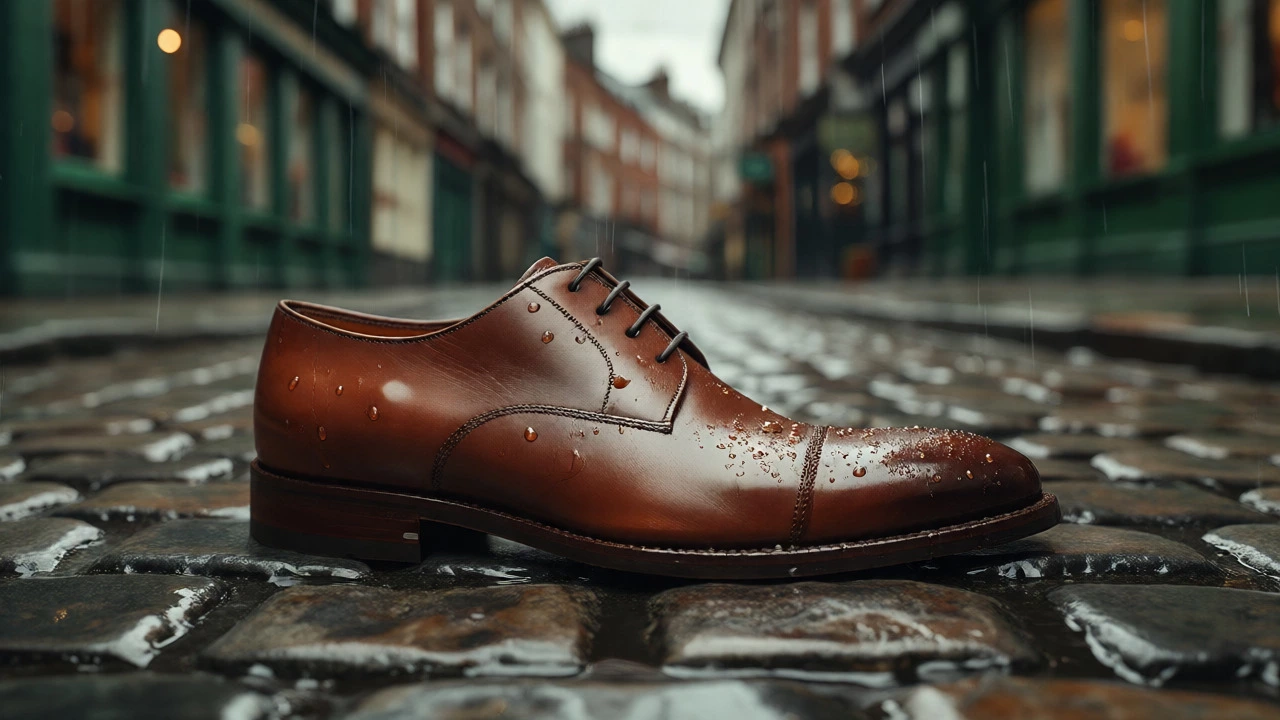
Walk down Grafton Street on a damp Tuesday afternoon, and you’ll see it immediately. The rain isn’t just falling; it’s horizontal. For anyone living in Ireland, buying leather shoes isn’t just about style-it’s an engineering challenge against the elements. You’re not just picking a colour; you’re choosing a material that has to survive Atlantic winds, sudden downpours, and the occasional muddy walk through Phoenix Park without turning into a sad, squishy mess.
So, which animal skin actually holds up? Is cowhide too heavy for your office commute? Does lambskin melt when it touches a puddle? And what about those exotic options people rave about online? Let’s cut through the marketing noise. We’re looking at real-world performance on Irish streets, from the cobbles of Dublin to the wet grass of Galway.
The Heavyweight Champion: Cowhide and Calfskin
If you ask any cobbler in Cork or Belfast, they’ll tell you the same thing: if you only own one pair of good shoes, make them calf leather. It is the gold standard for a reason. But let’s be clear about the difference between "cow" and "calf," because marketers love to blur the lines.
In Ireland, this matters. Adult cowhide can be stiff and heavy. Wearing heavy boots all day while standing at a bar or walking around Trinity College can leave your feet feeling like bricks. Calfskin breaks in faster. It molds to your foot shape within weeks, not months. Brands like Clarks (yes, the British brand with a massive presence here) and local Irish makers often use full-grain calfskin for their dress shoes. Full-grain means the top layer of the hide is intact, keeping its natural strength. If you see "corrected grain," run. That’s usually cheap leather sanded down and sprayed with plastic to hide defects. It peels. In our climate, peeling leather looks terrible after two winters.
Suede and Nubuck: The Irish Weather Dilemma
You’ve seen them in every window display in Dundrum Town Centre. Suede shoes look fantastic. They have texture, depth, and a casual elegance that polished leather lacks. But here’s the hard truth: suede hates water. Or rather, it hates unsealed water.
Suede is made from the underside of the animal skin, usually lamb, goat, or deer. It’s soft and fuzzy. When rain hits untreated suede, the fibres swell and mat down. Once dried, it stays stiff and stained. Given that it rains approximately 150 days a year in parts of western Ireland, wearing raw suede daily is a gamble.
However, don’t write it off yet. Modern technology has changed the game. Look for "water-repellent" treatments applied at the factory. Many Irish retailers now stock treated suede from brands like Loake or Church’s. These are treated with hydrophobic coatings that bead water off the surface. If you live in a drier part of the country, like the southeast, untreated suede might survive with proper care. But if you’re in Sligo or Kerry, buy treated, or stick to nubuck.
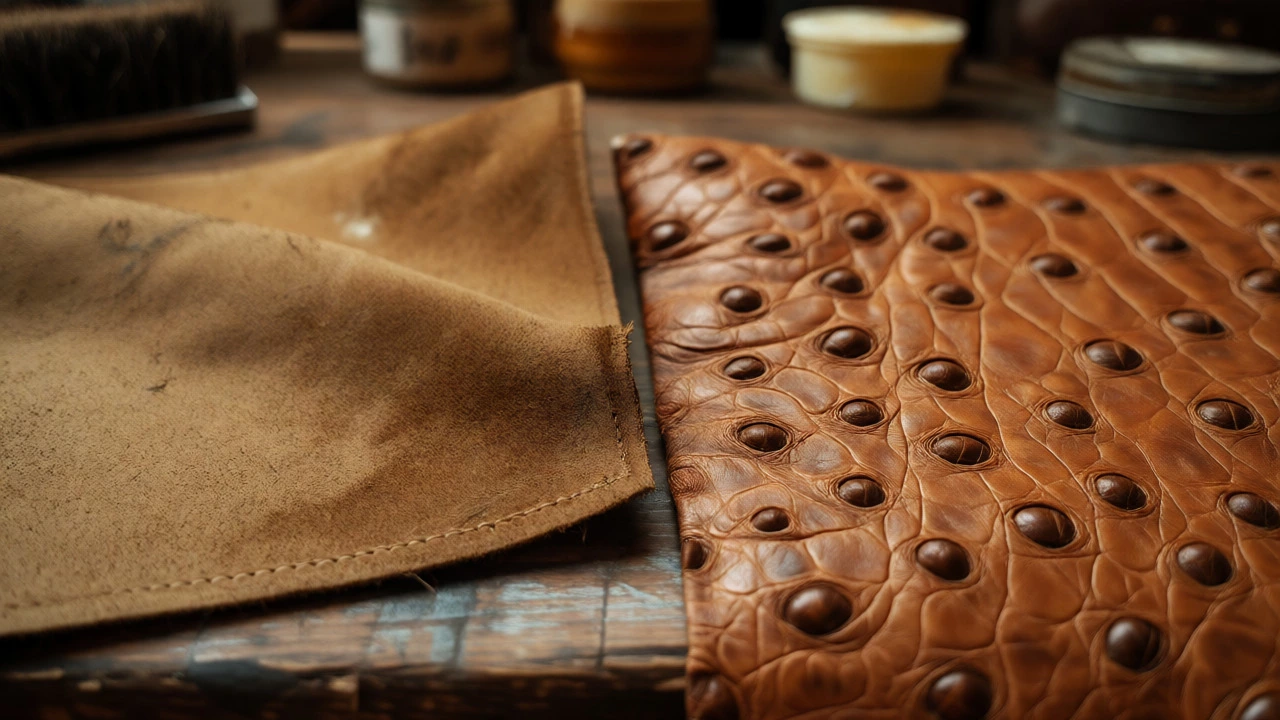
Nubuck is similar but made from the outer side of the hide, buffed to create a velvet-like surface. It’s tougher than suede and handles light rain better. Think of nubuck as the rugged cousin of calfskin. It’s great for smart-casual Fridays in a tech office in Dublin’s Silicon Docks. Just remember: both require a brush. Not a shoe polish cloth-a specific crepe or brass-bristle brush to lift the nap back up after scuffs.
Exotic Leathers: Alligator, Ostrich, and Kangaroo
Let’s talk about the fancy stuff. You might see ostrich boots advertised in high-end boutiques in Kildare Village, or alligator loafers worn by executives in Temple Bar. Are they worth the price tag?
Ostrich is actually quite practical. Those bumps you see aren’t flaws; they’re where feathers used to be. The skin is thick and oily, making it naturally water-resistant. It doesn’t scratch easily. However, it’s expensive. A pair of genuine ostrich boots can cost over €800. Unless you’re buying them as an heirloom piece, you’re paying for status, not utility.
Alligator and crocodile skins are different. They are beautiful but fragile. The scales can lift if exposed to excessive moisture or heat. Walking through a rainy street in Limerick with alligator shoes is risky. The glue holding the scales can weaken, and the leather itself can dry out and crack if not conditioned religiously. Kangaroo leather, on the other hand, is lightweight and strong-often used in sports gear-but rare in formal footwear due to sourcing complexities in Europe.
Goat and Lamb: Softness vs. Durability
Lambskin is the softest leather you can buy. It feels like butter. It’s perfect for gloves and jackets, which we definitely need here. But for shoes? It’s problematic.
Lambskin lacks structural integrity. It stretches out quickly and offers little support. If you have flat feet or spend eight hours on your feet, lambskin shoes will collapse under the pressure. Goat leather is a middle ground. It’s softer than cowhide but stronger than lamb. It’s often used in lining or for casual slip-ons. However, goat skin tends to have a distinct smell if not properly tanned. In a warm office, nobody wants their feet announcing their presence.
Practical Care for the Irish Climate
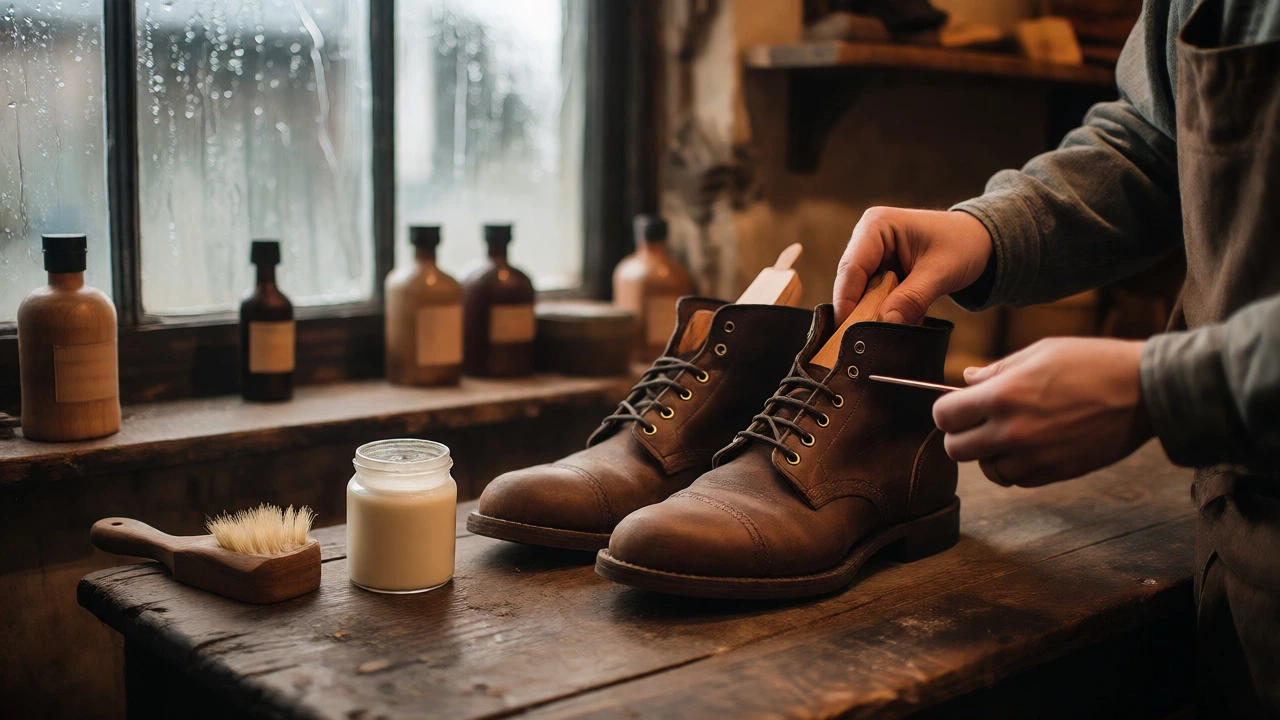
No matter which animal leather you choose, maintenance is non-negotiable. The humidity in Ireland is high, which encourages mould growth inside shoes. Here’s how to keep your investment alive:
- Use Shoe Trees: Cedar shoe trees are essential. They absorb moisture from the inside out and keep the shape. Buy two pairs per person so you can rotate shoes.
- Dry Naturally: Never put wet shoes next to a radiator. Heat dries leather too fast, causing cracks. Stuff them with newspaper and let them air dry in a room-temperature area.
- Condition Regularly: Every three months, apply a neutral cream conditioner. This replenishes oils lost to wind and rain. Avoid silicone-based polishes for full-grain leather; they sit on top and prevent breathing.
- Protect Before Wear: Apply a wax-based protector to new leather shoes before the first wear. This creates a barrier against salt stains from winter grit spread on roads.
Comparison: Which Leather Fits Your Life?
To help you decide, here’s a breakdown based on typical Irish usage scenarios.
| Leather Type | Durability | Water Resistance | Comfort/Break-in | Best For |
|---|---|---|---|---|
| Calfskin | High | Moderate (needs wax) | Fast | Office wear, formal events |
| Cowhide | Very High | High (if oiled) | Slow | Work boots, rural areas |
| Treated Suede | Moderate | Low-Moderate | Instant | Casual weekends, dry spells |
| Ostrich | High | High | Moderate | Status symbol, long-term wear |
| Lambskin | Low | Low | Instant | Light walking, indoor use |
Where to Buy Quality Leather in Ireland
You don’t need to fly to Italy to get good leather. Ireland has a growing scene of independent shoemakers and reputable retailers. Check out smaller shops in Dublin’s City Centre or Galway’s Latin Quarter. Many stock European brands like Loake, Tricker’s, or Meermin, which offer excellent value compared to luxury Italian labels.
Also, consider second-hand markets. Sites like DoneDeal or Facebook Marketplace often have barely-worn designer shoes. Inspect the sole and the upper carefully. If the leather is cracked, it’s gone. But if it’s just scuffed, a good cobbler can fix it. Supporting local cobblers in towns like Athlone or Waterford keeps skills alive and saves money. Resoling a quality leather shoe costs €60-€90, which is far cheaper than buying a new pair of cheap synthetic shoes that fall apart in six months.
Frequently Asked Questions
Is vegan leather a better option for Irish weather?
Not necessarily. Most "vegan" leathers are polyurethane (PU) or PVC plastics. While they are waterproof initially, they do not breathe. This leads to sweaty feet in summer and cold, clammy feet in winter. Furthermore, plastic cracks in the cold and peels over time, whereas genuine leather ages gracefully. If you want eco-friendly options, look for vegetable-tanned leather, which uses natural tannins instead of chromium salts.
How do I remove salt stains from my leather shoes?
Salt stains are common in Ireland during winter when councils spread grit on roads. Mix equal parts white vinegar and water. Dip a soft cloth in the solution and gently wipe the stain. Do not soak the shoe. Let it air dry away from direct heat. Once dry, apply a leather conditioner to restore oils stripped by the vinegar. Repeat if necessary.
Which leather lasts the longest in wet conditions?
Full-grain cowhide treated with wax (like Horween Chromexcel or similar) lasts the longest. The dense fibre structure resists water penetration better than softer skins. Oiled waxy leathers, often found in work boots from brands like Blundstone or Red Wing, are designed specifically for harsh, wet environments and self-heal minor scratches.
Can I wear suede shoes in the rain?
Yes, but only if they are treated with a water-repellent spray. Even then, avoid deep puddles. If they get soaked, stuff them with paper towels to maintain shape and let them dry slowly. Brush the nap once dry to restore texture. Untreated suede should be kept indoors or for dry days only.
Is ostrich leather really water-resistant?
Ostrich leather is naturally more water-resistant than many other exotic skins due to its thickness and oil content. However, it is not waterproof. The pores around the quill follicles can absorb moisture. Treat it like fine calfskin: clean, condition, and protect regularly. Don’t expect it to handle a monsoon.