Irish T-Shirt Style & Climate Matcher
Configure Your Outfit
Visual Preview
RECOMMENDATION
Ready to calculate
Select your location and activity above to get tailored advice on fabric weight and styling for Irish weather.
You’re standing in the changing room at Dunnes Stores on Grafton Street in Dublin, holding up a plain white tee. It’s simple, comfortable, and probably the most worn item in your wardrobe right now. But have you ever stopped to ask yourself: what does that "T" actually stand for? It seems like such a basic question, yet if you dig into the history of this garment, the answer is far more interesting than just an alphabet letter. In Ireland, where the weather can shift from sunny Galway skies to biting Atlantic winds in minutes, understanding our clothes helps us navigate not just style, but survival.
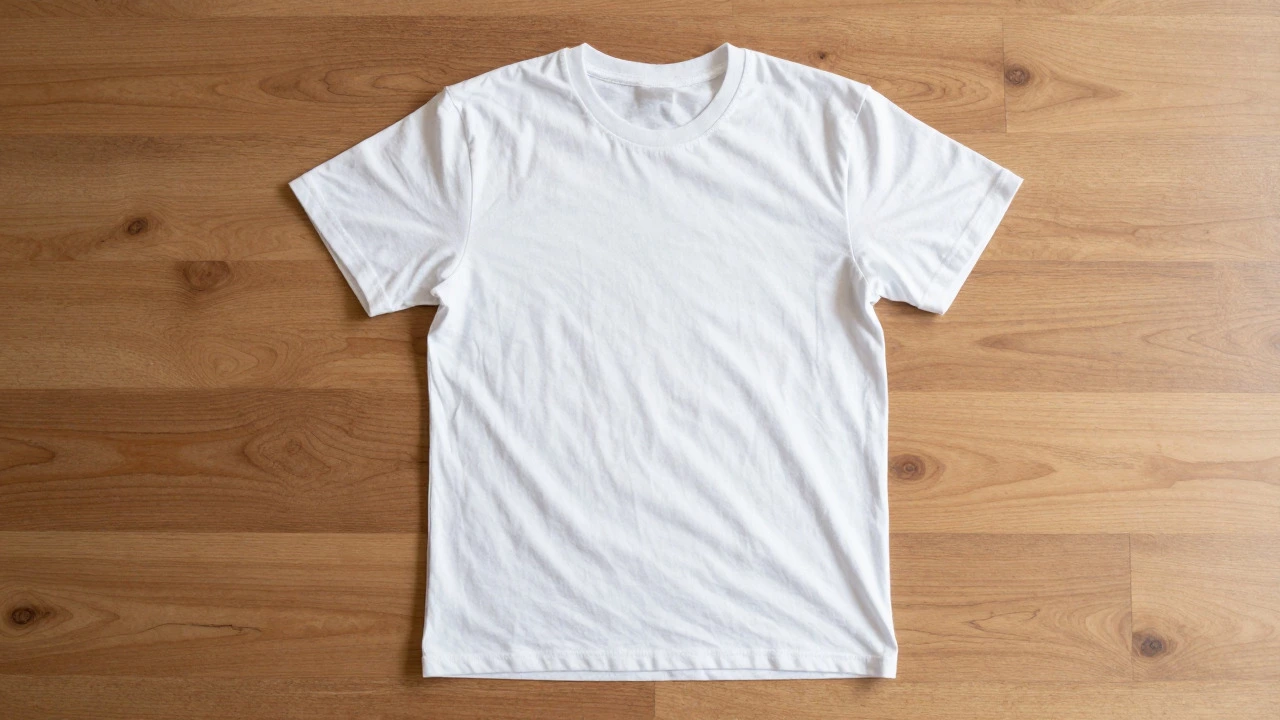
The short answer is that the "T" stands for the shape of the shirt. If you lay a standard T-shirt flat on a table, it looks exactly like the capital letter T. There are no collars, no buttons down the front, and the sleeves extend straight out from the shoulders. This simple silhouette distinguishes it from other shirts, like button-downs or polo shirts, which have different structural profiles. While it might seem obvious today, this naming convention stuck because it was descriptive, practical, and easy to remember for everyone from factory workers to fashion designers.
The Humble Origins: From Underwear to Everyday Wear
To really understand why we call it a T-shirt, we have to look back at where it came from. Originally, the T-shirt wasn’t meant to be seen. In the late 19th century, it started as underwear. Sailors in the United States Navy were issued lightweight cotton undershirts that were cool and breathable compared to the heavy wool uniforms they wore before. These garments were designed to keep sweat away from the skin and prevent chafing under heavier layers.
Undershirts became standard issue in the US Navy around 1913. They were called "T-shirts" because of their shape. For decades, wearing one outside was considered undressed or improper. Imagine walking through Temple Bar in Dublin in the 1940s with just a T-shirt on; you’d likely get some strange looks! It took cultural shifts and iconic movies to change that perception. When actors like Marlon Brando in *A Streetcar Named Desire* (1951) and James Dean in *Rebel Without a Cause* (1955) wore tight-fitting white T-shirts, the garment transformed from hidden underwear into a symbol of rebellion, youth, and casual cool.
In Ireland, this shift happened gradually. Post-war Ireland was still quite conservative, influenced heavily by Catholic traditions and modest dress codes. However, as American culture flooded in through radio, television, and later music, young people in cities like Cork, Limerick, and Belfast began adopting the casual style. By the 1970s, the T-shirt had become a staple of everyday Irish life, especially among students and workers who valued comfort over formality.
Why the Shape Matters: Design and Function
The T-shape isn’t just a name; it’s a functional design choice. The straight-cut sleeves and lack of collar make the T-shirt incredibly versatile. You can layer it under a suit jacket for a smart-casual look at a business meeting in Phoenix Park, or wear it alone with jeans while hiking the Cliffs of Moher. The simplicity allows for endless customization. Printers can add graphics, slogans, or band logos without worrying about disrupting complex tailoring lines.
Let’s break down the anatomy of a typical T-shirt:
- Crew Neck: The round neckline that sits close to the base of the neck. It’s the most common style and works well for layering.
- Sleeves: Short sleeves that end above the elbow, providing ventilation without exposing too much arm.
- Hem: The bottom edge, usually curved slightly longer in the back to ensure coverage when sitting or bending.
This design makes the T-shirt ideal for Ireland’s unpredictable climate. During the mild summers, when temperatures in Kerry or Waterford might hit 20°C (68°F), a light cotton T-shirt is perfect. In spring and autumn, it serves as a great base layer under flannel shirts or hoodies. Even in winter, thermal T-shirts provide essential warmth under sweaters during those damp, chilly days in Connemara.
T-Shirts in Irish Culture: More Than Just Fabric
In Ireland, the T-shirt has taken on roles beyond mere clothing. It’s a canvas for expression, identity, and even political statement. Think about the GAA (Gaelic Athletic Association). Fans don’t just buy jerseys; they often wear custom T-shirts featuring team colors, player names, or club crests. At a match in Croke Park, you’ll see thousands of supporters wearing these personalized tees, creating a sea of color that reflects local pride and community spirit.
Music festivals also play a huge role. Events like Oxegen (though now defunct, its legacy lives on), Electric Picnic in Stradbally, and Altsonic in Dublin turn T-shirts into collectibles. Attendees buy official festival tees not just for comfort, but as souvenirs to remember the experience. These shirts often feature unique artwork, dates, and themes, making them wearable memories. Many people keep them for years, sometimes even framing them as decor.
Then there’s the rise of Irish-designed brands. Local designers are putting their spin on the classic T-shirt, incorporating Celtic knots, Irish folklore references, or witty phrases in Hiberno-English. Brands like Quinn & Scott or independent makers found on Etsy create limited-edition runs that appeal to both locals and tourists looking for authentic Irish merchandise. A T-shirt with a subtle shamrock pattern or a quote from Yeats can say volumes about your connection to the land and language.
Choosing the Right T-Shirt: Quality and Fit
Not all T-shirts are created equal. If you’re shopping in Ireland, whether online or in stores like Penneys (Primark), Marks & Spencer, or boutique shops in Galway City, knowing what to look for can save you money and frustration. Here are some key factors to consider:
| Feature | What to Look For | Why It Matters |
|---|---|---|
| Fabric Weight | 180-220 GSM (grams per square meter) | Heavier fabrics last longer and resist transparency. Lighter ones are better for hot weather. |
| Material Blend | 100% Cotton or Cotton-Polyester Mix | Pure cotton breathes well; polyester blends reduce wrinkling and shrinkage. |
| Neckline Stitching | Double-stitched or ribbed collar | Prevents stretching and sagging after multiple washes. |
| Fit | Regular, Slim, or Oversized | Choose based on personal style and intended use (layering vs. standalone). |
For example, if you live in coastal areas like Donegal or Mayo, where salt air and rain are constant companions, opting for a slightly heavier cotton blend will help your T-shirts maintain their shape and color longer. Also, check the care label. Washing inside out on a gentle cycle preserves prints and prevents pilling.
The Environmental Impact: Sustainable Choices
As awareness grows about fast fashion’s environmental toll, many Irish consumers are turning toward sustainable options. The production of conventional cotton T-shirts requires significant water and pesticide use. In response, brands are exploring organic cotton, recycled polyester, and hemp blends. Companies like Katharine Hamnett (who has strong ties to Ireland) and local eco-conscious startups are leading the charge.
You can contribute by buying second-hand. Charity shops across Ireland-from the Red Cross in Kilkenny to local hospice stores in Sligo-are treasure troves for high-quality, gently used T-shirts. Not only do you save money, but you also reduce textile waste. Additionally, supporting local artisans who hand-print or embroider designs adds value and reduces carbon footprint associated with mass production and shipping.
How to Style Your T-Shirt in Ireland
Styling a T-shirt depends largely on the occasion and season. Here are a few practical tips tailored to Irish lifestyles:
- Smart Casual Office: Pair a fitted black or navy T-shirt with chinos and a blazer. Add loafers or clean sneakers. Perfect for tech offices in Dublin’s Docklands or creative agencies in Cork.
- Weekend Pub Crawl: Go for a graphic tee with vintage wash jeans and leather boots. Throw on a denim jacket if it’s breezy in Derry or Ennis.
- Outdoor Adventure: Layer a moisture-wicking synthetic T-shirt under a fleece and waterproof shell. Essential for hiking the Wicklow Mountains or cycling along the Wild Atlantic Way.
- Date Night: Choose a high-quality, solid-color T-shirt tucked into dark jeans. Accessorize with a watch and minimalist jewelry. Works well for dinners in Killarney or concerts in Belfast.
Remember, confidence is key. Whether you’re heading to a wedding reception in County Clare or a casual meet-up in Letterkenny, owning your look matters more than following rigid rules.
Did the T-shirt originate in Ireland?
No, the T-shirt originated in the United States, specifically within the US Navy in the early 20th century. It gained popularity globally through American media and culture, eventually becoming a staple in Ireland by the mid-20th century.
Is it appropriate to wear a T-shirt to work in Ireland?
It depends on the workplace. In creative industries, tech startups, or casual environments, yes-especially if paired with smarter bottoms and outerwear. In traditional corporate settings, banks, or law firms, it’s best to stick to collared shirts unless specified otherwise.
What’s the difference between a T-shirt and a polo shirt?
A T-shirt has a simple crew neck and no buttons, while a polo shirt features a collar and two or three buttons at the neckline. Polos are generally considered more formal and are often made from knitted fabrics like piqué cotton.
Where can I find affordable T-shirts in Ireland?
Stores like Penneys (Primark), Dunnes Stores, and Marks & Spencer offer budget-friendly options. For higher quality, check out local boutiques or online retailers specializing in sustainable fashion. Charity shops are also excellent for finding unique, low-cost pieces.
Can I wear a T-shirt in winter in Ireland?
Yes, but layering is crucial. Wear a thermal or long-sleeve T-shirt under sweaters, jumpers, or coats. This provides insulation without bulk, keeping you warm during cold spells in regions like Leitrim or Sligo.