Footwear Finder: Trainer or Sneaker?
Not sure what to wear? Select your primary activity and the current weather to get the right recommendation for the Irish setting.
The Linguistic Divide: UK and Irish English vs American English
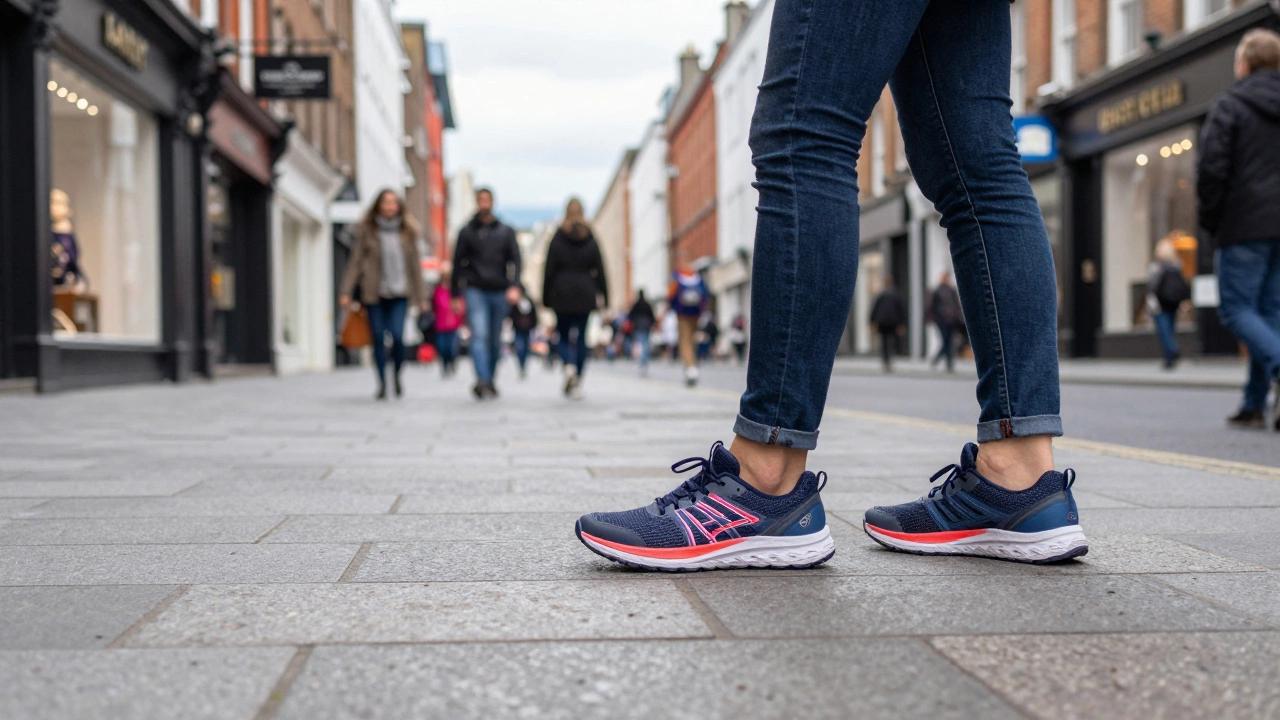
If you've spent any time in Dublin, Cork, or Limerick, you know that we don't usually say "sneakers." In Ireland and the UK, the term Trainers is the gold standard. The word comes from the idea of "training shoes"-footwear specifically designed for athletic training or gym work. When you go into a store like Sports Direct or JD Sports in a local shopping centre, the signage will almost always point you toward trainers.
On the flip side, Sneakers is a term rooted in American English. It dates back to the late 19th century when the rubber soles of these shoes allowed the wearer to "sneak up" on people without being heard. While the influence of US media and social platforms like Instagram and TikTok has made "sneakers" a common term among younger generations in Ireland, it's still largely viewed as a fashion term rather than a functional one.
So, if you're talking to a local in Ireland about your new pair of Nike Air Max, you'll likely call them trainers. If you're talking about a high-end collectible pair of Jordans, you might slip into using the word sneakers because the global "sneakerhead" culture uses that terminology. It's a subtle shift from utility to style.
Functional Differences: When a Trainer is Actually for Training
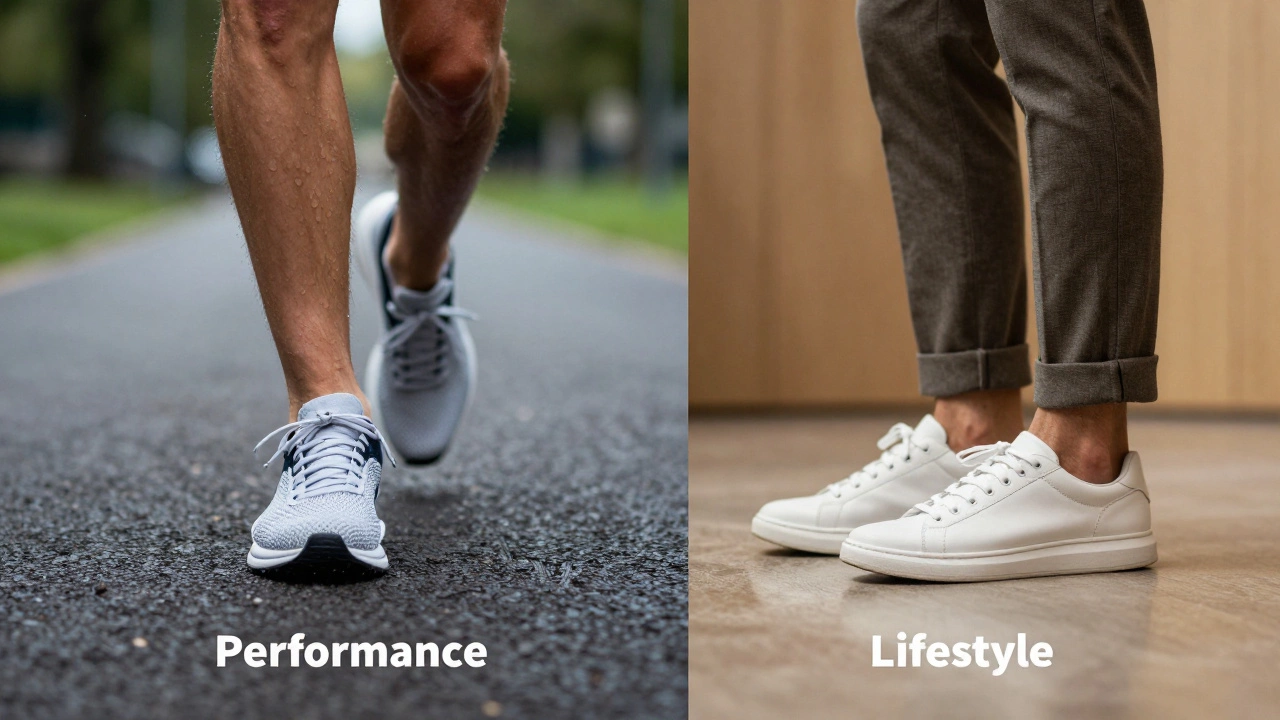
While the words are often used interchangeably, there is a technical difference when you get into the weeds of footwear design. A true trainer is built for a specific purpose: sport. Whether it's a morning run through Phoenix Park or a game of 5-a-side football, trainers are engineered with performance in mind.
Performance trainers usually feature EVA Foam (Ethylene Vinyl Acetate) for cushioning and reinforced uppers to handle the lateral movement of an athlete. If you're buying shoes for the gym, you're looking for attributes like arch support and breathability. In this context, calling them "sneakers" would be technically incorrect because you aren't trying to sneak; you're trying to sweat.
Sneakers, in the fashion sense, are more about the aesthetic. Think of a pair of Adidas Stan Smith or classic Converse. They have rubber soles and a sporty look, but you wouldn't want to run a 10k in them. They are designed for the street, not the track. They provide a clean look that pairs well with jeans or even a casual suit for a creative office job in the Silicon Docks of Dublin.
| Feature | Trainers (Performance) | Sneakers (Lifestyle) |
|---|---|---|
| Primary Goal | Athletic performance & support | Style, fashion & casual comfort |
| Common Materials | Mesh, synthetic knits, carbon plates | Leather, canvas, suede |
| Typical Setting | Gym, running tracks, pitches | Pubs, shopping centres, offices |
| Irish Terminology | The standard term for all athletic shoes | Often used by fashion enthusiasts/collectors |
The Rise of the Sneakerhead Culture in Ireland
Something interesting has happened over the last decade. The line between these two terms has blurred because of Sneaker Culture. This isn't about sports; it's about collecting. In cities like Dublin and Galway, you'll find a growing community of people who treat shoes as investments. For them, a shoe isn't a "trainer" because it's not for training-it's a "sneaker" because it's a piece of art.
This culture has brought limited edition drops and resale markets to the Irish landscape. When a new pair of Yeezys or a limited collaboration drops, the community talks about "sneakers." This is why you might hear a 20-year-old in Cork use both terms in the same sentence. They might wear their "trainers" to the gym and their "sneakers" to a party. The distinction has moved from geography (USA vs Ireland) to intent (Sport vs Fashion).
Choosing the Right Pair for the Irish Climate
Regardless of what you call them, wearing footwear in Ireland requires a specific strategy. Our weather is famously unpredictable-you can experience four seasons in one hour while walking down O'Connell Street. This means the materials of your shoes matter more than the name.
If you're buying a pair for daily use, avoid lightweight mesh sneakers during the autumn and winter months. A sudden downpour in Galway will soak through mesh in seconds. Instead, look for Gore-Tex lined trainers. This material is waterproof yet breathable, making it ideal for the damp Irish climate. Many brands now offer "winterized" versions of their most popular trainers, adding a water-resistant coating that keeps your feet dry without sacrificing the style of a sneaker.
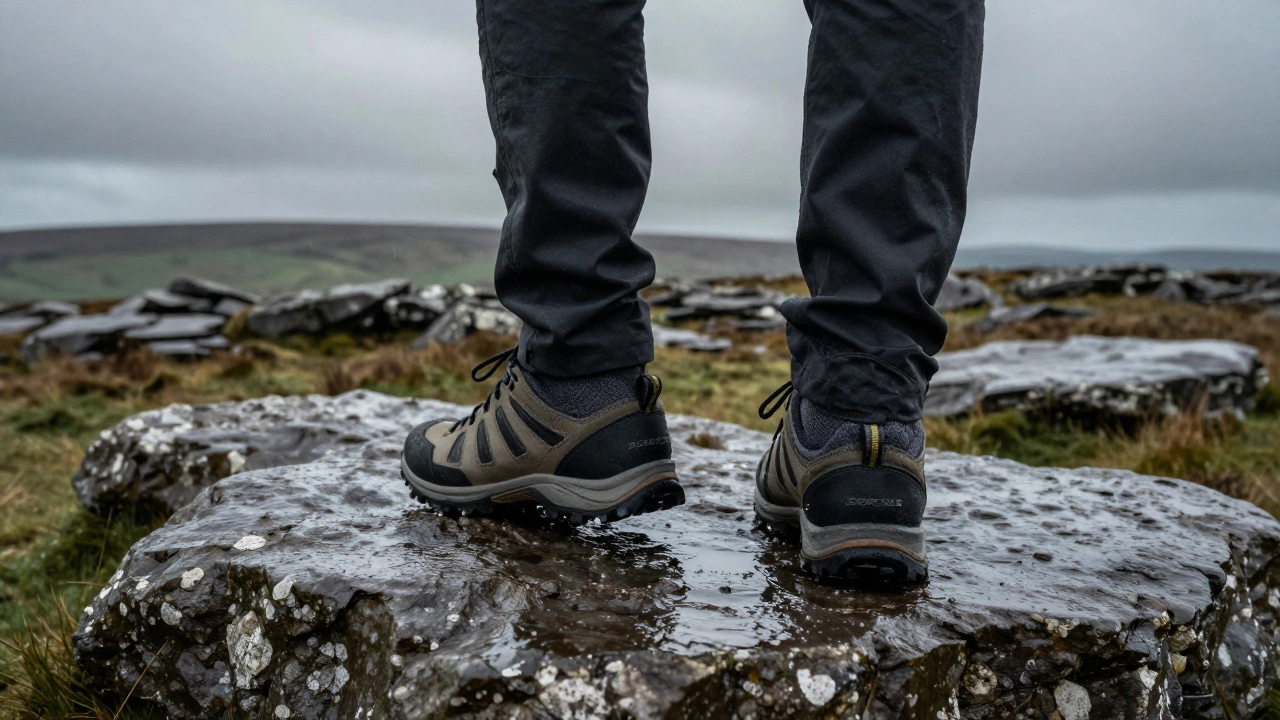
For those strolling through the Burren or exploring the Killarney National Park, you'll want something with a deeper tread. A flat-soled lifestyle sneaker will leave you sliding on wet limestone. A trainer with a rugged outsole (often called a trail runner) provides the grip needed for Ireland's varied terrain.
Common Pitfalls When Buying Athletic Footwear
One mistake people often make is buying a lifestyle sneaker for high-impact activity. For example, wearing classic flat-sole sneakers for a long walk in the Wicklow Mountains can lead to blisters and joint pain. These shoes lack the midsole cushioning required for long-distance trekking.
Another common error is ignoring the difference between "stability" and "neutral" trainers. If you overpronate (your foot rolls inward), a neutral sneaker won't provide the support you need, potentially leading to ankle injuries. If you're unsure, it's worth visiting a professional fitting service in Ireland that offers gait analysis to see exactly how your foot hits the ground.
Summary of How to Use the Terms
To keep it simple, here is a quick guide on how to navigate these words in a social setting in Ireland:
- Use "Trainers" for almost everything. It's the natural, local way to describe any shoe with a rubber sole, from gym shoes to casual wear.
- Use "Sneakers" when you're discussing fashion trends, limited editions, or talking to someone from North America.
- Focus on the material rather than the name when shopping for the Irish winter-waterproofing is key.
Are sneakers and trainers the exact same shoe?
Technically, yes, they both refer to shoes with rubber soles. However, "trainers" usually implies a shoe designed for athletic training, while "sneakers" is often used for casual, fashion-focused footwear. In Ireland, "trainers" is the general term used for both.
Why do people in Ireland say trainers instead of sneakers?
It is a matter of regional dialect. Ireland follows British English conventions where "trainers" is the standard term. "Sneakers" is an American English term that has only recently become popular in Ireland due to global social media trends.
Can I wear sneakers for gym workouts?
It depends on the shoe. A fashion sneaker (like a flat Converse) lacks the support and cushioning needed for weightlifting or cardio, which could lead to injury. For the gym, it is better to use actual performance trainers designed for specific athletic movements.
What are the best shoes for rainy weather in Ireland?
Look for trainers or sneakers with Gore-Tex lining or leather uppers that have been treated with a water-repellent spray. Avoid mesh fabrics, as they let water in instantly during typical Irish rain.
What is a sneakerhead?
A sneakerhead is someone who collects sneakers as a hobby, often seeking out limited editions, collaborations, or rare colorways. This community focuses on the shoes as cultural icons and investments rather than just footwear for exercise.
What to do next
If you're looking to update your wardrobe, start by auditing your current collection. Do you have a pair of dedicated performance trainers for the gym and a separate pair of clean sneakers for going out? If not, now is the time to separate them to protect your feet and your fashion.
If you're heading out for a walk in the Irish countryside this weekend, check your soles. If they're flat, swap those sneakers for a pair of trail trainers. Your ankles will thank you, and you'll be much less likely to slip on a wet path in the Ring of Kerry.