Leather Shoe Verdict: Repair or Replace?
Select the issues you are currently experiencing with your leather shoes.
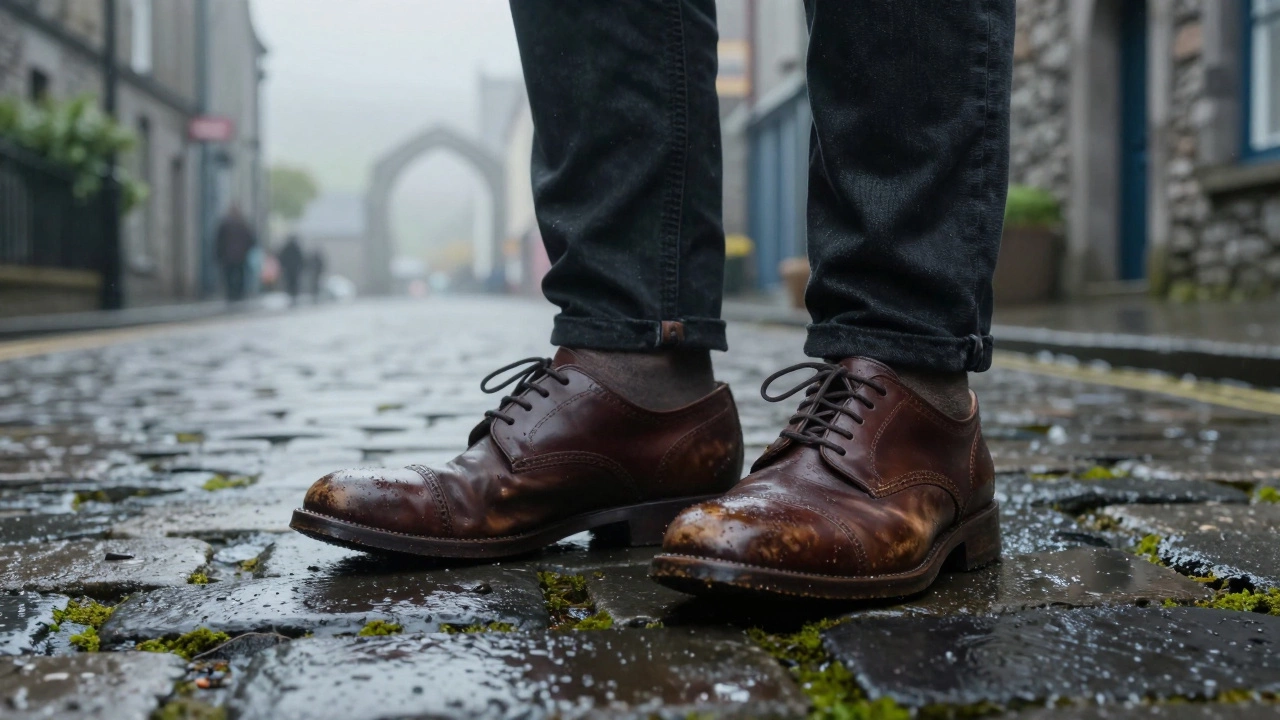
There is a specific kind of misery known only to those living in the west of Ireland. You step out into a drizzle that feels more like a fine mist than rain, confident your boots are dry. An hour later, your socks are damp, your toes are cold, and you realize your footwear has betrayed you. If you live here, from the cliffs of Moher to the streets of Galway City, you know that leather shoes are not just fashion statements; they are survival gear against our famously wet climate.
We tend to hang onto things here. There’s a cultural stubbornness about replacing items until they literally fall apart. But when it comes to leather footwear, holding on too long can lead to blisters, ruined posture, and even fungal infections. Knowing exactly when to toss your old pair and when to take them to a cobbler is crucial for keeping your feet happy through another year of Atlantic weather.
The Structural Integrity Check
Before we talk about style or comfort, look at the skeleton of the shoe. Leather is tough, but the glue and stitching holding it together are not immortal. In Ireland, where we walk on everything from cobblestones in the Latin Quarter to muddy trails in Connemara, the stress on these joints is immense.
Lift the heel. Does the sole separate from the upper part of the shoe? If there is a visible gap wider than a few millimeters, the adhesive has failed. While a skilled cobbler in Salthill might be able to re-glue this once, repeated separation means the structural integrity is gone. The shoe no longer supports your weight evenly. This leads to uneven pressure distribution, which can cause knee pain or back issues over time.
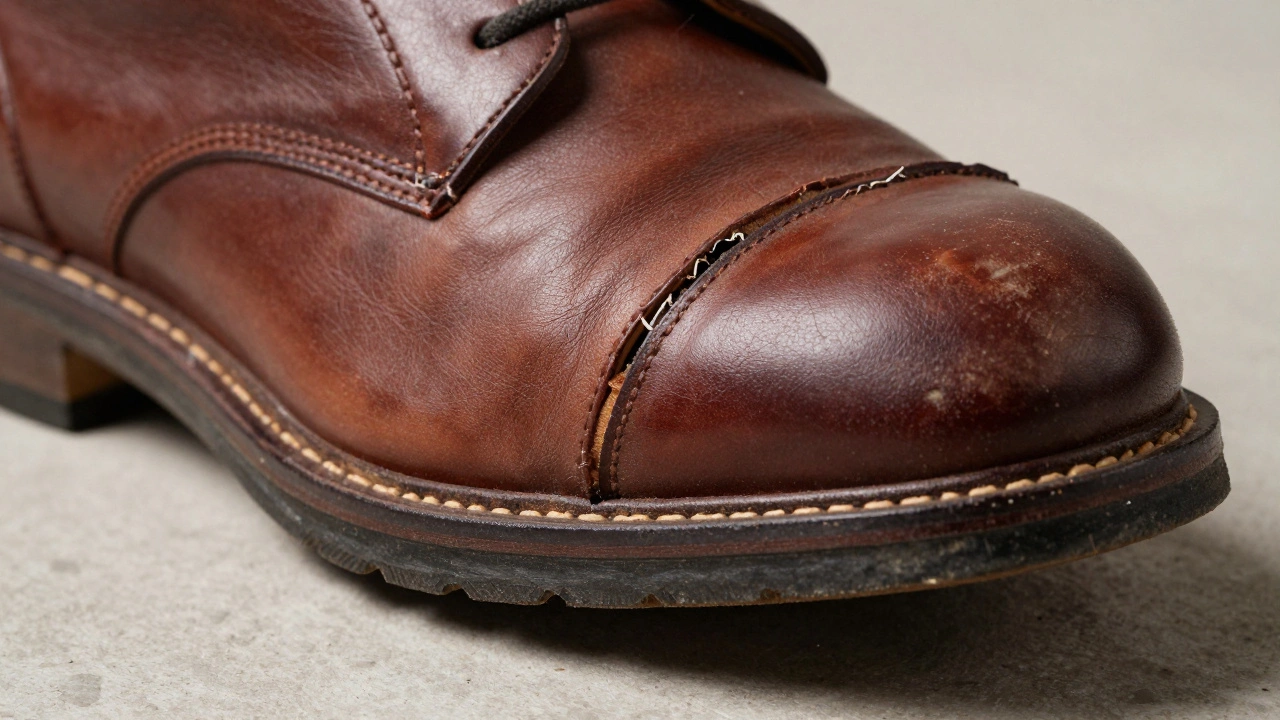
Check the toe box. If the leather creases have turned into deep cracks that expose the inner lining, the material has lost its flexibility. Leather needs to move with your foot. When it becomes rigid and cracked, it stops protecting your toes and starts digging into them. This is especially dangerous if you’re walking on uneven ground, like the rocky paths near Clifden. If the leather snaps rather than bends when you flex the shoe gently, it’s time to let it go.
The Moisture Test: More Than Just Rain
Ireland isn’t just wet; it’s humid. Our average relative humidity often sits between 80% and 90%. This environment is a nightmare for leather if it’s not cared for properly. Leather is porous. It breathes. But when it stays damp for too long, it begins to rot from the inside out.
Smell the inside of the shoe. Not the surface, but deep inside. A faint musty odor is normal after a rainy day. However, if there is a sharp, sour, or chemical smell that persists even after drying for 48 hours, bacteria and mold have taken hold. No amount of baking soda or cedar blocks will fix this. The materials inside the shoe-the insole, the padding, the glue-are decomposing. Wearing these shoes invites athlete’s foot and other fungal infections, which thrive in warm, moist environments.
Look for white powdery spots on the interior lining. This is mold. While you can sometimes clean surface mold, if it has penetrated the fabric or foam layers, the shoe is compromised. In our climate, once mold sets in, it rarely leaves completely. It returns every time the weather turns damp, which, let’s be honest, is most of the year.
Sole Wear and Traction Loss
Your soles tell the story of your miles. In cities like Dublin or Cork, we walk on smooth pavement. In rural areas, we deal with gravel, mud, and grass. The wear patterns differ, but the end result is the same: loss of traction.
Inspect the tread depth. If the grooves are worn flat, you are slipping. This is a safety hazard, particularly on wet surfaces like slate floors in pubs or icy patches in winter. A simple test: press the sole against a rough surface. If it slides easily without catching, the rubber has hardened and smoothed out. Hardened rubber loses its grip. It also loses its shock absorption.
Check for holes. Small pinholes in the sole might be patchable by a professional. But if you can see daylight through the bottom of the shoe, or if water seeps in immediately upon stepping in a puddle, the barrier is broken. Water entering the shoe saturates the insole, leading to the moisture problems mentioned earlier. It’s a vicious cycle. Wet feet lead to cold feet, which lead to discomfort, which leads to a bad day.
Comfort and Fit Changes
Leather stretches. That’s one of its benefits. But it also compresses. Over time, the internal cushioning breaks down. The arch support flattens. The heel counter softens. If your shoes used to feel supportive and now feel like you’re walking on cardboard, the internal structure has collapsed.
Pay attention to how your feet feel after wearing them. Do you get hot spots? Blisters? Numbness? These are signs that the shoe no longer fits your foot shape correctly. As we age, our feet change. They widen. The arches drop. A shoe that fit perfectly five years ago might now be causing friction points. If you find yourself constantly adjusting your laces or needing extra insoles to make them wearable, the base shoe is failing you.
Also, consider the break-in period. New leather shoes should require a few weeks to soften. Old leather shoes should already be broken in. If an older pair suddenly starts hurting you, it’s not because they need more time; it’s because they’ve degraded. The materials are breaking down, creating irregular surfaces inside the shoe that rub against your skin.
Repair vs. Replace: The Cobbler’s Verdict
In Ireland, we have a rich tradition of craftsmanship. Cobblers still exist, though fewer than before. Shops like those found in Galway’s Spanish Arch area or Dublin’s Temple Bar can work miracles. But not everything is worth saving.
| Issue | Action | Reasoning |
|---|---|---|
| Detached Heel/Sole | Repair | If the leather upper is intact, regluing or resoling extends life significantly. |
| Cracked Leather Upper | Replace | Cracks indicate material failure. Patching looks poor and doesn't restore strength. |
| Worn Tread (No Holes) | Repair | Resoling is cost-effective for high-quality shoes. |
| Holes in Sole | Replace | Water damage likely affects internal structure. Risk of infection. |
| Mold/Mildew Smell | Replace | Health hazard. Odor cannot be fully removed. |
| Collapsed Arch Support | Replace | Structural failure. Custom orthotics may help temporarily, but shoe is unsound. |
A good rule of thumb: if the cost of repair exceeds 30-40% of the price of a new, quality pair, buy new. For example, if a decent pair of Irish-made leather brogues costs €150, spending €60 on repairs makes sense. Spending €80 does not. Plus, modern manufacturing techniques often provide better durability and comfort features than older models.
Disposal and Recycling in Ireland
Throwing shoes in the general waste bin is easy, but it’s not responsible. Leather takes centuries to decompose, and synthetic components release microplastics. In Ireland, we have options for proper disposal.
Many charity shops, such as those run by the Irish Cancer Society or Age Action, accept gently used shoes. Ensure they are clean and dry. If they are too worn for donation, check with local recycling centers. Some facilities, like those operated by Veolia, have textile and footwear recycling programs. They shred the materials to use in insulation or playground surfaces.
For high-end leather shoes, consider upcycling. Local artisans in places like Derry or Kilkenny sometimes turn old leather into wallets, belts, or keychains. It gives the material a second life and honors the craftsmanship of the original product.
Preventing Premature Death of Your Shoes
To extend the life of your next pair, adopt a few habits suited to our climate:
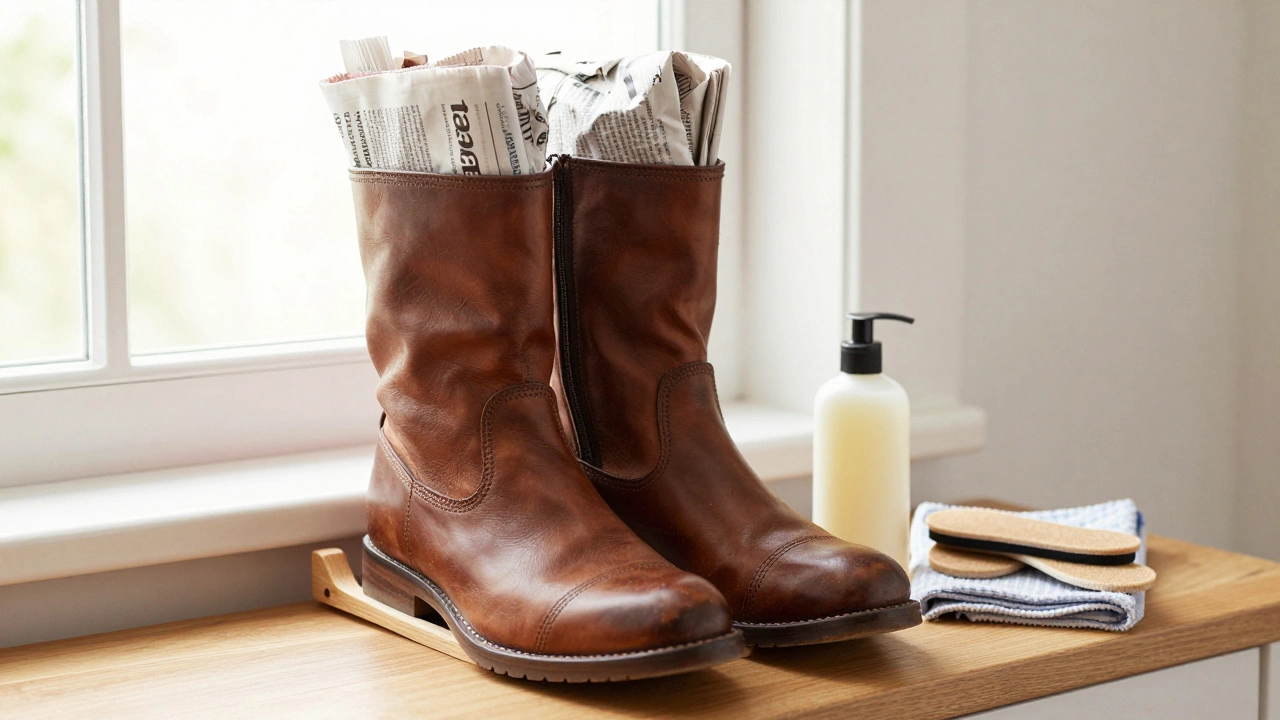
- Dry them properly. Never place wet shoes near a radiator or fire. Heat dries out the oils in leather, causing it to crack. Stuff them with newspaper to absorb moisture and maintain shape. Let them air dry at room temperature.
- Condition regularly. Use a leather conditioner every 3-6 months. This replenishes the natural oils stripped away by rain and cleaning. Brands like Saphir or Collonil are widely available in department stores across Ireland.
- Rotate your pairs. Don’t wear the same shoes two days in a row. Give them 24 hours to dry out completely. This prevents moisture buildup and allows the materials to recover their shape.
- Use waterproofing spray. Apply a silicone-based or wax-based protector before the first rainy season. Reapply after each cleaning. This creates a barrier against water without sealing the pores completely.
- Store correctly. Keep shoes in a cool, dry place. Avoid plastic bags, which trap moisture. Use shoe trees made of cedar to absorb odors and maintain form.
By taking care of your shoes, you respect the craft behind them and protect your own well-being. In a country where the weather dictates much of our daily routine, reliable footwear is essential. Know when to mend, and know when to move on.
How long do leather shoes last in Ireland?
With proper care, high-quality leather shoes can last 5 to 10 years. However, due to Ireland's wet climate, this lifespan may be reduced to 3 to 5 years if not maintained regularly. Factors like frequency of wear, exposure to salt and rain, and storage conditions play significant roles.
Can I repair cracked leather shoes?
Minor surface cracks can be filled with leather filler and recolored. However, deep cracks that expose the inner lining indicate structural failure. These shoes should be replaced as they no longer provide adequate protection or support.
Where can I recycle old shoes in Galway?
In Galway, you can drop off old shoes at local charity shops like the Irish Cancer Society branches. For non-donatable shoes, check with the Galway County Council recycling centers, which often have textile recycling bins. Some sports retailers also offer take-back schemes.
Is it safe to wear shoes with a musty smell?
No. A persistent musty smell indicates mold or bacterial growth. Wearing such shoes can lead to fungal infections like athlete's foot. If cleaning doesn't remove the odor, the shoes should be discarded.
How often should I condition my leather shoes?
Condition your leather shoes every 3 to 6 months, depending on usage. In Ireland's damp climate, more frequent conditioning (every 3 months) during the rainy season helps prevent drying and cracking.