
The Kate Middleton Cost-Per-Wear Calculator
Kate Middleton is famous for re-wearing outfits to maximize value. Use this tool to see if your expensive dress or coat is actually a smart investment compared to fast fashion alternatives.
Enter details to calculate
your Cost Per Wear
Cost Per Wear
Style Rating
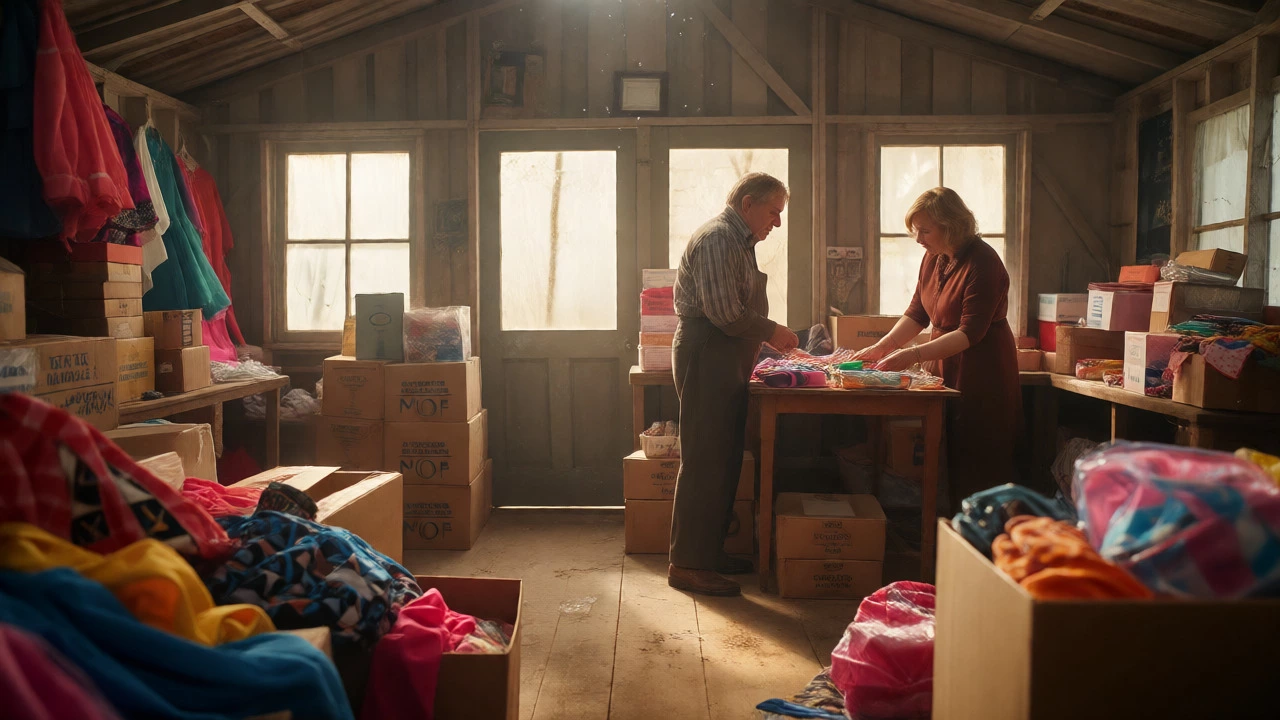
Walk down Grafton Street in Dublin or browse the window displays at Brown Thomas, and you’ll spot them: the structured coats, the modest hemlines, and those impeccable evening dresses that seem to define modern royalty. We often look at Kate Middleton and assume she was born into a life of silk sheets and private jets. But here’s the twist that surprises most people in Ireland and beyond: before she married Prince William, Kate wasn’t “rich” in the aristocratic sense. She was upper-middle-class, raised in Berkshire by parents who built a mail-order party supplies empire from their garden shed.
This distinction matters, especially if you’re trying to decode her fashion choices. It explains why she re-wears outfits until they’re practically threadbare. It explains why she champions high-street brands alongside luxury labels. And for us here in Galway or Cork, it makes her style feel surprisingly attainable. You don’t need a trust fund to dress like a future queen; you just need good tailoring and a keen eye for value. Let’s unpack the actual financial background of the Middleton family and see how it shaped the wardrobe we all envy.
The Middletons: Not Aristocrats, But Business Owners
To understand Kate’s pre-royal status, you have to look at Michael and Carole Middleton. They weren’t landed gentry with estates in the Cotswolds. They were self-made entrepreneurs. In 1987, they founded Party Pieces, a mail-order company selling fancy dress costumes and party accessories. This is a crucial detail. Their wealth came from hard work, logistics, and understanding market trends, not from inherited land titles.
By the time Kate met William at St Andrews University, the family was comfortable, certainly. They lived in Bucklebury, Berkshire, in a large house that had been expanded over the years. But they didn’t have the generational wealth of the Spencer family (William’s maternal line) or the Windsor fortune. In Irish terms, think of them less like the Guinness dynasty and more like successful local business owners who did very well out of a niche market. They could afford private schooling-Kate attended Marlborough College, which costs upwards of £40,000 a year-but they still haggled for deals and valued practicality.
Education and Early Life: Privilege Without Excess
Kate’s education tells the story of her class position. She went to St Andrew’s School in Pangbourne, then Marlborough College, and finally the University of St Andrews in Scotland. This path is expensive, but it’s a common route for wealthy professionals’ children, not necessarily the ultra-rich nobility. At St Andrews, she studied History of Art. This degree would later influence her eye for color and composition in her public appearances.
During these years, she wasn’t wearing bespoke couture every day. Photos from her university days show her in jeans, jumpers, and standard high-street wear. She worked part-time jobs, including as an assistant buyer at Jigsaw, a British clothing retailer. That experience gave her direct insight into retail margins and consumer behavior. When she later became Duchess of Cambridge, she leveraged this knowledge. She knew exactly what women wanted to buy, and she knew where to find it without breaking the bank.
The “Middleton Effect”: How Class Influences Style
Because Kate came from a business-oriented, middle-class background, her approach to fashion is pragmatic. Unlike some royals who treat clothes as disposable props for photo ops, Kate treats them as investments. This mindset resonates deeply with Irish consumers. We appreciate value. If you buy a coat in Dublin, you expect it to last through three winters. Kate operates on the same principle.
She famously re-wears dresses multiple times. Take her green Alexander McQueen wedding reception dress, or her blue Jenny Packham gown worn at various state banquets. By rotating her wardrobe, she keeps the cost-per-wear low. For anyone shopping for evening dresses in Ireland, this is a golden rule. Don’t buy a gown for one event. Buy a piece that can be styled differently with shoes, jewelry, and jackets. Kate’s mother, Carole, even designed some of Kate’s early engagement outfits, proving that custom design doesn’t always mean six-figure bills if you have the talent in-house.
| Feature | Traditional Aristocracy | Middleton Approach |
|---|---|---|
| Sourcing | Bespoke ateliers, inheritance | Mix of high-street & designer |
| Lifespan | Worn once or twice | Reworn for years |
| Brand Loyalty | Exclusive heritage brands | Supports accessible designers |
| Cost Mindset | Price is irrelevant | Value for money is key |
Why This Matters for Your Wardrobe in Ireland
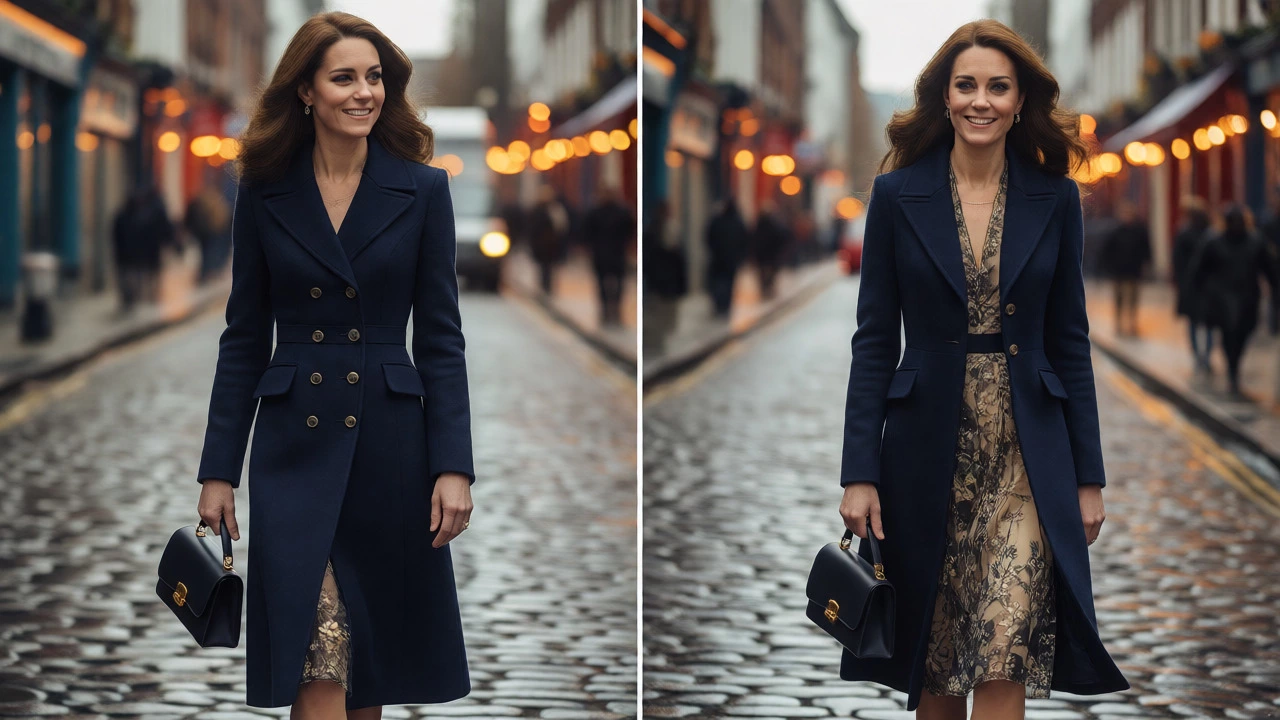
Living in Ireland, our weather dictates our style. We need layers. We need durability. Kate’s strategy aligns perfectly with the needs of women from Belfast to Kerry. She prioritizes silhouettes that work in wind and rain. Her trench coats are iconic, but so are her wool-blend dresses that hold shape despite the damp.
If you’re looking to emulate her look, start by auditing your closet. Do you have pieces that serve multiple purposes? Kate’s “uniform” includes tailored trousers, simple knits, and shift dresses. These are staples you can find in stores like Penneys (where she has been spotted buying basics) or higher-end boutiques in Dublin. The secret isn’t the price tag; it’s the fit. Kate spends significant time ensuring her clothes are altered to perfection. A €50 dress tailored to your exact measurements looks far better than a €500 dress off the rack.
The Financial Reality: Did Marriage Change Everything?
Technically, yes. Upon marrying Prince William, Kate gained access to the Sovereign Grant and the Duchy of Cornwall income. However, much of her wardrobe is now covered by the Royal Household, meaning she doesn’t personally pay for most of her official outfits. But this also means she has less freedom. She must adhere to strict dress codes set by protocol officers.
Before marriage, she had autonomy. After marriage, her style became a diplomatic tool. Every color choice, every brand selection sends a message. Yet, she retains her middle-class instinct for relatability. When she visits a hospital in Cork or opens a school in Limerick, she wears accessible brands. Why? Because it connects with the audience. She knows that appearing too distant or overly luxurious can create a barrier. Her pre-marital upbringing taught her the power of approachability.
Practical Tips for Channeling Kate’s Style on an Irish Budget
You don’t need to live in Buckingham Palace to dress like the Princess of Wales. Here is how to apply her principles right here in Ireland:
- Invest in Tailoring: Find a good seamstress in your town. Altering hems and taking in waists transforms cheap garments into custom fits.
- Embrace Neutrals: Kate’s palette is dominated by navy, black, white, and beige. These colors mix easily and look expensive regardless of cost.
- Shop Sales Strategically: Like any savvy shopper, Kate waits for discounts. Keep an eye on end-of-season sales in November and July.
- Focus on Quality Fabrics: Look for natural fibers like cotton, wool, and linen. They breathe better and last longer, essential for our variable climate.
- Accessories Matter: A simple dress can be elevated with a quality belt or classic heels. Kate rarely over-accessorizes; less is more.
Ultimately, asking "was Kate Middleton rich" misses the point. She was privileged, educated, and supported by a loving, hardworking family. That foundation gave her confidence and taste, not just cash. As you curate your own collection of evening dresses and everyday wear, remember that style is about intention, not inheritance. Whether you’re sipping tea in a Galway café or attending a gala in Dublin, dressing with purpose is what truly commands respect.
How much was the Middleton family worth before the wedding?
Estimates vary, but the Middleton family's net worth was believed to be in the tens of millions of pounds due to the success of Party Pieces. However, this was business equity, not liquid aristocratic wealth, making them comfortably upper-middle-class rather than ultra-high-net-worth individuals like traditional peers.
Does Kate Middleton pay for her own clothes?
For official royal engagements, the Royal Household covers the cost of her outfits. However, for personal events or items bought before her full integration into the royal funding system, she or her family may have paid. She is known to keep many gifts and personal purchases.
What brands does Kate Middleton wear that are available in Ireland?
Kate frequently wears brands available in Ireland such as Zara, H&M, Reiss, and Hobbs. She also supports British designers like Alexander McQueen and Jenny Packham, whose collections are stocked in major Irish department stores like Brown Thomas and Arnotts.
Why does Kate Middleton re-wear dresses?
Her re-wearing habits stem from her middle-class upbringing which emphasized value and sustainability. It also serves a strategic purpose, showing humility and relatability to the public, contrasting with the perception of wasteful extravagance sometimes associated with royalty.
Did Kate Middleton work before becoming a royal?
Yes, she worked as an accessory buyer at Jigsaw in London and helped run the family business, Party Pieces. This professional experience influenced her sharp eye for retail trends and her ability to connect with mainstream fashion consumers.