Ireland Sportswear Dominance Calculator
How much does sportswear dominate your wardrobe? Answer these questions based on the article's key drivers to find out your "Athleisure Score".
Result Title
Your Analysis:
Description goes here.
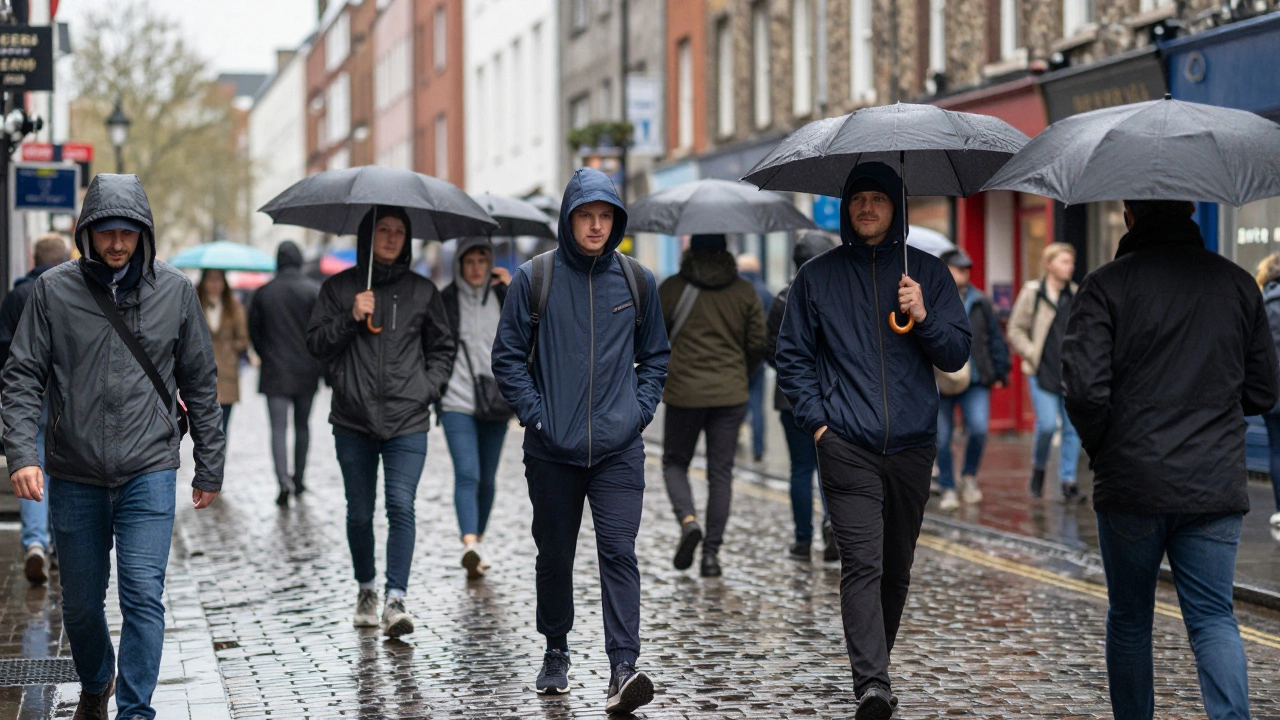
Walk down Grafton Street in Dublin on a rainy Tuesday morning, and you’ll notice something distinct. You won’t see many people in suits or formal coats. Instead, the crowd is clad in moisture-wicking fabrics, high-quality sneakers, and branded hoodies. This isn’t just a coincidence; it’s a cultural shift. Sportswear has moved from the gym locker room to become the default uniform for daily life across Ireland. But why? Is it just because we’re lazy, or is there a deeper connection between our weather, our traditions, and our closets?
The rise of sportswear in Ireland is driven by a perfect storm of practicality, cultural heritage, and global fashion trends. We are a nation that values comfort without sacrificing style, especially when the Atlantic wind is trying to blow us off our feet. Let’s break down exactly why this trend has taken root so deeply in our streets, from the bustling city centers to the quiet villages.
The Weather Factor: Function Over Form
Let’s be honest about the Irish climate. It’s unpredictable. One minute you’re basking in rare sunshine in Galway, and the next, you’re dodging hailstones in Cork. Traditional clothing simply doesn’t cut it here anymore. A heavy wool coat is great for warmth but terrible if you start sweating during a brisk walk to catch a bus. A thin summer dress leaves you shivering within minutes of stepping outside.
Technical fabrics, originally designed for athletes, offer the perfect solution. Materials like Gore-Tex or proprietary blends used by brands like Nike and Adidas provide waterproofing, breathability, and insulation all in one layer. For the average Irish person commuting on the Luas in Dublin or cycling through Kilkenny, these features aren’t luxury perks-they’re necessities. The ability to transition from a warm office to a cold, wet street without changing clothes makes sportswear the most logical choice for daily survival.
The GAA Influence: A National Uniform
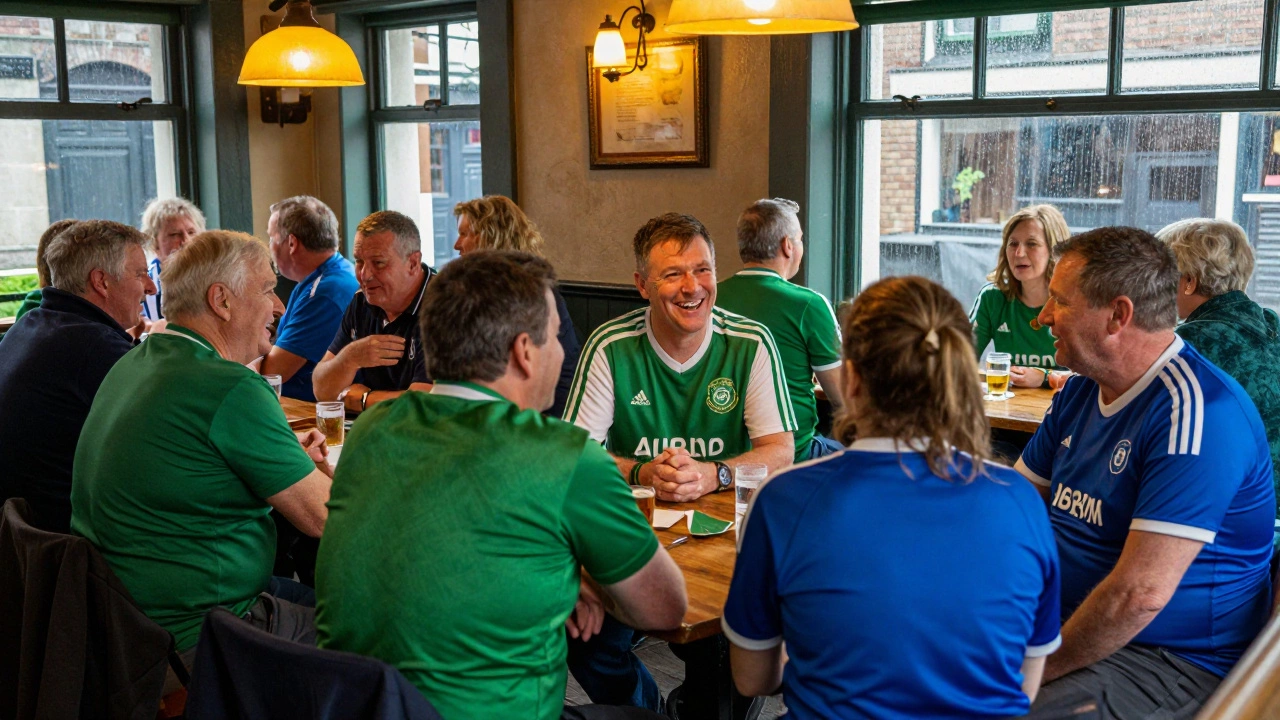
You cannot talk about sportswear in Ireland without mentioning the Gaelic Athletic Association (GAA). The GAA is more than a sports organization; it’s a community pillar. Every county has its own team, colors, and passionate fanbase. Wearing your county’s jersey or tracksuit is a badge of honor and identity.
In rural areas and small towns, seeing someone in a Kerry green or Dublin blue top is common even on non-match days. This normalizes athletic wear as everyday attire. Unlike other countries where soccer jerseys might be seen as costume-like if worn casually, in Ireland, GAA gear is accepted as legitimate streetwear. This cultural acceptance paves the way for broader adoption of athletic brands. If wearing a sports kit is socially acceptable, then wearing a sleek Nike hoodie to the shops is a natural progression.
| Factor | Impact on Popularity | Local Example |
|---|---|---|
| Weather Adaptability | High | Waterproof jackets for coastal winds in West Clare |
| Cultural Identity | Very High | GAA county jerseys worn in pubs and streets |
| Workplace Casualization | Moderate to High | Tech startups in Dublin Docklands allowing smart-casual attire |
| Health Consciousness | Growing | Rise of running clubs like "RunDub" and outdoor yoga sessions |
The Rise of Athleisure and Urban Style
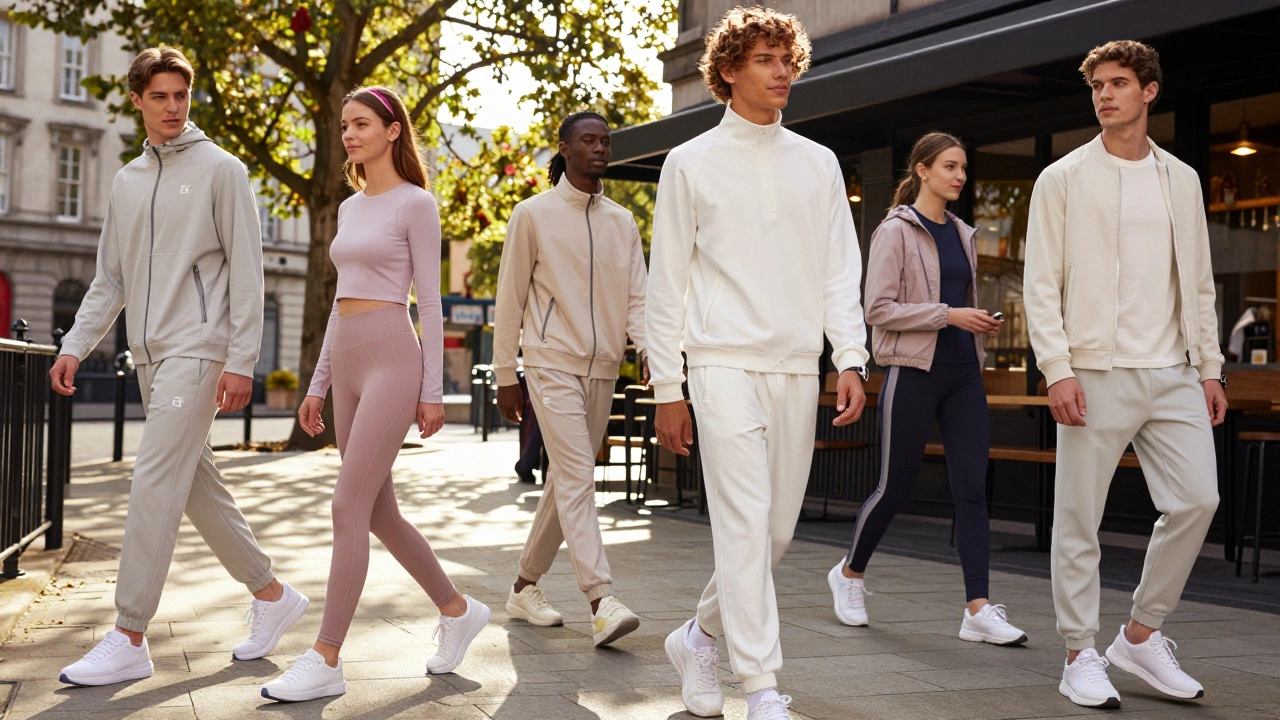
While the GAA provides the foundation, global fashion trends have built the skyscraper. The concept of Athleisure-clothing that bridges the gap between workout gear and leisure wear-has been embraced enthusiastically by Irish consumers. Brands like Lululemon and Alo Yoga have found a strong foothold in urban centers like Dublin, Cork, and Galway.
This trend is particularly strong among younger demographics. For students at Trinity College or UCC, looking polished while staying comfortable is key. A pair of tailored joggers paired with a designer sneaker and a minimalist jacket is the standard outfit for lectures, coffee runs, and evening socializing. The line between "going to the gym" and "going out" has blurred completely. You can hit the weights at a local Fitness First or PureGym and then head straight to a pub in Temple Bar without needing to change.
Sustainability and Local Innovation
Ireland is increasingly conscious of environmental issues, and this is influencing fashion choices. Many traditional fashion brands rely on fast-fashion models that are resource-intensive. In contrast, modern sportswear brands are investing heavily in sustainability. Recycled plastics, organic cotton, and durable materials that last longer appeal to the eco-conscious Irish consumer.
Furthermore, there’s a growing appreciation for local innovation. While global giants dominate, Irish-designed activewear brands are emerging. These smaller labels often focus on quality over quantity, using ethical manufacturing processes. Shoppers in independent boutiques in areas like Smithfield or the English Market in Cork are starting to seek out these locally relevant options that combine performance with a sense of place.
The Role of Social Media and Influencers
Instagram and TikTok have accelerated the adoption of sportswear. Irish influencers and fitness personalities showcase outfits that look good in photos and perform well in real life. When you see a popular local blogger posting from a hike in the Wicklow Mountains or a run along the Phoenix Park canal, their attire becomes aspirational.
This visual culture reinforces the idea that sportswear is stylish. It’s not just about function; it’s about aesthetics. The clean lines, bold logos, and vibrant colors of athletic brands fit perfectly into the curated feeds that many Irish users follow. This digital validation encourages offline purchasing behavior, driving foot traffic to retailers like Decathlon, JD Sports, and flagship stores in major shopping centers.
Economic Practicality
Finally, let’s talk money. Ireland faces cost-of-living pressures, and clothing is no exception. Sportswear often offers better value for money compared to formal wear. A high-quality pair of trainers and a versatile jacket can serve multiple purposes: commuting, exercising, casual meetings, and weekend trips. Formal suits and dresses require dry cleaning, careful storage, and are often limited to specific occasions. Sportswear is machine-washable, durable, and adaptable. For families and individuals managing tight budgets, the versatility of athletic wear makes it an economically sound investment.
Is sportswear appropriate for work in Ireland?
It depends on your industry. In creative sectors, tech startups, and casual offices in Dublin and Cork, smart sportswear (like plain joggers and clean sneakers) is often acceptable. However, traditional corporate roles in finance or law still require formal business attire. Always check your company’s dress code policy.
Where can I buy affordable sportswear in Ireland?
For budget-friendly options, Decathlon is a top choice across the country. JD Sports and Foot Locker frequently offer sales on major brands. Additionally, outlet malls like Designer Village in Dublin or Limerick Outlet Centre provide discounted prices on premium brands like Nike and Adidas.
How does Irish weather affect sportswear choices?
The frequent rain and wind mean that waterproof and windproof layers are essential. Look for jackets with sealed seams and breathable membranes. Layering is key: a moisture-wicking base layer, an insulating mid-layer, and a protective outer shell will keep you comfortable in variable conditions.
Are there any Irish-made sportswear brands?
Yes, though they are niche. Brands like "Irish Active" and various small designers in Dublin focus on high-quality, ethically made activewear. Supporting these local businesses helps reduce carbon footprint associated with shipping and promotes domestic craftsmanship.
Will the sportswear trend continue in Ireland?
Absolutely. With increasing health awareness, remote work flexibility, and the enduring unpredictability of the climate, sportswear’s dominance is likely to grow. Future trends may include more integration of technology, such as heated fabrics or smart tracking features, further embedding these garments into daily life.