Irish Leather Shoe Matcher
Navigate the damp Irish climate with confidence. Select your primary use case and environment to find the ideal balance of softness, durability, and water resistance.
Awaiting Input...
Choose your usage and comfort priority above to see which leather suits your needs best.
You know that feeling when you walk into a shop in Grafton Street or on Henry Street, see a pair of boots that look incredible, but your feet immediately start protesting before you’ve even tried them on? We’ve all been there. In Ireland, where our weather demands sturdy footwear but our social lives demand style, finding the softest leather isn’t just about luxury-it’s about survival against the damp and the long walks from the pub to the taxi rank.
If you are asking "what is the softest leather for shoes," the short answer is usually calfskin, specifically full-grain or nappa-finished calfskin. But it’s not that simple. The softness depends on how the hide was tanned, what animal it came from, and whether it’s been broken in. For those of us navigating the cobblestones of Dublin or the muddy trails of Connemara, knowing the difference between stiff cowhide and buttery lambskin can save your blisters and your budget.
The Contenders: Ranking Leathers by Softness
Not all hides are created equal. When we talk about softness, we are talking about flexibility, suppleness, and how quickly the material conforms to the unique shape of your foot. Here is how the main types stack up, from the absolute softest to the sturdiest.
| Leather Type | Softness Level (1-5) | Durability | Best For | Irish Climate Suitability |
|---|---|---|---|---|
| Lambskin | 5 (Extremely Soft) | Low | Liners, gloves, delicate loafers | Poor (absorbs water easily) |
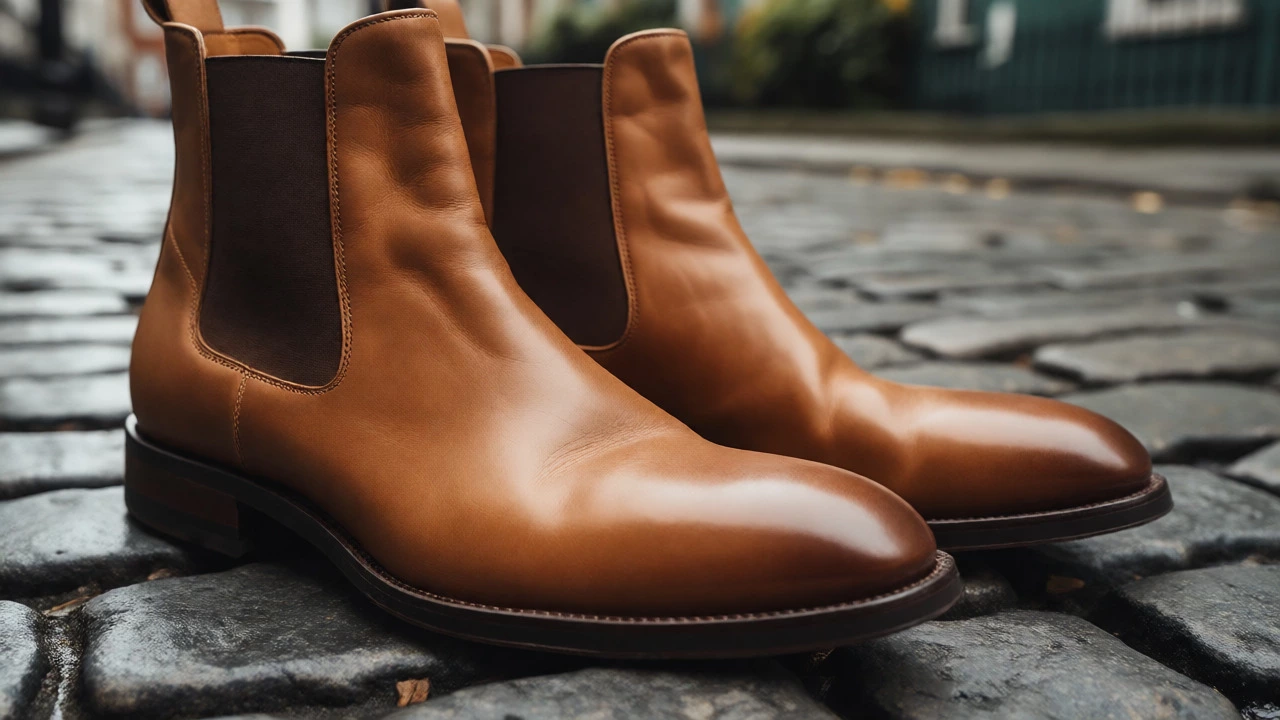
| Calfskin (Nappa) | 4.5 (Very Soft) | Medium-High | Everyday dress shoes, Chelsea boots | Good (with treatment) |
| Suede (Calf) | 4 (Soft & Plush) | Medium | Casual wear, desert boots | Moderate (needs protection) |
| Goatskin | 3.5 (Supple) | High | Hiking shoes, rugged casuals | Excellent (water-resistant) |
| Cowhide (Full Grain) | 2 (Stiff initially) | Very High | Work boots, heavy winter wear | Superior (long-lasting) |
Why Calfskin Wins for Most People
While lambskin is technically softer, it is also fragile. If you try wearing lambskin loafers during an Irish drizzle, they will warp and stain within minutes. That is why calfskin remains the gold standard for the Irish market. It offers the perfect balance: it feels like butter against your skin but holds its shape well enough to handle daily wear.
Look for terms like "Nappa" or "Box Calf" on labels. Nappa leather is treated with special oils and fats during the tanning process to keep the fibers loose and flexible. This is crucial if you have wide feet or bunions, common issues among older populations in Galway and Cork. Box calf, often used in high-end bespoke shoes, has a glossy finish but retains that initial stiffness that breaks in beautifully over a few weeks.
The Suede Factor: Comfort vs. The Rain
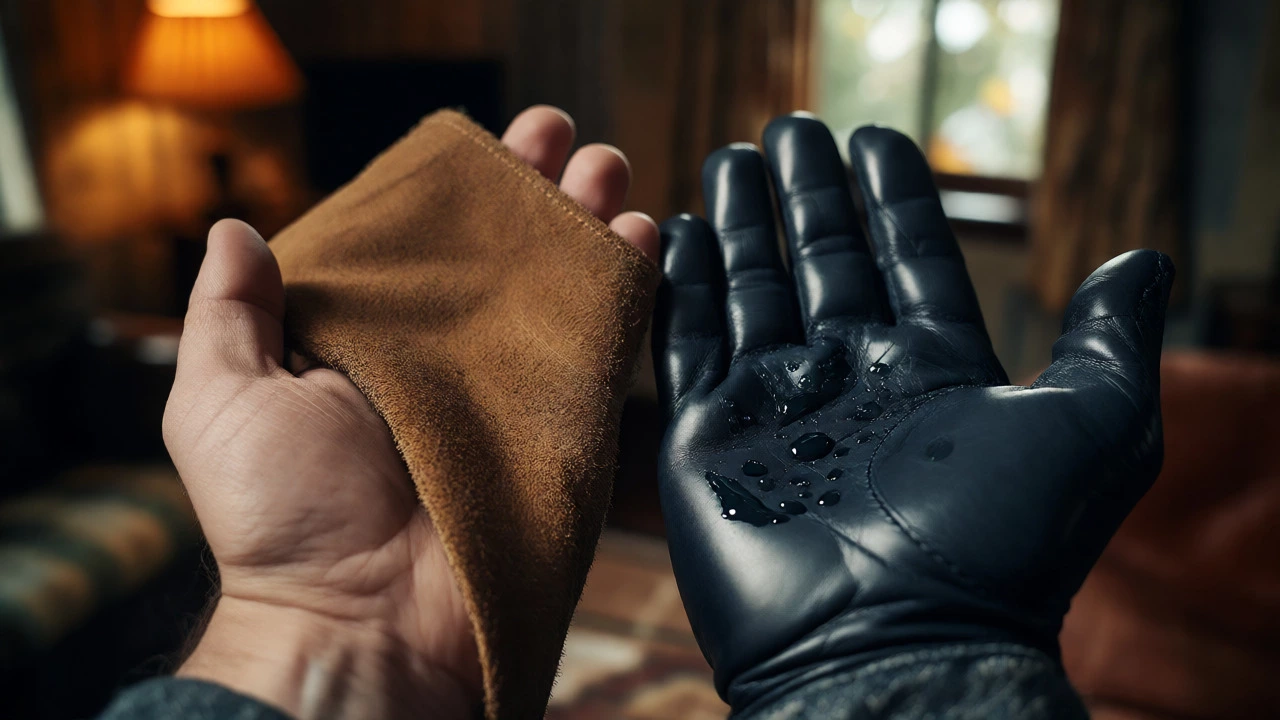
In Ireland, we have a complicated relationship with suede. On one hand, it is incredibly soft and breathable. On the other, it acts like a sponge in rain. However, modern treatments have changed the game. Brands now use hydrophobic sprays that repel water without hardening the fibers.
If you live in a coastal area like Sligo or Kerry, where the wind carries salt and moisture, untreated suede might not be your best friend. But if you work indoors in an office in Dublin City Centre, a pair of soft suede chukkas offers superior comfort compared to polished leather. They mold to your foot almost instantly. Just remember: once they get wet, stuff them with newspaper and let them dry away from direct heat. Never put wet suede near a radiator; it turns the leather brittle and defeats the purpose of buying soft leather in the first place.
Tanning Methods Matter More Than You Think
Here is a secret most sales assistants won’t tell you: the method of tanning determines softness more than the animal source. Vegetable-tanned leather uses natural tannins from tree bark. It is eco-friendly and smells amazing, but it starts out stiff. It takes months to break in.
Conversely, Chrome-tanned leather uses chromium salts. This process is faster and results in a much softer, more pliable hide right off the shelf. For most consumers looking for immediate comfort, chrome-tanned calfskin is the practical choice. While some purists argue vegetable-tanned ages better, if you want shoes that feel good on day one, stick to chrome-tanned options. Many Irish brands, such as those found in independent boutiques along Westbury Avenue, prioritize this balance for their everyday collections.
Local Context: Buying Shoes in Ireland
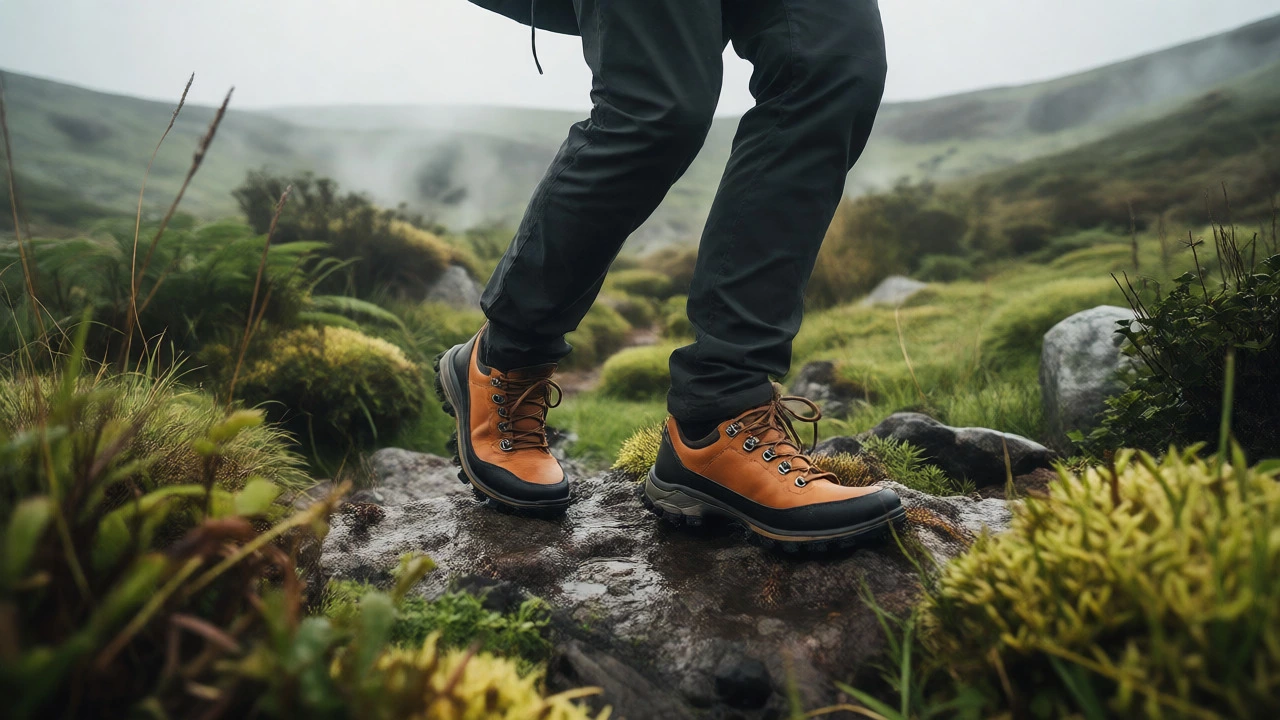
When shopping locally, consider the specific needs of Irish geography. If you spend time walking on uneven ground-like the Burren in Clare or the Wicklow Mountains-you need softness that doesn’t compromise support. Purely soft leathers like lambskin offer zero structural support. They collapse under pressure.
For these scenarios, look for goatskin. It has a distinctive grain pattern and is naturally water-resistant due to lanolin content. It is softer than cowhide but tougher than calfskin. Many hiking shoe manufacturers use goatskin linings because they wick away sweat while remaining supple. This is vital when you are dealing with the humidity typical of an Irish autumn.
Also, consider the "break-in" period. In many parts of Europe, people accept stiff new shoes. In Ireland, given our active lifestyles and reliance on public transport or walking between venues, we tend to prefer immediate comfort. Check return policies carefully. Shops like Brown Thomas or smaller independents in Galway’s Latin Quarter often allow exchanges if the fit isn’t right after a week of indoor wear. Use this to test the softness. Walk around your house for an hour. If your toes pinch, no amount of softness will fix a bad last (the mold the shoe is built on).
Caring for Soft Leather in Damp Climates
Owning soft leather shoes requires maintenance, especially here. Moisture is the enemy of longevity, even for soft hides. To keep your calfskin or suede shoes soft and supple:
- Use Cedar Shoe Trees: These absorb moisture from the inside, preventing the leather from drying out and cracking. They also help maintain the shape.
- Condition Regularly: Apply a neutral leather conditioner every 4-6 weeks. Look for products containing beeswax or mink oil, which penetrate deep into the fibers rather than sitting on top.
- Rotate Your Pairs: Never wear the same pair two days in a row. Leather needs 24 hours to dry out completely. Wearing them consecutively traps sweat, leading to odor and degradation of the soft fibers.
- Protect Before Rain: Apply a silicone-free waterproofing spray to suede and nubuck. Silicone can clog pores, making the leather feel plastic-like over time.
Ignoring this care routine turns expensive soft leather into stiff, cracked waste. In our climate, prevention is cheaper than replacement.
Common Myths About Soft Leather
Many people believe that thicker leather means higher quality. Not always true for comfort. A thin, high-quality calfskin upper will often outperform a thick, cheap bonded leather in both durability and feel. Another myth is that synthetic materials are softer. While faux leather can be soft initially, it lacks breathability. Your feet will sweat more, causing friction and blisters, negating the benefit of the soft surface.
Also, don't confuse "stretchiness" with "softness." Some cheap leathers stretch easily but lack resilience, meaning they bag out at the heel and toe after a month. Good soft leather stretches slightly to accommodate your foot, then springs back to its original shape.
Is lambskin too fragile for Irish winters?
Yes, generally speaking. Lambskin is extremely soft but absorbs water quickly and tears easily. In Ireland's wet and windy conditions, lambskin shoes are best reserved for dry days or indoor events. For daily wear, calfskin or goatskin provides a better balance of softness and resilience against the elements.
How do I soften stiff leather shoes quickly?
Wear thick wool socks and use a hairdryer on a low-medium setting to warm tight areas for 20-30 seconds while flexing your foot. Then, apply a leather conditioner immediately after cooling. Repeat this process 2-3 times. Avoid soaking the shoes, as this can damage the structure.
Does suede require different care than smooth leather?
Absolutely. Suede should never be brushed when wet. Let it dry fully, then brush gently with a suede brush to raise the nap. Smooth leather benefits from polishing and cream conditioners, whereas suede needs specialized sprays and brushes to maintain its soft texture without matting down.
Are expensive shoes always made of softer leather?
Not necessarily. Price often reflects brand prestige, design complexity, or sole construction (like Goodyear welted soles) rather than just leather softness. Some affordable brands use high-quality chrome-tanned calfskin that is very soft, while some luxury brands use stiff full-grain leather that requires a long break-in period. Always check the material composition and reviews regarding comfort.
Can I wear soft leather shoes in the rain in Dublin?
You can, but with caution. Treat your soft calfskin shoes with a waterproof protector regularly. Avoid standing in puddles. If they get soaked, remove the insoles, stuff them with paper, and let them air dry slowly. Never use direct heat sources like radiators, as this will shrink and stiffen the soft leather.