Irish T-Shirt Size & Fit Finder
Your Recommended Size:
Fill in the details and click calculate to see your recommended Irish fit.
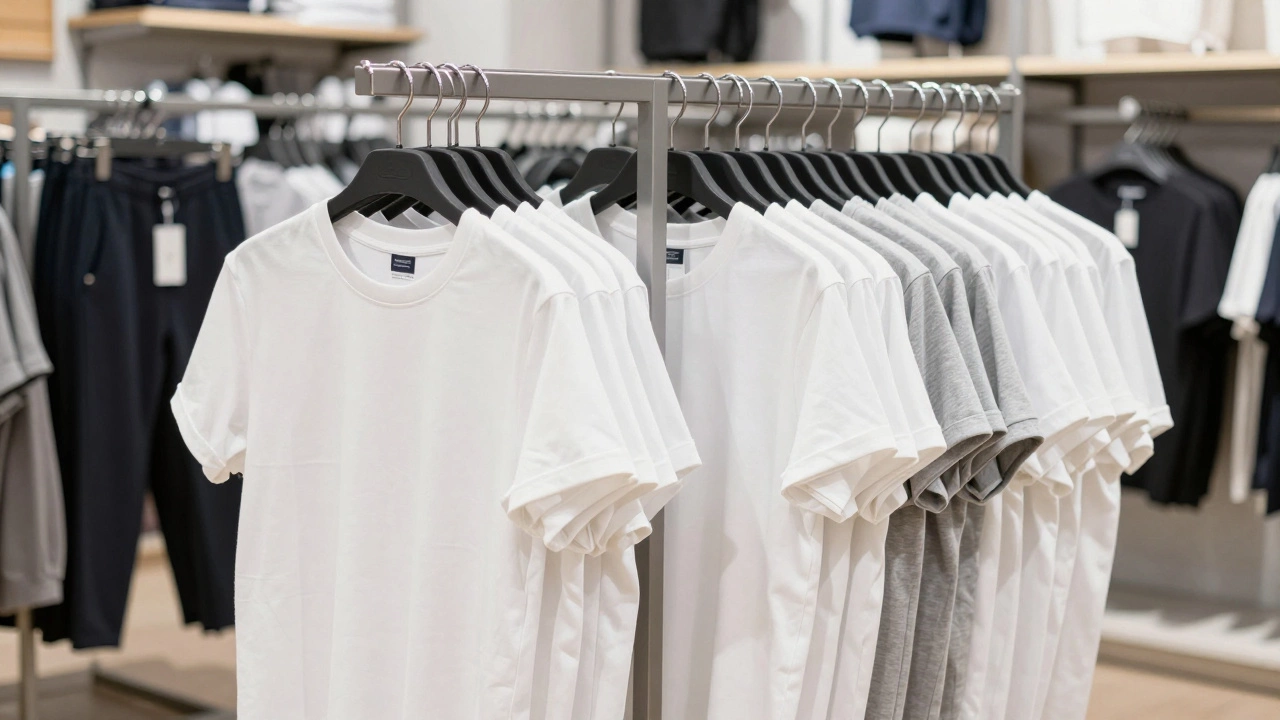
Ever wonder why the Mediums are always gone first at the Penneys in Grafton Street or why you're struggling to find a Large that actually fits in a local boutique? If you're trying to stock a brand or just wondering if you're the "average" shape, the answer isn't as simple as picking one letter. When we look at the most worn t-shirt size in Ireland, we have to account for a population that's leaning more toward athletic builds in some areas and a preference for a looser, "comfort-first" fit in others.
Quick Takeaways for Irish Fit
- The Heavy Hitters: Medium and Large dominate the Irish market, often accounting for over 60% of total sales.
- The Trend: There is a significant shift toward "Oversized" fits among Gen Z in Dublin and Cork.
- The Gap: Extra-Small (XS) is frequently understocked and sells out fastest.
- Sizing Variance: European sizing (EU) is the standard, but US-style "vanity sizing" is creeping into high-street brands.
The Numbers: What Actually Sells Most?
If you walk into any clothing warehouse in the Midlands, you'll see a bell curve. For men in the Republic of Ireland, the Medium and Large sizes are the undisputed kings. Based on retail data from major Irish distributors, Medium usually takes the top spot, followed closely by Large. This is driven by the average height and build of the Irish male, who tends to be slightly taller than the Mediterranean average, making Small sizes less common.
For women, the distribution shifts. The Medium and Large sizes are still the most common, but there's a much higher volume of Small sales compared to the men's category. However, a weird quirk of the Irish market is the "bridge size." Many people who fall between a Medium and Large will either size up for comfort (especially when layering for a damp Galway morning) or size down for a more tailored look under a blazer.
Why Location Matters for Sizing
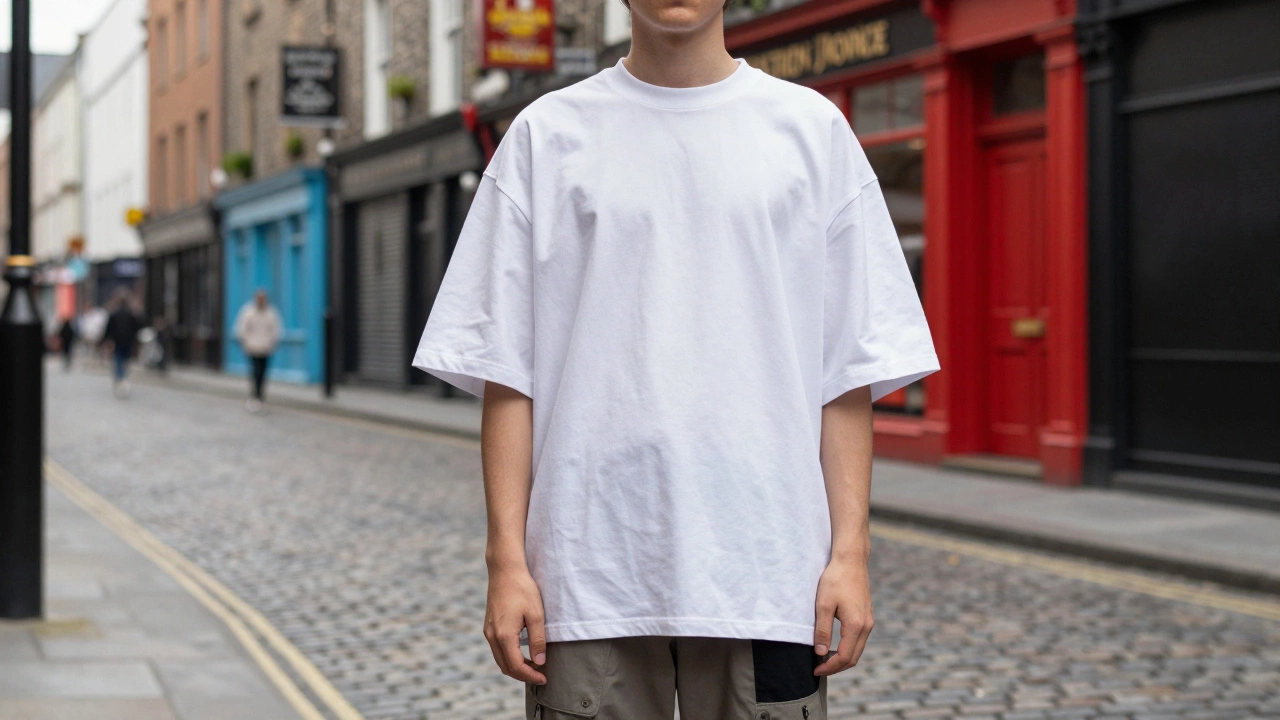
Sizing isn't just about biology; it's about culture. In cities like Dublin, where the "streetwear" scene is massive, the preference has shifted toward the Oversized Fit. You'll see this everywhere in the Digital Hub or around Temple Bar-younger crowds are intentionally buying two sizes up from their actual measurement to get that baggy, dropped-shoulder look. This means that while a person might technically be a Medium, they are actually wearing an XL.
In more rural areas, the preference remains for a "Standard Fit." A farmer in Mayo or a professional in Limerick is more likely to stick to the size that matches their chest measurement exactly. This creates a split in the market: one group buying for the silhouette and another buying for the utility.
| Size | Demand Level | Typical Buyer Profile | Common Fit Issue |
|---|---|---|---|
| Small (S) | Moderate | Lean builds / Teens | Often too short in length |
| Medium (M) | Very High | Average build | Tightness in the shoulders |
| Large (L) | Very High | Broad/Taller builds | Too wide in the waist |
| XL & Above | Steady | Bigger frames / Oversized trend | Sleeve length too long |
The Impact of Brand Origin on Fit
One reason you might feel your size is "wrong" is the difference between EU Sizing and US or UK sizing. In Ireland, we deal with a mix. Brands like Penneys (Primark) generally follow a standard European scale, which can feel tighter than an American brand like Gap or Nike. If you're buying a t-shirt from a US-based brand, a Medium often fits like an Irish Large.
This is a nightmare for local Irish designers. If they source blanks from Turkey or China, the sizing might be "slim fit," which doesn't always suit the broader shoulders common in the Irish population. A "slim fit" Medium from a European supplier might feel like a Small to someone used to wearing oversized tees from a brand like Adidas or Nike.
Fabric Matters: The Shrinkage Factor
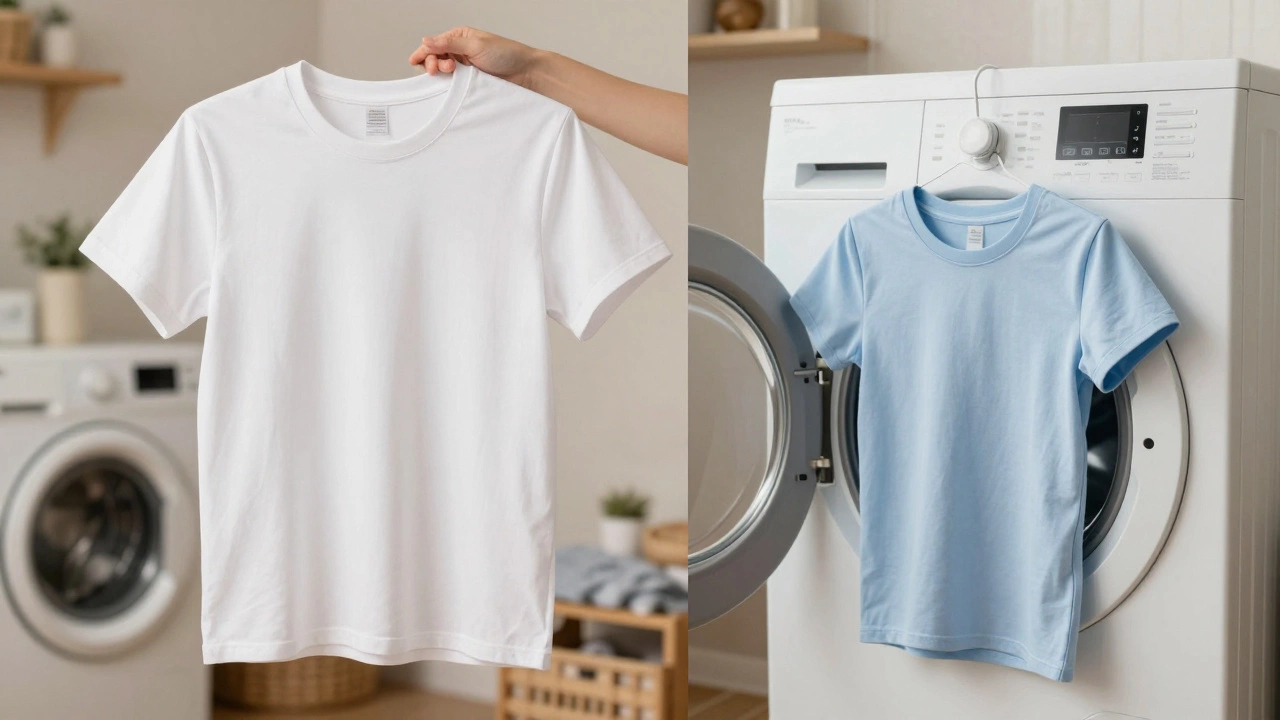
We can't talk about t-shirt sizes in Ireland without talking about the laundry. Most Irish homes use combined washer-dryers. High-heat drying is a common habit, and this is where the "most worn size" becomes a moving target. A 100% cotton t-shirt bought as a Large will often shrink into a Medium after three cycles in a hot dryer.
This is why many Irish shoppers intentionally "size up." If you're a Medium, you buy a Large because you know that after a few washes, it'll be the perfect fit. This inflates the sales numbers for larger sizes, making them appear more "worn" than they actually are based on body measurements alone.
Practical Guide: How to Pick Your Size
If you're unsure what to buy, stop relying on the letter on the tag. Instead, use a few simple rules of thumb based on how we actually wear clothes here:
- The Layering Test: If you plan to wear the shirt under a wool jumper or a puffer jacket during a rainy November in Cork, go for a slim-fit Medium. You don't want excess fabric bunching up under your layers.
- The Summer Event Rule: For festivals like Electric Picnic or outings to the seaside in Bundoran, go for the oversized fit (Large or XL). It's more breathable and fits the current fashion vibe.
- The Fabric Check: Check the tag for "Pre-shrunk" or "Sanforized." If it isn't pre-shrunk, add one size to your usual choice if you use a tumble dryer.

The Future of Sizing in the Irish Market
We're seeing a move away from the rigid S-M-L-XL system. More boutique shops in the Creative Quarter of Dublin are adopting "Boxy' or 'Relaxed' fits as separate categories. This solves the problem where a Medium is too tight in the chest but a Large is too long in the waist. By decoupling the width from the length, brands are finally meeting the actual physical needs of the Irish consumer.
Furthermore, the rise of sustainable fashion in Ireland-where people buy second-hand from vintage shops in Rathmines-is changing how we view size. Vintage tees from the 90s have a completely different cut than modern "fast fashion," often featuring shorter lengths and wider sleeves, which has actually helped popularize the boxy look we see today.
Which size t-shirt should I order for a general Irish audience?
If you are stocking a brand for the Irish market, prioritize Medium and Large. These two sizes typically make up the bulk of the demand. A safe ratio is often 1:2:2:1 (Small, Medium, Large, XL), though you should increase the XL proportion if you are targeting a younger, streetwear-oriented demographic.
Why do t-shirts from different brands fit differently in Ireland?
It comes down to the sizing standard used. European (EU) sizes tend to be more fitted and narrower. US sizes are generally larger due to "vanity sizing." Since Ireland imports from both, you'll find that a Medium from a US brand often feels like a Large from a European high-street brand.
Do Irish people prefer slim fit or relaxed fit?
It depends on the generation. Younger adults (Gen Z and Millennials) in urban areas like Dublin and Galway heavily prefer relaxed or oversized fits. Older demographics and those in rural areas generally stick to a standard or slim fit that follows the body's contour without being restrictive.
How does the Irish climate affect t-shirt size choice?
Because we layer so much due to the unpredictable weather, many people choose smaller, more fitted sizes for t-shirts to avoid bulk under sweaters. Conversely, the habit of using tumble dryers to dry clothes quickly in the damp climate leads many to size up to account for shrinkage.
Where can I find the most accurate size charts for Irish shoppers?
Look for brands that provide measurements in centimeters (cm) rather than just letters. Chest width (pit-to-pit) is the most reliable metric for the Irish build. If a brand provides an "EU Size Guide," it is usually a more accurate reflection of the fit you'll find in Irish stores than a generic global chart.
Next Steps for the Perfect Fit
If you're still struggling to find your match, try this: take your favorite fitting shirt, lay it flat on a table, and measure the width from armpit to armpit. Compare this number to the size chart of any new brand you're buying. It's the only way to bypass the confusion of the S-M-L system. For those starting a clothing line in Ireland, consider offering "Tall" versions of the Large and XL sizes, as there's a significant gap in the market for the taller-than-average Irish frame.