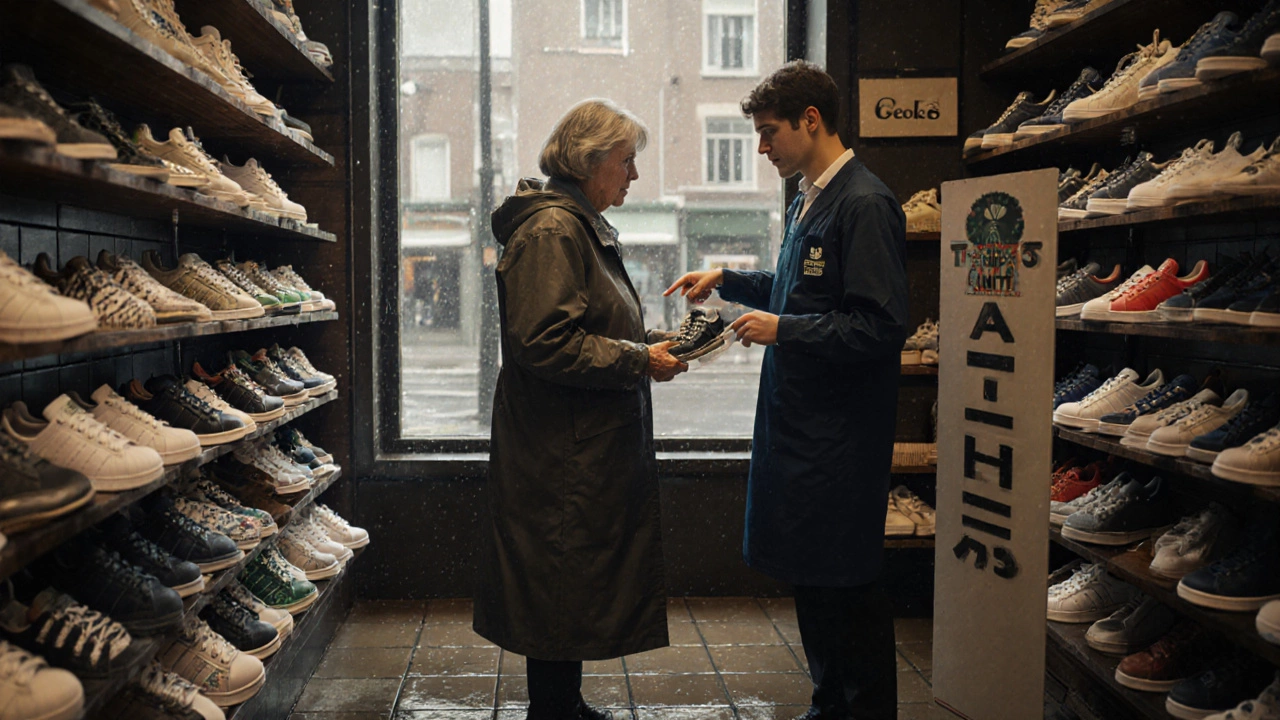
In Ireland, the word sneakers doesn’t quite land the way it does in the U.S. Walk into a shoe store in Dublin, Galway, or Cork, and you’re far more likely to hear someone ask for trainers-not sneakers. It’s not just a difference in accent; it’s a cultural divide in how we talk about everyday footwear. While American pop culture floods our screens with sneaker drops and sneakerhead hype, the Irish language of shoes has stayed stubbornly local, rooted in decades of British influence and practicality.
Trainers, Not Sneakers: The Irish Way
If you’re an expat who moved to Ireland from the States, you’ve probably caught yourself saying sneakers once too often-only to get a polite, slightly confused nod. Locals don’t say sneakers because they don’t need to. The word trainers has been the default since the 1970s, when brands like Adidas, Puma, and Reebok started marketing athletic shoes to schoolkids and weekend joggers across the UK and Ireland. That term stuck. You’ll hear it on the bus in Limerick, in the queue at Dunnes Stores, and even in casual chats at the pub in Clifden.Ask a teenager in Belfast what they’re wearing to school tomorrow, and they’ll say, My new Nike trainers. Ask a 60-year-old in Wexford about their walking shoes, and they’ll say, These trainers are good for the bog paths. Even in tourist-heavy areas like Killarney, shop assistants at O’Neills or Sports Direct label the aisle Trainers. The word sneakers feels foreign-not wrong, just out of place, like saying lift instead of elevator in New York.
Why the Divide? History and Influence
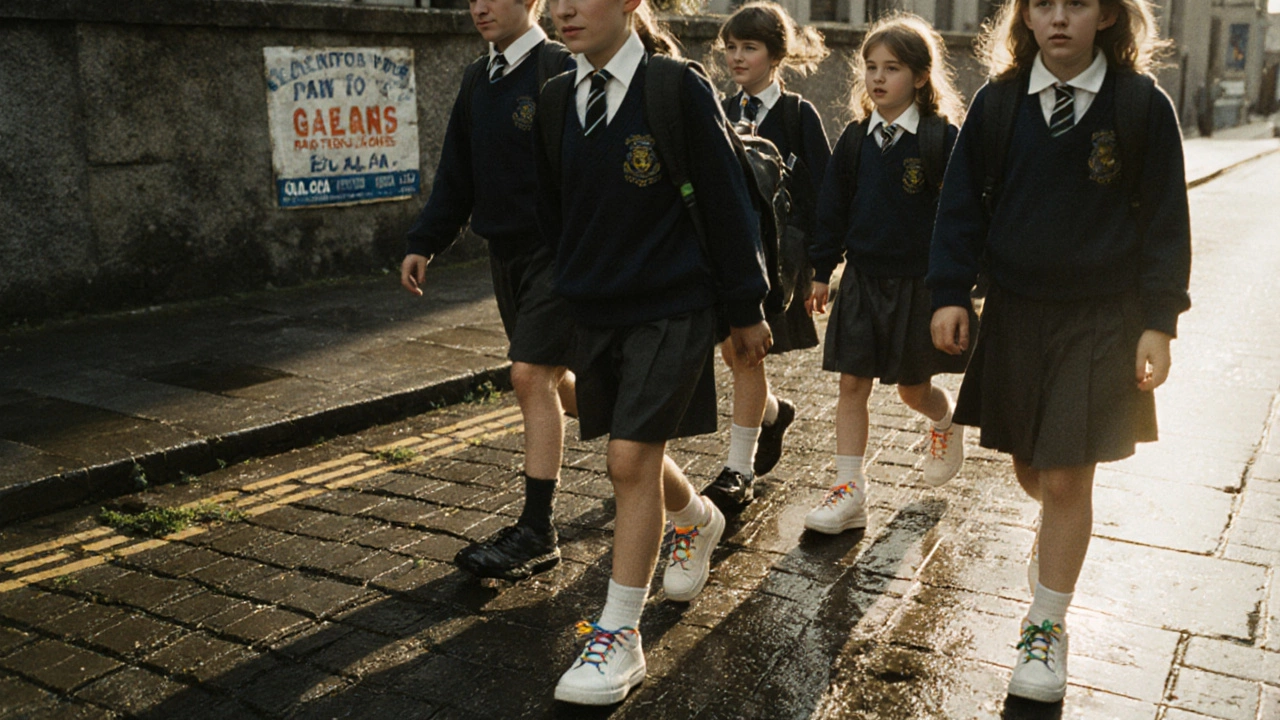
The reason Ireland says trainers instead of sneakers goes back to language roots. The term trainers comes from the British English word for footwear used in physical training-something tied to schools, sports clubs, and army drills. The word sneakers, on the other hand, originated in the U.S. in the late 1800s, referring to the quiet rubber soles that let you sneak around without making noise. That’s a very American idea: stealth, rebellion, street culture.Ireland’s footwear culture has always leaned more toward utility than subculture. While American sneaker culture exploded with basketball, hip-hop, and limited-edition drops, Ireland’s relationship with athletic shoes stayed grounded in everyday life: walking to school, hiking the Wicklow Way, commuting on the DART, or running errands in Galway city. Even today, the most popular trainers in Ireland aren’t the flashy Yeezys or Air Jordans-you’ll find more people in Adidas Stan Smiths, Clarks Originals, or Geox models that are comfortable for wet pavement and Irish rain.
What’s Actually Popular in Irish Wardrobes?
If you’re wondering what kind of footwear actually fills Irish closets, it’s not the hype-driven drops you see on Instagram. The top sellers in Ireland’s sportswear market are simple, durable, and weather-ready:- Adidas Superstar - Classic shell toe, worn by students and grandparents alike
- Clarks Desert Boot - Not technically a trainer, but often grouped with them for casual wear
- Geox D-Smile - Breathable soles for damp Irish weather
- On Cloud - Gaining traction among runners in Dublin’s Phoenix Park
- Merrell Moab - Hiking boots that double as everyday shoes in rural areas
Even Nike’s most popular model in Ireland isn’t the Air Force 1-it’s the Nike Revolution, a budget-friendly, lightweight trainer sold in bulk at SuperValu and Dunnes Stores. You’ll see them in the hands of parents dropping kids at primary schools in Tallaght, nurses on shift in Cork University Hospital, and retirees walking the promenade in Bray.
Is ‘Sneakers’ Ever Used in Ireland?
Yes-but only in specific contexts. You’ll hear sneakers in:- Online stores targeting international customers (like ASOS or Amazon UK)
- Marketing campaigns from American brands trying to appeal to younger, globally connected buyers
- Pop-up sneaker events in Temple Bar or Dundrum Town Centre, where influencers use American lingo to create buzz
At the 2024 Irish Streetwear Festival in Dublin, you’d hear a mix: local designers calling their products trainers, but American guest speakers talking about sneaker culture. The younger crowd-those under 25 who binge TikTok and follow Nike’s U.S. drops-do use the word sneakers. But even they’ll switch to trainers when talking to their parents or buying shoes at a local kiosk.
The Real Difference: Culture, Not Just Words
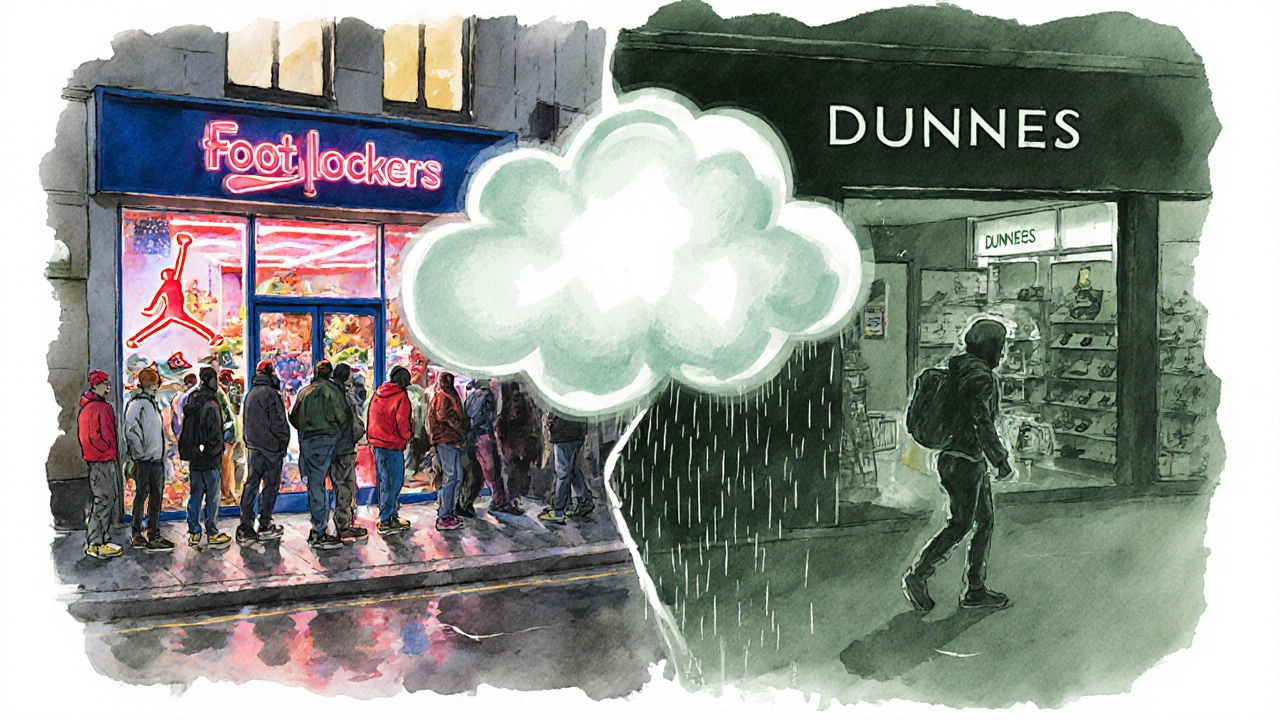
This isn’t just about vocabulary. It’s about how we relate to our shoes. In the U.S., sneakers are identity: limited editions, resale value, Instagram posts. In Ireland, trainers are endurance. They’re the footwear that lasts through three winters of rain, muddy fields at GAA matches, and long walks along the Cliffs of Moher. You don’t buy a pair of trainers to show off-you buy them to survive the weather and get through the day.Even the way we shop reflects this. In Ireland, you don’t queue outside Foot Locker at 5 a.m. for a new release. You buy your trainers during the January Sales at Debenhams, or grab a pair on sale at Boots or Primark. The idea of spending €200 on a pair of shoes just because they’re rare? That’s still seen as odd by most.
What Should You Say If You’re in Ireland?
If you’re visiting, living in, or doing business in Ireland, here’s the simple rule: Use ‘trainers’ unless you’re talking to someone clearly influenced by American culture. If you’re writing for an Irish audience-whether it’s a website, ad, or product label-stick with trainers. It’s not just correct; it’s respectful.That said, don’t panic if you slip and say sneakers. Most Irish people will understand you. They might even smile and say, Oh, you’re American? But if you want to blend in, sound local, or connect with customers, say trainers. It’s the quiet, practical word that’s been walking beside us for generations.
What’s Next for Footwear in Ireland?
As global trends trickle in, the line is blurring. Younger Irish consumers are more aware of sneaker culture than ever. Brands like New Balance and Vans now release Ireland-exclusive colourways-think Green & Grey drops inspired by the Burren or the Aran Islands. But even then, the packaging says Trainers, not Sneakers.The future? Probably a bilingual footwear language. Older generations will keep saying trainers. Teens might say sneakers online but trainers at home. And the market? It’ll keep selling durable, weather-tested shoes that don’t need hype to sell.
So, do people still say sneakers in Ireland? Not really. But if you’re asking because you want to fit in, understand the culture, or just buy the right pair of shoes-you already know the answer.
Do Irish people say sneakers or trainers?
Irish people overwhelmingly say "trainers." The word "sneakers" is understood, especially among younger people exposed to American media, but it’s not the default term. You’ll hear "trainers" in shops, schools, and casual conversation across the country.
Why don’t Irish people say sneakers?
The term "trainers" comes from British English, which heavily influenced Irish vocabulary. It refers to shoes used for physical training, and it became the standard in schools and sports clubs decades ago. "Sneakers" is an American term tied to street culture and marketing, which never took root the same way in Ireland’s more practical footwear culture.
Can I say sneakers in Ireland without sounding odd?
Yes, but you’ll stand out. Locals will understand you, especially in cities like Dublin or Cork where global brands are common. But if you want to sound natural, use "trainers." It’s not about being right or wrong-it’s about fitting into how people actually speak.
What are the most popular trainers in Ireland right now?
The most popular trainers in Ireland are the Adidas Stan Smith, Clarks Originals, Geox D-Smile, Nike Revolution, and Merrell Moab. These are chosen for comfort, durability, and suitability to Ireland’s wet weather-not for fashion hype.
Are there Irish brands that make trainers?
There aren’t many large Irish footwear brands, but smaller local designers like Irish Made and Claddagh Footwear have started releasing trainers with Irish-inspired designs-like Celtic knot soles or green leather accents. These are sold in independent shops in Galway, Derry, and Waterford, and are popular with locals who want something unique.