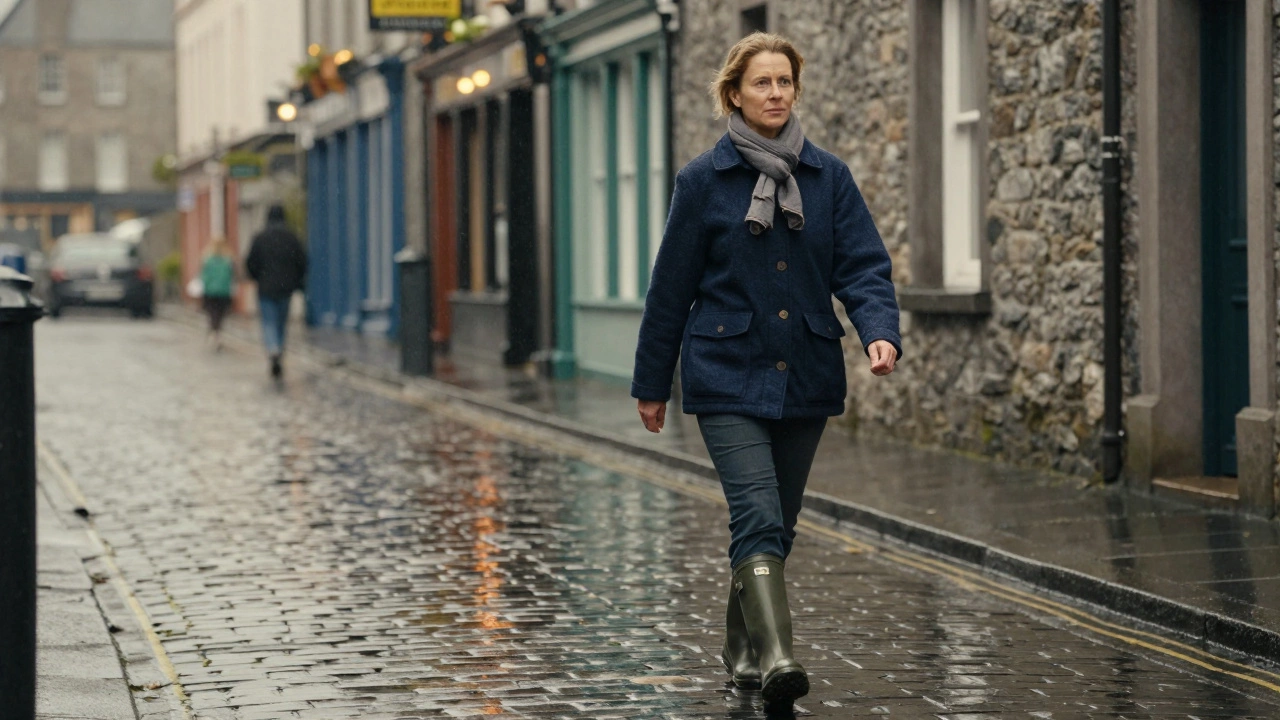
In Ireland, where the weather doesn’t wait for a forecast and rain can turn a sunny morning into a soggy afternoon by lunchtime, the right jacket isn’t just fashion-it’s survival. Among the many layers worn across Galway’s cobbled streets, Dublin’s bustling quays, and the windswept cliffs of the Wild Atlantic Way, the bobby jacket has quietly earned its place as one of the most trusted outerwear pieces for locals. But what exactly is a bobby jacket, and why does it still matter so much in modern Ireland?
What Is a Bobby Jacket?
The bobby jacket is a short, close-fitting coat, usually made from wool or a wool blend, with a collar that stands up or folds over slightly. It’s not flashy. It doesn’t have logos or bold patterns. It’s built for function, not fame. Originally designed in the 19th century for British police officers-hence the name, from "bobby," a slang term for a policeman-the jacket was later adopted by working-class communities across the UK and Ireland for its warmth, durability, and ease of movement.
In Ireland, it became a staple for farmers, fishermen, postal workers, and schoolteachers. You’d see it on men and women alike, tucked under a scarf, with sturdy boots on their feet and a thermos of tea in hand. It wasn’t about looking smart-it was about staying dry while walking to the market in Clonakilty, waiting for the bus in Sligo, or cycling to work in Cork.
Why It Still Works in Ireland’s Climate
Ireland’s weather is relentless. Average annual rainfall exceeds 1,000mm in most regions, and coastal areas like Dingle and Malin Head get far more. Temperatures rarely dip below freezing, but the damp chill cuts deeper than cold air alone. A heavy parka might trap sweat and feel too bulky for daily errands. A lightweight raincoat won’t hold heat. The bobby jacket strikes the perfect middle ground.
Its wool construction naturally wicks moisture and retains warmth even when wet. Unlike synthetic shells that can feel clammy, wool breathes. The short cut means it doesn’t drag on wet pavements or get caught on bike handlebars. And because it’s tailored to fit snugly, it layers easily under a longer coat when the wind picks up-something every Irish person learns by age 10.
Look around any local pub in Kilkenny on a Thursday evening, and you’ll spot a few bobby jackets hanging on coat racks. Not because it’s trendy. Because it’s reliable.
How It Differs From Other Irish Jackets
Ireland has no shortage of outerwear options. The Donegal tweed coat is elegant but heavy. The Irish waxed cotton jacket, made famous by brands like Barbour, is waterproof but stiff and expensive. The parka is warm but too bulky for city life.
The bobby jacket doesn’t compete with them-it complements them. It’s the jacket you wear when you’re running to the post office in Limerick, popping into a bakery in Bray, or catching the 8:15 train from Connolly Station. It’s not meant for a hike in the Wicklow Mountains. It’s meant for the 15-minute walk between home and work, rain or shine.
Where a Barbour might cost €200+, a well-made Irish wool bobby jacket from a local tailor like McGrath’s Tailors in Galway or Clare Weaving in Ennis can be found for under €120-and lasts a decade if cared for. Many families pass theirs down. You’ll often hear someone say, "This was my da’s. Still fits me fine."
Where to Find One in Ireland Today
You won’t find bobby jackets in fast-fashion chains like Primark or Zara. They’re not designed for seasonal trends. But you’ll find them in independent shops that still understand quality over quantity.
- McGrath’s Tailors in Galway makes custom wool bobby jackets using locally sourced yarn from the Aran Islands.
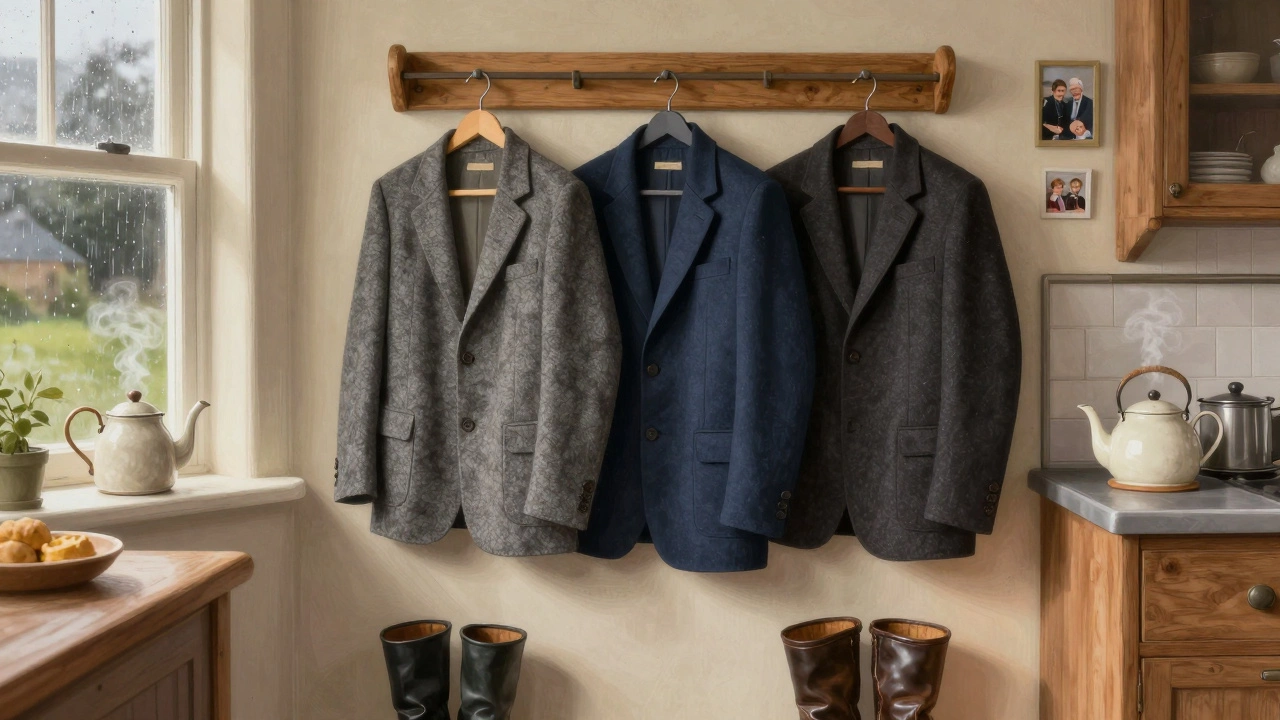
- Clare Weaving in Ennis offers pre-made versions in traditional heather grey, navy, and deep green-colors that blend into the Irish landscape.
- The Irish Workwear Co. in Waterford stocks vintage-style bobby jackets, some restored from 1950s stock.
- Local craft fairs like the Galway Market on Sundays often have artisans selling handmade versions, sometimes with hand-stitched buttons or lined with fleece.
Online, you can also find Irish-made options through Etsy sellers based in County Mayo or Donegal. Just look for "100% wool," "hand-finished," or "Made in Ireland"-avoid anything labeled "polyester blend" if you want the real thing.
How to Wear a Bobby Jacket in Modern Ireland
Wearing a bobby jacket today isn’t about dressing like your grandad. It’s about smart layering.
Start with a thin merino wool sweater or a long-sleeve thermal top. Add a cotton shirt underneath if it’s chilly. The bobby jacket goes on next. Then, if the wind is biting, throw on a longer waterproof shell over it-this is the classic Irish trick. You’ll see it on commuters in Dublin every morning.
Pair it with dark jeans, boots (preferably waterproof), and a wool scarf. No need for a hat-the collar does enough to block the wind. And don’t forget a small backpack or satchel. You’ll need it for your umbrella, your lunch, and that extra jumper you always end up carrying.
It’s the kind of outfit that looks put together without trying. No one will comment on it. But everyone will notice you’re not shivering.
Why It’s More Than Just a Jacket
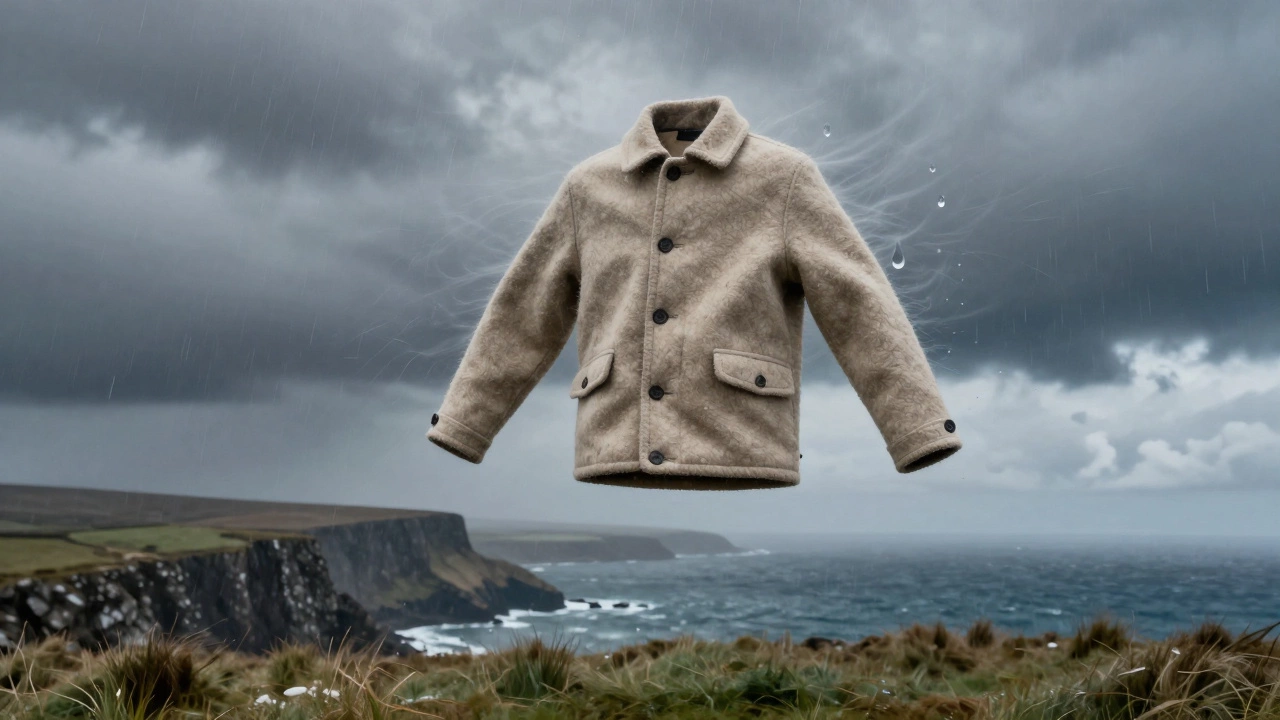
In Ireland, clothing often carries history. A bobby jacket isn’t just fabric and thread-it’s memory. It’s the coat your mum wore when she walked you to school in Letterkenny. It’s the one your uncle wore when he came home from the fishing boat in Killybegs. It’s the jacket that survived three winters, two moves, and a child’s paint splatter.
It’s also a quiet rebellion against disposable fashion. While global brands churn out new styles every six weeks, the bobby jacket endures. It’s repairable. It’s timeless. And in a country where weather changes faster than politics, that kind of consistency matters.
There’s no trend cycle for the bobby jacket. It doesn’t need one. It’s not here because it’s Instagrammable. It’s here because it works.
How to Care for Your Bobby Jacket
Wool needs gentle handling. Never machine wash. Brush off dirt with a soft clothes brush after each wear. If it gets wet, hang it to dry naturally-away from radiators. Heat shrinks wool and ruins the shape.
Every winter, take it to a local dry cleaner who understands wool. Ask for "hand-finish" and "steam press." Avoid dry cleaners that use harsh chemicals. A good one will charge €15-€20 and return it smelling clean, not chemical.
Button replacements? Keep a spare button sewn into the lining. Most Irish tailors will fix a button for free if you bring it in with the jacket.
Is It Still Relevant in 2026?
Yes. More than ever.
With climate change making Irish winters wetter and windier, and with growing awareness around sustainable fashion, the bobby jacket is having a quiet revival. Young designers in Belfast and Cork are reimagining it with modern cuts, but keeping the wool, the fit, and the purpose.
It’s the jacket you reach for when the forecast says "showers and gusts." It’s the one you buy when you’re tired of spending €150 on jackets that fall apart after two seasons. It’s the jacket that says, "I know how to live here."
If you’ve never worn one, try it. Find a secondhand version at a charity shop in Louth or a vintage stall in Kilkenny. Try it on. Walk around the block in the rain. See how it feels. You might just find your new favorite piece of Irish clothing.
Is a bobby jacket the same as a pea coat?
No. A pea coat is longer, usually double-breasted, and often made from heavier naval wool. It’s designed for colder, drier climates like the North Sea. The bobby jacket is shorter, single-breasted, and tailored for Ireland’s damp, mild winters. It’s lighter, easier to move in, and better for layering.
Can I wear a bobby jacket to work in Dublin?
Absolutely. Many professionals in Dublin’s creative industries, schools, and public services wear bobby jackets as part of their everyday look. Paired with dark trousers and loafers, it looks polished without being formal. It’s the unofficial uniform of practical Irish workwear.
Are bobby jackets only for men?
Not at all. Women in Ireland have worn bobby jackets for generations. Many modern versions are cut slightly narrower at the waist and come in softer colors like oatmeal, burgundy, or charcoal. They’re just as common on women in Cork or Galway as they are on men.
How long should a bobby jacket last?
With proper care, a wool bobby jacket made in Ireland can last 15 to 20 years. Some families have jackets passed down from grandparents. That’s the point-it’s built to outlast trends, not chase them.
What’s the best color for an Irish bobby jacket?
Navy, charcoal, and heather grey are the most popular. They match Ireland’s natural tones-stone walls, grey skies, and misty hills. Bright colors like red or yellow are rare because they don’t blend with the landscape or weather. Practicality wins over fashion here.