Irish Summer Fabric Finder
Not sure what to wear for that unpredictable Irish summer day? Answer these quick questions to find the perfect fabric for your comfort.
1. What is the main activity?
2. What are the weather conditions?
Why this choice?
You know that specific kind of humidity? It’s not the dry, scorching heat you see in travel brochures for Spain or Greece. In Ireland, summer heat hits differently. One minute you’re walking through St. Stephen’s Green in Dublin and feeling fine, the next you’re stuck on a Luas tram with no air conditioning, and your shirt is sticking to your back like a second skin. If you’ve ever tried to wear a synthetic blend during a July heatwave in Cork or Galway, you know the misery. The wrong fabric doesn’t just make you hot; it makes you miserable.
So, what actually works here? We aren’t looking for fabrics that work in Arizona. We need materials that handle high humidity, sudden rain showers, and that tricky temperature drop when the sun goes behind a cloud over the Atlantic. Let’s break down the coolest options available right now, keeping our damp, unpredictable Irish climate in mind.
The Undisputed King: Linen
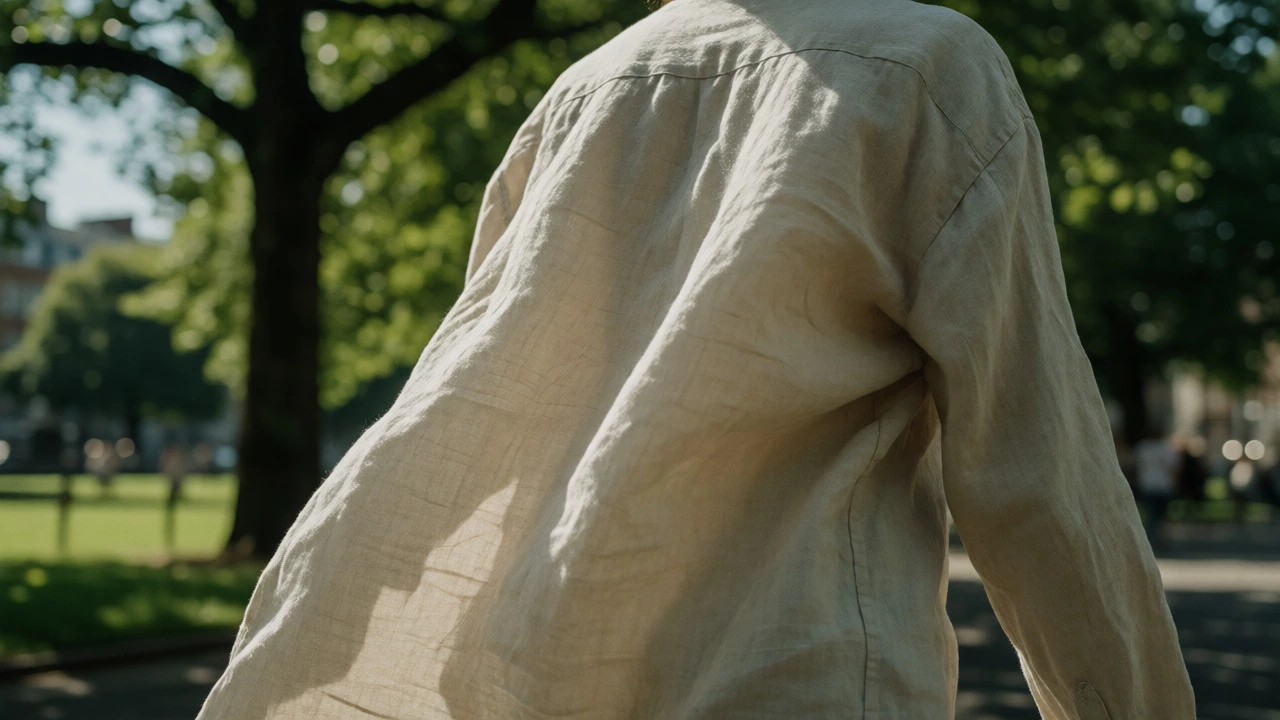
If there is one fabric that screams "Irish summer," it’s Linen. It is a natural textile made from flax fibers, known for its exceptional breathability and moisture-wicking properties. And yes, Ireland has a deep history with flax. While much of the production moved offshore decades ago, the cultural affinity for this material remains strong. You see it everywhere, from the high-end boutiques on Grafton Street to the casual racks at Penneys.
Why does linen win? Because it doesn’t cling. Unlike cotton, which can hold onto sweat and become heavy, linen releases moisture quickly into the air. This is crucial when the humidity hovers around 80% in coastal towns like Clontarf or Blackrock. Linen also has a unique weave structure that allows for maximum airflow. When a breeze comes off the sea, you feel it. That’s not marketing fluff; that’s physics.
But let’s be real about the downsides. Linen wrinkles. A lot. If you’re sitting in an office in Dublin City Centre all day, you might look like you slept in your clothes by 5 PM. But honestly? In Ireland, we don’t care. The relaxed, rumpled look is part of the charm. Plus, if you’re heading to a festival like Electric Picnic in Stradbally, who cares if your linen trousers are creased? Just buy a darker shade-navy or charcoal-and the wrinkles disappear visually.
The Reliable Workhorse: Lightweight Cotton
Not all cotton is created equal. Thick denim jeans are great for a rainy Tuesday, but terrible for a sunny Saturday. For the coolest experience, you want Lightweight Cotton. It is a soft, breathable natural fiber that absorbs moisture well but dries slower than linen. Look specifically for "poplin" or "voile" weaves. These are thin, crisp, and allow air to circulate close to your skin.
Cotton is fantastic for everyday wear because it’s durable and easy to wash. You can throw a cotton t-shirt in the washing machine after a day hiking in Wicklow Mountains National Park, and it’ll come out ready to go again. However, cotton has a flaw: it holds water. If you get caught in one of those sudden Irish downpours while wearing a thick cotton hoodie, you’ll stay wet for hours. Stick to thinner weaves. A lightweight cotton button-down is perfect for those days when the forecast says "partly cloudy" but turns out to be 25°C with zero wind.
| Fabric Type | Breathability | Moisture Wicking | Drying Speed | Best For |
|---|---|---|---|---|
| Linen | Excellent | High (releases quickly) | Fast | Humid days, festivals, beach trips |
| Lightweight Cotton | Good | Absorbs well, holds longer | Moderate | Office wear, casual city walks |
| Rayon/Viscose | Very Good | High absorption | Slow | Evening dresses, indoor events |
| Seersucker | Excellent | Good | Fast | Suits, smart-casual occasions |
The Sleeper Hit: Seersucker
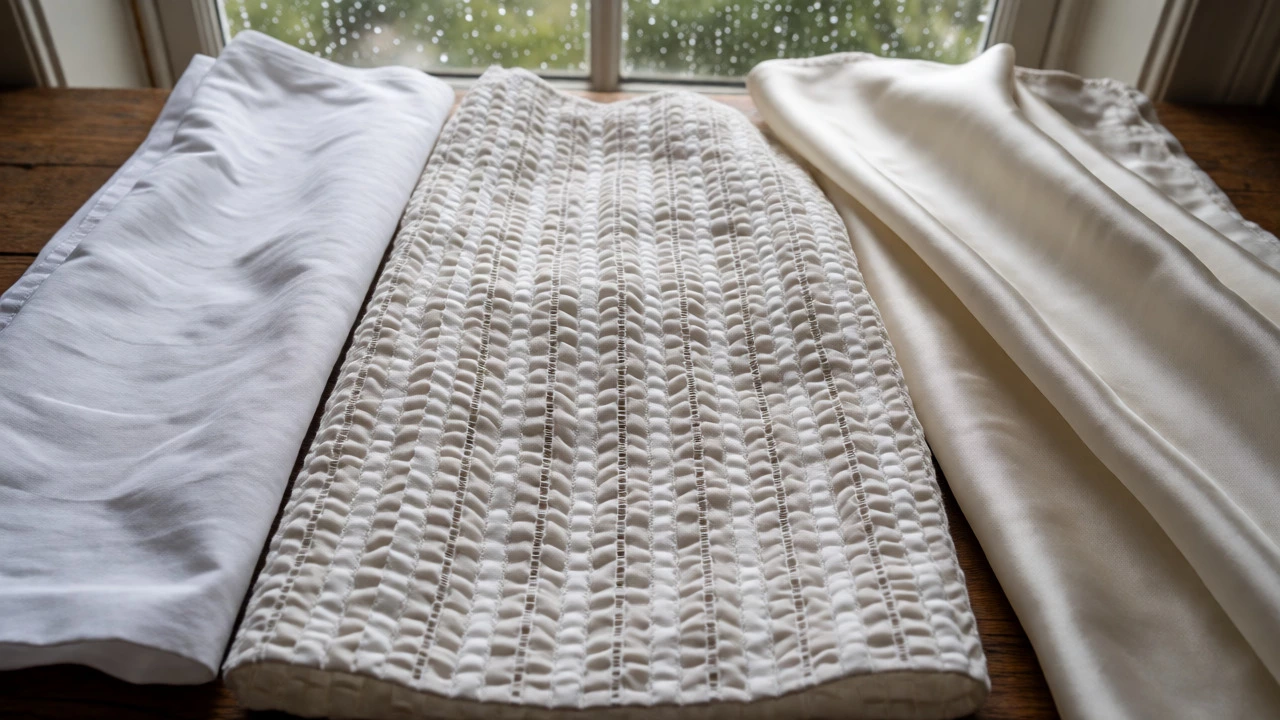
You might think seersucker is just for old men playing golf in America. Wrong. Seersucker is having a moment in Ireland, and for good reason. It’s a type of cotton fabric woven in a way that creates puckered stripes. Those ridges keep the fabric away from your skin, creating tiny channels for air to flow. It’s essentially built-in ventilation.
This is brilliant for those humid days when you need to look sharp but don’t want to melt. Wear a seersucker blazer to a wedding in Kilkenny Castle, and you’ll be the only guy not sweating through his suit lining. It’s also incredibly low-maintenance. Because of the texture, minor wrinkles don’t show up. You can crumple it in your bag on the train to Limerick, pull it out, and it looks intentional. Brands like Smyths or even high-street retailers often stock seersucker shirts in spring and summer. Keep an eye out for them.
What About Synthetics?
We have to talk about polyester. For years, cheap fast fashion flooded the market with polyester blends. They are cheap, they don’t wrinkle, and they last forever. But do they breathe? Barely. If you wear a 100% polyester dress to a gig at the Vicar Street in Dublin, you will feel like you’re wrapped in plastic wrap. Sweat gets trapped against your skin, bacteria multiply, and you start smelling before you’ve even left the venue.
However, technology is changing things. Modern performance fabrics, often found in brands like Decathlon or specialized outdoor stores in Dublin, use advanced synthetics designed to wick moisture. These are great if you’re running along the Royal Canal or cycling through Phoenix Park. But for general summer dressing? Avoid standard polyester. If you must wear a blend, look for high percentages of natural fibers mixed with a small amount of elastane for stretch, rather than heavy polyester content.
The Luxury Option: Silk
Silk feels cool to the touch, which makes it tempting. It’s light, airy, and drapes beautifully. For an evening event in a hotel ballroom in Shannon, silk is unbeatable. But here’s the catch: silk hates sweat. Salt marks from perspiration can permanently stain the fabric. If you’re prone to sweating, or if you’re planning to walk outdoors in a heatwave, silk might leave you with visible dark patches under your arms.
Use silk strategically. Save it for indoor dinners or air-conditioned environments. If you’re going to a race meeting at Leopardstown, maybe stick to cotton or linen. Save the silk scarf for the car ride home. Also, beware of fake silk (polyester satin). It looks shiny but traps heat exactly like regular polyester. Check the label carefully.

Practical Tips for Dressing for Irish Heat
Choosing the right fabric is half the battle. How you wear it matters too. Here is how to maximize comfort in our specific climate:
- Go Loose: Tight clothes trap heat against your body. Choose loose-fitting linen trousers or wide-leg cotton pants. Air needs to move between the fabric and your skin to cool you down.
- Light Colors Reflect Heat: Dark colors absorb sunlight. In a mild Irish summer, this isn’t as critical as in the Mediterranean, but if the sun is out, white, beige, and pastels will keep you cooler. Plus, they hide salt stains better than black.
- Layer Smartly: Irish weather changes fast. Bring a lightweight cotton overshirt or a linen jacket. You can take it off when the sun comes out and put it back on when the wind picks up near the coast.
- Check the Label: Always turn the garment inside out and read the care label. If it says "Machine Washable," great. If it says "Dry Clean Only," consider the cost. Dry cleaning linen frequently adds up. Hand-washing delicate silks is time-consuming. Stick to fabrics you can easily maintain.
Another tip: avoid wearing multiple layers of non-breathable fabrics. A polyester undershirt under a cotton shirt defeats the purpose of the cotton. If you need an undershirt, choose bamboo viscose or merino wool. Yes, wool in summer sounds crazy, but ultralight merino is naturally antimicrobial and temperature-regulating. It’s a secret weapon for many travelers and locals alike.
Where to Find Quality Cool Fabrics in Ireland
You don’t need to fly to Italy to find good linen. Our local markets are stocked with quality options. For budget-friendly finds, check out Penneys and Primark. Their summer ranges have improved significantly in recent years, offering decent cotton and linen blends at accessible prices. Be sure to try things on, though, as sizing can vary wildly.
For mid-range options, look at Irish-based brands that prioritize natural materials. Stores like H&M and Zara have dedicated "Conscious" collections featuring organic cotton and TENCEL™ Lyocell. TENCEL is a semi-synthetic fiber made from wood pulp. It’s smoother than cotton and wicks moisture better, making it a great alternative if you find linen too rough.
If you’re willing to spend a bit more, independent boutiques in Dublin, Cork, and Galway often carry European brands specializing in sustainable, breathable clothing. Visit local tailors for custom linen suits. Having a suit cut from proper Irish linen ensures it fits perfectly and lasts for years. It’s an investment, but given how often we wear these items during our short summers, the cost-per-wear is reasonable.
Final Thoughts on Staying Cool
There is no single "best" fabric for everyone. It depends on your activity level and where you are spending your day. If you’re working in an office with AC, cotton is fine. If you’re exploring the Cliffs of Moher on a breezy, warm day, linen is king. If you’re dancing at a festival, lightweight rayon might be the most comfortable option despite its slow drying time.
The key takeaway? Prioritize natural fibers. Your body knows how to regulate temperature; it just needs help letting heat escape. Synthetic fabrics block that process. Natural fabrics facilitate it. Next time you’re shopping for a new summer dress or pair of shorts, ignore the trendy prints for a second. Touch the fabric. Rub it between your fingers. Does it feel airy? Does it seem to let air pass through? If yes, buy it. Your future self, standing on a crowded bus in July, will thank you.
Is linen really better than cotton for Irish humidity?
Yes, generally speaking. Linen has a lower density and larger gaps in its weave compared to cotton, allowing for superior airflow. More importantly, linen dries much faster. In Ireland's humid climate, where sweat may not evaporate quickly, linen's ability to release moisture prevents that clammy, heavy feeling that cotton can develop.
Can I wear polyester in summer if it's labeled 'breathable'?
It depends on the quality. Cheap polyester, even if marketed as breathable, often traps heat. High-performance athletic synthetics are engineered with moisture-wicking technologies that can work well for exercise. However, for casual wear or office settings, natural fibers like cotton, linen, or bamboo are almost always more comfortable and less likely to cause odor buildup.
How do I stop my linen clothes from wrinkling too much?
You can't stop it entirely-it's the nature of the fiber-but you can manage it. Hang linen items immediately after drying. Use a steamer instead of an iron for quick fixes. Alternatively, embrace the look! Many people prefer the relaxed, lived-in aesthetic of slightly wrinkled linen. Choosing darker colors or textured weaves like herringbone can also make wrinkles less noticeable.
Is bamboo fabric good for summer in Ireland?
Bamboo viscose is an excellent choice. It is softer than cotton, naturally antibacterial (which helps with odor), and has thermoregulating properties. It feels cool to the touch and wicks moisture effectively. Just be aware that pure bamboo viscose can lose shape when wet, so look for blends with a small percentage of spandex or cotton for durability.
What color clothes stay coolest in the sun?
White and light pastel colors reflect the most sunlight, keeping you cooler. Black absorbs heat, which can make you feel hotter in direct sun. However, in very windy or breezy conditions, some studies suggest loose black clothing can create a chimney effect, drawing heat away from the body. For typical Irish summer scenarios involving sun exposure, lighter colors remain the safer bet for staying cool.