Suit Cost-Per-Wear Calculator
Stop guessing if an expensive suit is worth it. Enter your details below to find out which option saves you money over time.
Cost Per Wear Analysis
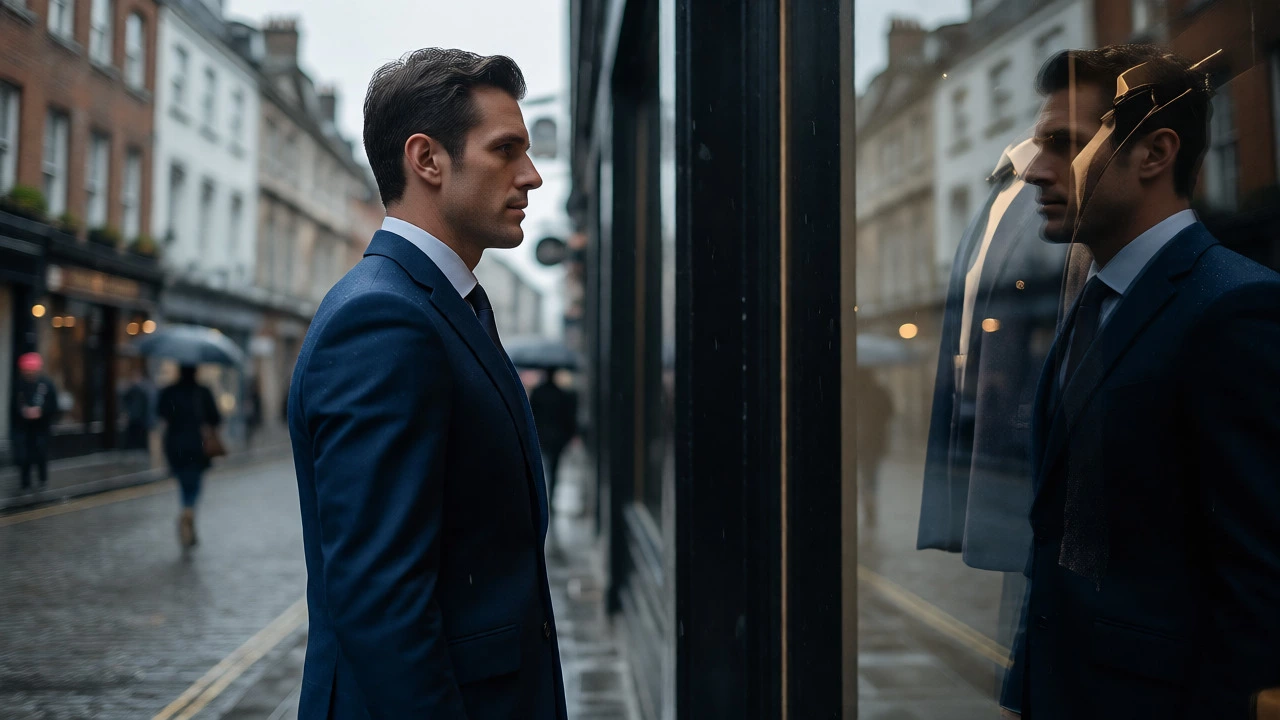
You’re standing in a shop on Grafton Street or maybe browsing the racks at Brown Thomas, and you see it: a luxury suit that costs more than your monthly rent. The salesperson tells you it’s Italian wool, hand-stitched, and will last forever. You look at the price tag-€1,500, €2,500, maybe even €5,000-and wonder if you’ve lost your mind. Is it actually worth dropping that kind of cash on a piece of clothing, especially when you live in Ireland, where rain is practically a national sport?
The answer isn’t a simple yes or no. It depends entirely on what you need the suit to do for you. If you’re a lawyer in Dublin trying to close deals, or a groom getting married in a historic castle in Kilkenny, the math changes completely compared to someone who wears a suit twice a year for weddings in Galway. Let’s break down the real value of expensive menswear in the Irish market, cutting through the marketing fluff to look at fabric, fit, and actual longevity.
The Cost-Per-Wear Reality Check
Here is the most important formula in fashion economics: Cost Per Wear (CPW). You divide the total price of the suit by how many times you wear it. A €300 off-the-rack suit from Penneys or Dunnes Stores might feel like a bargain. But if the fabric pills after three washes, the lining rips, and the shape collapses because it was fused rather than canvassed, you might only get ten decent wears out of it. That’s €30 per wear.
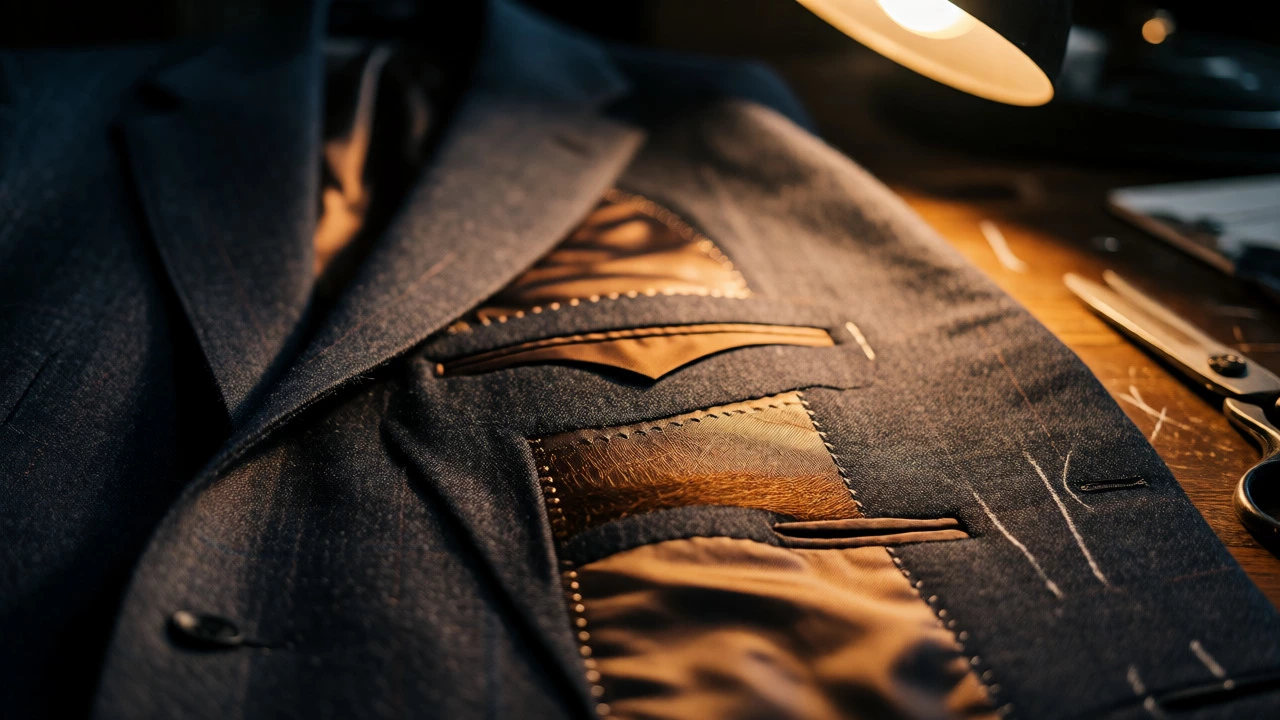
Now look at a €2,000 bespoke suit made by a tailor in Dublin or Cork. This suit uses full canvas construction, which allows the jacket to mold to your body over time. The wool is high-twist or Super 120s-150s, designed to bounce back after being crushed on the Luas tram or the DART. If you wear this suit once a week for work, you’ll easily get five years of service out of it. That’s roughly 260 wears. Your CPW drops to about €7.70. Suddenly, the "expensive" suit is cheaper than the cheap one.
But this only works if you actually wear it. In Ireland, many professionals have moved toward smart casual Fridays. If you only wear suits for formal events, buying a top-tier bespoke suit might be overkill unless you truly love the craft. For those wearing suits daily, however, the investment pays for itself quickly.
| Feature | Budget (High Street) | Mid-Range (e.g., Reiss, Massimo Dutti) | Luxury/Bespoke (e.g., Jermyn St, Local Tailors) |
|---|---|---|---|
| Average Price (EUR) | €200 - €400 | €500 - €900 | €1,500 - €5,000+ |
| Construction | Fused (glued layers) | Half-Canvas | Full Canvas / Hand-Stitched |
| Fabric Quality | Polyester blends, low-grade wool | Super 80s-100s Wool | Super 120s-150s+, Loro Piana, Scabal |
| Fit Adjustability | Minimal (limited seam allowance) | Moderate | Unlimited (custom pattern) |
| Lifespan (Years) | 1 - 2 | 3 - 5 | 10 - 20+ |
| Best For | Occasional use, students | Regular office wear | Daily professional, special occasions |
Why Irish Weather Demands Better Fabric
Let’s talk about the elephant in the room: the Irish climate. We don’t have scorching summers like Spain or freezing winters like Canada. We have dampness, wind, and sudden temperature shifts. This environment is brutal on cheap fabrics.
Low-quality synthetic blends trap moisture. If you walk from your car into a warm conference room in Ballsbridge, you’ll sweat, and that polyester won’t breathe. You’ll smell within hours. High-end natural fibers like merino wool are hygroscopic-they absorb moisture vapor and release it into the air. This keeps you dry and odor-resistant.
Furthermore, consider the weave. In Ireland, tight weaves like Gabardine or high-twist Fresco wools are superior to loose, shiny tropical wools. Cheap suits often use thin, flat fabrics that wrinkle instantly if you sit in a train seat for twenty minutes. A quality suit has a bit of weight and structure. It drapes properly. When you take the coat off at a wedding reception in Tipperary, it shouldn’t look like you slept in it. The resilience of better fabric is not just vanity; it’s practicality in our specific geography.
The Fit Factor: Why Off-the-Rack Fails Most Irish Men
Standard sizing assumes a standard body. It doesn’t exist. Most men in Ireland have shoulders that slope differently, arms that hang at unique angles, or torsos that are longer or shorter than the model used for grading sizes. An expensive suit, particularly a bespoke or made-to-measure option from a local tailor, solves this.
When a suit fits perfectly, it creates an optical illusion of height and width. It makes you look confident without saying a word. In business meetings in Dublin’s Docklands, that non-verbal cue matters. A baggy shoulder pad looks sloppy. A tight lapel pulls awkwardly when you button the jacket. These flaws scream "ill-fitting," regardless of the brand label inside.
You can buy a mid-range suit and pay a tailor €50-€100 to adjust it. This is often the sweet spot for many Irish professionals. However, there are limits to alterations. You cannot easily change the shoulder line or the armhole placement on a ready-made suit. If your shoulders are broad but your waist is narrow-a common build among men who play Gaelic football or rugby-you might struggle with standard cuts. Here, spending more on custom construction ensures the silhouette matches your athletic frame rather than fighting against it.
Resale Value and Longevity
Cheap suits go to landfill. Good suits get passed down or sold. Brands like Brioni, Zegna, or Savile Row labels hold their value surprisingly well if maintained. Even local Irish bespoke tailors, such as those operating out of studios in Dublin or Cork, retain a reputation that adds prestige.
Think about the lifecycle. A €200 suit worn out in two years becomes trash. A €2,500 suit, if cared for (brushed regularly, steamed, stored on wooden hangers), can last fifteen years. You might even sell it second-hand on platforms like Vestiaire Collective or local Facebook groups for 30-40% of its original price. Try selling a worn-out Penneys suit. You’ll be lucky to get €10.
This durability also applies to style. Trends fade fast. Skinny ties and super-slim lapels from 2015 look dated now. Classic tailoring-medium lapels, natural shoulders, straight trousers-is timeless. An expensive suit usually adheres to these classic proportions because the tailor knows that investing in trend-chasing is a waste of good cloth. You aren’t buying fashion; you’re buying architecture.
When You Should NOT Buy an Expensive Suit
It’s not always the right move. If you are under 25 and still growing or changing your body composition, lock yourself into a €3,000 bespoke suit only if you’re certain your measurements won’t shift drastically. Weight fluctuations of 5kg+ can ruin the fit of a tightly tailored garment.
Also, assess your social circle. If you live in a rural area where everyone wears jeans and hoodies, showing up in a three-piece tweed suit might make you stand out in a way that feels uncomfortable rather than impressive. Social context matters. In corporate Dublin or legal circles in Belfast, the dress code is strict. In creative industries in Galway or startups in Cork, a blazer and chinos are often preferred. Don’t buy a tuxedo-level suit for a job that requires a hoodie.
Finally, check your budget honestly. If buying a luxury suit means skipping meals or delaying rent, it’s not worth it. Confidence comes from comfort, not credit card debt. There are excellent mid-range options available online and in stores like Next or H&M Premium Collection that offer half-canvas construction for under €600. Start there, learn what you like, and upgrade later.

Where to Shop in Ireland: Local vs. Online
If you decide to invest, know where to go. For off-the-rack luxury, Brown Thomas in Dublin is the obvious choice, though prices are steep. For better value, look at independent boutiques in Dublin’s City Centre or Cork’s Shandon area. They often stock brands like Paul Smith, Ted Baker, or smaller European makers that offer better quality-to-price ratios.
For bespoke, Ireland has a thriving community of tailors. Look for reviews on local forums or ask for recommendations in LinkedIn groups for Irish professionals. Some tailors operate from small studios rather than flashy storefronts, keeping overheads lower. This means your money goes into the cloth and labor, not the rent.
Online retailers like Suitsupply have become popular in Ireland due to their transparent pricing and free returns. They offer made-to-measure services that bridge the gap between off-the-rack and bespoke. Just be aware that shipping delays can happen, and fitting adjustments via video call aren’t perfect. Always try to visit a physical store for your first major purchase.
Conclusion: The Verdict
So, is it worth buying an expensive suit in Ireland? If you wear suits frequently, care about looking sharp in wet weather, and want something that lasts a decade, then yes. The cost-per-wear argument holds up. The fabric technology handles our damp climate better than synthetics. The fit enhances your presence in professional settings.
However, if you rarely wear suits, prioritize fit over brand name. Spend your money on alterations rather than a designer label. A €400 suit that fits like a glove beats a €2,000 suit that pinches your armpits every time you raise your arm. Know your needs, respect your budget, and choose quality over quantity. Your future self, standing dry and dignified in a stormy Galway evening, will thank you.
How much should I spend on my first good suit in Ireland?
For a first serious suit, aim for the €500-€800 range. This gets you a half-canvas construction with decent wool (Super 100s) from reputable brands. Reserve bespoke for when you know exactly what cut and fabric you prefer.
What fabric is best for Irish weather?
Look for medium-weight Merino wool (280g-320g) or high-twist Fresco wool. These materials breathe well, resist wrinkles, and handle humidity better than heavy tweeds or thin tropical wools.
Are Irish tailors cheaper than London ones?
Generally, yes. While high-end Dublin tailors can approach London prices, many skilled Irish tailors offer comparable craftsmanship for 20-30% less due to lower operational costs and lack of tourist premiums.
Can I alter an expensive suit if I gain weight?
Yes, but with limits. Full canvas suits allow for more generous seam allowances, letting tailors let out the jacket by up to 2-3 inches total. However, significant weight gain may require a new garment.
Is navy or grey better for a first suit in Ireland?
Navy is versatile and hides dirt well, making it great for commuting on public transport. Charcoal grey is slightly more formal and pairs well with darker shoes. Both are essential, but navy is often recommended as the safer first choice.