
Irish Summer Fabric Suitability Calculator
Enter the percentage of each fiber found on your garment label to see how it will perform in an Irish summer.
It is July in Dublin. The sun is out, the temperature hits a rare 24°C (75°F), and you step outside feeling like you are wearing a weighted blanket. You chose that synthetic blend dress because it looked chic on the hanger, but now, under the Irish humidity, it feels like a trap. If you have ever attended a wedding at the Aviva Stadium or walked through Temple Bar on a warm afternoon, you know that Ireland’s summer heat is different from the dry heat of Spain or Italy. It is damp, heavy, and unforgiving to the wrong materials.
Choosing the right summer fabrics isn't just about comfort; it is about surviving the unique microclimate of Ireland with your dignity intact. We often think of Ireland as cool and rainy, which is true for most of the year. But when the Atlantic air meets high pressure, the result is a sticky, muggy environment that turns poor textile choices into a personal nightmare. This guide will help you navigate what to wear-and more importantly, what to leave in the drawer-so you can enjoy the long days, the festivals, and the occasional beach trip without overheating.
The Villain: Synthetic Fibers and Why They Fail in Ireland
To understand what to avoid, we first need to talk about the biggest offender: polyester. In the fashion world, polyester is everywhere. It is cheap, durable, and holds color well. But in an Irish summer, it is essentially plastic wrapped around your skin. Polyester is hydrophobic, meaning it repels water. When you sweat-which you will do if you are walking up Grafton Street or standing in line at a pub in Galway-that moisture cannot pass through the fabric to evaporate. Instead, it sits against your skin, creating a swampy layer that traps body heat.
Imagine wearing a 100% polyester blouse during a corporate event in Cork. As the room warms up, you start to feel clammy. The fabric does not breathe. It creates a greenhouse effect around your torso. Unlike natural fibers, which expand and contract with humidity, synthetics remain rigid. This lack of airflow means your body has to work harder to cool down, leading to fatigue and discomfort. If you see "polyester" or "acrylic" listed first on the label, put it back. These materials are designed for winter warmth or gym performance, not for strolling through Phoenix Park on a sunny day.
Nylon is another common culprit, especially in swimwear and activewear. While modern nylon blends can be engineered for breathability, standard nylon retains heat similarly to polyester. If you are heading to the Cliffs of Moher or hiking the Wicklow Way, avoid solid nylon panels. Look for mesh inserts or blends with natural fibers instead. The goal is ventilation, and dense synthetic weaves block the breeze that Ireland occasionally offers.
The Misunderstood Material: Heavy Cottons and Denim
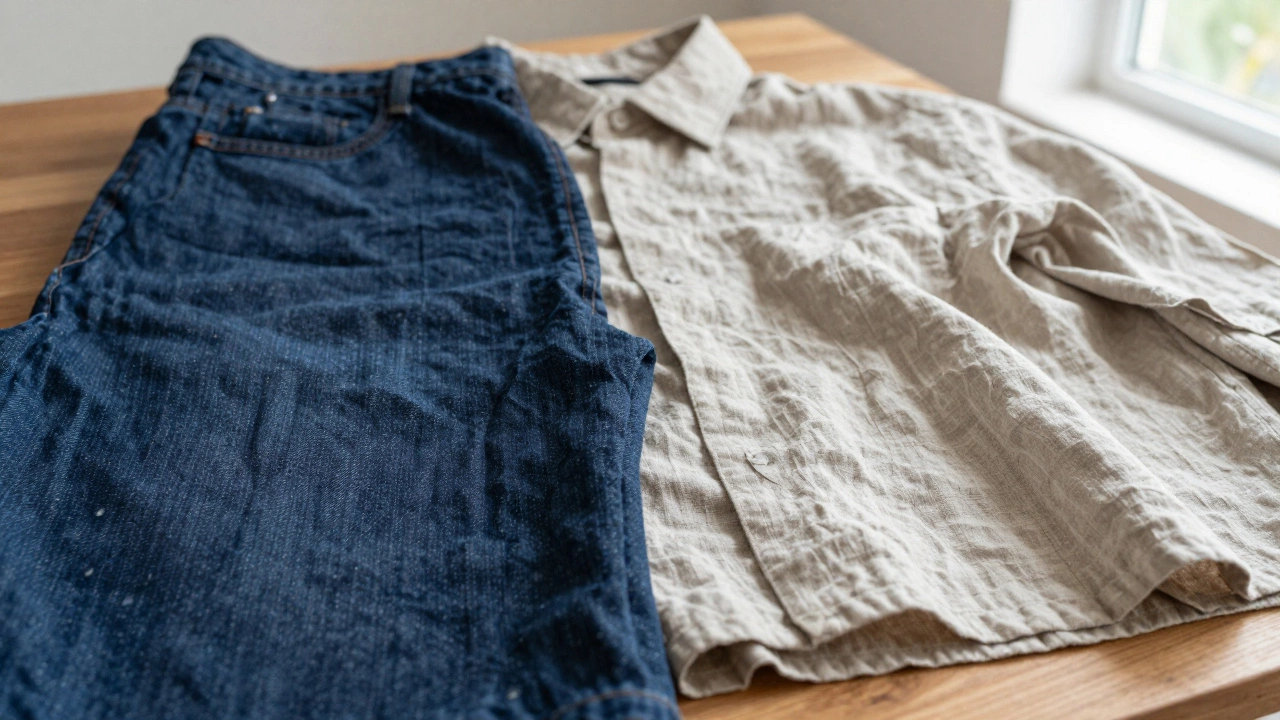
Cotton gets a bad rap sometimes, but generally, it is one of the best friends you can have in summer. However, not all cotton is created equal. The issue arises with weight and weave. Heavyweight cotton, such as canvas or thick twill, is terrible for hot weather. Think of those stiff denim jackets or thick cotton trousers you might wear in spring. In June or July, these fabrics act like insulation. They absorb sweat quickly, yes, but they also hold onto it. A wet, heavy cotton shirt becomes cold, soggy, and uncomfortable, clinging to your skin rather than drying off.
Denim is particularly tricky in Ireland. While jeans are a staple of our wardrobe year-round, wearing them in peak summer heat is a recipe for misery. Standard denim is tightly woven and lacks elasticity unless blended with elastane (which brings us back to the synthetic problem). If you must wear jeans, opt for lightweight, washed-out styles with some stretch. But ideally, swap them for lighter alternatives. For women, a flowing midi skirt made of viscose or rayon offers the same casual vibe as jeans but with significantly better airflow. For men, chinos made from tropical-weight cotton or linen blends are a smarter choice for a night out in Derry or a weekend in Kerry.
Velvet and corduroy are other natural fibers that belong strictly in autumn and winter. Their textured surfaces trap air, providing warmth. Wearing velvet in July is like wearing a sweater indoors in January. Save these luxurious textures for the darker months when you need that extra layer of coziness by the fire.
Why Linen and Light Synthetics Are Your Best Friends
If synthetics are the enemy, linen is the hero. Linen is made from the flax plant, which has been grown in Europe for centuries. Its fibers are hollow, allowing for excellent air circulation. Linen absorbs moisture rapidly and releases it just as quickly, keeping you dry and cool. Yes, it wrinkles. Embrace the wrinkles. In Ireland, a crisp, unwrinkled linen shirt looks out of place in a relaxed setting. The crinkles are part of the charm, signaling that you are comfortable and adaptable.
Viscose and rayon are semi-synthetic fibers made from wood pulp. They mimic the feel of silk but are much more affordable and breathable. These fabrics drape beautifully and allow air to flow through them. They are perfect for summer dresses and blouses. Just be aware that they can be delicate when wet, so handle them with care during laundry. Rayon is particularly popular in Irish high street stores like Penneys (Primark) and Dunnes Stores for their summer collections because it offers a premium look at an accessible price point.
Bamboo fabric is another rising star. It is soft, antibacterial, and highly breathable. Bamboo viscose is becoming increasingly common in sustainable fashion brands across Ireland. It regulates temperature well, making it suitable for both warm days and cooler evenings. If you are looking for eco-friendly options, bamboo is a strong contender alongside organic cotton and linen.
| Fabric Type | Breathability | Sweat Absorption | Verdict for Ireland |
|---|---|---|---|
| Polyester | Poor | None (Traps Heat) | Avoid Completely |
| Linen | Excellent | High (Dries Fast) | Highly Recommended |
| Heavy Cotton/Denim | Moderate | High (Stays Wet) | Avoid in Peak Heat |
| Viscose/Rayon | Good | Moderate | Great for Dresses |
| Bamboo | Very Good | High | Excellent Eco-Choice |
Navigating Irish Weather: Layering and Adaptability
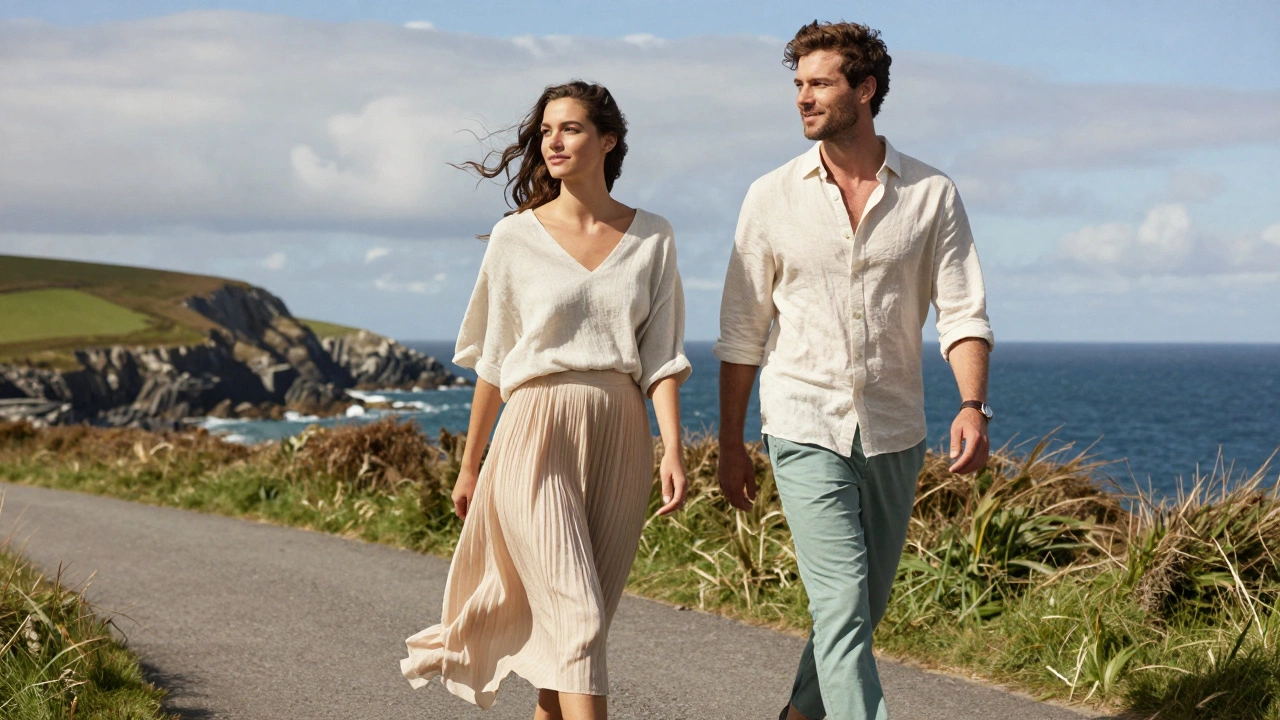
Ireland’s weather is notoriously unpredictable. One minute it is blazing sunshine in Bray, the next it is a sudden shower. This variability means your clothing strategy must include adaptability. Avoid single-layer outfits made of non-breathable materials. Instead, choose layers that can be easily removed or added.
A light linen shirt over a tank top is ideal. If the temperature drops or the wind picks up, you have coverage. If it heats up, you can remove the outer layer. Similarly, a lightweight cardigan or unlined blazer made from wool-silk blends can work for evening events. Wool, specifically merino wool, is naturally temperature-regulating and odor-resistant. Many people are surprised to learn that thin merino wool is suitable for summer. It wicks moisture away from the skin and keeps you cool even in humid conditions. Brands like Icebreaker and Smartwool offer excellent options available in Irish outdoor retailers.
Footwear also plays a role in thermal regulation. Leather boots in July are impractical. Opt for breathable shoes like canvas sneakers, espadrilles, or open-toed sandals with good support. If you are visiting historic sites like Newgrange or exploring coastal towns like Kinsale, you will be doing a lot of walking. Breathable footwear prevents blisters and keeps your feet cool.
Practical Tips for Shopping in Ireland
When shopping for summer clothes in Ireland, pay attention to the labels. High street stores often mix fibers to reduce costs. A dress labeled "60% Polyester, 40% Viscose" will perform poorly in the heat because the polyester dominates the structure. Aim for garments that are at least 80% natural fiber. If you buy from local designers in Dublin or Galway, you will often find higher quality natural fabrics, though at a higher price point. Supporting local businesses also reduces the carbon footprint associated with shipping fast fashion overseas.
Consider the fit as well as the fabric. Loose-fitting clothes allow air to circulate between the fabric and your skin. Tight clothing, regardless of material, restricts airflow and increases sweating. Flowy maxi dresses, wide-leg trousers, and oversized shirts are not just stylish; they are functional for staying cool. When attending formal events, such as weddings in country houses, choose loose silhouettes in silk or chiffon. These fabrics are lightweight and elegant, ensuring you look polished without suffering in silence.
Finally, don’t forget accessories. A wide-brimmed hat made of straw or felt provides shade and protects your face from the sun. Sunglasses are essential, even on cloudy days, as UV rays penetrate clouds. And always carry a light scarf or shawl. It can serve as a barrier against sudden breezes or provide modesty if you visit religious sites.
Is polyester really that bad for summer in Ireland?
Yes, polyester is problematic because it traps heat and moisture. In Ireland's humid summers, this leads to discomfort and overheating. Natural fibers like cotton and linen are far superior for breathability.
Can I wear jeans in July in Ireland?
You can, but they are not ideal. Heavy denim retains heat and stays wet if it rains. Opt for lightweight, stretchy jeans or switch to linen trousers or skirts for better comfort.
What is the best fabric for an Irish summer wedding?
Linen, silk, and chiffon are excellent choices. They are breathable, elegant, and handle humidity well. Avoid heavy brocades or synthetic satins that can make you sweat excessively.
Is merino wool suitable for summer?
Surprisingly, yes. Lightweight merino wool is temperature-regulating and wicks moisture away from the skin. It is great for base layers or light sweaters for cooler summer evenings.
Where can I buy breathable summer clothes in Ireland?
Stores like Dunnes Stores, Penneys, and Brown Thomas offer a range of breathable options. Local boutiques in cities like Dublin, Cork, and Galway often stock high-quality linen and cotton pieces from independent designers.