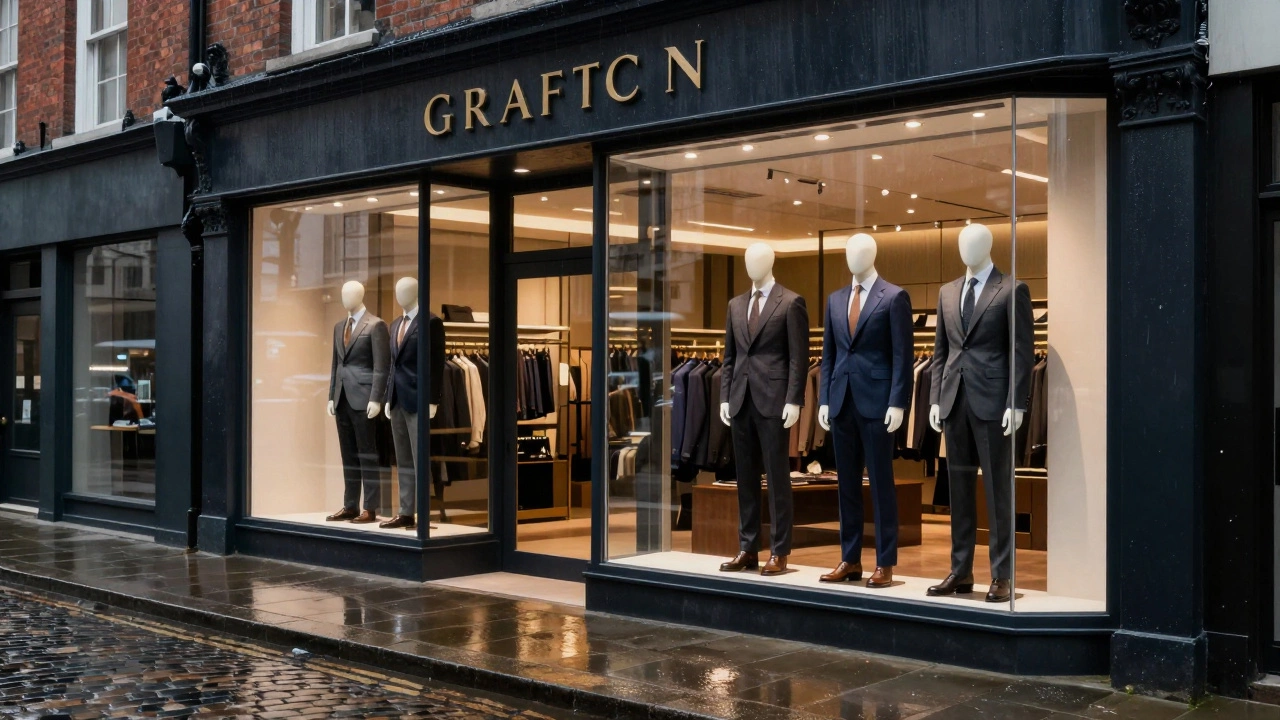
Suit Budget & Value Estimator
Investment Summary
To get the best value, you first need to decide what "tier" of suit you need. A budget suit is fine for a one-off event, but if you're wearing this for work three days a week, a cheap polyester blend will make you sweat through your shirt the moment you step into a crowded Luas carriage. Let's break down the price brackets based on the Irish market today.
The Budget Tier: €150 to €300
This is where you'll find "off-the-rack" options from high-street giants. These suits are usually made from synthetic blends-mostly polyester with a bit of viscose. They look sharp from a distance, but they don't breathe well. If you're a student heading to a graduation or need something for a few interviews, this is a perfectly valid starting point.
At this price, you aren't paying for luxury; you're paying for a silhouette. The risk here is the fit. Since these are mass-produced, they rarely fit perfectly. You'll likely need to spend another €30 to €60 at a local dry cleaner or tailor to get the trousers hemmed or the waist taken in. If you buy a €200 suit and spend €50 on alterations, you've actually spent €250 to make it look like a €400 suit. That's a smart move.
The Mid-Range Tier: €350 to €700
This is the sweet spot for most Irish men. In this bracket, you stop seeing polyester and start seeing Wool is a natural protein fiber produced by sheep, prized in tailoring for its durability and breathability . A 100% wool suit (or a high-wool blend) is a game-changer. It handles the damp Irish weather better and drapes naturally over your shoulders without looking stiff.
You'll find these at established retailers or mid-tier boutiques. These suits are often "half-canvas," meaning the chest piece is sewn in part-way. This allows the suit to mold to your body over time. If you're attending a wedding in a venue like the Adare Manor or a fancy hotel in Cork, this range ensures you look professional without breaking the bank. You're paying for a balance of quality fabric and a better initial fit.
The Investment Tier: €800 to €1,500
Now we're entering the territory of "luxury ready-to-wear." At this price, you're typically paying for superior textiles-think high-grade Merino wool or Italian fabrics-and "full-canvas" construction. A full-canvas suit means the internal layer is made of horsehair and wool, stitched by hand. This is the gold standard because the suit breathes better and conforms to your body perfectly over years of wear.
These suits are for the man who needs a "power suit" for boardroom meetings or a very high-profile event. They hold their shape significantly longer than cheaper alternatives. If you spend €1,000 on a suit but wear it twice a week for five years, the cost per wear is actually lower than buying a cheap suit every eighteen months. It's a classic case of "buy once, cry once."
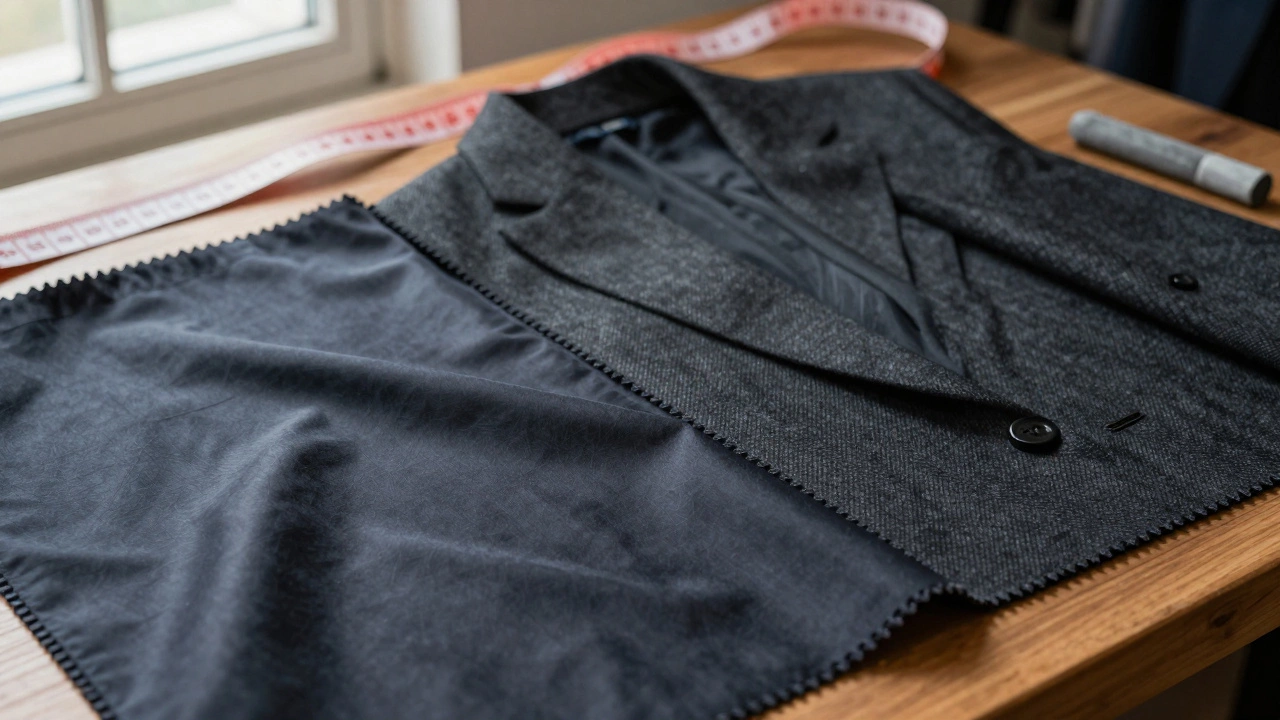
The Bespoke and Made-to-Measure Experience: €1,800+
Bespoke is the peak of men's fashion. Unlike made-to-measure, where a pre-existing pattern is tweaked to your measurements, Bespoke Tailoring is the process of creating a garment from a unique pattern drafted from scratch for a specific individual . You'll find master tailors in the heart of Dublin or Galway who will take 30+ measurements of your body.
You aren't just paying for cloth; you're paying for hundreds of hours of skilled labor. You choose everything: the lapel width, the lining color, the button material (usually horn or mother-of-pearl), and the exact vent style. These suits are practically heirlooms. For most, this is an indulgence, but for those in high-level law, finance, or politics in Ireland, it's often seen as a professional requirement.
| Tier | Price Range | Primary Material | Construction | Best Use Case |
|---|---|---|---|---|
| Budget | €150 - €300 | Polyester Blend | Fused (Glued) | One-off events / Students |
| Mid-Range | €350 - €700 | Wool / Wool-Blend | Half-Canvas | Weddings / General Office |
| Investment | €800 - €1,500 | High-grade Wool | Full-Canvas | Executive / Power Dressing |
| Bespoke | €1,800+ | Premium Luxury Wool | Hand-Stitched | Heirlooms / Ultra-High Net Worth |
How to Get the Most Value for Your Money
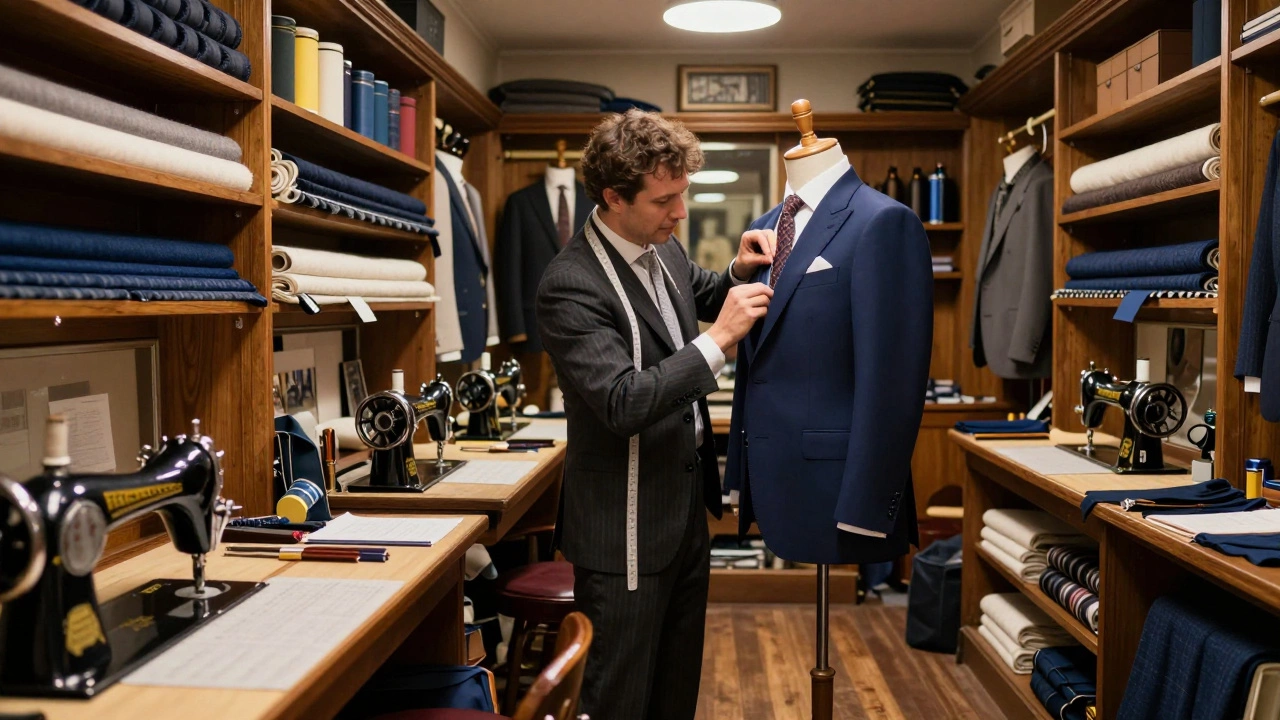
Spending the most money doesn't always mean you look the best. A €2,000 suit that fits poorly looks worse than a €300 suit that fits perfectly. The secret is the Tailor, who is a professional skilled in cutting, sewing, and altering clothing to fit a person's specific body shape . No matter which tier you choose, always budget for alterations.
Focus on these three areas first: the shoulders, the sleeve length, and the trouser break. The shoulders should sit flat against your back with no overhang. The sleeves should end just above your wrist bone to show a sliver of your shirt cuff. The trousers should just barely touch your shoes; too much fabric bunching at the ankles (the "break") makes you look shorter and less polished.
Another pro tip for the Irish climate: consider the weight of the fabric. A "four-season" wool suit is your best bet. It's heavy enough to keep you warm during a rainy November morning in Galway but light enough that you won't overheat during a July wedding in the sunny southeast.
Common Traps to Avoid
Don't be fooled by "Super 100s" or "Super 150s" labels. This refers to the fineness of the wool fiber. While a higher number sounds more expensive, it actually means the fabric is thinner and more fragile. A Super 150s suit is luxurious, but it wrinkles easily and wears out faster. For a daily work suit in a busy Irish city, a Super 100s or 110s is much more practical and durable.
Also, be wary of the "bundle deal." Some shops will offer a suit, shirt, and tie for a flat fee. While tempting, this often means the shirt is a generic fit and the tie is low-quality. It's almost always better to invest in a quality suit first and then buy a separate, well-fitted shirt from a specialist.
Is it worth spending over €500 on a first suit?
If you plan to wear the suit regularly for work or multiple family events, then yes. A suit in the €500+ range usually moves from synthetic fabrics to wool, which lasts longer, breathes better, and looks more professional. If it's for a single event you'll never attend again, a budget option is sufficient.
What is the difference between Made-to-Measure and Bespoke?
Made-to-Measure uses a pre-existing base pattern that is adjusted to your measurements. Bespoke starts from a completely blank piece of paper; a unique pattern is drawn specifically for your anatomy. Bespoke is significantly more expensive and time-consuming but offers a superior fit.
How often should I replace my suit?
This depends on the quality and frequency of wear. A budget polyester suit may lose its shape after 1-2 years of heavy use. A high-quality wool suit, if rotated with another suit to let the fibers rest, can easily last 5-10 years with proper dry cleaning.
Can I get a good suit for under €200 in Ireland?
Yes, many high-street retailers offer entry-level suits in this range. However, be prepared to spend an extra €30-€60 on alterations. A cheap suit that fits perfectly looks far better than an expensive suit that is too big.
What color suit should I buy first?
Navy blue or charcoal grey. These are the most versatile colors for the Irish market. They work for weddings, funerals, interviews, and office wear. Avoid black for your first suit unless you specifically need it for a very formal evening event or a funeral, as it can look too harsh in daylight.
Next Steps for Your Purchase
If you're still unsure, start by mapping out your needs. If this is for a corporate role in Dublin's financial district, aim for the Mid-Range or Investment tier in navy or charcoal. If you're a guest at a summer wedding in the West, a lighter wool or a linen blend in the Mid-Range tier is ideal.
Once you've picked your suit, find a reputable local tailor. Don't trust the in-store "quick fix" if the suit requires significant changes. A professional tailor will ensure the balance of the garment is correct, which is the real secret to looking like you spent thousands, even if you only spent a few hundred.