Irish Evening Dress Code Advisor
Not sure if you should wear a long gown or a cocktail dress? Use this tool to determine the appropriate attire based on Irish event standards.
Walking into a hotel ballroom in Dublin for a summer wedding, you might find yourself staring at the invitation card with one nagging question: is an evening dress long or short? In Ireland, where the weather can shift from bright sunshine to a soaking rainstorm within the hour, and social events range from intimate pub gatherings to grand castle receptions, this isn't just a matter of fashion-it’s a survival strategy. You don’t want to arrive looking like you’re headed to a nightclub when everyone else is in floor-length silk, nor do you want to trip over your hemline while trying to dance the night away on uneven cobblestones.
The answer isn’t a simple yes or no. It depends entirely on the time of day, the venue, and the specific cultural expectations of the event. Whether you are attending a formal dinner in Galway, a corporate gala in Cork, or a traditional céilí in rural Kerry, understanding the unwritten rules of evening wear will save you from embarrassment and keep you comfortable.
Decoding the Invitation: What Does 'Evening Wear' Actually Mean?
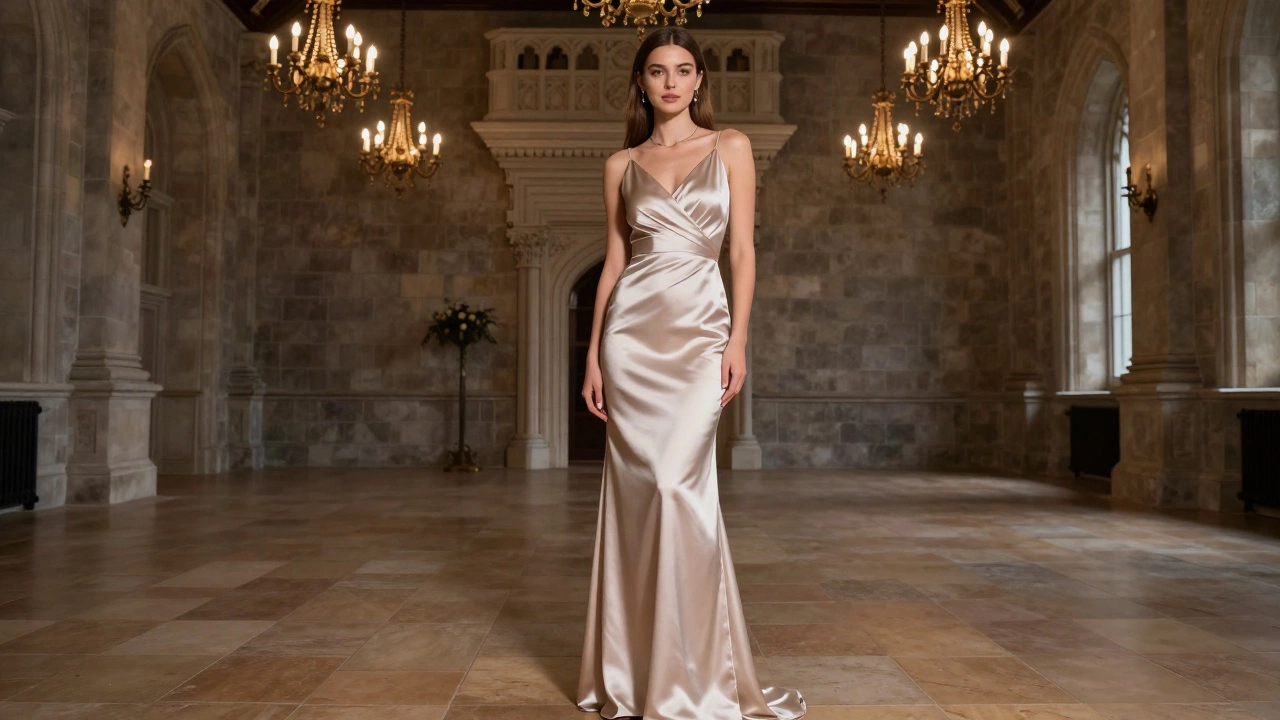
In Ireland, we tend to be polite but vague. An invitation might say "Black Tie," "Formal," or simply "Evening Attire." Each of these carries a different weight regarding dress length. If the invite says "Black Tie," you are almost certainly expected to wear a long gown. This is the standard for high-end weddings, charity balls, and state dinners. Think floor-length, elegant fabrics like satin, chiffon, or velvet. A short dress here would look underdressed, similar to wearing jeans to a business meeting.
However, if the invitation reads "Cocktail Attire" or "Semi-Formal," the rules loosen up. This is where knee-length or midi dresses shine. These lengths are perfect for events that involve standing, mingling, and perhaps some dancing. They strike a balance between sophistication and practicality. For example, at a reception in a historic manor house like Ashford Castle, a midi dress allows you to move freely without dragging fabric through potential mud or wet grass.
If the invite just says "Party" or "Celebration," you have more freedom. But even then, context matters. A birthday party in a Dublin city center bar calls for something shorter and trendier, while a garden party in Wicklow leans towards flowy midi or tea-length dresses.
| Event Type | Recommended Length | Typical Venue | Fabric Tips |
|---|---|---|---|
| Black Tie Wedding | Floor-Length (Long) | Grand Hotels, Castles | Satin, Silk, Heavy Chiffon |
| Cocktail Party / Semi-Formal | Knee-Length or Midi | Boutique Hotels, Restaurants | Lace, Velvet, Structured Cotton |
| Garden Party / Daytime Formal | Midi or Tea-Length | Estate Gardens, Country Houses | Floral Prints, Light Linen blends |
| Pub Celebration / Casual Dinner | Short or Mini | Pubs, City Bars | Denim, Jersey, Satin Slip |
The Irish Weather Factor: Practicality Meets Style
You cannot talk about evening wear in Ireland without talking about the weather. We love our dramatic skies, but they wreak havoc on delicate fabrics. If you choose a long, flowing maxi dress, consider the ground. Is the venue indoors with polished floors? Great. Is it outdoors on grass, gravel, or old stone steps? Then you need to think about hems.
A common mistake I see is women buying beautiful long dresses that drag on the ground. In dry climates, this looks romantic. In Ireland, especially during spring and autumn, it picks up dirt, moss, and moisture instantly. A "high-low" hemline-shorter in the front, longer in the back-is a brilliant compromise. It gives you the elegance of a long dress but keeps your feet visible and reduces tripping hazards. Alternatively, opt for a midi length that ends mid-calf. This length is safe for almost any terrain and works well with both heels and sturdy boots if the weather turns nasty.
Also, consider layering. Irish evenings can get chilly, even in summer. A long dress requires a statement coat or a stylish wrap. Invest in a good wool-blend coat or a tailored trench that complements your outfit. In cities like Galway or Limerick, where wind comes off the Atlantic, a lightweight chiffon dress might leave you shivering unless you have a substantial outer layer.
Venue Matters: From Castle Walls to City Streets
Where you are going dictates how you should dress. Ireland has a unique mix of venues that influence fashion choices. If you are attending an event in a historic castle or a large country estate, such as those found in County Kilkenny or Mayo, the architecture demands respect. Long, structured gowns photograph beautifully against stone walls and chandeliers. The formality of the setting usually overrides personal preference for casual styles.
Conversely, urban events in Dublin, Cork, or Belfast often take place in modern hotels, art galleries, or trendy restaurants. Here, the vibe is slightly more relaxed. A chic mini dress paired with bold accessories can work perfectly. The key is confidence. In the city, fashion trends move faster, and individual expression is celebrated more openly than in rural traditional settings.
For beachside venues, popular in counties like Donegal or Clare, avoid heavy velvets or intricate lace that gets tangled easily. Opt for lighter fabrics that breathe and lengths that won’t sink into the sand. A slip dress or a simple A-line cut works wonders here.
Cultural Nuances: Weddings, Funerals, and Social Gatherings
In Ireland, social etiquette still holds significant weight. At weddings, guests are expected to dress up, but not outshine the bride. While white is strictly reserved for the bride, overly flashy sequins or neon colors can be seen as disrespectful. Stick to jewel tones like emerald green, sapphire blue, or deep burgundy. These colors look stunning in photos and suit a wide range of skin tones common in Ireland.
Funerals are another occasion where dress code matters. Traditionally, black is the norm. A modest, knee-length or midi black dress is appropriate. Avoid anything too revealing or casual. As society evolves, some families may request brighter colors to celebrate the life of the deceased, but unless specified, err on the side of conservative elegance.
For casual social gatherings, like a St. Patrick’s Day celebration or a local festival, comfort is king. You’ll likely be walking, standing, and maybe dancing. A short, breathable dress with supportive shoes is your best friend. Don’t underestimate the power of a good pair of waterproof boots if the forecast predicts rain!
Shopping Local: Where to Find the Perfect Dress in Ireland
When searching for the right evening dress, you don’t always need to look abroad. Ireland has a vibrant retail scene. In Dublin, areas like Grafton Street and Merrion Square offer high-end boutiques carrying international brands alongside local designers. Stores like Brown Thomas or Dundas provide excellent options for formal wear, with staff who understand the nuances of Irish events.
In smaller towns, independent boutiques often carry curated collections that feel more personal. Towns like Kinsale, Ennis, and Tralee have shops that stock versatile pieces suitable for both day and night. Supporting local businesses also means you can often get alterations done quickly, which is crucial for getting the perfect fit. Remember, a well-fitted short dress looks better than a poorly fitted long one.
Online shopping is convenient, but always check return policies. Sizes vary significantly between European and American brands. If you’re unsure, order two sizes and try them on with the shoes you plan to wear. Heels add height, which affects how a dress sits on your body.
Accessories and Footwear: Completing the Look
Your dress is only part of the equation. Accessories can elevate a simple outfit or ruin a complex one. In Ireland, jewelry tends to be understated yet meaningful. Celtic-inspired designs, silver pieces, or pearls add a touch of local heritage without being overwhelming. Keep earrings simple if your neckline is elaborate, and vice versa.
Footwear is critical. If you’re wearing a long dress, ensure your heels are stable. Block heels or wedges are safer than stilettos, especially if you’ll be walking on grass or uneven surfaces. For shorter dresses, ankle boots can add an edgy, modern twist, particularly in cooler months. Just make sure they match the tone of the event. No combat boots at a black-tie affair!
Don’t forget a clutch bag. Large handbags look cumbersome with evening wear. A small, elegant clutch holds essentials like phone, lipstick, and keys without weighing you down. Choose a color that complements your dress rather than clashes with it.
Final Thoughts: Confidence is Key
Ultimately, whether an evening dress is long or short depends on the context. There is no single rule that fits all situations. By considering the invitation, the venue, the weather, and cultural norms, you can make an informed choice. The goal is to feel confident and comfortable. When you feel good in what you’re wearing, it shows. So, check the forecast, read the invite carefully, and choose a dress that lets you enjoy the moment, whether you’re dancing in a Dublin club or sipping champagne in a Galway castle.
Can I wear a short dress to a black-tie wedding in Ireland?
Generally, no. Black-tie implies a high level of formality, and floor-length gowns are the standard expectation. Wearing a short dress may be perceived as underdressed. If you prefer shorter lengths, opt for a very elegant, sophisticated cocktail dress with luxurious fabrics, but be prepared to stand out.
What should I wear if the wedding is outdoors in Ireland?
Outdoor venues require practical considerations. Choose a midi or tea-length dress to avoid dragging hems in grass or mud. Avoid stilettos; block heels or wedges are better for stability. Bring a stylish wrap or coat for warmth, as Irish evenings can get cool quickly.
Are there specific colors to avoid at Irish weddings?
Yes, avoid white or ivory, as these are reserved for the bride. Also, steer clear of overly bright neon colors or excessive glitter, which can distract from the couple. Jewel tones like navy, emerald, and burgundy are safe and elegant choices.
How do I handle rain when wearing an evening dress?
Plan ahead. Carry a compact umbrella and wear a water-resistant coat. Avoid delicate fabrics like silk that stain easily. Choose darker colors that hide spots better. If possible, select a venue with covered walkways or arrange transport directly to the entrance.
Is it acceptable to wear jeans to a semi-formal event in Ireland?
No, jeans are generally considered too casual for semi-formal events. Opt for a skirt or trousers made from dressier fabrics like wool or satin. Pair with a blouse or nice top and heeled shoes to achieve the appropriate level of formality.