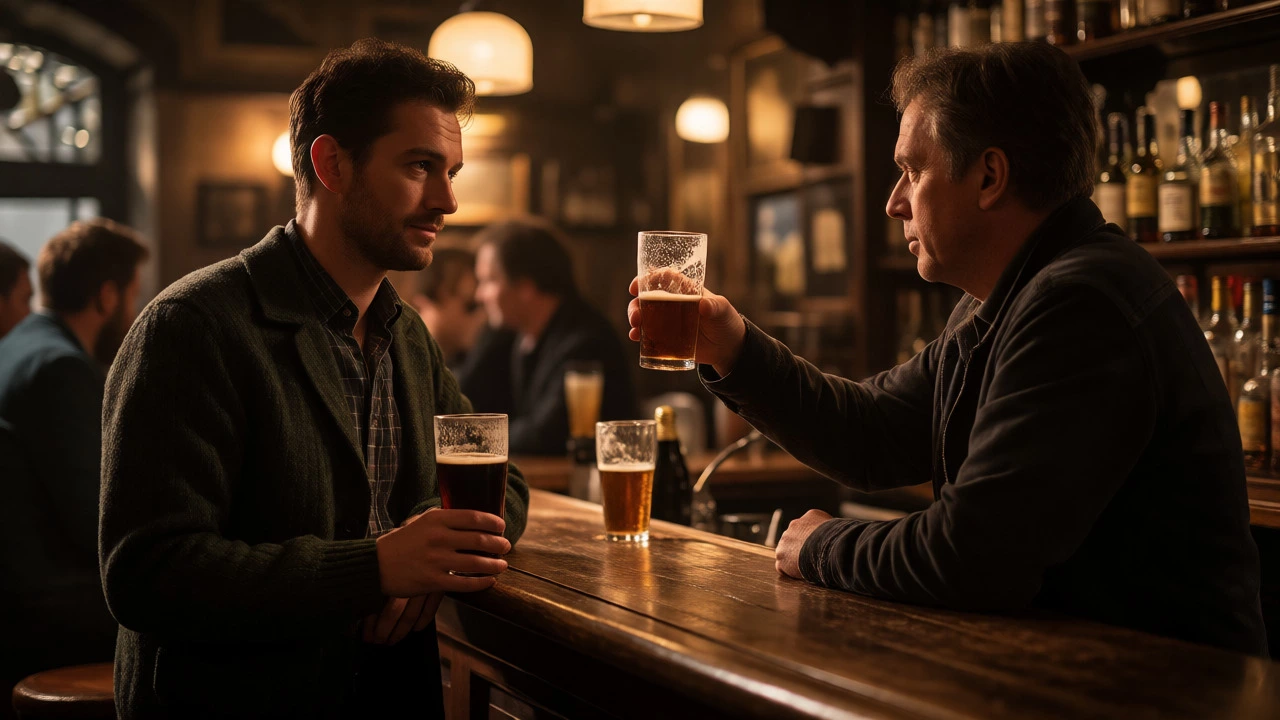
UK Toasting Etiquette Guide
Select your location and setting to find the culturally appropriate toast.
Advice goes here.
If you are planning a trip across the Irish Sea or just curious about how our neighbours behave in pubs, you might wonder what do Brits say when they toast. It is not as simple as raising a glass and shouting "Cheers!" every time. While that word is definitely used, it carries different weights depending on where you are standing. In Dublin, we have our own way of doing things, often involving a bit more eye contact and a specific nod to the group. But if you walk into a pub in Manchester or London, you need to know the local script to avoid looking like a tourist who just landed at Heathrow.
This guide breaks down the unspoken rules of British toasting. We will look at what people actually say, when they say it, and how it differs from the Irish tradition of the "sláinte." Whether you are here for business in Birmingham or a weekend bender in Newcastle, understanding these small social cues can save you from awkward silences or accidental rudeness.
The Short Answer: What Do They Actually Say?
Let’s cut straight to the chase. The most common word you will hear is Cheers, a universal greeting and farewell in the UK that doubles as a toast. However, using it as a toast requires context. If you are clinking glasses with a stranger, you might just nod and smile. If you are with friends, you might say "Cheers" while tapping your glass against theirs. But that is not the only option.
In more formal settings, or when someone makes a speech, you might hear:
- To [Name]: This is direct. If your boss raises a glass, you repeat their name back to them before drinking.
- Here’s to...: Used when celebrating an achievement. "Here’s to the new project!"
- Good health: A slightly older-fashioned phrase, but still heard in traditional pubs or among older crowds.
- Santé: Borrowed from French, this has become trendy in urban areas like London or Bristol, especially among younger professionals.
Notice what is missing? There is no single national equivalent to our "Sláinte." The UK does not have one unified cultural identity when it comes to drinking. Scotland has its own traditions, Wales has others, and England varies by region. Assuming everyone says the same thing is the first mistake many Irish travellers make.
Regional Differences You Need to Know
The UK is not a monolith. Just like we distinguish between a Cork accent and a Galway lilt, the British vary significantly by region. Your approach to toasting should shift based on geography.
| Region | Common Phrase | Cultural Nuance |
|---|---|---|
| England (London/South) | Cheers / Santé | Fast-paced, often informal. Eye contact is key but brief. |
| Scotland | Slàinte Mhath | Gaelic roots remain strong. Often said with warmth and genuine connection. |
| Wales | Iechyd Da | Welsh language pride is high. Using the Welsh phrase earns respect. |
| Northern England | Cheers / Here’s to us | More communal. Toasts often happen collectively rather than individually. |
If you find yourself in Edinburgh, saying "Slàinte Mhath" (pronounced slanj-a va) will likely get you a warmer reception than a generic "Cheers." It shows you understand the Scottish heritage. Similarly, in Cardiff, attempting "Iechyd Da" (yak-id dah) signals respect for the Welsh language. These aren't just words; they are badges of cultural belonging. For an Irish person, this feels familiar because we use "Sláinte" to signal our own identity. The Brits do the same, just with different dialects.
The Mechanics: How to Toast Without Looking Awkward
Knowing the words is half the battle. Knowing the physical actions is the other half. British pub culture is heavily coded. If you get the mechanics wrong, you might seem aggressive or distant.
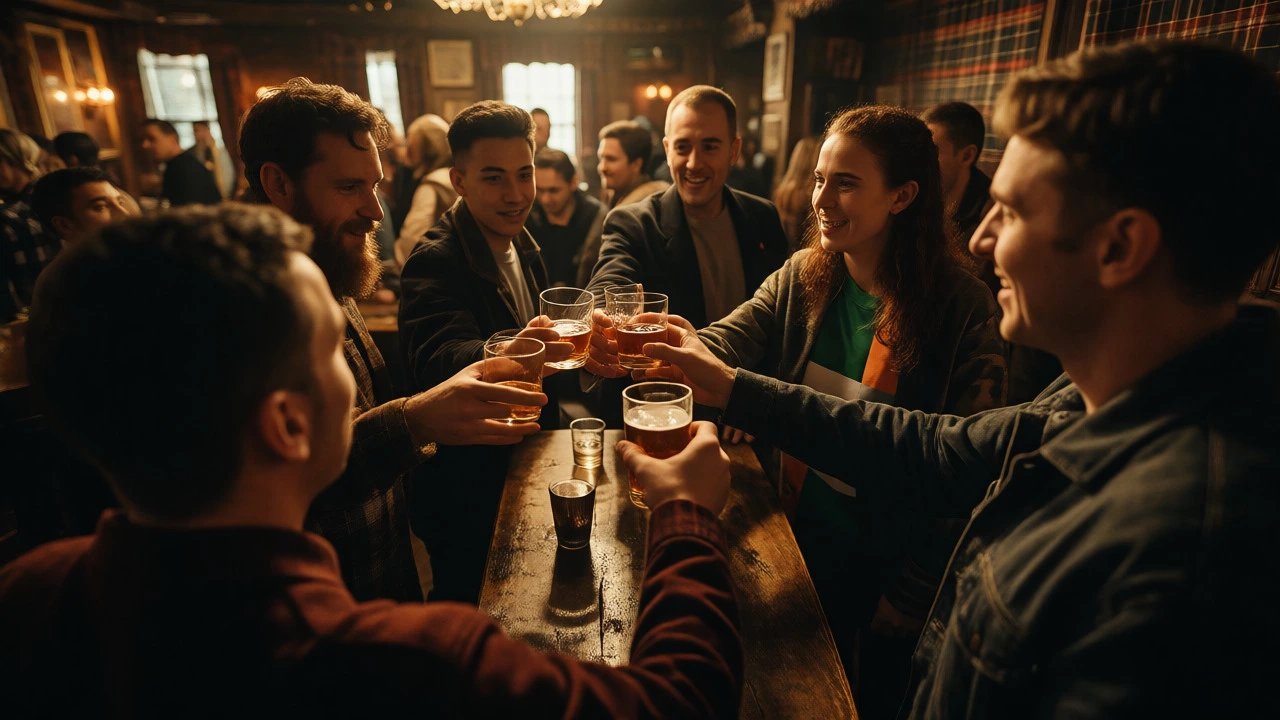
First, consider the glass type. In Ireland, we often tap pints together gently. In parts of England, particularly in city bars serving cocktails or wine, you might not tap at all. Instead, you raise your glass, make eye contact, and take a sip. Tapping hard enough to risk spilling beer is considered rude in sophisticated venues. Save the heavy clink for a rowdy rugby club after a match.
Eye contact is critical. In many cultures, avoiding eye contact during a toast is polite. In the UK, failing to meet someone’s eyes can be interpreted as dishonesty or disinterest. Look them in the eye, smile, say your phrase, and then drink. It sounds simple, but in a noisy pub in Liverpool, maintaining focus can be tricky. Keep it brief. Two seconds of eye contact is plenty. Any longer and it gets weird.
Another pitfall: crossing arms. If you are toasting three or four people around a table, try to arrange yourselves so you don’t cross arms excessively. It looks chaotic and risks knocking drinks over. Stand up if necessary to create space. This is especially relevant in smaller pubs where tables are pushed close together, a layout familiar to anyone who has tried to fit into a snug in Westport.
When Not to Toast
There are times when staying silent is better than speaking up. Understanding when to hold your tongue is part of mastering British toasting etiquette.
Do not interrupt a speech. If someone stands up to propose a toast, wait until they finish. Join in only when they raise their glass. Cutting in early is seen as impatient and disrespectful. This applies whether it is a wedding in Yorkshire or a work dinner in Leeds.
Avoid toasting strangers unless invited. If you are sitting at a bar alone and a group next to you raises their glasses, do not feel compelled to join in unless they explicitly gesture towards you. Uninvited participation can be seen as intrusive. Contrast this with Ireland, where chatting up strangers at the bar is standard practice. In many English cities, personal space is guarded more jealously.
Also, skip the toast if you are not drinking. If you are driving home to County Clare the next morning and sticking to soda water, you do not need to mimic the drinkers. A polite nod is sufficient. Pretending to drink alcohol when you are not can lead to messy situations later. Honesty is valued, even if it means being the designated driver.
Irish vs. British: Where the Traditions Collide
As Irish people, we often assume our habits translate directly. They do not always. Our "Sláinte" is deeply embedded in our identity, linked to health and well-being. The British "Cheers" is more transactional. It acknowledges the moment without necessarily invoking deep sentimentality.
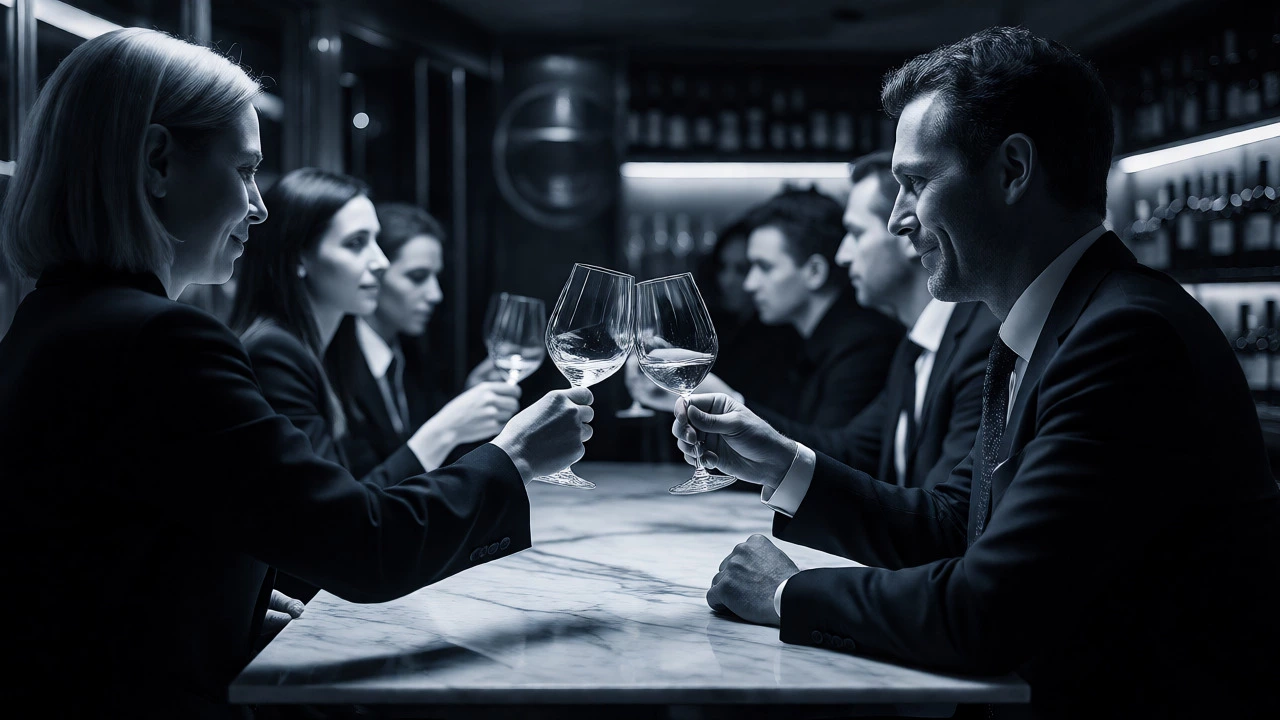
Consider the volume. Irish pubs are known for their loudness and collective energy. We toast loudly, singing along if possible. In many British pubs, especially those catering to professionals, the atmosphere is quieter. Toasts are subdued. Shouting "CHEERS!" in a hushed wine bar in Kensington will draw stares. Adjust your volume to the room.
Furthermore, the frequency differs. In Ireland, we might toast multiple times a night, marking each round or new arrival. In the UK, toasts are often reserved for specific moments: the start of a meal, a birthday, or a significant announcement. Constant toasting can be perceived as performative or attention-seeking.
However, there is overlap. Both cultures value camaraderie. Both use alcohol as a social lubricant. The difference lies in the ritual. We ritualize the connection; they ritualize the occasion. Recognizing this distinction helps you navigate both environments gracefully.
Practical Tips for Irish Travellers
If you are heading to the UK soon, keep these quick tips in mind to blend in seamlessly.
- Listen first: Spend ten minutes observing the locals before joining a toast. Match their energy and volume.
- Learn the local slang: If you are in Glasgow, learn basic Scots phrases. If in Cornwall, note any local variations. It impresses hosts.
- Don’t force the clink: If glasses are fragile or crowded, a raised glass is safer than a physical tap.
- Read the room: Is it a funeral wake? A celebratory lunch? A casual Friday pint? The tone dictates the phrase.
- Be ready for silence: Sometimes, nothing is said. People just nod and drink. That is okay too.
Remember, mistakes happen. If you accidentally shout "Sláinte" in a quiet London bar, just laugh it off. Most Brits appreciate the effort and the humour. Authenticity wins over perfection every time.
Is "Cheers" rude to say to strangers?
Not usually, but it depends on the context. Saying "Cheers" as a thank you is fine. Saying it as a toast to a complete stranger who hasn't acknowledged you can be seen as intrusive. Wait for mutual recognition before initiating a toast.
Do Brits say "Sláinte"?
Generally, no. "Sláinte" is specifically Irish and Scottish Gaelic. While some Brits familiar with Celtic cultures might recognize it, using it in England might mark you clearly as Irish or Scottish. It is not offensive, but it is not the local norm.
What is the proper response to a toast?
The standard response is to repeat the toast or simply say "Cheers" back. If someone says "To your success," you reply "To yours" or "Cheers." Maintain eye contact and drink shortly after the proposer does.
Can I toast with tea or coffee?
Yes, but it is less common in casual pub settings. In cafes or homes, raising a cup of tea is perfectly acceptable. The etiquette remains the same: acknowledge the group, make eye contact, and sip.
Why do Brits avoid crossing arms when toasting?
Crossing arms creates visual clutter and increases the risk of spilling drinks. It also disrupts the flow of eye contact. Standing up or shifting positions to form a circle is preferred for larger groups.