Leather Shoe Fit & Comfort Calculator
Assess Your Fit
Your Fit Analysis
Select your options and click "Analyze Fit" to see if your shoes are ready for Irish weather.
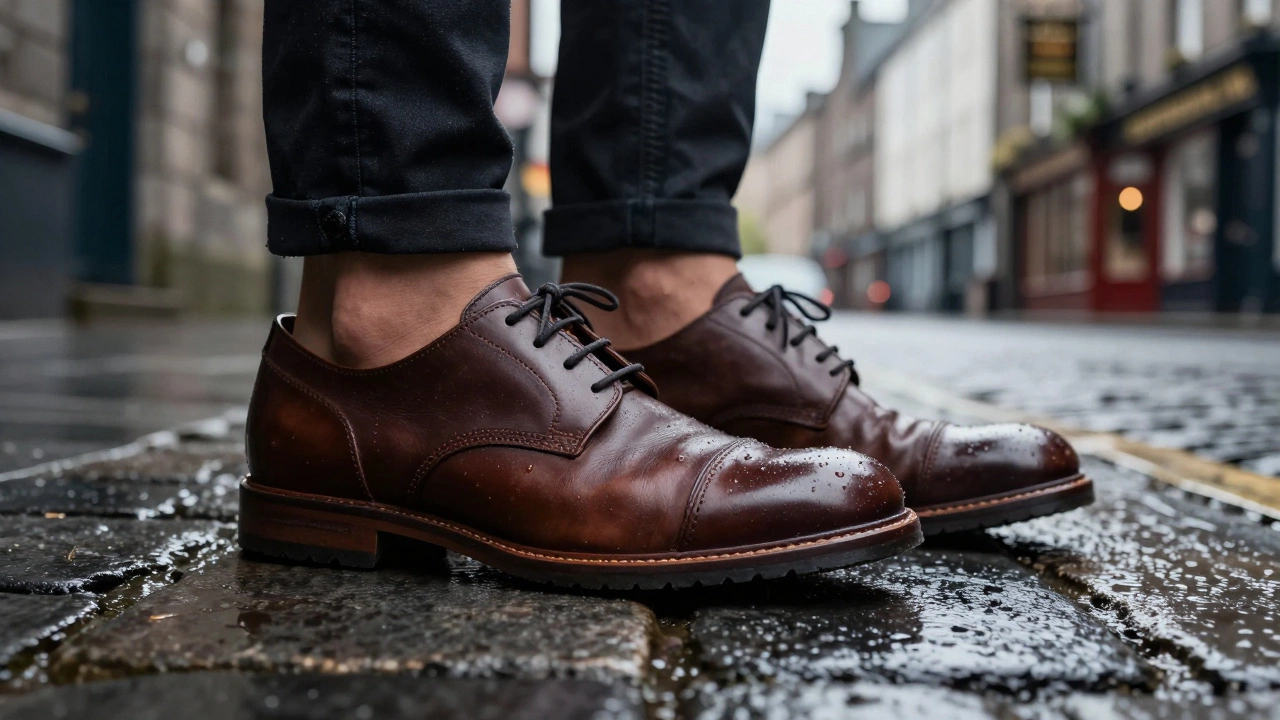
Picture this: You are standing in line at a pub on O'Connell Street in Dublin, or perhaps navigating the cobblestones of Galway's Latin Quarter. It is a typical Irish afternoon-grey skies, a sharp wind coming off the Atlantic, and that familiar, relentless drizzle. You look down at your new pair of leather shoes, which are durable footwear made from animal hide that molds to the foot over time. They feel stiff. Your toes are pressing against the front. Is this normal? Should you have gone up a size? This question haunts every shopper who walks into a store from Cork to Derry. The answer isn't just about comfort; it is about survival in our unpredictable climate.
In Ireland, we don't buy shoes just for aesthetics. We buy them to handle mud, rain, and long days on our feet. If you get the fit wrong, you aren't just dealing with a sore heel; you are risking blisters that will ruin your weekend hiking the Cliffs of Moher or your daily commute on the Luas. So, should they be tight or loose? The short answer is neither. They should be snug now, but roomy enough for tomorrow. Here is exactly how to find that sweet spot.
The Golden Rule: Snug, Not Squeezed
When you first slide your foot into a new pair of quality leather shoes, there is often a moment of panic. "These are too tight," you think. Hold on. Leather is a living material. It breathes, it stretches, and it changes shape based on your foot's unique topography. However, it does not stretch infinitely. It expands laterally (side-to-side) more than it does longitudinally (lengthwise).
If your shoes are painful right out of the box, they are likely too small. Pain is a warning sign, not a rite of passage. But if they feel like they are floating around your feet, they are too big. In the Irish market, where brands vary wildly between European sizing (common in stores like Brown Thomas or locally owned cobbler shops) and UK sizing (standard in many high street chains), confusion is common. A size 8 in one brand might be a size 7.5 in another.
The goal is a "snug" fit. Imagine shaking hands with someone firm but friendly. That is how your foot should feel inside the shoe. There should be no slipping at the heel when you walk, but your toes should never touch the end of the toe box. You need about a thumb’s width of space between your longest toe and the front of the shoe. This space is crucial because your feet swell during the day, especially if you are walking around Temple Bar or working a shift in a restaurant in Kilkenny.
Why "Too Tight" Is a Disaster Waiting to Happen
Many people believe that tight shoes will simply "break in" to perfection. This is a dangerous myth. While leather softens, it does not significantly increase in volume. If your pinky toe is crammed against the side seam, it will stay there. Over time, this constant pressure can lead to bunions, hammertoes, and chronic nerve pain.
Consider the geography of Ireland. We love our outdoor activities. Whether you are trekking through Connemara National Park or just walking the dog in Phoenix Park, your feet expand due to heat and movement. If you start with a tight shoe, that expansion has nowhere to go. The result? Blisters. And let me tell you, nothing ruins an Irish summer festival like a blister on your heel. You won't be dancing at Fleadh Cheoil if your feet are bleeding.
Furthermore, tight shoes restrict circulation. In our cooler months, poor circulation means cold toes. Cold toes mean discomfort, and discomfort means you are focused on your feet instead of enjoying your surroundings. If you feel numbness or tingling after wearing new shoes for thirty minutes, take them off immediately. They are too small.
The Problem with "Too Loose" Shoes
On the flip side, buying shoes that are slightly too large "for growth" or "just in case" is equally problematic. Loose shoes create friction. Every time you take a step, your foot slides forward and backward inside the shoe. This rubbing causes blisters faster than tight shoes do.
In Ireland, where pavements can be uneven and historic streets are often paved with slippery stone, stability is key. Loose shoes compromise your balance. You are more likely to twist an ankle on a wet cobblestone in Galway if your shoe isn't holding your heel firmly in place. Additionally, loose shoes look sloppy. Even if you are dressing casually for a trip to the Aran Islands, a well-fitted shoe looks intentional and put-together.
If you find a pair of shoes you love but they are slightly loose, don't buy them hoping they will shrink. Instead, consider using thicker socks or adding an insole. This is a much safer and more adjustable approach than gambling on a bad fit.
Breaking Them In: The Irish Way
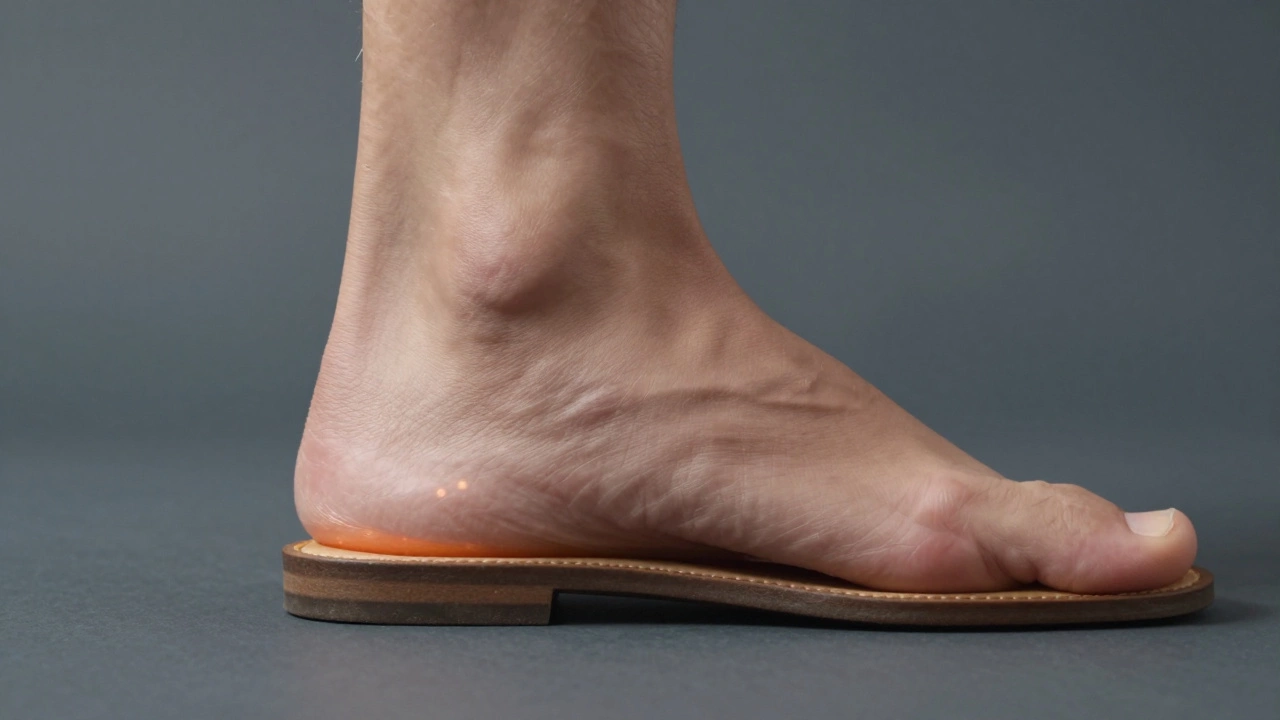
So, you’ve found a pair that feels snug but not painful. Now comes the breaking-in process. In Ireland, we have a saying: "There’s no such thing as bad weather, only bad clothing." The same applies to shoes. You need to introduce them to your life gradually.
- Start Indoors: Wear your new shoes around the house for an hour or two. Walk on different surfaces-carpet, hardwood, tile. This helps the leather begin to mold to your foot without the added stress of outdoor terrain.
- The Short Walk: After a few days of indoor wear, take them outside for a short walk. Maybe a stroll to the local bakery in Ennis or a quick trip to the post office in Limerick. Keep it under 30 minutes.
- Gradual Increase: Slowly increase the duration and distance. By week two, you should be able to wear them for a full day. By week three, they should feel like an extension of your foot.
- Use Leather Conditioner: Irish air can be dry indoors due to heating, which makes leather brittle. Apply a good quality leather conditioner (brands like Saphir or local Irish-made products) to keep the material supple. This speeds up the breaking-in process.
Avoid soaking them in water or putting them near a radiator to speed things up. Heat damages leather, causing cracks and permanent deformation. Patience is a virtue here, just as it is when waiting for the bus in rural Mayo.
Material Matters: Full-Grain vs. Suede
Not all leather is created equal. When shopping in Ireland, you’ll encounter various types of leather, each behaving differently.
| Leather Type | Stretch Factor | Best For | Irish Weather Suitability |
|---|---|---|---|
| Full-Grain Leather | Low to Moderate | Dress shoes, boots | Excellent (water-resistant) |
| Suede | Moderate | Casual shoes, loafers | Poor (absorbs water quickly) |
| Patent Leather | Very Low | Formal events | Good (shiny finish repels light rain) |
| Nubuck | Moderate | Boots, casual wear | Fair (needs waterproofing spray) |
Full-grain leather is the gold standard. It is durable, breathable, and develops a beautiful patina over time. It stretches minimally, so getting the initial fit right is critical. Suede is softer and more forgiving initially, but it offers less protection against the elements. If you live in a rainy part of Ireland like West Clare, suede might not be your best friend unless you treat it heavily with waterproofing sprays.
Seasonal Adjustments: Winter vs. Summer
Your shoe fit needs change with the seasons. In winter, you’ll likely wear thicker socks. Wool socks, popular in Ireland for their warmth and moisture-wicking properties, add bulk to your foot. If you buy shoes in July, they might feel perfect. But in January, those same shoes could be painfully tight with thick wool socks.
Conversely, in summer, your feet swell more due to heat. If you buy shoes in December, they might feel fine then but pinch your toes by August. The solution? Always try on shoes in the afternoon or evening. Your feet are naturally larger at the end of the day due to fluid accumulation. If they fit comfortably then, they will fit comfortably anytime.
Also, consider the type of sock you plan to wear most often. If you work in an office in Dublin City Centre and wear thin dress socks, you can afford a tighter fit. If you’re a builder in Belfast or a farmer in Tipperary wearing heavy-duty work socks, you need more room.
Local Expertise: Visit a Cobbler
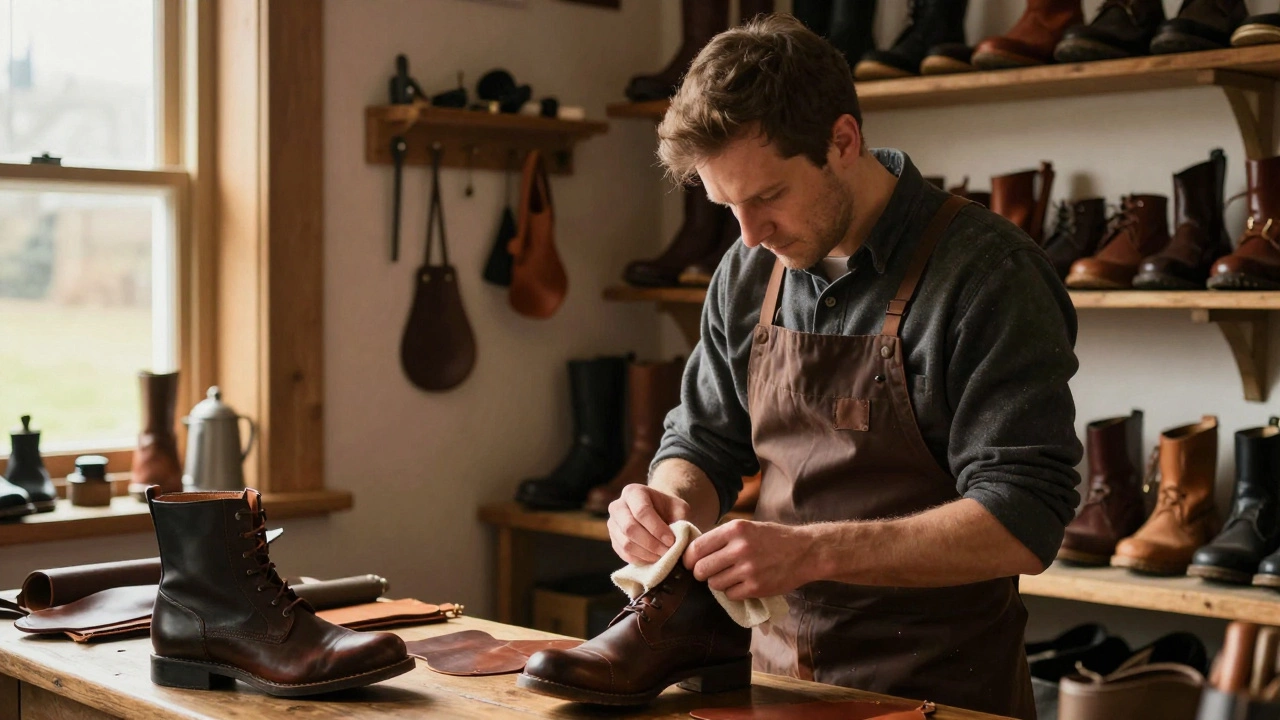
In Ireland, we still value craftsmanship. Don’t hesitate to visit a local cobbler. Shops like those in Temple Bar or independent cobblers in smaller towns like Killarney can offer invaluable advice. They can measure your feet accurately, recommend specific brands known for their last (the mold around which the shoe is built), and even adjust the fit if needed.
A good cobbler can stretch specific areas of a shoe that are too tight, such as the toe box or the instep. They can also add heel grips to prevent slipping if the shoe is slightly too loose. This personalized service is something you won’t get from online retailers. Supporting local businesses ensures you get expert advice tailored to your needs and our local conditions.
Signs You Need to Return or Exchange
Despite your best efforts, sometimes a shoe just isn’t right. Here are the red flags that indicate you should return or exchange your purchase:
- Persistent Pain: If you experience pain after 15 minutes of wear, stop. Do not "push through it."
- Heel Slippage: If your heel lifts out of the shoe with every step, even with proper lacing, the shoe is too big or the wrong shape for your foot.
- Toes Touching the Front: When walking, your toes should not jam against the front of the shoe. This indicates insufficient length.
- Pressure Points: Sharp pain on the sides of your feet or on the ball of your foot suggests the shoe is too narrow or the wrong width.
Most reputable stores in Ireland, including larger chains and independent boutiques, have reasonable return policies. Take advantage of them. It’s better to spend an extra hour shopping than weeks suffering with ill-fitting shoes.
Final Thoughts on Finding Your Perfect Pair
Finding the right fit for leather shoes is a balancing act. It requires understanding your own feet, the material you’re buying, and the environment you’ll be walking in. In Ireland, where weather and terrain can change in an instant, comfort and durability are non-negotiable. Remember, tight shoes cause long-term damage, while loose shoes cause immediate blisters. Aim for snug, break them in slowly, and don’t be afraid to seek professional help. Your feet carry you through life-treat them with the respect they deserve.
How long does it take to break in new leather shoes?
Typically, it takes 2 to 4 weeks to fully break in new leather shoes. Start by wearing them indoors for short periods, then gradually increase the time spent outdoors. Full-grain leather may take longer than softer leathers like suede.
Should I buy leather shoes half a size up?
Generally, no. Buying half a size up can lead to heel slippage and blisters. Instead, focus on finding the correct width and ensuring there is about a thumb's width of space at the toe. If you are between sizes, consult a specialist or try both sizes with the socks you intend to wear.
What is the best time of day to buy shoes in Ireland?
The best time to buy shoes is in the late afternoon or early evening. Your feet swell throughout the day due to gravity and activity. Trying on shoes when your feet are at their largest ensures they will fit comfortably at any time of day.
Can a cobbler stretch tight leather shoes?
Yes, a professional cobbler can stretch specific areas of leather shoes, such as the toe box or the instep, using specialized tools. However, they cannot significantly increase the length of the shoe. It is best to address minor tightness issues rather than major sizing errors.
How do I care for leather shoes in Irish weather?
Regular maintenance is key. Clean your shoes after exposure to mud or salt. Use a leather conditioner every few months to keep the material supple. For waterproofing, apply a suitable spray or wax, especially before the rainy season. Store them in a cool, dry place with shoe trees to maintain their shape.