Shoe Health Assessment Tool
How it works: Select the best description for your current pair of shoes below. This tool uses a scoring system based on safety, comfort, and cost-effectiveness criteria to recommend whether you should keep, repair, or replace them.
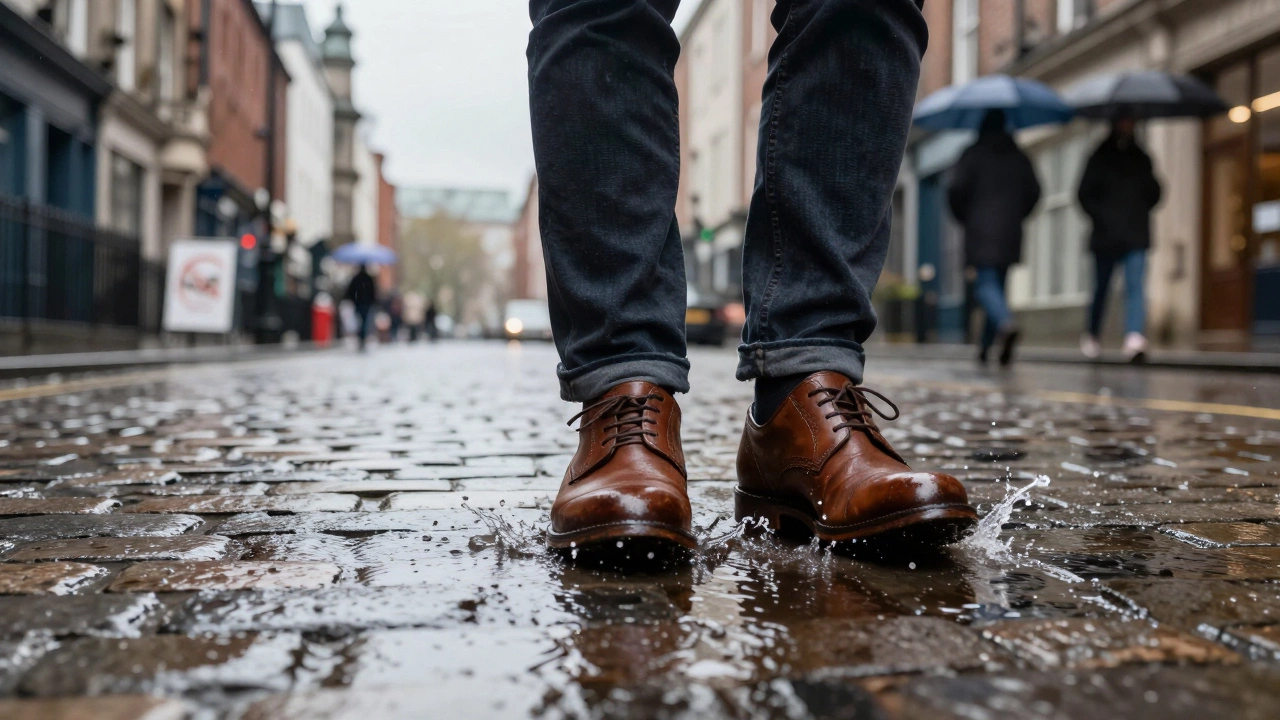
You walk through Dublin on a typical Tuesday morning. The sky is grey, the wind cuts through O'Connell Street, and you step into a puddle near Spital Yard. Your shoes get soaked. You dry them out that evening, only to find the leather stiff and cracking a week later. This cycle is familiar to many across Ireland, where our unpredictable weather constantly tests the limits of our footwear. Knowing exactly when to replace leather shoes is crucial for both your comfort and your bank account.
Leather Shoes are durable items made from animal hide that protect feet while offering style and support. Unlike synthetic materials, they breathe and mould to your foot shape over time. However, this material requires patience and care. In the Irish climate, the constant exposure to moisture accelerates wear. Many people wait until their shoes fall apart, causing pain and posture issues. By the time you notice significant damage, your gait might already be affected.
Physical Signs of Wear on the Sole
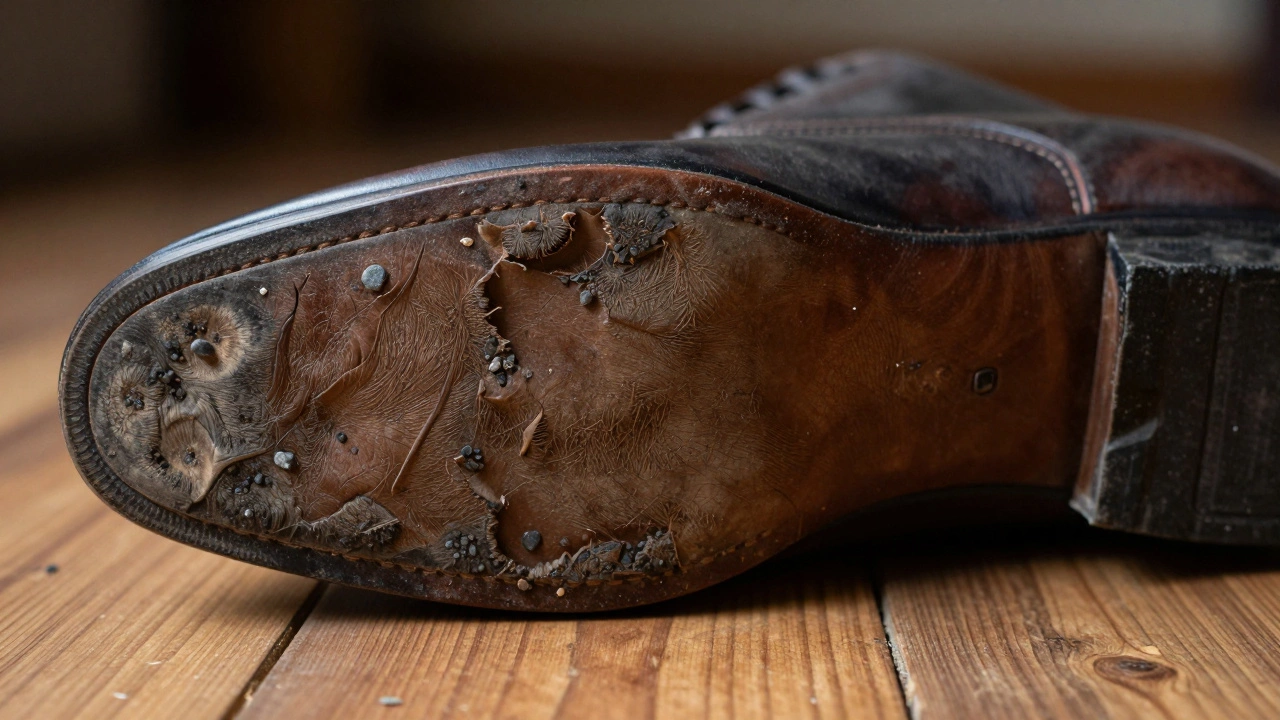
The sole is the foundation of any good pair. In Ireland, we often choose between leather soles and rubber ones. A leather sole looks classic and offers great traction on dry indoor floors, like those in a historic pub in Kilkenny. But outside? They become slippery and wear down quickly on wet pavements. If you can see through the holes in the leather sole, it's done. Even if there is no hole, uneven wear indicates balance issues.
Look closely at the tread pattern. On rubber-soled shoes, such as those from local makers like R.M. Williams or imported brands found in Brown Thomas, the grooves provide grip. When these grooves disappear, especially on the outer edge of the heel, slipping becomes a risk. If you have walked more than 5,000 kilometres in a single pair, the density of the midsole compresses permanently. You lose shock absorption, which leads to knee strain during long commutes on the Luas or DART.
| Component | Normal Wear | Critical Wear |
|---|---|---|
| Sole Thickness | Evens out slightly | Holes visible or completely worn through |
| Heel Alignment | Mild tilt after heavy use | Severe angle change or wobbling |
| Upper Leather | Faint creases | Deep cracks or tearing fabric |
The Condition of the Uppers and Lacing
While soles get attention, the upper part tells its own story. Leather stretches. Over three years of regular use, the collar around the ankle widens. This creates pressure on the shinbone because the shoe no longer holds your foot firmly. Check the tongue area. If the padding is flattened, the laces dig into your instep every time you tie them up tightly.
Rips near the toe box are another red flag. In a city environment like Belfast or Cork City Centre, scuff marks happen. But deep splits mean the structural integrity is gone. Sometimes, the stitching separates from the welt. This seam connects the upper to the sole. If the stitching pulls loose, water enters directly to the insole, rotting the cork layer underneath. Once the cork fills with damp air and mud, it never dries completely, leading to odour and bacteria growth inside the lining.
Discomfort and Posture Changes
Pain is the body's signal. You don't need a specialist to tell you something is wrong. If your feet ache at the arch after walking half a mile through Merrion Square, the internal support is compromised. The insole, often made of sheepskin or foam, degrades faster than the exterior. Walking barefoot inside an old shoe feels different than stepping onto a soft carpet. If that difference is gone, the cushioning has failed.
Your posture shifts unconsciously. A worn-out right shoe forces you to favour your left leg. Over time, this imbalance travels up to your hips and spine. People working in standing jobs, like retail staff on Henry Street in Dublin or hospitality workers in Killarney, face high risks here. Listen to your knees. Clicking sounds when squatting or stiffness upon waking could trace back to poor footwear shock absorption.
Repair Versus Replace: The Irish Context
Ireland has a rich tradition of craftsmanship. We still have independent cobblers operating in every major town square. In Dublin, shops along Grafton Street offer restoration services. They can re-heel a boot or add a protective topy (rubber layer) to a leather sole. This extends life significantly. However, economics play a role. Re-soling a dress shoe might cost €80 to €120 depending on the brand.
If the original pair cost €150, paying half again to fix it makes sense. If the price was €50, buying new might be smarter. High-end brands like Grenson or Cheaney justify the investment. Their Goodyear-welted construction allows for multiple sole changes. Budget store shoes often use cemented glue methods. Once the glue fails, a cobbler cannot repair it effectively. Assess the quality before visiting a repair shop.
A local tip from experienced cobblers in Galway suggests carrying a notebook. Track how often you send shoes for repairs. If the total repair cost exceeds 60% of a new equivalent pair, retire the old ones. Also consider the age of the insole. Replacing the outside doesn't restore the inside comfort memory of the footbed.
Cleaning and Waterproofing for Longevity
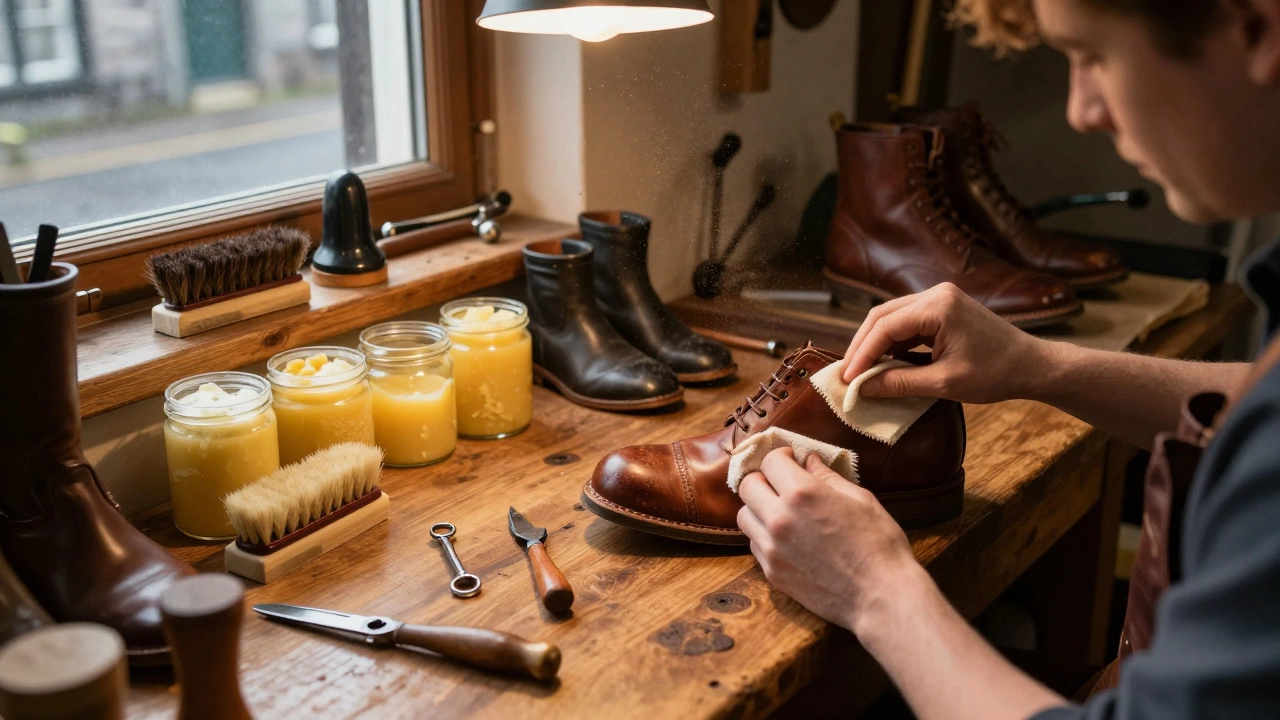
Prevention beats cure. Our weather requires proactive care. Using a silicone spray helps repel rain but can degrade natural oils over time. Instead, opt for beeswax-based products. Brands like Dr. Martens produce waxes that seal pores without suffocating the leather. Apply this monthly during winter months when salt and grit cover the roads.
Drying is critical. Never place wet shoes near a radiator or fire. High heat shrinks the leather and causes brittle cracking. Stuff them with newspaper to absorb moisture overnight. Rotate your pairs. Give each set at least 24 hours to dry completely before wearing again. This rotation practice alone adds thousands of steps to their lifespan.
The Environmental Impact of Keeping Shoes Longer
Sustainability matters in modern Ireland. Fast fashion contributes to landfill waste. Extending the life of your footwear reduces carbon footprint. However, keeping dangerous shoes poses health risks. There is a balance. A refurbished sole is often greener than manufacturing a new product. Supporting local cobblers sustains heritage trades rather than global factories. By repairing, you keep money circulating within the community economy.
Consider donating if they are beyond repair but structurally sound. Charities in rural areas sometimes accept second-hand work boots. Recycling schemes exist for trainers via sports retailers like ASOS or Decathlon, but leather dress shoes rarely fit these bins. Repurposing parts for DIY projects or selling for parts online can be a final option.
Decision Matrix for Replacement
Use these criteria before making a financial commitment:
- Structural Integrity: Can the shoe hold weight without buckling?
- Health Factor: Does it cause blisters, arch pain, or back ache?
- Weather Proofing: Are toes getting cold or wet easily?
- Cosmetic Appeal: Do you avoid wearing them due to appearance?
- Repair Ratio: Is the repair bill exceeding 50% of new value?
If you answer yes to negative factors, it's time to move on. Waiting too long means compromising safety. In regions with icy patches like Wicklow Mountains or mountainous Donegal, grip is essential for preventing falls. A compromised sole is a trip hazard waiting to happen on a busy pavement.
How do I know if my leather soles need replacing?
Inspect the bottom for smoothness or thin spots. If water seeps through to your socks immediately upon stepping in a puddle, the sole is penetrated. Visual checks show thinning where the leather wears flat compared to the raised edges.
Is it cheaper to buy new shoes or fix old ones in Ireland?
It depends on the initial quality. For premium brands costing over €200, repairs are often cheaper than replacement. For cheap shoes under €80, new purchases are usually more cost-effective than paying €100 for sole work.
Can I repair cracked leather myself?
Small surface scratches are manageable with creams or dyes. Deep structural cracks in the upper require professional gluing. Attempting complex repairs with household glue usually ruins the texture permanently.
Why do shoes lose their shape over time?
Constant friction from walking stretches the materials. Heat expands the rubber components, and sweat breaks down the internal adhesives. Rotation helps preserve the original contour of the toe box and heel cup.
Where can I find a reliable cobbler in Dublin?
Independent shops remain along Grafton Street and George's Street Arcade. Search directories for members of the Guild of Cobblers to ensure verified craftsmanship standards.