Sneaker vs. Activewear Classifier
Ready to Check
Select an activity and describe your shoes to see the verdict.
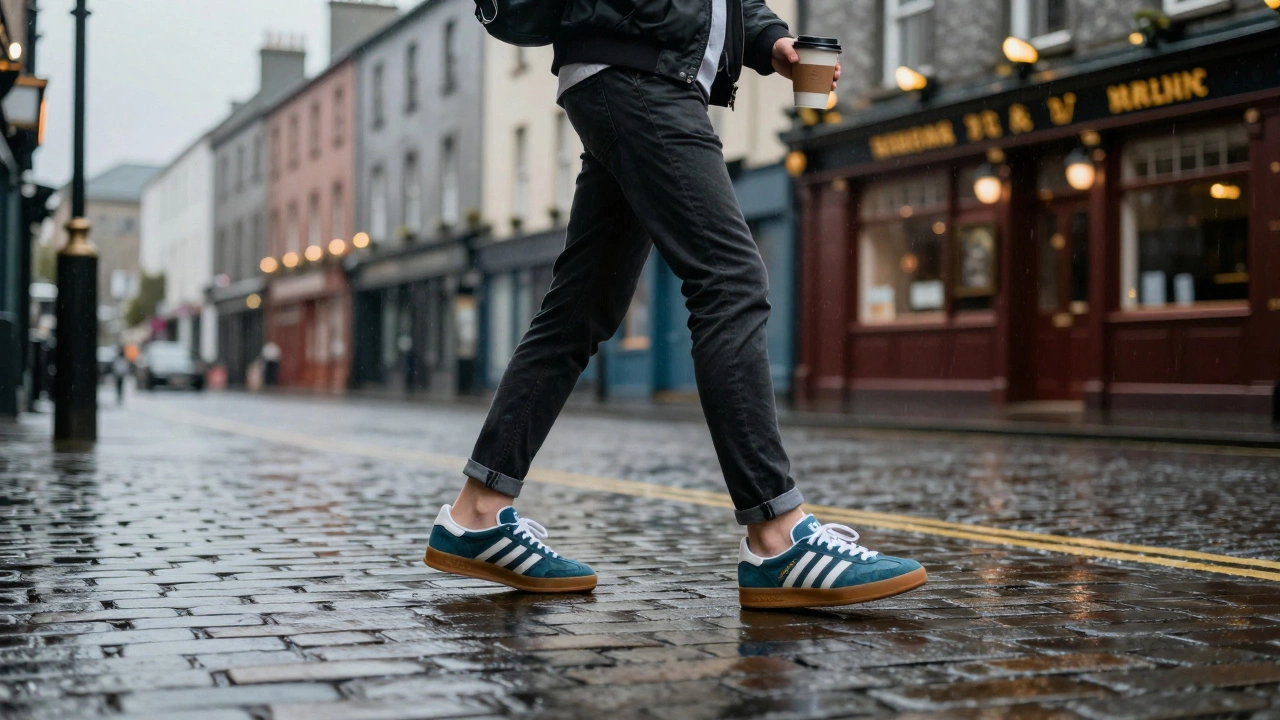
You step out of your flat in Galway city center, rain slicking the pavement, and head toward a pub on Shop Street. You’re wearing your favorite pair of Adidas Gazelle sneakers. Are you dressed for a gym session or just living life? This is the question that haunts many of us navigating the tricky waters of Irish style. In Ireland, the line between activewear and everyday footwear has blurred so much it’s practically invisible. But does that mean your sneakers are officially part of your workout kit?
The short answer is no-not strictly speaking. But the longer answer is far more interesting. It involves understanding how Irish weather, local culture, and global fashion trends have reshaped what we wear from Dublin to Cork. Let’s break down why your sneakers might be considered activewear by some, but definitely not by others.
The Blurred Line Between Gym Gear and Street Style
To understand whether sneakers count as activewear, we first need to define what activewear actually means in the modern context. Traditionally, activewear refers to clothing designed specifically for physical activity-think moisture-wicking fabrics, compression fits, and technical performance features. By this definition, a classic leather sneaker doesn’t qualify. It lacks the breathability and support needed for intense exercise.
However, the rise of athleisure has changed everything. Athleisure is a hybrid category where athletic-inspired clothing becomes acceptable for daily wear. In Ireland, this trend took off rapidly around 2018-2019, fueled by the popularity of brands like Nike, Lululemon, and local favorites such as Jack Wills incorporating sporty elements into their collections.
Today, you’ll see people in Temple Bar wearing yoga pants with blazers, or hiking boots paired with designer jeans. Sneakers sit right at the heart of this movement. They’re comfortable, versatile, and increasingly stylish. But being fashionable doesn’t automatically make them activewear.
What Counts as Activewear in Ireland?
In Ireland, activewear typically includes:
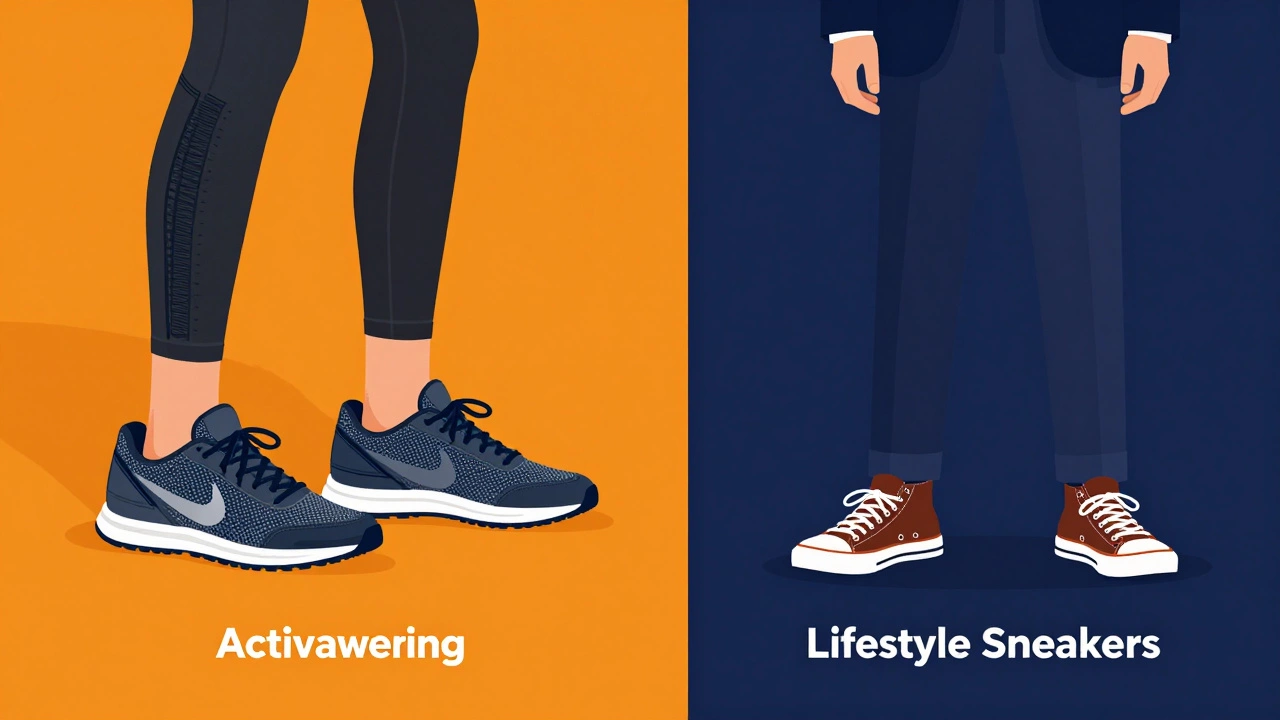
- Performance running shoes: Designed for impact absorption and stability during runs.
- Gym-specific trainers: Built for weightlifting or cross-training with minimal cushioning.
- Technical apparel: Moisture-wicking tops, compression tights, and breathable shorts.
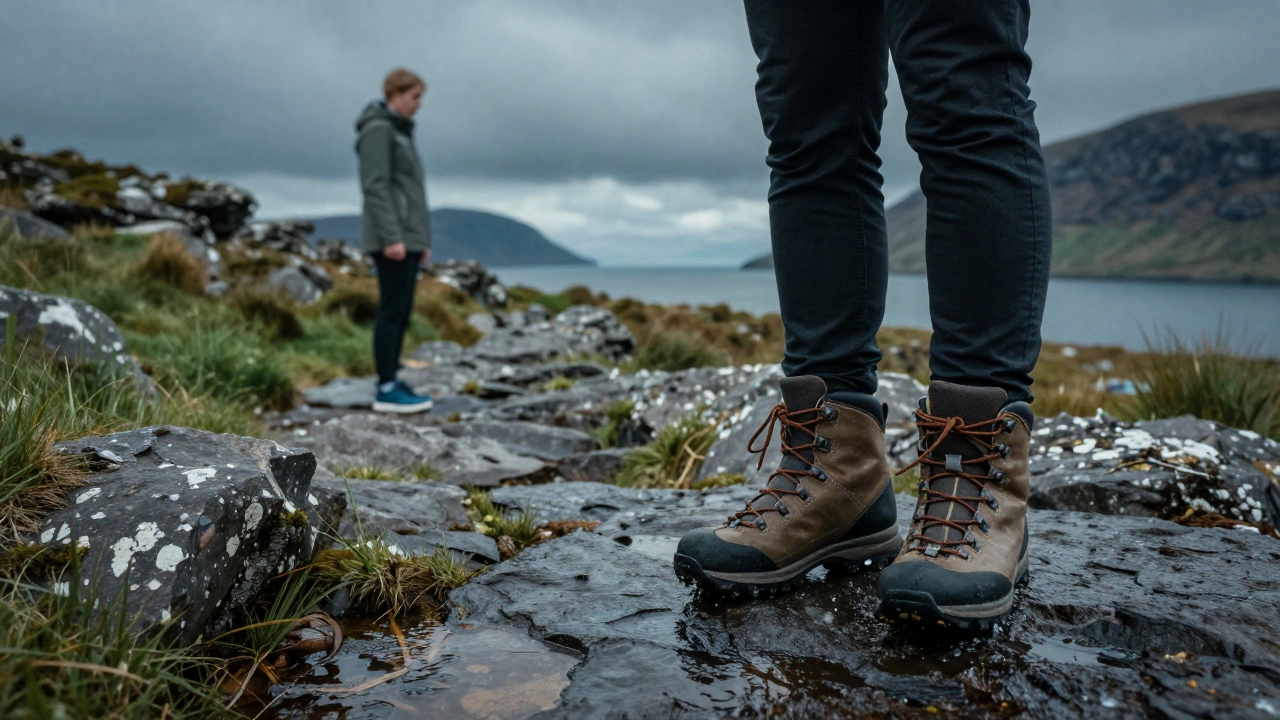
- Hiking gear: Waterproof boots and gaiters suited for rugged terrain like the Wild Atlantic Way.
Sneakers, on the other hand, fall into a different bucket. They’re primarily lifestyle footwear. While they may look similar to training shoes, most sneakers prioritize aesthetics over function. Take the iconic Converse Chuck Taylor, for example. Great for concerts in the O2 Arena, terrible for serious workouts.
The Role of Weather in Defining Footwear
Ireland’s climate plays a huge role in how we categorize our clothes. With frequent rain, wind, and unpredictable temperatures, practicality often trumps strict definitions. A waterproof sneaker from Vans might get you through a drizzle in Killarney, but it won’t hold up against a proper storm hike in Connemara.
This leads to an important distinction: weather-appropriate versus activity-appropriate. Just because something works in light rain doesn’t mean it’s suitable for high-intensity exercise. Many Irish consumers confuse these two categories, leading to mismatched expectations about durability and performance.
Cultural Context: How Ireland Views Sneakers Today
In urban centers like Dublin, Cork, and Belfast, sneakers are widely accepted as part of smart-casual attire. You’ll find professionals pairing them with chinos and tailored jackets in offices across Leeson Street or Merrion Square. Even in more conservative settings, clean, minimalist sneakers are gaining ground.
Rural areas tell a slightly different story. In counties like Mayo or Donegal, traditional outdoor activities dominate lifestyles. Here, sturdy hiking boots remain king, while sneakers are reserved for town trips or casual social gatherings. The cultural divide reflects broader differences in lifestyle priorities between city dwellers and countryside residents.
Interestingly, younger generations (Millennials and Gen Z) show less concern about formal dress codes altogether. For them, comfort reigns supreme. If it feels good and looks decent, it goes. This mindset has accelerated the acceptance of sneakers in nearly every setting except perhaps black-tie events.
When Do Sneakers Cross Into Activewear Territory?
There are specific scenarios where sneakers can legitimately be classified as activewear:
- Low-Impact Activities: Walking tours, cycling commutes, or gentle Pilates sessions allow for flexible footwear choices.
- Fashion-Focused Fitness: Some boutique studios encourage stylish outfits alongside movement-based classes.
- Hybrid Use Cases: Brands like On Running design models intended for both gym use and daily wear.
If your sneakers meet functional requirements for your chosen activity, then yes-they qualify as activewear. Otherwise, stick to dedicated gear when pushing limits.
Brand Perspectives: What Industry Leaders Say
Major brands take varied approaches to labeling products. Nike markets certain sneakers under its “Lifestyle” division rather than “Sports.” Adidas separates its Originals line (fashion-focused) from Performance lines (sport-oriented). Meanwhile, newer entrants like Allbirds blur boundaries further by promoting eco-friendly materials usable across contexts.
Local Irish retailers also reflect this shift. Stores like Brown Thomas carry premium sneakers alongside luxury activewear, signaling consumer demand for crossover pieces. Smaller boutiques in towns like Kinsale or Dingle emphasize versatility, stocking items that transition seamlessly from trail walks to café visits.
Practical Tips for Choosing the Right Sneakers
Here’s how to decide if your sneakers belong in your activewear drawer:
- Check Purpose: Will you run, lift weights, or do HIIT? Choose accordingly.
- Assess Support: Look for arch support, heel counters, and responsive midsoles.
- Evaluate Breathability: Mesh panels help prevent overheating during exertion.
- Consider Durability: Daily wear demands tougher construction than occasional outings.
- Match Occasion: Reserve fashion-forward styles for leisure; opt for performance tech for workouts.
A simple rule of thumb: if you’d hesitate before doing burpees in them, they probably aren’t true activewear.
Conclusion: Embrace Versatility Without Confusion
Sneakers occupy a unique space in Irish fashion-one rooted in convenience, influenced by global trends, yet shaped by local realities. While they may resemble activewear visually, their primary purpose remains lifestyle enhancement. Understanding this distinction helps you make smarter purchasing decisions and avoid disappointment during actual physical challenges.
Next time you lace up those beloved kicks heading to a match in Croke Park or a morning jog along the Liffey, ask yourself: am I dressing for fun or function? Either way, Ireland welcomes your choice-with open arms and dry socks, hopefully.
Can I wear regular sneakers to the gym in Ireland?
It depends on your activity. For low-intensity exercises like walking or stretching, regular sneakers work fine. However, for running, lifting, or high-intensity interval training, invest in proper gym shoes built for safety and performance.
Are there any Irish-made activewear brands worth trying?
Yes! Brands like Tigerlily Sportswear offer sustainable, locally produced options perfect for active lifestyles. Their designs combine functionality with ethical production practices.
How do I know if my sneakers are water-resistant enough for Irish weather?
Look for labels mentioning Gore-Tex membranes or sealed seams. Test them lightly before full exposure. Remember, even water-resistant shoes have limits-avoid deep puddles or prolonged submersion.
Is it okay to wear sneakers to work in Ireland?
In creative industries or startups, absolutely. Traditional corporate environments may still prefer formal footwear. Always check company policy or observe colleagues’ choices before committing fully.
Where can I buy affordable activewear in Ireland?
Decathlon offers budget-friendly options nationwide. Online platforms like Amazon.ie provide competitive pricing too. Seasonal sales at major retailers like Sports Direct or JD Sports present great opportunities for savings.