Heritage Shoe Brand Finder
Select a brand from the list below to view its founding year, origin, signature style, and suitability for the Irish market.
Select a Brand
Click on a brand name to see detailed information about its history, craftsmanship, and availability in Ireland.
- Founded: -
- Origin: -
-
Signature Product:
- -
Irish Availability:
-
Quick Tip: How to Spot Authentic Quality
Look for Goodyear welted soles (stitched, not glued) and full-grain leather. These features allow shoes to be resoled and last decades, making them a sustainable choice for Ireland's wet climate.
You might think you know your trainers. You probably have a pair of Nikes or Adidas sitting by the door, maybe some rugged boots for those wet Galway days. But when we ask what is the oldest shoe brand in the world, the answer isn’t what most people guess. It’s not Nike, and it’s definitely not Reebok. The title goes to a company that started making footwear long before electricity was common, let alone smartphones.
In Ireland, where we’ve got our own rich tradition of leatherworking-from the tanneries of Kilkenny to the artisan makers in Dublin-we appreciate quality that lasts. We like things that stick around. So, understanding the roots of modern footwear helps us appreciate why certain brands survive while others fade away. Whether you’re shopping on Grafton Street or browsing online from Cork, knowing the history behind the soles on your feet adds a layer of depth to every step you take.
The Real Oldest Shoe Brand: J.M. Weston vs. The Rest
Let’s cut through the noise. Many lists claim various companies are the "oldest," but definitions matter. If we mean a brand still operating under its original name and producing similar products, J.M. Weston is often cited as one of the oldest luxury shoe manufacturers still in existence today, founded in 1891 in Limoges, France. However, if we look at continuous production of general footwear, older entities exist.
Consider Bass Shoes (W.L. Douglas), founded in 1876 in Maine, USA. They created the iconic loafer. Or look at Clarks, founded in 1825 in England. Clarks is massive in Ireland. Walk into any Brown Thomas or Arnotts, and you’ll see their Wallabees or Desert Boots. Clarks has been making shoes for nearly two centuries, surviving industrial revolutions and digital disruptions.
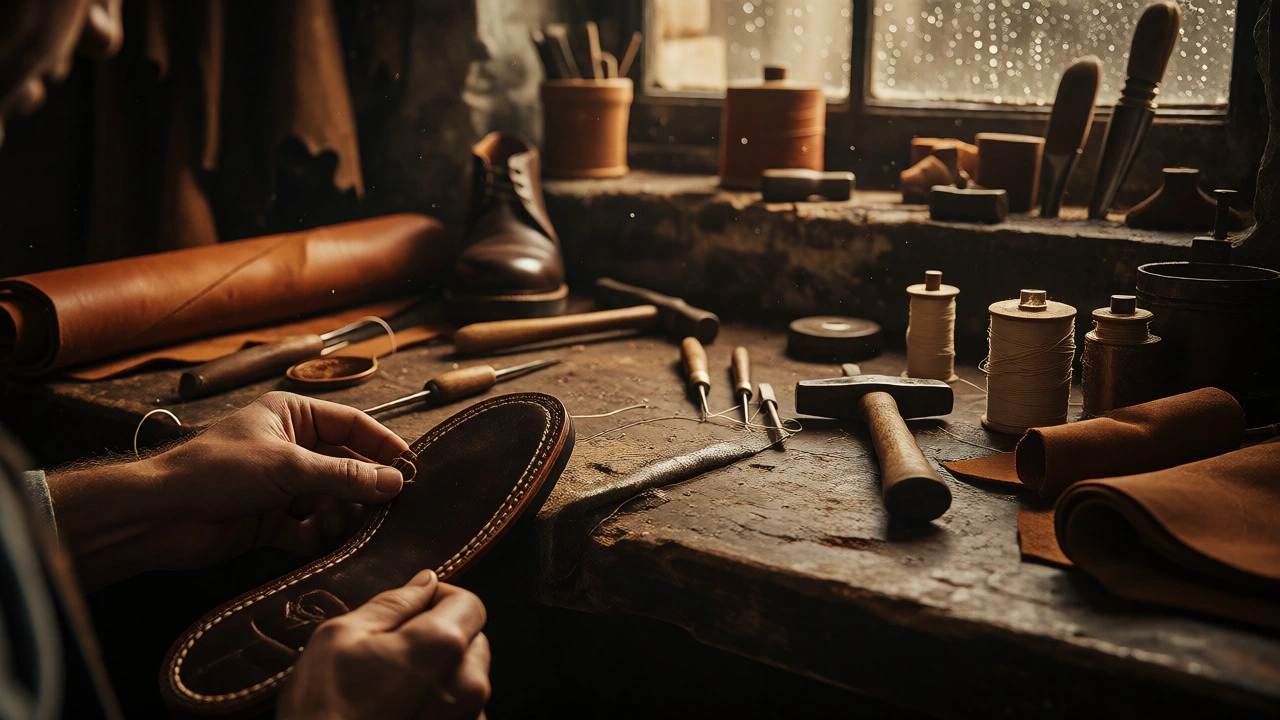
But wait-there’s an even older contender if we stretch the definition to include guilds or early commercial operations. Some point to John Lobb Bootmaker, established in 1849. While younger than Clarks, John Lobb represents the pinnacle of bespoke craftsmanship. In Ireland, bespoke tailoring and shoemaking are experiencing a renaissance, with workshops popping up in Dublin’s city center catering to professionals who want custom fit over mass production.
Why Heritage Brands Matter in Ireland
Ireland’s climate is... well, you know how it is. One minute it’s sunny in Dublin, the next it’s pouring rain in Wicklow. This weather demands durable footwear. That’s why heritage brands like Dr. Martens (founded 1960) and Timberland (founded 1973) remain staples here. They aren’t the oldest, but they’ve adapted perfectly to local needs.
However, the real story in Ireland isn’t just about foreign imports. We have our own legacy. Think about Russell & Bromley or local artisans using Irish hide. The Irish leather industry dates back centuries, supplying high-quality hides to European tanneries. When you buy a pair of handmade brogues from a shop in Galway, you’re buying into a supply chain that connects directly to the farms in Munster and Leinster.
For many Irish consumers, buying heritage means buying sustainability. Fast fashion is out; investment pieces are in. A pair of Loake Brothers (founded 1880) shoes can last ten years if resoled properly. Compare that to a €40 pair from a high-street chain that falls apart after six months of commuting on the Luas. The math favors heritage.
Comparing the Titans: Age, Origin, and Style
To help you decide which heritage brand fits your wardrobe, here’s a breakdown of some of the oldest and most respected names available in the Irish market. Note that availability varies-some are strictly online, others have flagship stores in Dublin or Cork.
| Brand | Founded | Origin | Signature Product | Irish Availability |
|---|---|---|---|---|
| Clarks | 1825 | England | Desert Boot | High (Arnotts, Brown Thomas, Online) |
| John Lobb | 1849 | England/France | Bespoke Oxfords | Niche (Specialist retailers) |
| Bass | 1876 | USA | Weejun Loafer | Low (Mostly online import) |
| J.M. Weston | 1891 | France | Chasse Derby | Medium (Luxury boutiques) |
| Dr. Martens | 1960 | Germany/UK | 1460 Boot | Very High (Everywhere) |
Notice the gap between Clarks and Dr. Martens? There’s a century of innovation in between. During that time, rubber vulcanization changed everything. Before that, shoes were mostly stitched leather. Today, you can get the comfort of modern foam with the aesthetic of 19th-century design. That’s the appeal of brands like Florsheim (founded 1892). They bridge the gap between old-school durability and new-age comfort.
How to Spot Authentic Heritage Quality
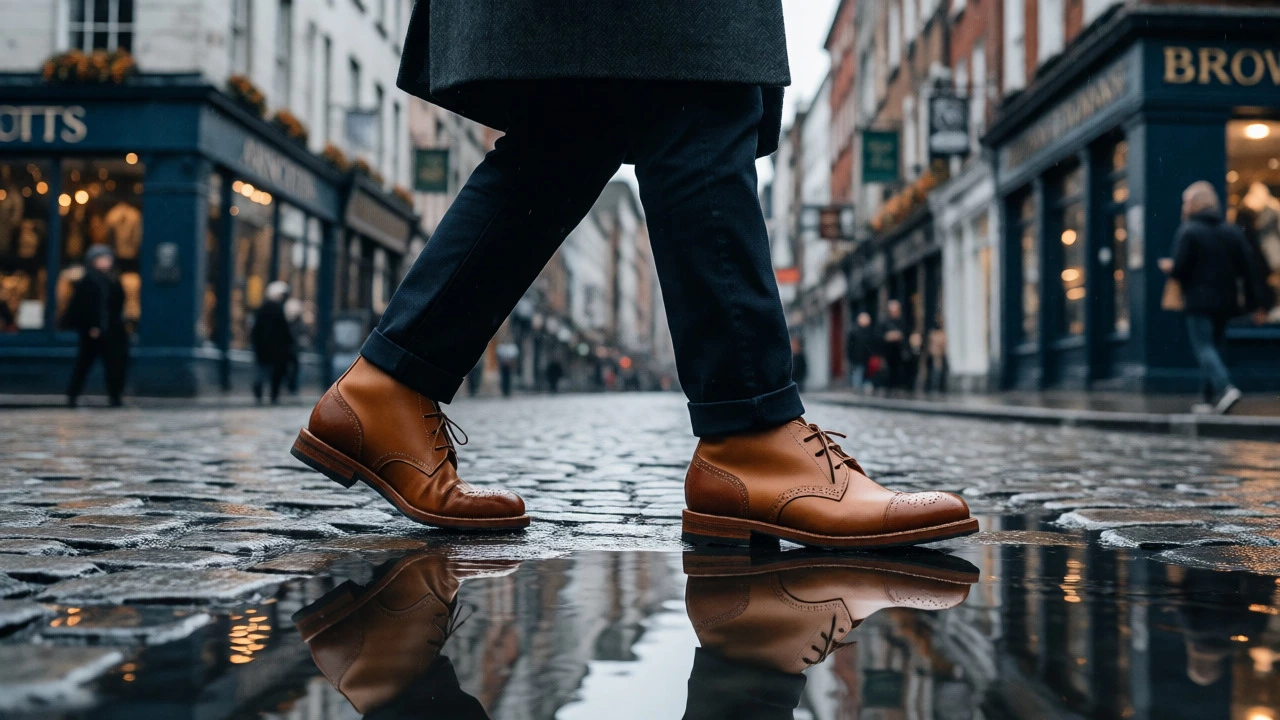
Not all "vintage-style" shoes are made with heritage techniques. In Dublin’s Temple Bar or Cork’s English Market, you’ll find plenty of cheap imitations. Here’s how to tell if you’re getting the real deal:
- Check the Construction: Look for Goodyear welted soles. This method allows the shoe to be resoled multiple times. If the sole is glued on, it’s likely fast fashion. Brands like Crockett & Jones (founded 1879) specialize in this.
- Feel the Leather: Full-grain leather develops a patina over time. Corrected grain looks uniform but doesn’t age as gracefully. Irish consumers should prioritize full-grain for longevity in wet conditions.
- Inspect the Stitching: Hand-stitched details, especially around the apron or toe cap, indicate higher labor costs and better craftsmanship. Machine stitching is uniform; hand stitching has slight variations.
- Research the Factory: Some brands move production to lower-cost countries. Check if the specific model is made in the UK, France, or Portugal, where traditional shoemaking skills are preserved.
If you’re in Ireland, visiting a cobbler is part of the culture. Places like The Cobbler in Dublin or independent repair shops in Limerick can extend the life of your shoes significantly. Don’t throw away worn-out heels; fix them. It’s cheaper and kinder to the planet.
The Rise of Irish Artisan Shoemakers
While global giants dominate sales, there’s a growing movement of Irish-made footwear. These aren’t always "the oldest," but they carry the spirit of heritage. Brands like Grenson (though UK-based, popular in IE) and local startups use Irish-tanned leather to create unique designs.
One standout trend is the collaboration between Irish designers and historic factories. For example, some Dublin-based labels partner with Northamptonshire workshops (the heart of British shoemaking) to produce limited runs. This hybrid approach offers the best of both worlds: local design sensibility and Old World construction.
Tourists often ask where to buy authentic Irish gifts. A pair of handmade brogues is far more memorable than a keychain. Shops in Kinsale or Dingle often stock these locally produced gems. Supporting these small businesses keeps traditional skills alive in rural areas where manufacturing jobs have declined.
Maintenance Tips for Long-Lasting Footwear
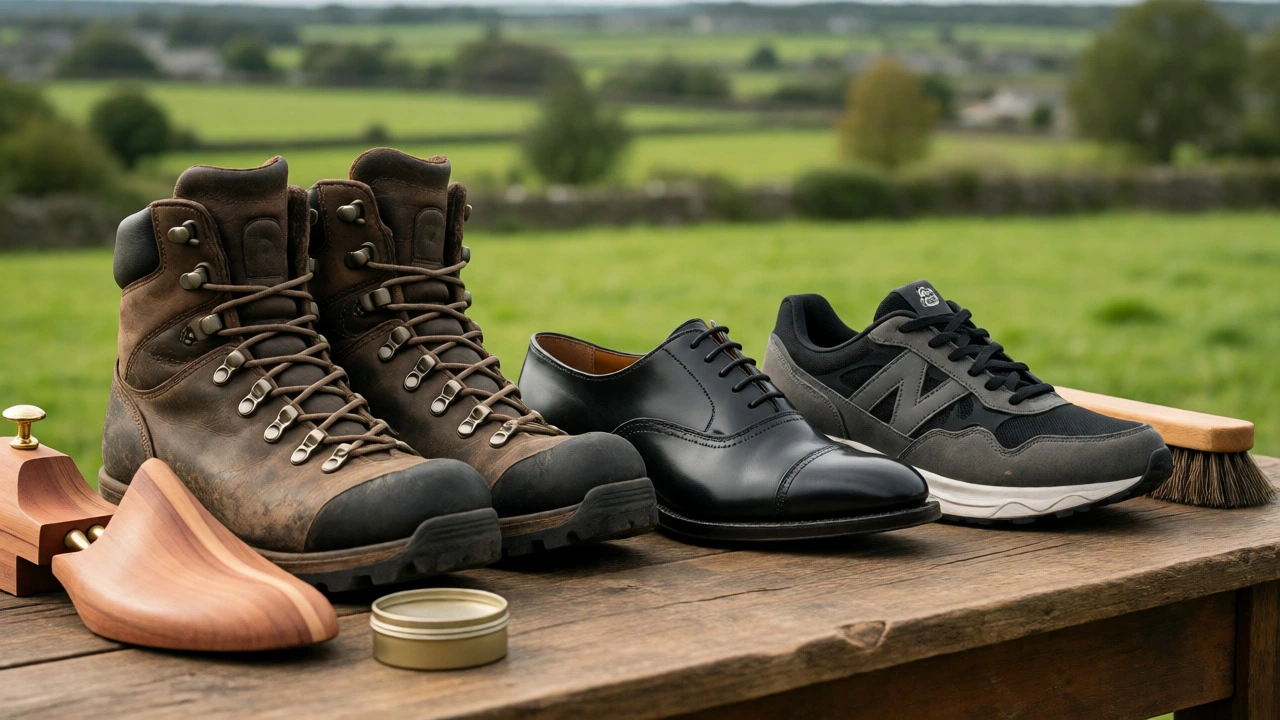
Owning an old-brand shoe is only half the battle. Caring for it is the other half. Given Ireland’s damp climate, moisture management is critical.
- Use Shoe Trees: Cedar shoe trees absorb moisture and maintain shape. Never store leather shoes without them.
- Rotate Your Pairs: Let each pair rest for 24 hours after wear. This allows sweat to evaporate, preventing bacterial growth and odor.
- Condition Regularly: Use a neutral cream polish every few weeks. Avoid silicone-based sprays which can dry out leather over time.
- Waterproof Wisely: Apply wax-based waterproofers rather than aerosols. Wax penetrates the leather; aerosols sit on top and crack.
For those living in coastal towns like Howth or Killarney, salt air accelerates wear. Rinse off salt deposits with a damp cloth immediately after exposure. Neglecting this step can ruin even the most expensive J.M. Weston loafers within a season.
FAQ
What is technically the oldest shoe brand still in business?
If we define "brand" as a consumer-facing label, Clarks (1825) is among the oldest major global brands. However, Bass (1876) and John Lobb (1849) are also contenders depending on whether you count bespoke ateliers or mass-market producers. Some sources cite older guild-based operations, but they don't operate as single commercial brands today.
Are old shoe brands better than new ones?
Not necessarily. Older brands often excel in traditional construction methods like Goodyear welting, which allows for resoling. Newer brands may offer superior ergonomic support or sustainable materials. The "best" depends on your priority: longevity and classic style favor heritage brands; comfort and innovation may favor newer tech-focused companies.
Where can I buy heritage shoes in Ireland?
Major department stores like Brown Thomas and Arnotts in Dublin carry brands like Clarks, Loake, and Dr. Martens. For specialist heritage brands like John Lobb or J.M. Weston, check dedicated menswear boutiques in Dublin’s city center or order from UK/EU websites that ship to Ireland. Local independent shops in Cork and Galway also stock curated selections.
Is Irish leather used in these old brands?
Yes, Irish hide is highly regarded globally. Many premium European brands source leather from Irish tanneries due to its durability and quality. While the final assembly might happen in England or Italy, the raw material often originates from cattle raised in Ireland.
Do I need to break in heritage shoes?
Yes, especially with stiff leather boots or formal shoes. Wear them indoors for short periods first. Use thick socks to stretch the interior gently. Unlike modern sneakers with memory foam, leather molds to your foot over time, creating a custom fit.