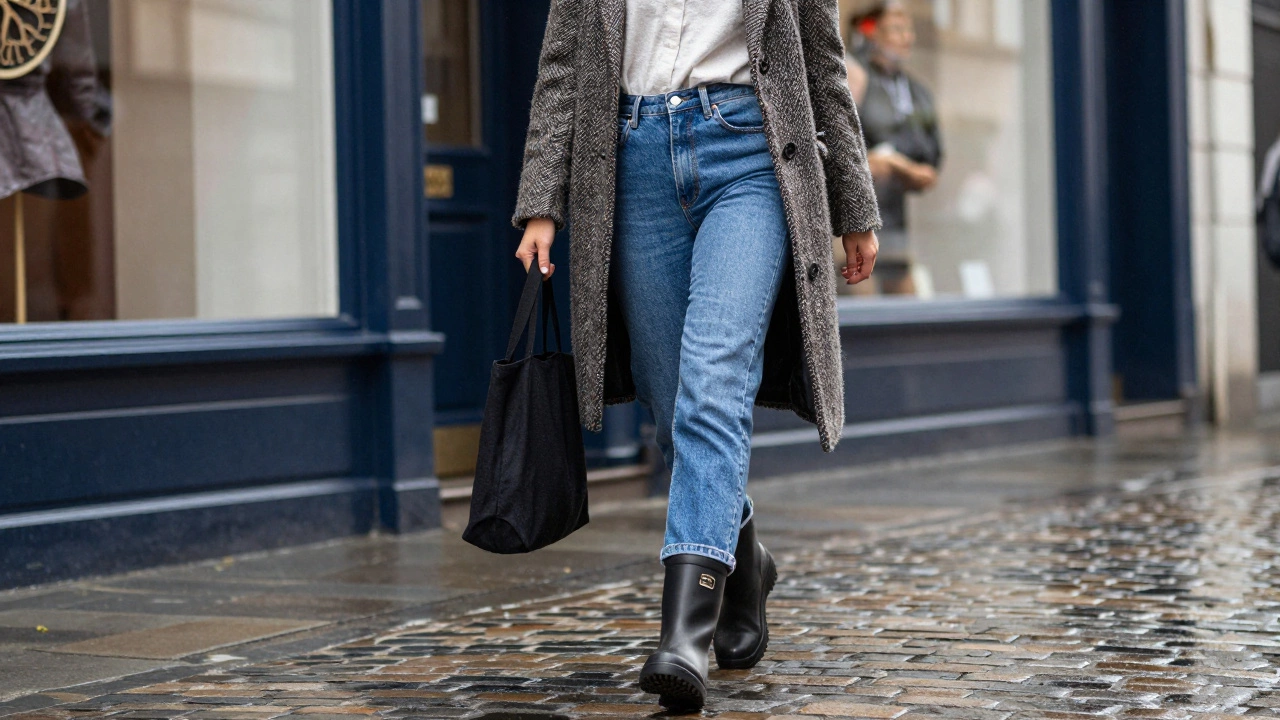
When you walk down Grafton Street in Dublin or stroll along the promenade in Galway, you’ll notice something clear: jeans aren’t just clothing here-they’re part of the rhythm of daily life. Rain or shine, in the middle of a Connemara mist or after a pint in a Cork pub, Irish people reach for denim. But in 2024, the jean trend in Ireland isn’t about being flashy or following global runways. It’s about durability, comfort, and local ethics. The denim that’s selling out isn’t the skinniest or the bluest-it’s the one that lasts through wet weekends, farm visits, and long walks along the Wild Atlantic Way.
Fit Is Still King, But Not the Way You Think
In 2024, Irish denim lovers have moved on from the 2010s’ obsession with ultra-skinny fits. Too tight, and you can’t sit comfortably on a stone wall in Killarney. Too baggy, and you look out of place in a Galway café. The winner? straight-leg and slim-straight cuts. These offer enough room to layer thermal leggings under them in January, while still looking sharp enough for a Friday night at The Cobblestone in Dublin. Brands like Levi’s 501 and Edwin are seeing a surge in sales here-not because they’re trendy, but because they’ve held the same fit for decades and actually work in Irish weather.
High-waisted styles are also making a quiet comeback, especially among women in their 30s and 40s. Why? They’re practical. A higher waist means less tucking in of sweaters, fewer gaps when bending over to pick up a dropped shopping bag in Limerick, and better support when hiking the Wicklow Mountains. You’ll see this trend everywhere-from the farmers’ market in Kilkenny to the university campuses in Cork.
Wash Matters More Than Color
Forget the bleached, ripped, or acid-washed jeans that dominated social media in 2022. In Ireland, where the average rainfall is over 1,000mm per year, you need denim that doesn’t look like it’s been through a washing machine every time it rains. The most popular washes this year are:
- Medium indigo - timeless, hides dirt, and pairs well with wool coats
- Dark rinse - goes with everything, especially black boots from Clarks or Aigle
- Raw denim - yes, it’s still here. But only from brands that let you break them in properly. Locals in Galway swear by Unbranded and Naked & Famous because they develop a unique patina over time, like the weathered stone of a Connemara cottage.
One thing you won’t see much of? White jeans. They’re too hard to keep clean on muddy B-roads or after a walk through the Bog of Allen. Even in summer, most Irish people stick to darker washes.
Sustainability Isn’t a Buzzword-It’s a Priority
Irish consumers are tired of fast fashion. A 2023 survey by the Irish Environmental Protection Agency found that 68% of people under 40 prefer buying jeans made locally or with ethical materials. That’s why Irish-made brands like Wander & Co (based in Donegal) and Clare Denim (from Ennis, County Clare) are growing fast. They use organic cotton, low-impact dyes, and repair services-something you won’t find from big-box retailers.
Even big chains like Primark have responded. Their new “Denim Revive” line, launched in early 2024, uses recycled cotton and comes with a free repair voucher. You can take your worn jeans to any Primark in Ireland and get them fixed for free-no receipt needed. It’s not just eco-friendly; it’s practical. In a country where the average pair of jeans lasts less than 18 months (according to TRI Environmental), repair culture is making a comeback.
Where to Buy in Ireland-Beyond the Malls
If you’re looking for jeans that feel like they belong here, skip the airport outlets. Instead, try:
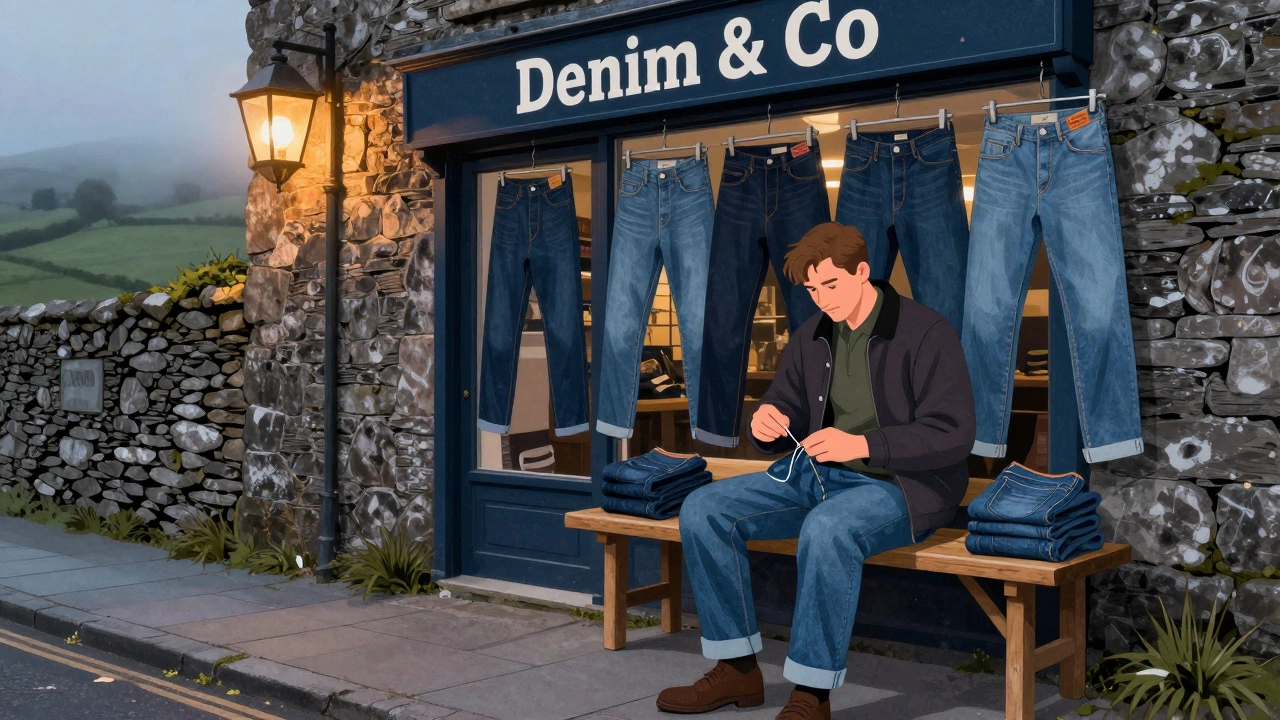
- Denim & Co in Galway - a small shop on Shop Street that stocks vintage Levi’s, Japanese selvedge, and Irish-made jeans
- The Denim Workshop in Dublin 7 - offers custom fits and dyeing services. You can pick your own wash, stitch, and even have your initials embroidered
- Second-hand markets like the Sunday Session in Limerick or the Cork Flea Market - where you’ll find 1990s Levi’s for €15 and raw denim jackets for €30
- Online: IrishDenim.ie - a local site that ships across Ireland and features only Irish designers and sustainable brands
Many of these places also offer alterations for free or a small fee. That’s a big deal. In Ireland, where body shapes vary widely due to active lifestyles and regional diets, a perfect fit matters more than a brand name.
How to Style Jeans for Irish Conditions
Denim here isn’t styled for Instagram-it’s styled for life. Here’s what actually works:
- Layer under wool coats - especially in winter. A thick merino sweater under a tweed coat looks classic and keeps you warm
- Wear with waterproof boots - Aigle, Bally, or even wellies. No one in Ireland wears sneakers in November
- Roll the cuffs - not for fashion, but to avoid wet hems. Rain doesn’t care about trends
- Pair with a beanie or flat cap - it’s not a style statement; it’s survival
Don’t bother with belt buckles or flashy logos. The most popular belt in Ireland right now? A simple black leather one from Irish Leather Co in Kilkenny. It costs €22 and lasts five years.
The Future of Jeans in Ireland
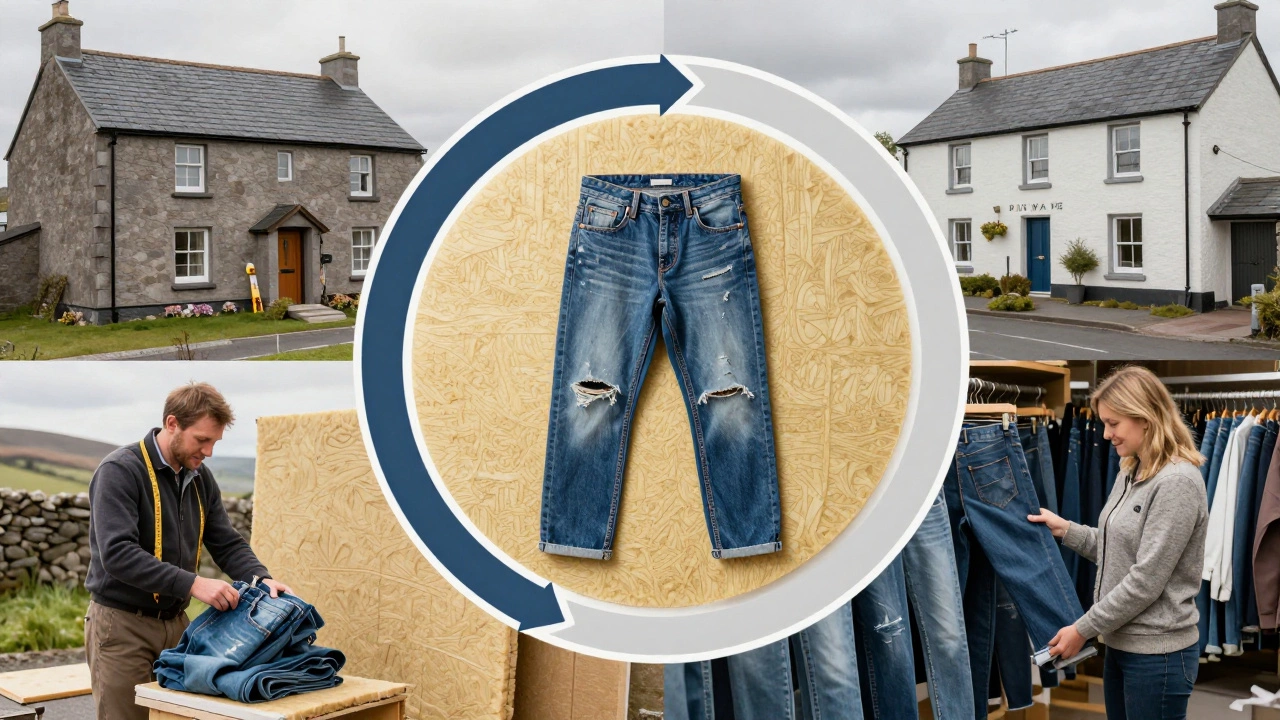
The next big thing isn’t a new cut or color-it’s circular denim. Brands are starting to take back old jeans and turn them into new ones. Wander & Co now offers a “Return & Rebirth” program: send in your worn jeans, get €20 off your next pair, and they’re turned into insulation for housing projects in Mayo. It’s not just sustainable-it’s community-driven.
By 2025, you’ll see more Irish denim brands partnering with local weavers, using wool-blend denim for colder regions, and even creating jeans with built-in thermal lining. The trend isn’t going global-it’s going local. And that’s exactly why it’s working.
What’s Not Trending in Ireland (And Why)
- Ultra-low rise - too impractical for sitting on cold stone or hiking
- Distressed knees - we don’t need to look like we’ve fallen off a bike; we’ve actually done it
- High-tech stretch fabrics - they fray too easily in Irish rain and lose shape after one wash
- Designer logos - if you’re wearing a giant logo on your jeans in a pub in Sligo, you’re probably not from here
Denim here isn’t about status. It’s about staying dry, warm, and moving freely. That’s the real Irish standard.
What’s the best jean wash for Irish weather?
Medium indigo and dark rinse are the top choices. They hide dirt from rain and mud, look good with wool coats, and don’t fade quickly. Avoid light washes-they turn see-through in wet conditions and show every stain.
Are raw denim jeans worth it in Ireland?
Yes-if you’re patient. Raw denim develops a unique fade over time that matches your daily life: muddy boots, bus rides, pub walks. Brands like Naked & Famous and Unbranded are popular in Galway and Dublin because they’re made to last. Just be ready to wear them for 3-6 months before washing.
Where can I get my jeans repaired in Ireland?
Many local tailors and denim shops offer repairs. Try The Denim Workshop in Dublin 7, Denim & Co in Galway, or even your local cobbler. Primark also offers free repairs on their denim line with a voucher. Repairing is cheaper than replacing-and more Irish.
Should I buy jeans online or in-store in Ireland?
Try in-store first. Irish body shapes vary, and sizes aren’t consistent across brands. Stores like Denim & Co and The Denim Workshop offer free fittings. If you buy online, stick to Irish-based retailers like IrishDenim.ie-they know local fit needs and have easy returns.
What brands are actually made in Ireland?
Wander & Co (Donegal), Clare Denim (Ennis), and Irish Leather Co (Kilkenny) are the top local makers. They use organic cotton, low-water dyeing, and repair services. Even their packaging is recycled. Supporting them means supporting local jobs and reducing transport emissions.