Work Footwear & Comfort Estimator
Job Profile
Fatigue Score
Recommended Gear:
- Shoes:
- Socks:
- Insoles:
Survival Strategy:
Select your job profile to generate a fatigue analysis.
Standing for ten hours straight is not just a test of your patience; it is a physical assault on your body. If you are working in a hospital in Dublin, serving tables in Galway, or stocking shelves in a supermarket in Cork, the end of your shift usually feels like your legs belong to someone else. In Ireland, where hospitality and healthcare jobs often demand long shifts on hard floors, finding the right strategy to survive is essential. It starts with what you put on your feet.
The Foundation: Choosing the Right Work Shoes
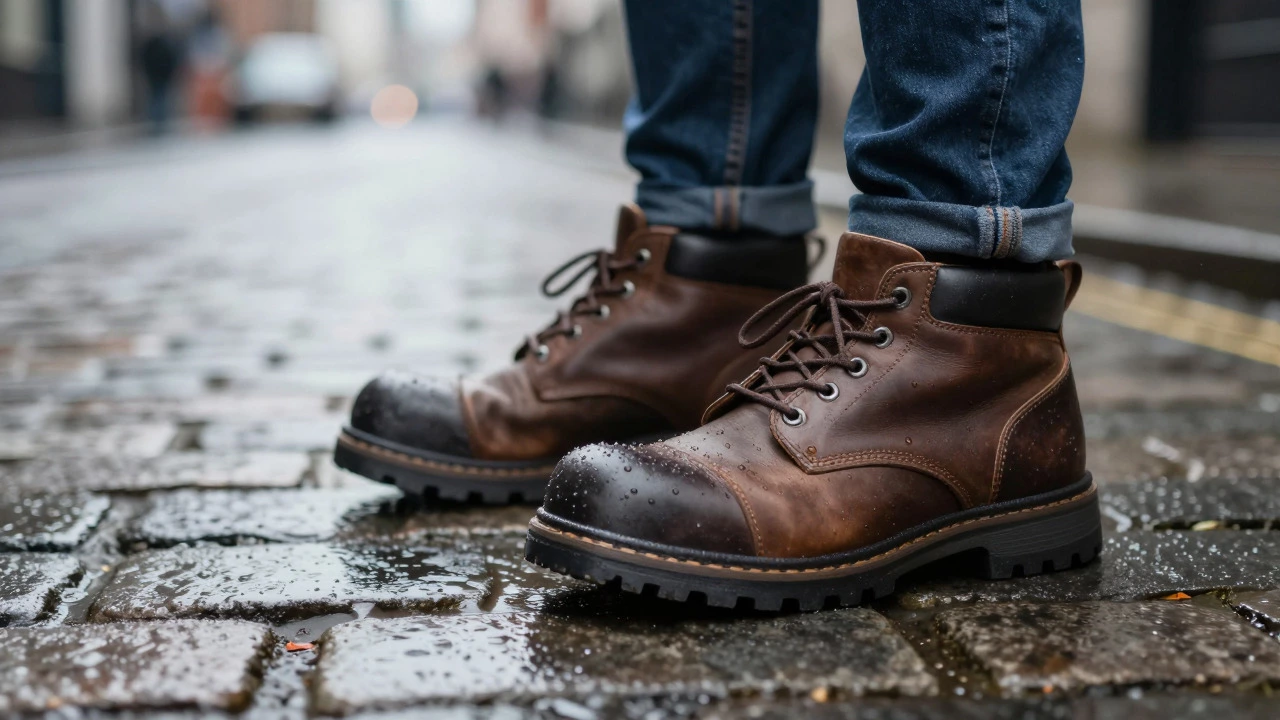
Your shoes are the most critical piece of equipment you own. Worn-out trainers from a decade ago might look fine, but their support has likely vanished. You need Work Shoes that provide specific features designed for prolonged standing. Look for models with strong arch support and a cushioned midsole. Brands like Skechers Arch Fit, Hoka One One, and New Balance Fresh Foam are popular among Irish workers because they absorb shock effectively.
If you work in a wet environment, such as a kitchen or an outdoor role during our frequent rainy seasons, waterproofing is non-negotiable. Leather boots from brands like Red Wing or specialized clogs from Crocs (specifically the Bistro line) offer durability and easy cleaning. Avoid flat-soled shoes entirely. They force your feet to spread out, causing strain on your plantar fascia. Instead, opt for a slight heel-to-toe drop, which helps distribute weight more evenly across your foot.
| Shoe Type | Best For | Key Benefit | Drawback |
|---|---|---|---|
| Cushioned Sneakers | Retail, Office, Light Duty | High comfort, lightweight | Less durable, poor lateral support |
| Leather Boots | Construction, Warehousing | Durable, protective toe caps | Heavy, requires break-in period |
| Medical Clogs | Hospitals, Kitchens | Easy to clean, slip-resistant | Less aesthetic appeal outside work |
| Orthopedic Sandals | Summer roles, Indoor only | Breathable, wide toe box | No protection from drops/water |
The Unsung Hero: High-Quality Socks
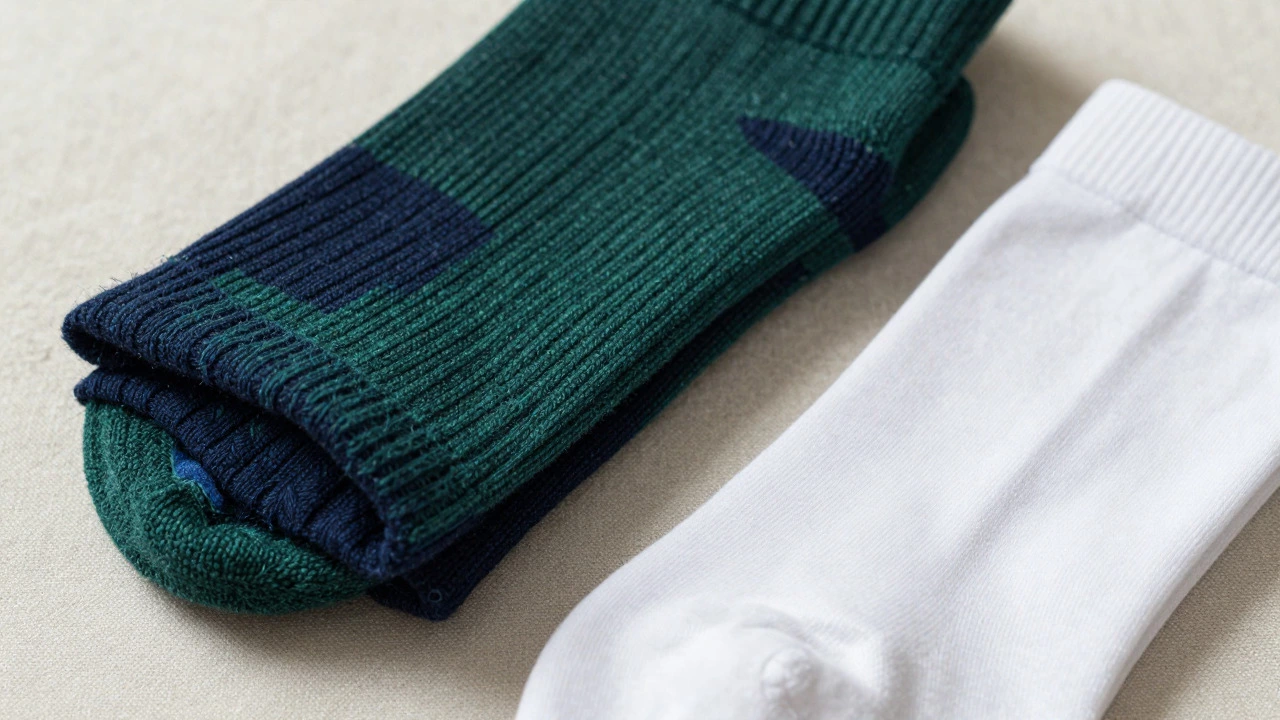
You can buy the most expensive shoes in the world, but if you wear thin cotton socks, you will still suffer. Cotton absorbs sweat and holds it against your skin, leading to blisters and fungal infections. This is especially problematic in Ireland’s damp climate. Switch to moisture-wicking materials like merino wool or synthetic blends containing polyester and spandex.
Brands like Smartwool or Darn Tough are worth the investment. They keep your feet dry and regulate temperature. Ensure your socks fit snugly without cutting off circulation. A loose sock creates friction, while a tight one restricts blood flow. Change your socks halfway through a double shift if possible, or carry a spare pair in your locker. This small habit can prevent significant discomfort by the time you clock out.
In-Shift Strategies: Movement and Breaks
Static standing is worse than walking. When you stand still, your muscles fatigue quickly, and blood pools in your lower extremities. Make a conscious effort to shift your weight from one foot to the other. If your job allows, take short walks during lulls. Even pacing around the stockroom for two minutes can restart circulation.
Utilize anti-fatigue mats if available. These mats, common in retail checkouts and kitchen prep areas, reduce pressure on your joints by providing a softer surface. If no mat is present, consider wearing gel insoles. They add an extra layer of cushioning between your foot and the shoe sole. Brands like Superfeet or Spenco offer options tailored to different arch types. Insert them into your shoes before your shift begins.
Nutrition and Hydration on the Go
Dehydration worsens muscle cramps and fatigue. Keep a water bottle with you at all times. Sip regularly rather than chugging large amounts at once. In Ireland, tap water is generally safe and high quality, so there is no need to buy bottled water unless you prefer the taste. Add a slice of lemon or cucumber for flavor if plain water feels boring.
Avoid heavy, salty meals before or during your shift. Salt causes water retention, which can lead to swollen ankles and feet. Opt for light snacks like nuts, fruit, or yogurt. These provide steady energy without weighing you down. If you feel your energy dipping, a small amount of caffeine can help, but avoid excessive sugar crashes later in the shift.

Post-Shift Recovery Routine
What you do after your shift matters almost as much as what you do during it. Elevate your legs immediately upon getting home. Lie down and prop your feet up against a wall or on pillows for 15-20 minutes. This uses gravity to drain fluid from your legs and reduce swelling.
Stretching is crucial. Focus on your calves, hamstrings, and plantar fascia. Simple stretches like pulling your toes toward your shin can relieve tension built up during standing. A warm Epsom salt bath can also soothe sore muscles and improve circulation. Many Irish households find this ritual relaxing after a long day.
Consider investing in a foam roller or massage ball. Roll the bottom of your feet over the ball for a few minutes each evening. This self-myofascial release helps break up knots and keeps your feet flexible. Consistency is key; make these steps part of your nightly routine to prevent chronic pain.
When to Seek Professional Help
If pain persists despite these measures, consult a podiatrist or physiotherapist. Conditions like plantar fasciitis, bunions, or flat feet may require custom orthotics. In Ireland, private podiatry services are widely available in cities like Dublin, Cork, and Galway. Some employers offer occupational health assessments that can recommend ergonomic adjustments or appropriate footwear allowances.
Listen to your body. Ignoring persistent pain can lead to long-term issues affecting your knees, hips, and back. Early intervention saves you from more serious problems down the line. Remember, surviving a 10-hour shift is about preparation, adaptation, and recovery.
What are the best shoes for standing all day in Ireland?
The best shoes depend on your specific job. For general standing, cushioned sneakers like Skechers Arch Fit or Hoka One One are excellent. For wet environments, waterproof leather boots or Crocs Bistro clogs are ideal. Always prioritize arch support and shock absorption.
Can I wear running shoes for work?
Yes, but ensure they are designed for stability, not just speed. Running shoes often lack lateral support needed for side-to-side movements common in retail or kitchen work. Look for models labeled 'stability' or 'support' rather than 'racing' or 'distance'.
How often should I replace my work shoes?
Replace your work shoes every 6-12 months, depending on usage. If you notice worn-out treads, compressed midsoles, or increased foot pain, it is time for new shoes. Regular replacement ensures consistent support and prevents injury.
Do compression socks help with standing all day?
Yes, compression socks can significantly reduce leg fatigue and swelling. They improve blood flow and prevent varicose veins. Choose a mild compression level (15-20 mmHg) for daily use. They are particularly helpful in Ireland’s cooler, damp weather.
Is it better to have a flat sole or a raised heel?
A slight heel-to-toe drop (4-8mm) is generally better than a completely flat sole. It reduces strain on the Achilles tendon and calf muscles. Completely flat shoes can cause your feet to splay, leading to instability and pain over long periods.