Irish Trainer Selector
Configure Your Search
Irish Weather Survival Tips
- Spray it: Always apply a waterproofing spray like Crep Protect before wearing new trainers outside.
- Material Matters: Leather and synthetic leather repel water better than canvas or mesh.
- Grip: In winter, ensure your soles have deep treads to handle icy cobblestones in cities like Galway.
You walk into a shop in Grafton Street or browse an online store from your kitchen table in Galway, and you see two different words for the exact same thing. One label says "sneakers." Another says "trainers." If you are standing on the wrong side of the Atlantic, this might not confuse you. But here in Ireland, where we borrow heavily from British English while keeping our own distinct rhythm, the question "what shoe is called a trainer?" comes up more often than you might think.
The short answer is simple: a trainer is simply what Americans call a sneaker. It is that comfortable, rubber-soled shoe you wear to run errands, jog around the Phoenix Park, or just keep your feet happy during a long shift at work. But if you want to understand why we say it, how it fits into Irish life, and which brands actually dominate the high streets of Dublin and Cork, there is a bit more to unpack.
The Origin Story: Why Do We Say Trainer?
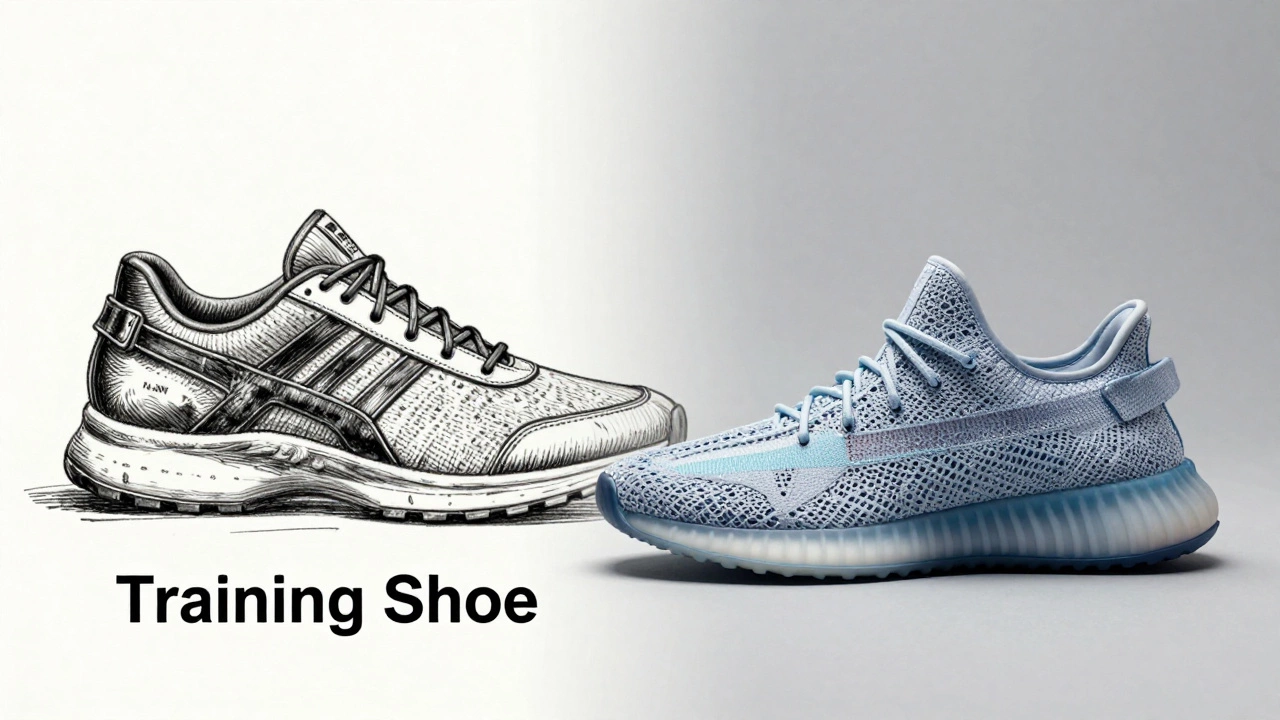
To get to the bottom of this, you have to look at the history of the shoe itself. These shoes didn't start out as fashion statements. They started as functional gear for athletes. In the early 20th century, people wore them specifically to train for sports. Hence, they were "training shoes," or simply "trainers."
In the United States, the term "sneaker" took over because the rubber soles allowed you to sneak around quietly on gym floors. In the UK, and by extension Ireland, the functional name stuck. When you buy a pair of Asics or New Balance here, you aren't buying "sneakers." You are buying trainers. It’s a linguistic hangover from the era when these shoes had one job: helping you get fit.
This distinction matters if you are shopping online from international sites. If you search for "sneakers" on a US-based site, you’ll find thousands of results. If you search for "trainers" on an Irish retailer like Brown Thomas or Jack Wills, you’ll find the same inventory, just labeled differently. Knowing this saves you time and prevents that moment of confusion when your order arrives with a tag that says something unfamiliar.
Trainers vs. Sneakers: Is There a Real Difference?
Let’s be clear: physically, there is no difference between a trainer and a sneaker. They are the same object. The sole is rubber. The upper is canvas, leather, or mesh. The purpose is comfort and light activity. The only difference is geography and habit.
- In Ireland and the UK: We say trainers. Whether you are walking along the Liffey or hiking up Howth Head, you are wearing trainers.
- In the US: They say sneakers. This term is almost exclusively used across the Atlantic.
- In Australia: They often say runners or thongs (though thongs mean flip-flops here, so watch out for that mix-up!).
If you are talking to a local in Galway, calling them "sneakers" won’t cause offense, but it will mark you as an outsider immediately. Locals will nod, smile, and correct you gently. It’s part of the charm. Language is identity, and in Ireland, we hold onto our specific turns of phrase tightly, even when global brands try to standardize everything.
The Rise of Trainers in Irish Fashion
Decades ago, trainers were strictly for the gym or the track. You wouldn’t wear them to a pub in Temple Bar unless you were heading straight to the football pitch. Today, that rule has completely vanished. Trainers have become the default footwear for almost every occasion in Ireland, except perhaps very formal weddings or black-tie events.
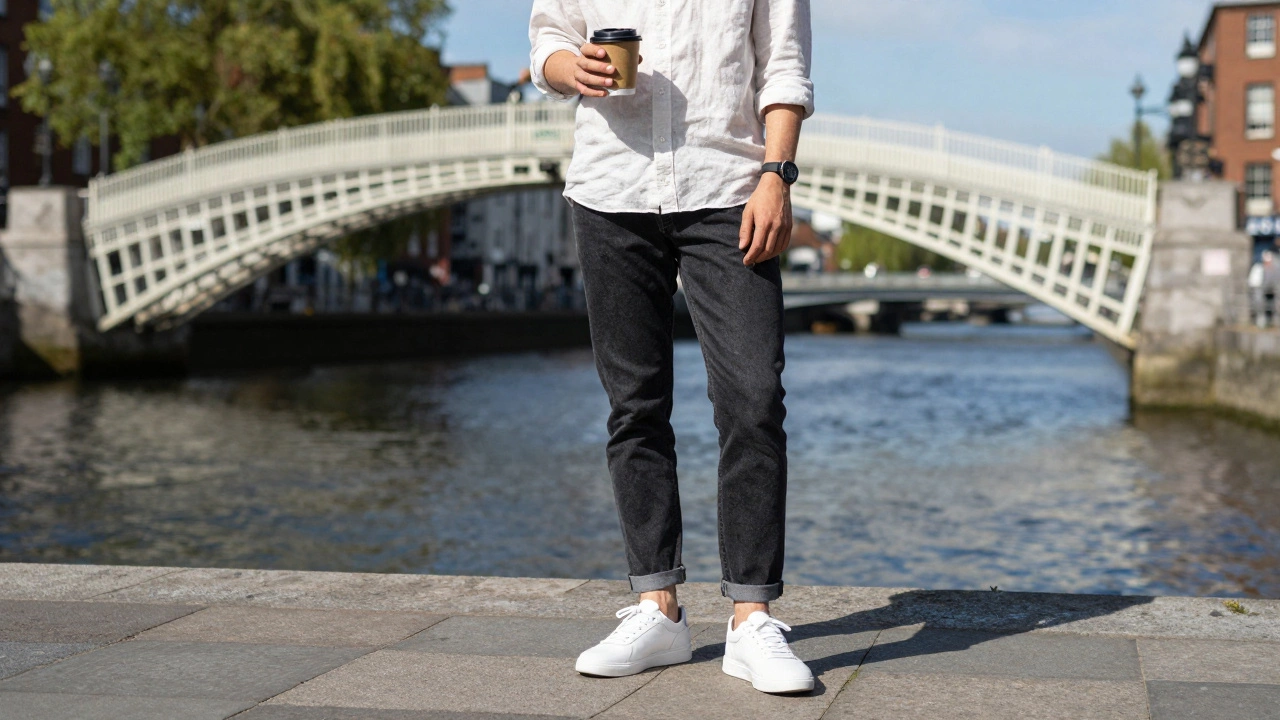
This shift mirrors a broader change in Irish culture. We have become a more casual society. The strict dress codes of the past have relaxed. Now, you can wear a crisp linen shirt, dark jeans, and a pair of clean white leather trainers to a business lunch in Dublin’s financial district. No one will bat an eye. In fact, looking too formal might make you stand out more than looking casual.
This trend has also boosted the local resale market. Vintage trainers are big business here. Shops in areas like Smithfield in Dublin specialize in rare finds. You can pay hundreds of euros for a pair of limited-edition Nike Air Jordans or Adidas Yeezys. It’s not just about walking; it’s about collecting. For many young people in Ireland, their trainer collection is as important as their car keys.
Top Brands Dominating the Irish Market
While global giants rule the shelves, some brands have stronger footholds here than others. If you walk through a typical mall like Dundrum Town Centre in Dublin or Pallas Cove in Cork, you’ll notice a pattern.
| Brand | Origin | Why It’s Popular Here |
|---|---|---|
| Nike | USA | Dominates the sportswear scene; strong association with Gaelic games and soccer. |
| Adidas | Germany | Fashion-forward styles; popular among younger demographics in urban centers. |
| New Balance | USA | Growing rapidly due to its "dad shoe" aesthetic and comfort for all-day wear. |
| Clarks | UK | A heritage brand with deep roots in Ireland; trusted for durability and weather resistance. |
| Skechers | USA | Known for extreme comfort; popular among older adults and those with foot issues. |
It’s worth noting that Clarks holds a special place in the Irish heart. Unlike the flashy American brands, Clarks feels familiar. Many Irish families have worn Clarks for generations. They are seen as practical, reliable, and suitably understated for our unpredictable weather. While Nike gets the hype, Clarks gets the respect.
Shopping for Trainers in Ireland: Where and How
When it comes to buying trainers, Ireland offers a mix of high-street chains, independent boutiques, and robust online options. Your choice depends on whether you prioritize price, selection, or experience.
High-Street Chains
Stores like Sports Direct (now JD Sports), Foot Locker, and Size? are everywhere. You’ll find them in every major town center. They offer competitive prices and frequent sales. If you need a basic pair of running trainers quickly, these are your best bet. However, customer service can vary, and sizing might differ slightly from brand to brand.
Independent Boutiques
For something unique, head to the independent shops. In cities like Galway, Kilkenny, and Waterford, you’ll find small stores curating niche brands. These shops often carry sustainable or eco-friendly options, which is becoming increasingly important to Irish consumers. You pay a premium, but you support local business and get personalized advice.
Online Retailers
Irish shoppers love online convenience. Sites like ASOS, Zalando, and Amazon deliver reliably across the country. However, be mindful of returns. Returning items to overseas warehouses can be costly and complicated. Sticking to retailers with Irish return policies, such as Brown Thomas or Dunnes Stores, makes life easier if the fit isn’t right.
Weather-Proofing Your Trainers
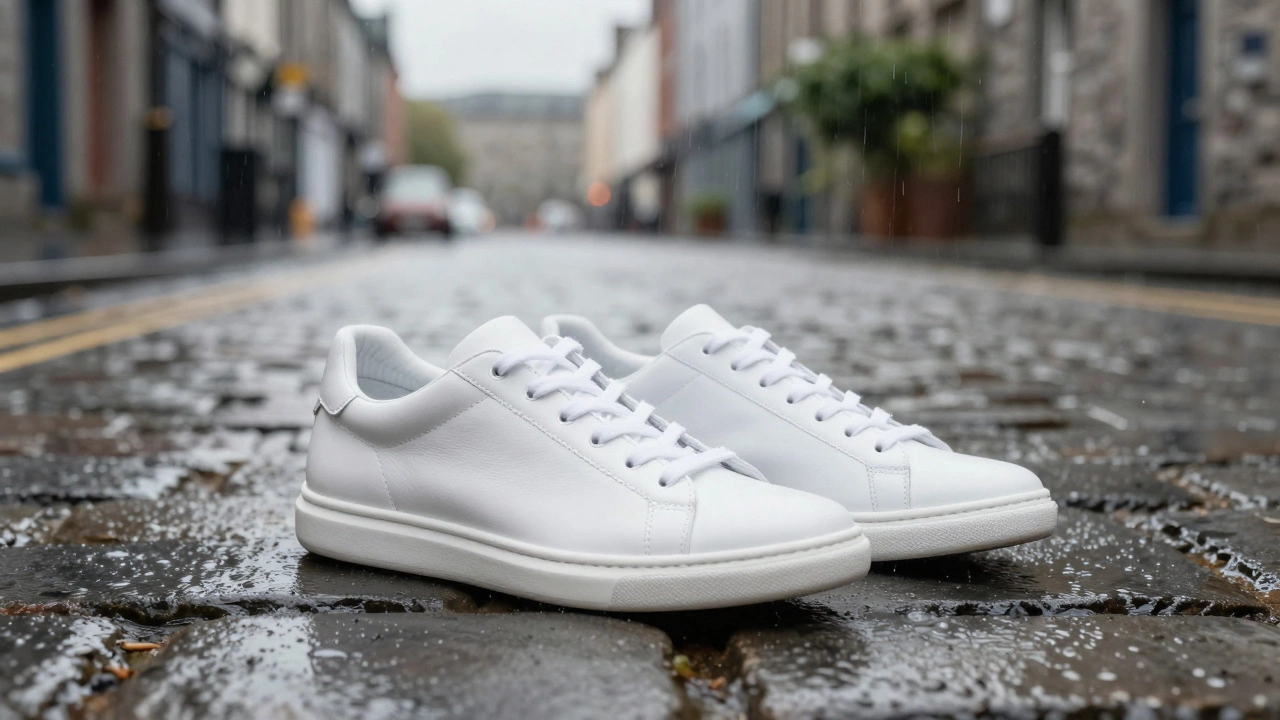
Here is the hard truth about living in Ireland: it rains. A lot. And not just a gentle drizzle, but the kind of persistent, sideways rain that soaks through anything porous. This presents a challenge for trainer lovers. Canvas sneakers? They’ll soak up water like a sponge. Mesh running shoes? Same problem.
To survive the Irish climate, you need to choose wisely. Leather or synthetic leather trainers are your best friends. They repel water better than fabric. Brands like Clarks and certain lines from Nike and Adidas offer waterproof versions specifically designed for wet conditions. Look for labels like "Gore-Tex" or "Waterproof."
Another tip: invest in a good spray-on protector. Products like Crep Protect or Jason Markk are widely available in Ireland. Spray them on before you wear your new trainers out. It creates a hydrophobic barrier that keeps rain off the surface. It’s not foolproof, but it extends the life of your shoes significantly.
Also, consider the season. In winter, opt for bulkier, insulated trainers with grippy soles. Our roads get icy, especially in rural areas. A thin-soled fashion sneaker will leave you slipping on cobblestones in Galway City. Safety first, style second.
Cultural Nuances: Trainers in Social Settings
In Ireland, footwear signals social context, but subtly. You wouldn’t wear muddy hiking boots into a cozy pub in Dingle, just as you wouldn’t wear pristine white trainers to a traditional céilí dance hall where the floor might be dusty.
However, the line is blurring. At festivals like Electric Picnic or Oxegen, everyone wears trainers. It’s practical for dancing and walking across fields. Even at more formal gatherings, if the invitation says "smart casual," trainers are usually acceptable if they are clean and stylish. The key is cleanliness. Dirty trainers suggest laziness. Clean, well-maintained trainers suggest effort and care.
This attention to detail reflects a broader Irish value: presenting yourself well without trying too hard. We dislike ostentation. Flashy, gold-laden sneakers might draw stares, but simple, classic designs earn nods of approval. It’s about fitting in, not standing out.
Sustainability and the Future of Trainers
As environmental awareness grows in Ireland, so does concern about the impact of fast fashion. Trainers are often made from non-biodegradable materials. Discarding them after a few months contributes to landfill waste. This is a growing issue for Irish consumers who are increasingly conscious of their carbon footprint.
Brands are responding. Nike’s Move to Zero initiative and Adidas’s partnership with Parley for the Oceans aim to create shoes from recycled plastics. In Ireland, companies like Rothy’s (available online) knit shoes from recycled bottles. Local repair services are also emerging, allowing people to resole their favorite trainers instead of throwing them away.
For the average shopper, this means thinking twice before buying. Ask yourself: Will I wear these ten times? Can they be repaired? Are they made from sustainable materials? These questions are becoming part of the Irish shopping conversation. It’s not just about looking good; it’s about doing good.
Final Thoughts on Choosing the Right Pair
So, what shoe is called a trainer? It’s the versatile, comfortable, everyday shoe that defines modern Irish life. Whether you call them sneakers or trainers, they are essential. But knowing the terminology helps you navigate shops, understand cultural cues, and make smarter purchases.
Next time you are out in the rain in Galway or browsing in Dublin, remember: choose wisely, protect them well, and don’t worry too much about the name. Just make sure they fit.
Are trainers and sneakers exactly the same thing?
Yes, physically they are identical. The difference is purely linguistic. "Trainers" is the term used in Ireland, the UK, and most Commonwealth countries. "Sneakers" is the term used in the United States. Both refer to casual, rubber-soled shoes originally designed for athletic training.
Which brands are most popular for trainers in Ireland?
Nike and Adidas dominate the market, especially among younger consumers. However, Clarks remains highly respected for its durability and heritage appeal. New Balance is gaining popularity for its comfort-focused designs, while Skechers is favored for everyday ease.
Can I wear trainers to work in Ireland?
In most modern workplaces, yes. Ireland has adopted a smart-casual dress code in many sectors, including tech, creative industries, and even some corporate offices. Clean, minimalist leather trainers are generally acceptable. Avoid overly sporty or dirty athletic shoes in professional settings.
How do I protect my trainers from Irish rain?
Use a waterproofing spray designed for shoes, such as Crep Protect. Choose leather or synthetic materials over canvas or mesh. Look for brands offering Gore-Tex or other waterproof technologies. Regular maintenance and avoiding puddles whenever possible will extend their life.
Where is the best place to buy trainers in Ireland?
For variety and price, JD Sports and Foot Locker are excellent choices found in most towns. For luxury or designer options, visit Brown Thomas in Dublin or Cork. For unique, sustainable, or vintage pairs, explore independent boutiques in city centers like Galway, Kilkenny, or Waterford.
Why do some people prefer Clarks over Nike in Ireland?
Clarks is perceived as a more traditional, durable, and understated brand. It appeals to those who prioritize longevity and comfort over trends. Its British heritage resonates with Irish consumers who value reliability and classic design over fleeting fashion statements.
Is it rude to call them sneakers in Ireland?
Not rude, but it marks you as foreign. Locals will understand you perfectly, but they will likely use the word "trainers" in response. It’s a minor cultural signal, similar to saying "lift" instead of "elevator." Embrace the local term to blend in better.