Sneaker vs. Sportswear Classifier
Classification Result
Adjust the inputs above to see your result.
Key Features Detected
- Athletic Heritage
- Fashion/Aesthetic Focus
- Performance Technology
- Weather/Durability Protection
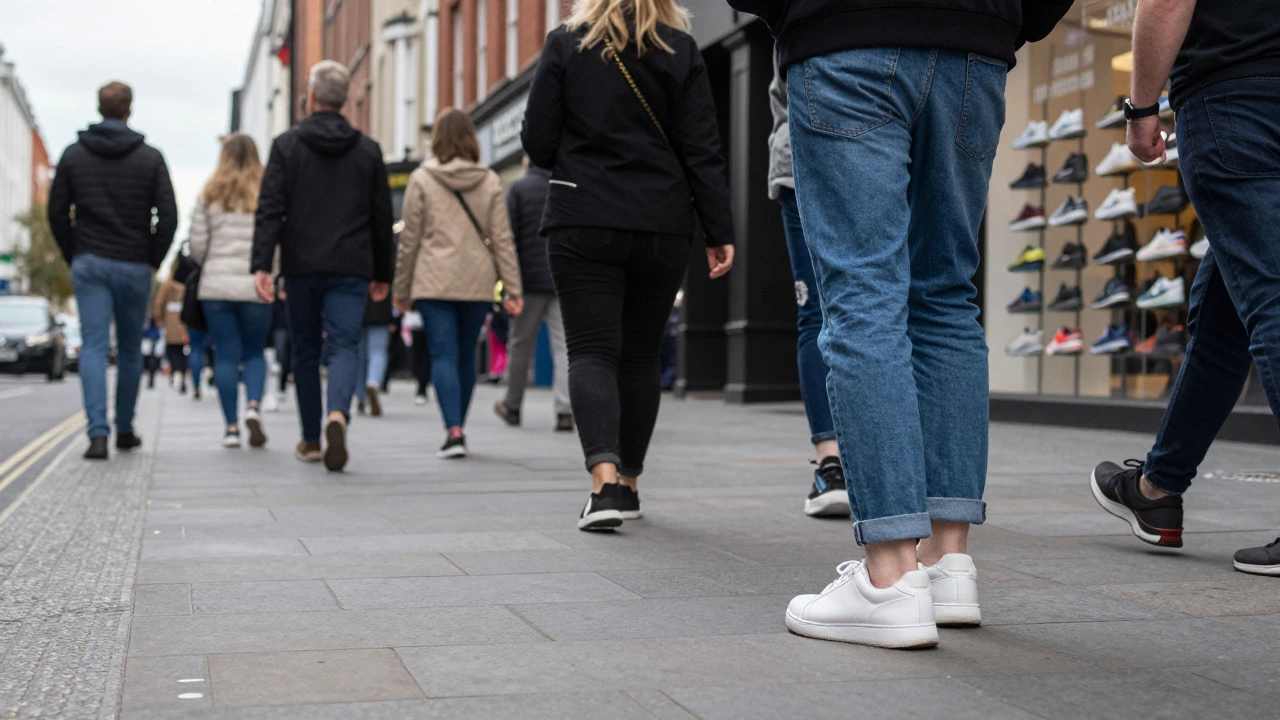
Walk down Grafton Street in Dublin or browse the racks at a local shop in Galway, and you’ll notice one thing: almost everyone is wearing sneakers. But are they actually sportswear? It’s a question that confuses many shoppers in Ireland, especially as the line between gym gear and everyday street style blurs. If you’re standing in a fitting room wondering if your new pair of Nikes count as "sporty" or just "casual," you’re not alone. The answer isn’t black and white; it depends on how you define the category and where you plan to wear them.
In the Irish market, the definition of sportswear has shifted dramatically over the last decade. What used to be strictly for the pitch or the treadmill is now a staple of daily life. To understand this, we need to look at the technical definitions versus how people actually use the term in daily conversation.
The Technical Definition vs. Street Style Reality
Sportswear is clothing designed specifically for athletic activities, prioritizing functionality, moisture-wicking, and flexibility. Historically, this meant tracksuits, running shorts, and specialized shoes with high-impact cushioning. However, Sneakers (or trainers, as they are commonly called in Ireland) occupy a unique space. They are technically athletic footwear, but their primary function for most buyers in cities like Cork or Limerick is no longer performance-it’s aesthetics.
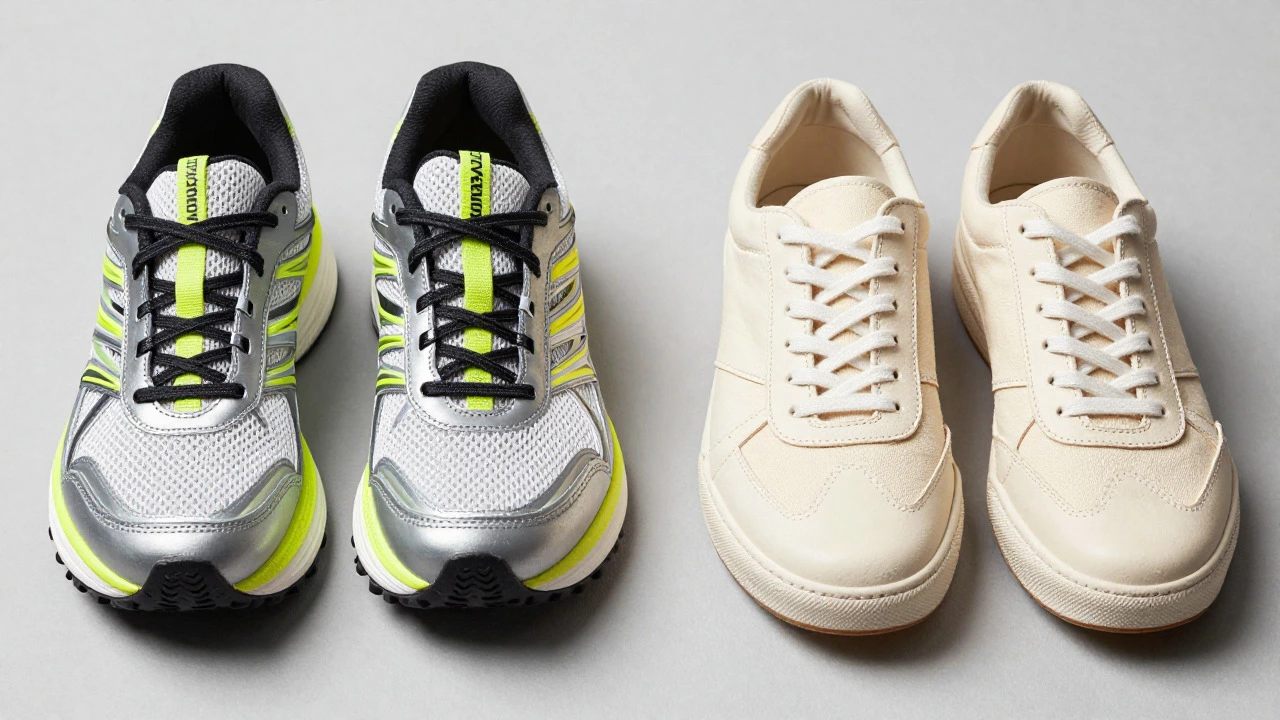
Consider the difference between a dedicated running shoe and a lifestyle sneaker. A running shoe, such as those from Asics or Brooks, features specific technologies like carbon plates or aggressive tread patterns designed for speed and grip on wet Irish tarmac. A lifestyle sneaker, like a classic Converse Chuck Taylor or a clean white Adidas Samba, lacks these specialized features. Yet, both sit on the same shelf in stores across the country. This overlap creates the confusion. Technically, all sneakers are a subset of sportswear because they originated for sports. Culturally, however, many sneakers have transcended their athletic roots to become fashion statements.
Why the Distinction Matters for Irish Shoppers
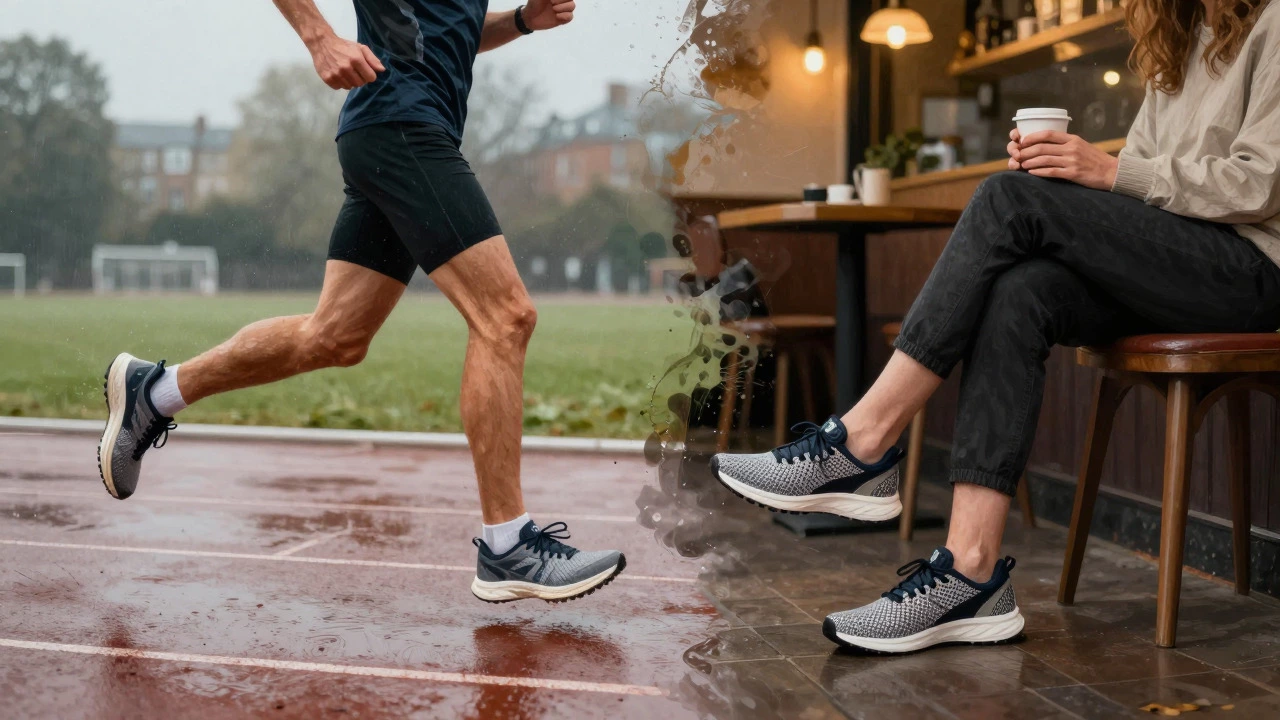
Understanding this distinction helps you make better purchasing decisions, especially given the unpredictable weather here. If you buy a "sportswear" sneaker expecting it to handle a rainy day in Belfast or a muddy walk in the Wicklow Mountains, you might be disappointed. True athletic footwear often uses mesh uppers that dry quickly but offer little protection against water. Fashion-oriented sneakers, on the other hand, might use leather or suede, which looks sharp but can ruin if soaked.
For the average consumer in Ireland, the term "sportswear" often implies a certain level of formality or context. You wouldn’t typically describe a pair of heavy-duty hiking boots as sportswear, even though they are for outdoor activity. Similarly, you might hesitate to call a sleek, low-top canvas shoe "sportswear" if you’re only wearing it to a café in Temple Bar. The label "sneaker" is safer and more accurate for these hybrid items. It acknowledges the athletic heritage without promising high-performance capabilities.
Local Context: How Ireland Views Athletic Footwear
Ireland has a strong sporting culture, from Gaelic games to soccer and rugby. In this context, the term "sportswear" carries weight. When you see a jersey from the GAA or a kit from a local soccer club, that is unambiguously sportswear. Sneakers, however, are viewed through a different lens. They are part of the broader "casual wear" category. In Irish retail, you’ll often find sneakers grouped with jeans and t-shirts rather than next to yoga mats and protein powder.
This cultural separation is evident in how brands market themselves locally. Nike and Adidas run massive campaigns featuring athletes, sure, but their storefronts in Dublin’s city center appeal to fashion-conscious consumers just as much as runners. The rise of "athleisure"-wearing comfortable, athletic-inspired clothing in non-athletic settings-has further muddied the waters. If you’re wearing joggers and a hoodie to work, are you wearing sportswear? Or are you just dressed casually? Most people would say the latter. This suggests that while sneakers are *derived* from sportswear, they have evolved into their own distinct category within the fashion ecosystem.
Comparing Categories: Sneakers, Trainers, and Athletic Shoes
To clarify the terminology, let’s break down the common terms used in Ireland and what they actually refer to. This table helps visualize where sneakers fit in the hierarchy of footwear.
| Term | Primary Function | Typical Materials | Best For | Is it Sportswear? |
|---|---|---|---|---|
| Athletic Shoe | Performance (Running, Basketball) | Mesh, Synthetic Foam, Rubber | Gym, Track, Court | Yes, strictly |
| Sneaker / Trainer | Casual Wear, Light Activity | Leather, Canvas, Suede | Daily Commute, Social Events | Hybrid (Fashion + Heritage) |
| Hiking Boot | Terrain Protection | Full-grain Leather, Gore-Tex | Mountains, Trails | No (Outdoor Gear) |
| Work Safety Shoe | Protection (Steel Toe) | Reinforced Leather, Composite | Construction, Warehouses | No (PPE) |
As you can see, the "Sneaker" row is the tricky one. It sits in the middle. If you’re buying a pair of New Balance 574s to walk around Phoenix Park, you’re using a sneaker for casual purposes, not sportswear. But if you bought them because they were comfortable for a long day on your feet, you’re acknowledging their athletic DNA.
Practical Advice for Buying in Ireland
So, how should you approach shopping? Here are some practical tips for navigating the Irish footwear market:
- Check the Label, Not Just the Brand: Look for keywords like "performance," "cushioning technology," or "breathable mesh." These indicate true sportswear. If the label says "lifestyle," "classic," or "retro," it’s likely a fashion sneaker.
- Consider the Weather: Ireland is wet. If you want a shoe that can handle rain, avoid pure mesh athletic shoes unless they have waterproof coatings. Leather sneakers are easier to clean and maintain in damp conditions.
- Match the Occasion: If you’re going to the gym, buy dedicated athletic shoes. They protect your joints and improve your performance. If you’re going out for dinner in Derry or attending a concert in the Three Balls, a stylish sneaker is perfectly acceptable. Don’t force the "sportswear" label onto every situation.
- Understand the Terminology: In Ireland, "trainers" is the standard term for sneakers. Using "sneakers" is understood but less common. Knowing this helps when reading local reviews or asking for recommendations in-store.
Another important factor is durability. True sportswear shoes tend to wear out faster because their materials are designed for flexibility and lightness. Lifestyle sneakers, with thicker soles and durable uppers, often last longer under daily casual use. If you’re looking for value, a quality leather sneaker might serve you better than a high-tech running shoe that degrades after a few months of general wear.
The Future of the Category
Looking ahead, the line will likely continue to blur. Technology is making athletic shoes more fashionable, and fashion brands are incorporating athletic features into their designs. We’re seeing more collaborations between luxury houses and sportswear giants, creating pieces that are expensive, exclusive, and purely aesthetic. In this context, calling a €300 limited-edition sneaker "sportswear" feels odd. It’s more akin to a designer accessory.
However, for the majority of people in Ireland, the distinction remains simple: if you’re sweating, it’s sportswear. If you’re just walking, it’s a sneaker. Both are valuable, but they serve different masters. By understanding this nuance, you can shop smarter, spend less on unnecessary features, and ensure your footwear matches your actual lifestyle, whether you’re training for a half-marathon in Kilkenny or just grabbing a pint in town.
Frequently Asked Questions
Are sneakers considered sportswear in Ireland?
Technically, yes, because they originate from athletic design. However, in common usage, they are often categorized as casual wear or lifestyle footwear. The term "sportswear" is usually reserved for clothing and shoes specifically intended for active exercise or competition.
What is the difference between a trainer and a sneaker in Ireland?
In Ireland, the terms are interchangeable. "Trainer" is the more common local term, while "sneaker" is widely understood due to global branding. Both refer to lightweight, rubber-soled shoes originally designed for sports but now used for casual wear.
Can I wear sportswear sneakers to work in Dublin?
It depends on your workplace dress code. In creative industries, tech companies, and casual offices, clean, minimalist sneakers are generally acceptable. In traditional corporate environments, such as banking or law firms, leather shoes may still be preferred, though policies are becoming more relaxed.
Which brands are popular for sportswear in Ireland?
Nike, Adidas, and New Balance are the top three brands. Asics and Brooks are also popular among serious runners. For lifestyle sneakers, brands like Vans, Converse, and Puma have a strong following. Local retailers often stock a mix of these international labels alongside emerging European brands.
How do I choose between a running shoe and a lifestyle sneaker?
If your primary use is running or high-impact exercise, choose a dedicated running shoe for proper support and cushioning. If you primarily walk, stand, or want a versatile shoe for daily errands and social outings, a lifestyle sneaker offers better durability and style versatility.