Irish Suit Value & Fit Calculator
Enter your details to see how much you should spend on the perfect fit for Irish conditions.
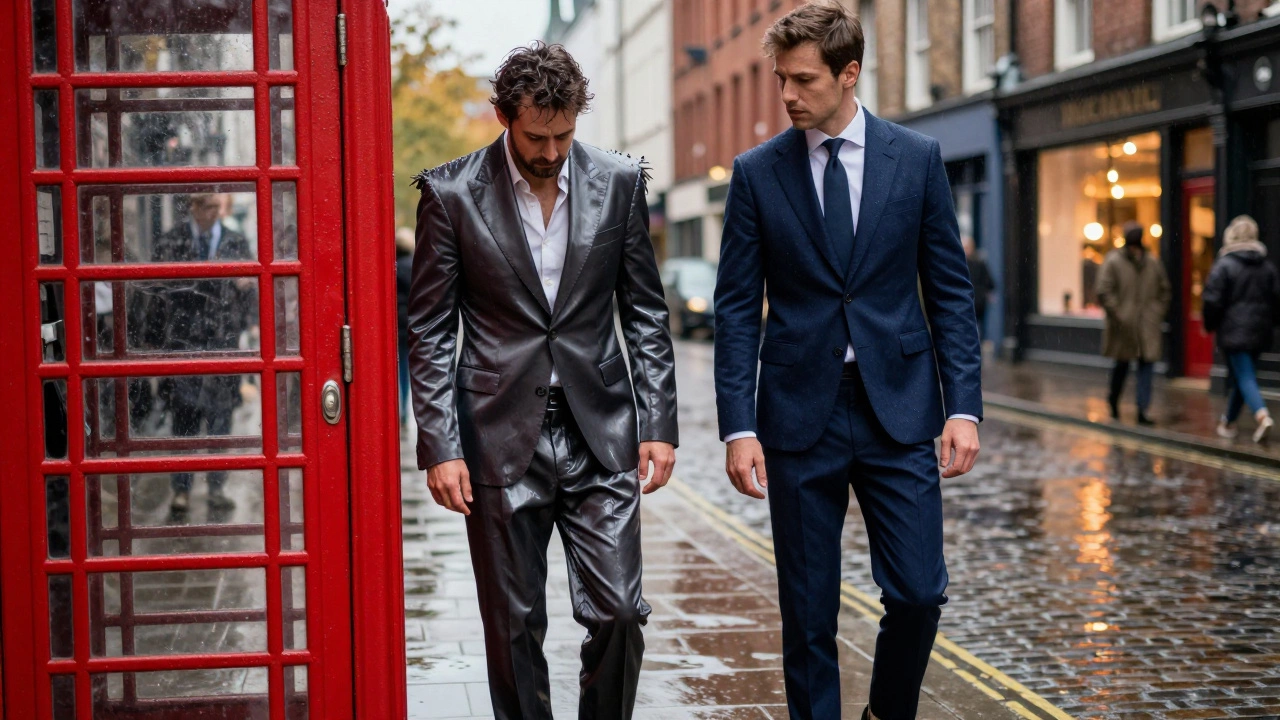
You walk into a wedding in Dublin or a boardroom meeting in Cork, and you spot two men. One is wearing a €200 high-street suit that looks like it was bought off the rack yesterday. The other is wearing a €2,000 bespoke number from a tailor on Grafton Street. Who looks better? Your instinct might scream for the expensive one. But here’s the thing: price tags don’t guarantee style. In fact, in Ireland’s wet, windy climate and our unique social landscape, an expensive suit can look worse than a cheap one if you get the basics wrong.
We’ve all seen it. The bloke in the shiny, stiff jacket that pulls at the shoulders because he didn’t get it altered. Or the guy whose trousers pool around his ankles like he’s drowning in wool. Meanwhile, the fella in the mid-range suit from Marks & Spencer, who got it tailored to his frame, looks sharp as a tack. So, do expensive suits actually look better? Not automatically. They *can* look better, but only if you understand what you’re paying for-and more importantly, what you aren’t.
The "Off-the-Rack" Trap vs. The Bespoke Promise
Let’s talk about where your money goes. When you buy a suit in a department store in Galway or online from a global retailer, you are buying mass production. These suits are cut to fit an "average" body shape. And let’s be honest, how many of us are average? Most of us have quirks-broad shoulders, narrow waists, long legs, or short torsos. An expensive off-the-rack suit is still just a generic shell with nicer fabric.
On the other hand, a truly expensive suit usually implies some level of customization. This is where the magic happens. In Ireland, we have a rich tradition of tailoring. Places like McGrath & O’Donoghue in Dublin or local tailors in smaller towns offer services that transform a garment. If you spend €1,500 on a suit but skip the €50 alteration bill, you’re throwing money away. A well-fitted €400 suit will always outshine a poorly fitted €1,500 one. The shoulder line must sit perfectly on your bone. The jacket should skim your torso without pulling. The trousers should break just slightly over your shoes.
| Price Point | Typical Source (Ireland) | Fabric Quality | Fit Potential | Best For |
|---|---|---|---|---|
| €150 - €300 | High Street (Primark, H&M) | Polyester blends, prone to pilling | Poor without major alterations | One-off events, casual wear |
| €300 - €600 | Mid-Range (M&S, Ted Baker) | Wool blends, decent durability | Good with standard alterations | Office work, weddings | avoid
| €800 - €1,500 | Premium Retail (Hugo Boss, Suitsupply) | Super 110s-130s Wool | Excellent with minor tweaks | Regular professional use |
| €2,000+ | Bespoke/Made-to-Measure | Super 150s+ Wool, Cashmere | Perfect, custom-built | Investment pieces, formal occasions |
Fabric Matters More Than You Think
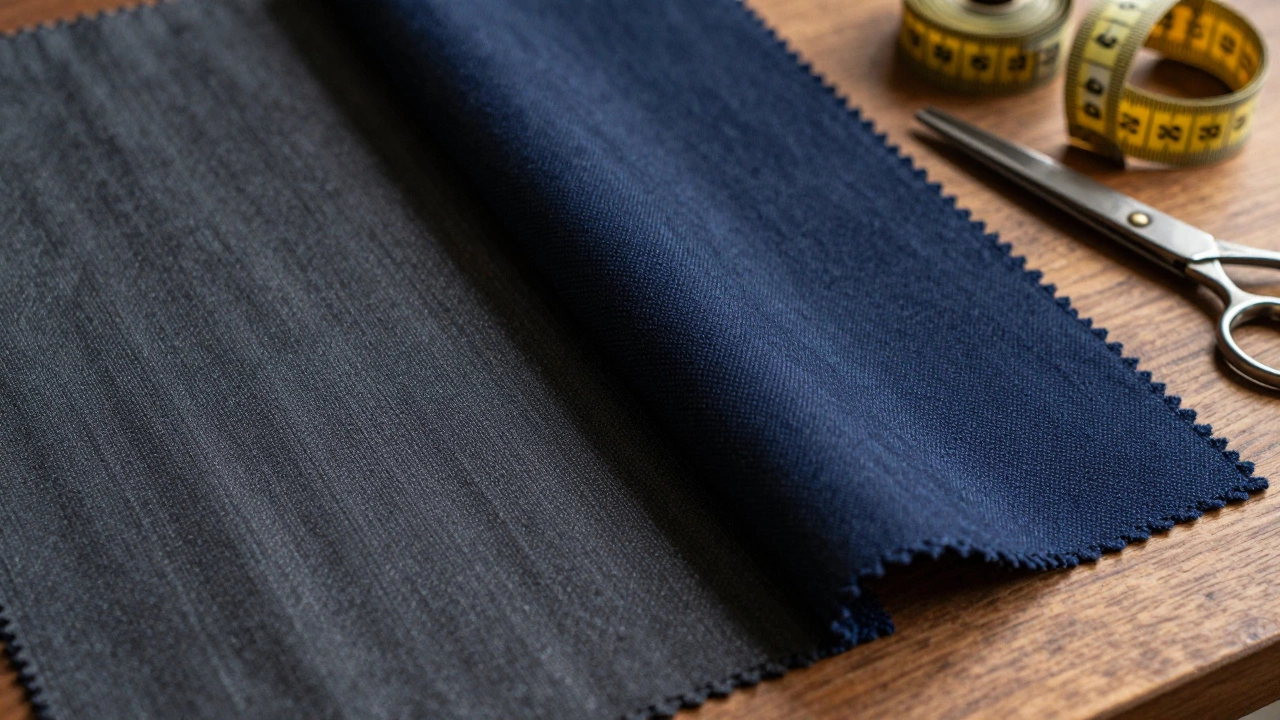
Here’s a secret that separates the pros from the amateurs: fabric weight and weave. In Ireland, we deal with rain. A lot of it. If you buy a lightweight, Italian summer suit made of thin silk-wool blend and wear it to a funeral in November in Kerry, you’ll look ridiculous. It will cling to you, show every bump, and likely get ruined by a drizzle.
Expensive suits often use higher-grade wools, measured in "Super" numbers (like Super 120s or Super 150s). While these numbers indicate fineness, they also mean fragility. A Super 150s wool feels like butter but wrinkles easily and tears if you snag it on a gatepost in the countryside. For daily wear in Ireland, a mid-weight wool (around 240-280 grams) is king. It holds its shape, resists water better, and ages gracefully. Cheaper suits use polyester, which shines under artificial light-a common problem in pubs and restaurants. That shine makes you look sweaty and cheap, no matter how much you paid.
Look for a matte finish. Natural fibers breathe. Synthetic fibers trap heat and moisture. If you’re attending a summer festival in Wexford or a winter corporate event in Belfast, the breathability of natural wool will keep you comfortable and looking dry. Comfort translates to confidence, and confidence makes any suit look better.
The Irish Context: Weddings, Work, and Weather
Ireland has a specific dress code culture. We’re not New York or London. We’re a bit more relaxed, but we respect formality when it counts. Take weddings. In Ireland, a wedding suit isn’t just clothes; it’s a uniform for celebration. You see a mix of styles: the traditional black tie, the modern navy suit, and the increasingly popular tweed or check patterns for autumn/winter weddings.
If you’re investing in an expensive suit for an Irish wedding, consider the venue. Is it a castle in County Kildare? Go classic navy or charcoal. Is it a barn conversion in Donegal? A textured grey or even a brown tweed might work better. An expensive suit that clashes with the environment looks out of place. It’s not just about the price; it’s about appropriateness.
Then there’s the weather factor. Let’s face it, walking from your car to the office in Limerick during a storm requires practicality. An expensive, delicate linen suit will be a disaster. You need structure. Shoulder pads that hold up, lapels that don’t droop, and fabrics that repel light rain. Many Irish tailors now offer treatments that enhance water resistance without sacrificing the natural feel of the wool. This is a value-add you rarely find in cheap suits.
Where to Buy and Where to Alter in Ireland
You don’t need to fly to Savile Row to look good. Ireland has excellent options for every budget. For the high-end shopper, Dublin’s Fitzwilliam Street and Grafton Street host boutiques carrying brands like Hugo Boss, Armani, and Tom Ford. These stores offer consistent sizing and high-quality materials. However, their prices include significant brand markup.
For those seeking value, look at retailers like Suitsupply, which has gained popularity in Dublin and Cork. They offer transparent pricing and good fabric quality (often Italian wool) at a mid-premium price point. Another great option is visiting local haberdashers. In towns like Galway, Killarney, or Ennis, you’ll find family-run shops that have been serving the community for decades. They might not carry the flashiest labels, but they know fit. They know how Irish men stand, sit, and move.
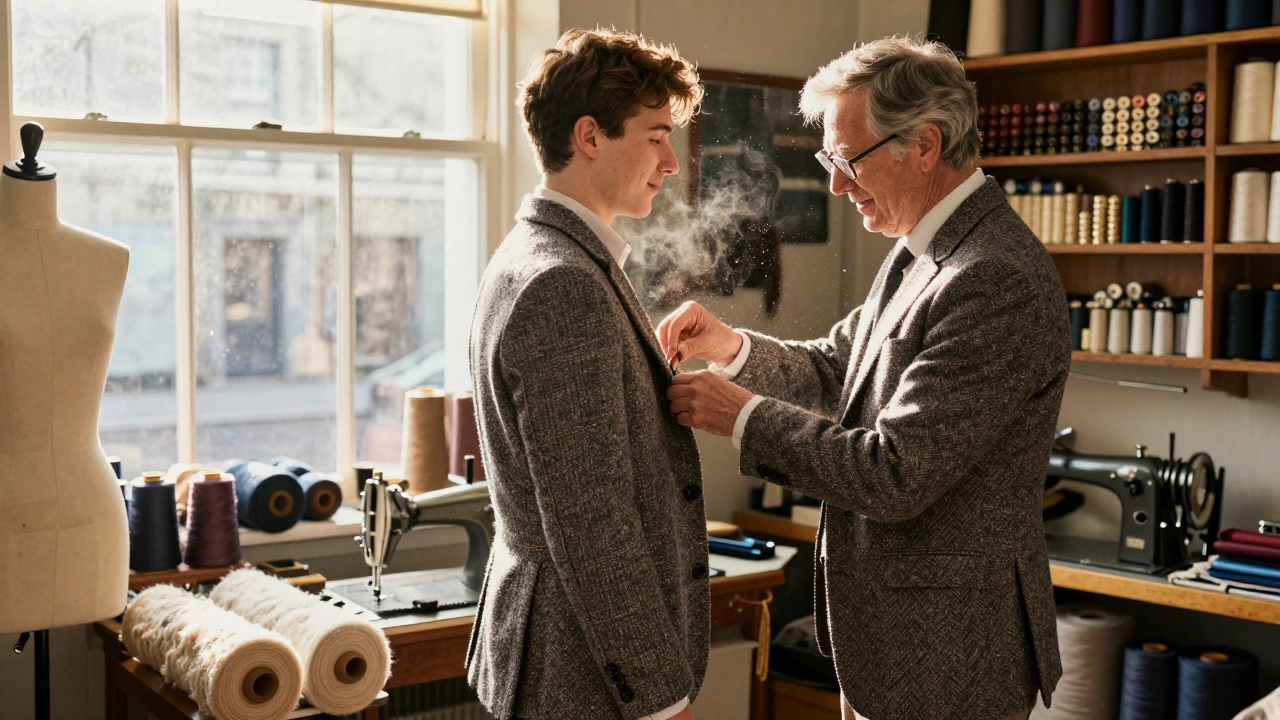
Crucially, budget for alterations. Even if you buy a €2,000 suit, set aside €100-€150 for a local tailor. Find someone who uses a needle and thread, not just a sewing machine. Ask friends for recommendations. A good tailor can take a boxy jacket and cinch the waist, creating a silhouette that looks custom-made. This step is non-negotiable if you want your suit to look expensive.
The Verdict: Does Price Equal Looks?
So, back to the original question. Do expensive suits look better? Only if you define "look better" as "last longer and feel more comfortable." Visually, a well-tailored mid-range suit is indistinguishable from a luxury one to the untrained eye. The difference lies in the details: the lining, the button construction, the way the fabric drapes over time.
If you have the budget, yes, invest in quality. You’ll get fewer wrinkles, better color retention, and a garment that molds to your body. But if you’re tight on cash, don’t despair. Buy the best fabric you can afford, prioritize fit above all else, and maintain it properly. Dry clean sparingly, steam instead of iron, and rotate your suits to let them rest.
In Ireland, we value authenticity and substance over flash. A suit that fits you right, respects the weather, and suits the occasion will always win over a flashy, ill-fitting designer piece. Remember, the best suit is the one that makes you forget you’re wearing it.
Is it worth buying a bespoke suit in Ireland?
Yes, if you plan to wear suits regularly. Bespoke suits are built specifically for your measurements and posture, offering superior comfort and longevity. Given the cost of living in cities like Dublin and Cork, it's a significant investment, but one that pays off over years of wear.
What is the best suit color for Irish weddings?
Navy blue is the safest and most versatile choice for Irish weddings, suitable for both summer and winter. Charcoal grey is also excellent for formal evening events. Avoid black unless it's a strict black-tie affair, as it can look too somber for daytime celebrations.
How much should I spend on alterations?
Budget between €50 and €150 for alterations depending on the complexity. Basic hemming costs less, while taking in the waist or adjusting shoulders can be more expensive. Never skip this step; a tailored fit is the single biggest factor in how expensive your suit looks.
Can I wear a suit in the rain in Ireland?
Light rain won't ruin a wool suit immediately, but heavy downpours will. Opt for mid-weight wools which are more resilient. Always carry an umbrella, and if you do get wet, hang the suit in a steamy bathroom to dry naturally rather than using direct heat, which can shrink the fabric.
Where can I find affordable suits in Galway or Cork?
In Galway and Cork, check out local department stores like Marks & Spencer or Next for reliable mid-range options. For better value, visit independent haberdashers in the city centers. They often stock quality brands at competitive prices and provide expert fitting advice.