Irish Boot Sizing Calculator
Recommended Boot Size
Select a brand to see specific advice.
Living in Ireland means dealing with a very specific set of weather challenges. You can go from bright sunshine on Grafton Street to driving rain on the N7 in the span of ten minutes. When that happens, your footwear isn't just about looking good; it’s about survival. If you’ve ever stood in a shop in Galway or Dublin wondering do people size up in boots, you are not alone. It is one of the most common questions we ask ourselves when trying to find the perfect pair.
The short answer? Yes, most people do size up, but not always by a full size. And it depends entirely on the type of boot, the material, and what you plan to wear inside them. Getting this wrong leads to blisters that last longer than a pub crawl in Temple Bar. Let’s break down exactly how to get the fit right so you can walk the Wild Atlantic Way without pain.
Why Boot Sizing Is Different From Sneakers
You might be used to wearing a UK 6 in your trainers or flats. But boots are built differently. They have more structure, often thicker linings, and sometimes even an internal heel counter that pushes against your foot. This extra volume changes everything.
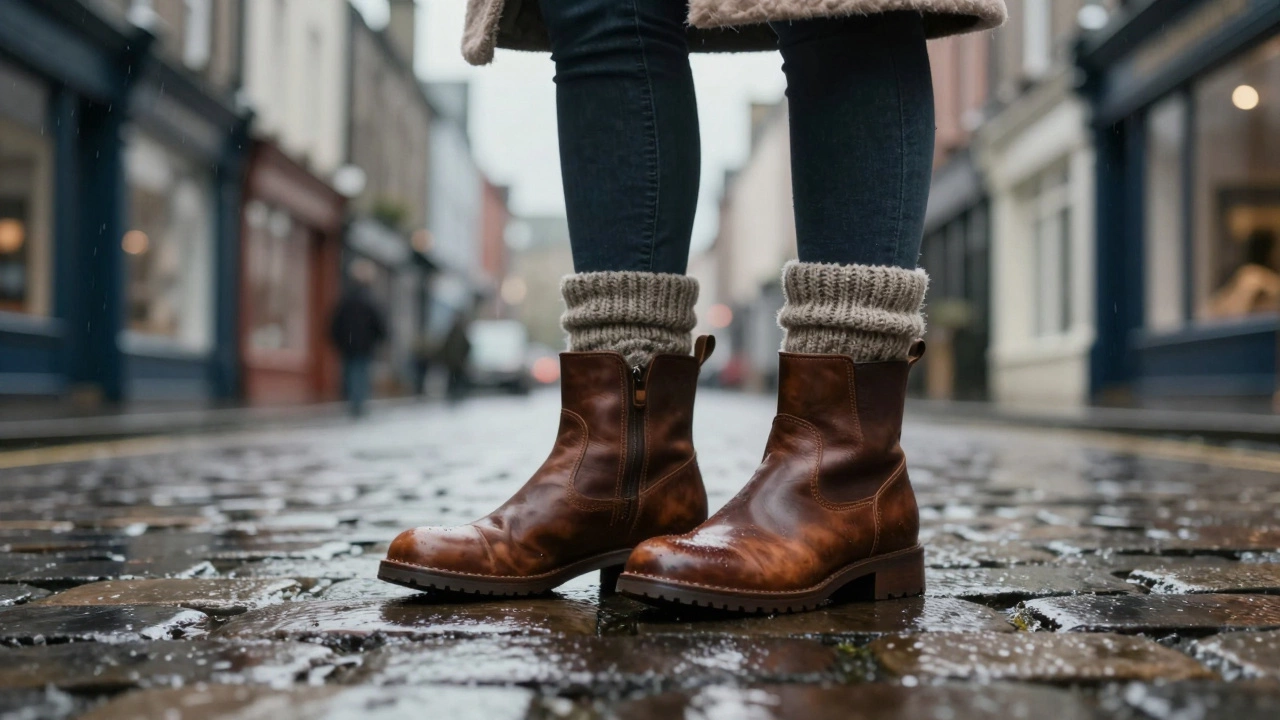
When you buy a leather boot, especially something sturdy like a Chelsea boot or a combat style, the leather needs room to stretch. If you buy them tight, thinking they will mold to your foot perfectly, you risk cutting off circulation. In Ireland, where we tend to wear wool socks or thermal liners during the long winter months, that extra space is crucial. A snug fit in July becomes a painful squeeze in January when you add a thick sock to keep out the damp chill.
Think about the anatomy of the boot itself. Ankle boots sit higher up your leg, which means they need to accommodate the shape of your calf as well as your foot. If the shaft is too tight, you won’t be able to pull them on over jeans or leggings. This is why many women opt for a half-size up in ankle boots compared to their shoe size. It allows for the slight expansion of the foot throughout the day and gives you wiggle room for thicker fabrics.
The Material Matters: Leather vs. Synthetic
Not all boots behave the same way. The material plays a huge role in whether you should size up or stick to your true size.
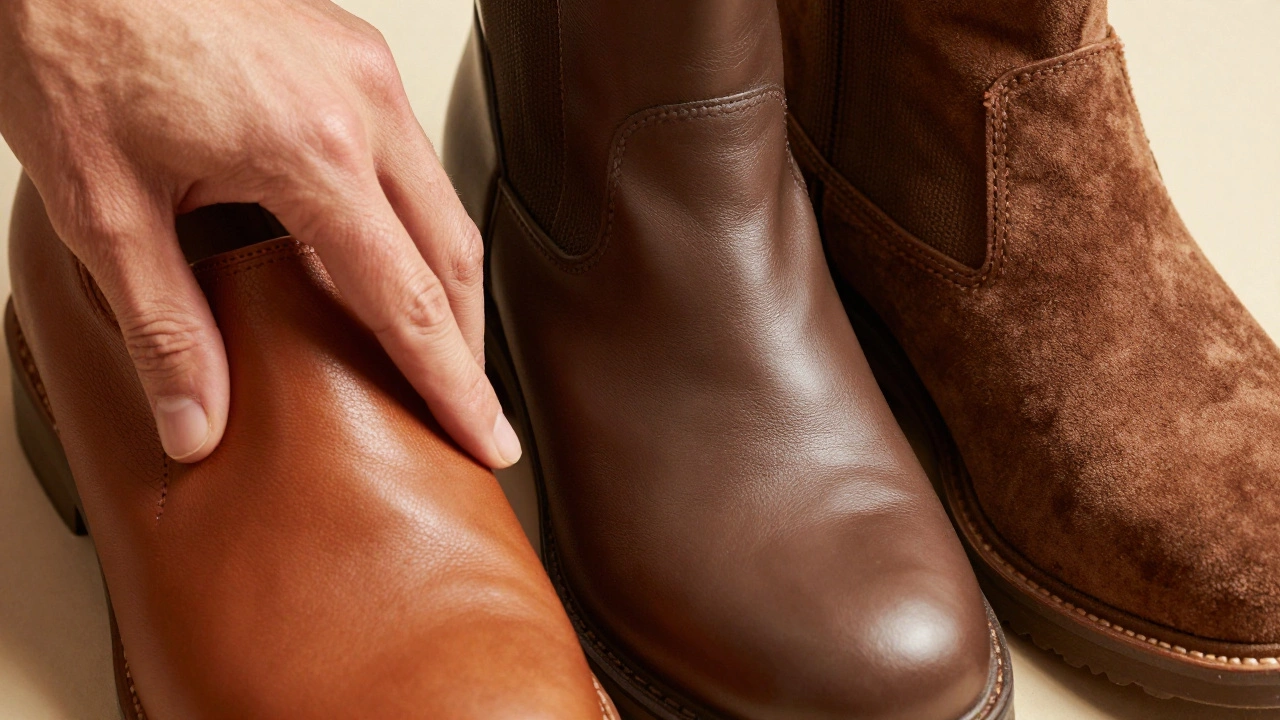
- Genuine Leather is a natural material that stretches and molds to the shape of your foot over time. Brands like Clarks, which has deep roots in British and Irish retail, often use high-quality leather. These boots will feel slightly loose at first but will tighten up after a few weeks of wear. Here, sizing up by half a size is usually safe if you plan to wear socks.
- Synthetic Materials are man-made materials like PU leather or nylon that do not stretch significantly. If you buy a synthetic boot that feels tight, it will stay tight. For these, you should stick to your exact shoe size or even size up if there is any pressure point. There is no 'break-in' period for plastic-based materials.
- Suede is a softer, napped leather that offers some flexibility but less durability than smooth leather. Suede is great for style but tricky for fit. It can stretch, but it also creases easily. If you size up too much in suede, the boot can look sloppy and lose its shape quickly.
In Ireland, we love our Dr. Martens. They are iconic here, seen everywhere from Cork to Belfast. Dr. Martens are known for running large. Most people find that they need to go down a full size from their usual sneaker size. This is the exception to the 'size up' rule. Always check the specific brand’s sizing guide before you commit.
Width and Foot Shape: The Hidden Variable
Size isn’t just about length. Width is just as important. Many standard European and American brands assume a narrow foot. However, many Irish women have wider feet due to genetics or simply years of walking on uneven terrain. If you have wide feet, sizing up in length might give you the width you need, but it can leave your heel slipping. This causes blisters.
If you have wide feet, look for brands that offer wide-fit options. Some local Irish retailers and online stores stock brands like Ecco or Naturalizer, which are known for accommodating wider foot shapes without requiring you to buy a larger length. Alternatively, consider boots with elastic side panels, like Chelsea boots, which expand to fit your foot naturally.
Another factor is arch support. If you have high arches, you might need extra room in the midfoot area. Flat-footed individuals might find that standard boots feel too roomy in the instep. In both cases, using insoles can help customize the fit rather than changing the overall size of the boot.
Seasonal Considerations: The Irish Winter Factor
Let’s talk about reality. In Ireland, winter doesn’t just mean cold; it means wet, windy, and grey. You will likely be wearing layers. If you buy boots that fit perfectly in September, they might be unbearable in December when you’re wearing thermal tights and thick wool socks.
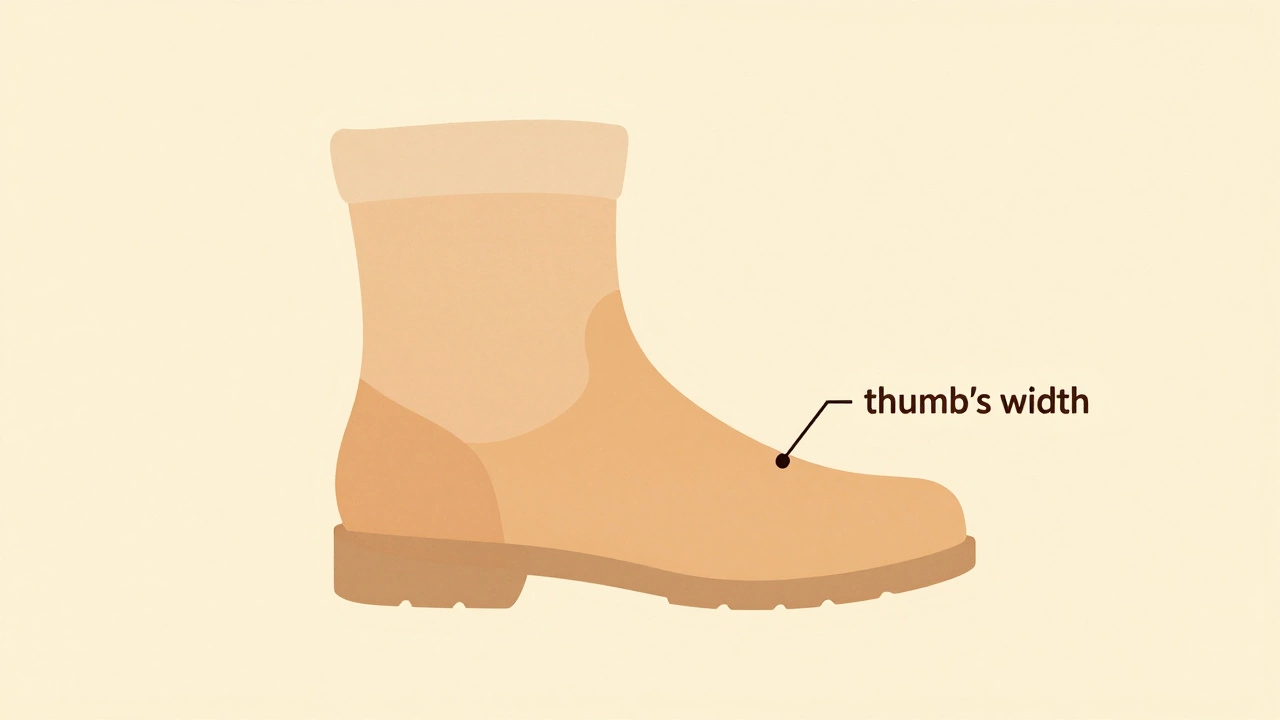
A good rule of thumb is to try on your boots with the thickest socks you plan to wear during the coldest months. Stand up, walk around, and check for pressure points. Your toes should not touch the front of the boot when you walk. There should be about a thumb’s width of space between your longest toe and the end of the boot. This prevents black toenails, which are a real risk if you’re hiking the Cliffs of Moher or navigating cobblestone streets in Kilkenny.
Also, consider the lining. Many winter boots come with fleece or shearling linings. These add significant bulk inside the boot. A boot with a shearling lining will feel tighter than the same model without it. Always account for this extra layer when deciding on your size.
Brand-Specific Sizing Quirks
Different brands have different lasts (the mold used to shape the shoe). This means a UK 6 in one brand might fit like a UK 5.5 in another. Here is a quick guide to some popular brands available in Ireland:
| Brand | Typical Fit | Recommendation |
|---|---|---|
| Dr. Martens | Runs Large | Go down 1 full size |
| Clarks | True to Size / Slightly Roomy | Stick to normal size or half size up for socks |
| Nike Air Force 1 Boots | Runs Small | Go up 0.5 - 1 size |
| Timberland | Runs Large | Go down 0.5 size |
| Zara / H&M Fashion Boots | Inconsistent | Try before buying; often run small |
If you are shopping online from sites like ASOS, Boohoo, or JD Sports, read the customer reviews. Look for comments about width and length. Phrases like 'runs small' or 'true to size' are goldmines of information. Don’t rely solely on the size chart provided by the retailer.
Practical Tips for Trying On Boots
Here is how to ensure you get the right fit every time:
- Shop in the afternoon. Your feet swell throughout the day as you walk and stand. Trying on boots in the morning might lead you to buy a size that is too tight by evening.
- Walk on different surfaces. If you are in a store, don’t just stand still. Walk on the carpet, then find a hard floor if possible. Check for heel slip. A little bit of movement is okay, but your heel shouldn’t lift completely out of the boot with every step.
- Check the toe box. Wiggle your toes. If they feel cramped, the boot is too small. Even if the length seems right, a narrow toe box can cause bunions and other issues over time.
- Consider orthotics. If you use custom insoles, bring them with you. They take up space inside the boot and can change the fit significantly.
If you live in a rural area and don’t have easy access to physical stores, order two sizes from online retailers that offer free returns. Try them on at home with your intended socks, and return the one that doesn’t fit. It saves you the hassle of going back to the post office or courier drop-off point multiple times.
Maintaining the Fit Over Time
Once you have the perfect pair, how do you keep them fitting well? Leather boots need care. Use a leather conditioner to keep the material soft and pliable. Dry boots can crack and become stiff, leading to discomfort. If your boots start to feel tight after a while, it might be because the leather has dried out rather than your feet growing.
If your boots are too loose, you can add padded insoles or heel grips. These are inexpensive fixes that can extend the life of your boots. Conversely, if they are too tight, a cobbler can stretch them professionally. Many local cobblers in towns like Ennis or Wexford offer this service for a reasonable fee.
Remember, comfort is key. You spend a lot of time on your feet, whether you’re commuting on the Luas in Dublin or hiking in the Wicklow Mountains. Investing in the right size ensures that your boots are a tool for exploration, not a source of pain.
Should I size up in knee-high boots?
Yes, generally you should size up by half a size in knee-high boots. This accounts for the thickness of your tights or leggings and ensures the shaft fits comfortably around your calf without being too tight. If the shaft is too snug, it can restrict blood flow and cause discomfort.
Do Doc Martens boots run big or small?
Doc Martens typically run large. Most people find they need to go down a full size from their regular shoe size. However, if you have wide feet, you might prefer to stick to your normal size for a better width fit, accepting a slightly longer length.
How should boots fit when you first put them on?
Boots should feel snug but not tight. There should be no pinching or pressure points. Your toes should have room to wiggle, and your heel should not slip excessively. Remember that leather will stretch, so a slightly loose fit initially is better than a tight one.
Can I wear thick socks with my boots?
Yes, especially in Ireland where winters are damp and cold. Always try on your boots with the thickest socks you plan to wear. If they feel too tight with thick socks, consider sizing up or choosing a boot with a wider toe box.
What if my boots are too big?
If your boots are too big, you can use insoles, heel grips, or tongue pads to fill the extra space. These accessories can improve the fit and prevent blisters caused by friction. For a permanent solution, a cobbler can add padding to the interior.