Sneaker Classification Checker
Not sure if your Nikes are for the gym or just for looking good at the pub? Use this tool to classify your footwear based on how you actually use them.
Based on Irish practical guidelines regarding footwear functionality vs. aesthetics.
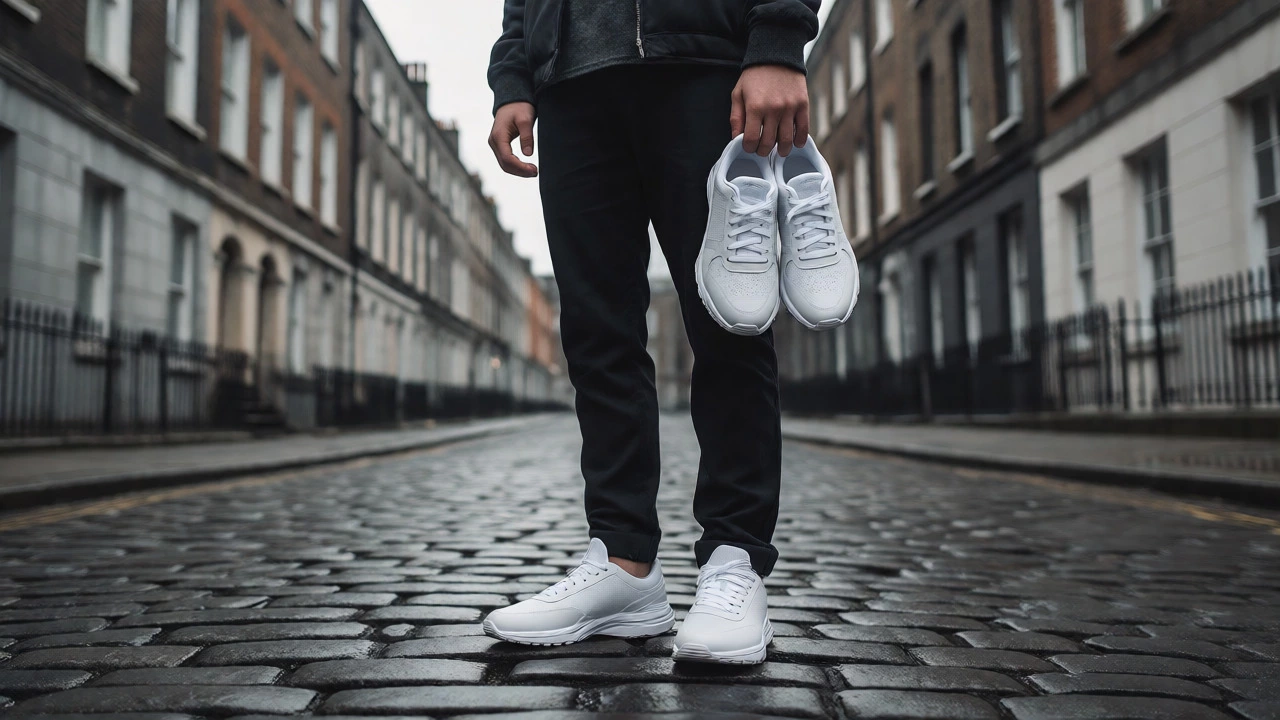
You’ve probably stood in a shoe shop on Henry Street in Dublin or browsed online from your kitchen table in Galway, holding a pair of sleek white sneakers and wondering: are these actually athletic wear? It’s a question that trips up a lot of people here in Ireland. We live in a country where the line between going for a run along the Grand Canal and popping into a pub for a pint is often just a matter of changing your socks. But technically, and practically, there is a difference. If you’re trying to figure out if your Nikes count as gym gear or just street style, you need to look past the logo and at the function.
Sneakers are a type of shoe with a flexible sole made of rubber or synthetic material and an upper part of leather, canvas, or synthetic fabric. Historically rooted in sports, they have evolved into a global fashion staple. In the Irish context, this evolution is particularly visible because our weather demands versatility. You can’t exactly wear running spikes to a wedding in Cork, but you also don’t want heavy boots for a quick jog in Phoenix Park.
The Technical Difference Between Sneakers and Athletic Wear
Let’s clear up the confusion right away. All athletic shoes are sneakers, but not all sneakers are athletic wear. Think of it like this: every square is a rectangle, but not every rectangle is a square. Athletic wear, specifically footwear designed for sport, is engineered for performance. It has specific attributes: breathability, impact absorption, lateral support, and weight distribution tailored to movement.
When you buy a dedicated running shoe, say a Brooks Ghost or an ASICS Gel-Nimbus, you are buying technology. These shoes have midsoles designed to compress and rebound with every step you take on pavement. They manage moisture so your feet don’t turn into swamps during a 5K around Lough Gill. Now, compare that to a classic canvas sneaker, like a Converse Chuck Taylor or a Vans Old Skool. These have flat, thin soles. They offer zero arch support and minimal cushioning. If you try to run a marathon in Chucks, your shins will hate you by mile three.
In Ireland, we often use the term "trainers" interchangeably with sneakers. This adds to the mix-up. When someone says they’re wearing trainers, do they mean high-performance gear for their GAA training session, or just comfortable shoes for commuting on the Luas? The cultural habit here is to prioritize comfort and durability over strict categorization, largely because our public transport and walking-heavy city centers demand shoes that can handle both cobblestones and sudden rain showers.
Why Context Matters More Than Labels
Whether sneakers are considered athletic wear depends entirely on what you are doing in them. This is the golden rule. If you are wearing Nike Air Force 1s to sit in a lecture hall at Trinity College, they are casual footwear. They are fashion items. If you wear those same Air Force 1s to play five-a-side football in a community center in Belfast, they might be acceptable, but they aren't ideal athletic wear. They lack the grip and ankle stability needed for quick pivots on indoor surfaces.
Consider the local culture of Gaelic games. Hurling and Gaelic football require specialized cleats or studs. Wearing standard sneakers to a hurling match would be dangerous and frowned upon. However, many young players wear branded sneakers as part of their pre-match warm-up or travel kit. In this scenario, the sneakers are "athletic-adjacent." They signal participation in sport without being the tool of the trade.
For the average person in Ireland, the distinction blurs because our lifestyle is active but low-intensity. We walk more than we sprint. We cycle for leisure rather than competitive racing. Therefore, a hybrid shoe-often marketed as a "lifestyle runner"-fills the gap. Brands like New Balance excel here. Their 574 model looks retro and stylish enough for a night out in Temple Bar but offers enough cushioning to feel decent after a day of sightseeing in Killarney. Is it athletic wear? Technically, it’s casual footwear with athletic DNA.
The Irish Weather Factor
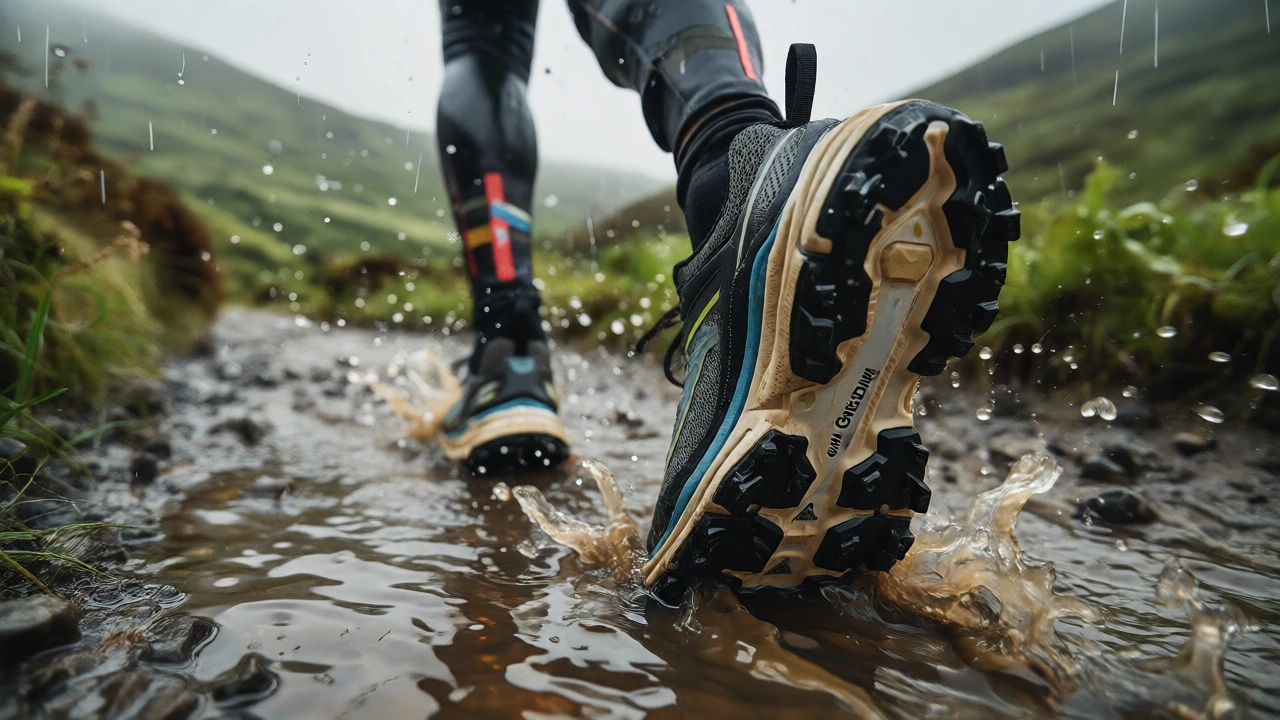
You cannot talk about footwear in Ireland without talking about rain. It’s the elephant in the room. Traditional athletic wear, especially mesh-based running shoes, is terrible in wet conditions. Water gets in, stays in, and takes hours to dry. This has driven a massive shift in how we perceive sneakers versus athletic shoes.
Many Irish consumers now prefer sneakers with water-resistant treatments or Gore-Tex membranes. These shoes look like standard athletic sneakers but perform like hiking boots. For example, the Nike Pegasus Trail GTX looks like a running shoe but keeps your feet dry during a drizzle on the Cliffs of Moher. Does this make them athletic wear? Yes, but only if you’re using them for trail running or hiking. If you’re wearing them to keep your socks dry while waiting for a bus in Galway, they are practical casual wear.
This adaptation shows that functionality overrides category labels. In a country where sunshine is rare and puddles are common, the definition of "sportswear" expands to include anything that protects you from the elements while allowing mobility. So, if your sneakers keep you dry and comfortable during a brisk walk, they are serving an athletic purpose, even if you’re just heading to the supermarket.
Fashion vs. Function: The Social Perception
There is a social aspect to this question too. In some parts of Ireland, wearing full athletic gear (tracksuit bottoms, sports bra, running shoes) when you aren’t exercising is seen as a bit lazy or overly casual. On the other hand, wearing fashionable sneakers with jeans or a dress is completely accepted and even encouraged.
Look at the streets of Dublin’s city center. You’ll see plenty of people in Adidas Ultraboosts paired with trench coats or wool skirts. Are they going to the gym? Maybe later. Right now, they are dressing for style and comfort. In this context, the sneakers are not athletic wear; they are fashion accessories that happen to be comfortable. The brand equity plays a huge role here. A generic pair of grey sneakers might be seen as purely functional, while a limited-edition Jordan release is a status symbol.
However, if you show up to a formal event in Cork or a business meeting in Shannon wearing chunky dad sneakers, you might get raised eyebrows unless the office culture is very relaxed. Here, sneakers are definitely not considered appropriate attire, let alone athletic wear. They are simply inappropriate. The key takeaway is that perception changes based on the setting. Your sneakers are athletic wear in the gym, casual wear at the mall, and potentially fashion-forward wear at a festival like Electric Picnic.
How to Choose the Right Pair for Your Needs
If you are struggling to decide whether to buy a pair of sneakers or dedicated athletic shoes, ask yourself three questions. First, what is my primary activity? Second, how much time will I spend in them outside of that activity? Third, what does the Irish weather require?
- Pure Athletic Use: If you run more than 30km a week or lift heavy weights, buy dedicated athletic shoes. Look for features like carbon plates for energy return or wide toe boxes for stability. Do not expect them to last long if you wear them everywhere else.
- Mixed Use (Commute + Gym): This is the sweet spot for most people. Look for "hybrid" trainers. Brands like On Running or Hoka One One make models that look sleek but have serious cushioning. These work well for taking the Dart in Dublin and then hitting the treadmill.
- Casual/Fashion Focus: If you rarely exercise but want comfort, stick to classic sneakers. Canvas, leather, or suede options are fine. Just remember they won’t protect your knees if you suddenly decide to join a parkrun.
| Feature | Fashion Sneakers | Dedicated Athletic Shoes | Hybrid Trainers |
|---|---|---|---|
| Primary Purpose | Style & Comfort | Performance & Safety | Versatility |
| Cushioning | Low to Medium | High / Specialized | Medium to High |
| Durability | Varies (Canvas wears fast) | High (Rubber outsoles) | High |
| Weather Resistance | Low (unless treated) | Low (Mesh breathes) | Medium (Often waterproof) |
| Ideal For | City walks, cafes, offices | Running, gym, field sports | Commuting, light jogging, travel |
Local Shopping Tips for Irish Buyers
Buying footwear in Ireland comes with its own set of challenges and perks. Online retailers offer great selection, but sizing can be tricky. Irish feet vary widely, and many European brands run narrow. If you are ordering from abroad, check the size charts carefully. A UK size 8 is not always the same fit across brands.
Physical stores still hold value here. Trying on shoes allows you to test the width and arch support. Shops like Brown Thomas in Dublin or independent boutiques in Galway’s Latin Street often carry curated selections of hybrid trainers that balance style and function. Don’t hesitate to ask staff about the intended use case. Good salespeople will tell you if a "running-style" sneaker is actually just a fashion copy.
Also, consider the resale market. Platforms like Depop are popular among younger Irish demographics for trading gently used sneakers. This sustainability angle is growing in importance, especially in cities like Cork and Limerick where circular economy initiatives are gaining traction. Buying second-hand doesn’t change the classification of the shoe, but it does affect its lifespan and environmental footprint.
Final Verdict: Are They Athletic Wear?
So, are sneakers considered athletic wear? The answer is: sometimes, but mostly no. Most sneakers worn today are casual footwear inspired by athletic design. They borrow the aesthetic of sport without committing to the engineering. True athletic wear is a tool, like a tennis racket or a yoga mat. It serves a specific mechanical function.
If you treat your sneakers as tools for exercise, they are athletic wear. If you treat them as everyday clothing, they are casual wear. In Ireland, given our mixed weather and active-but-casual lifestyle, the hybrid approach is the most practical. You don’t need to separate your wardrobe into "gym clothes" and "real clothes" strictly. You just need to know what your shoes can handle.
Next time you lace up, think about where your feet are going. If you’re heading to a muddy trail in Wicklow, choose grip and protection. If you’re heading to a brunch spot in Ranelagh, choose style and comfort. The label matters less than the experience.
Can I wear running sneakers to work in Ireland?
It depends on your workplace dress code. In creative industries or tech startups in Dublin, clean, minimalist running sneakers (like Allbirds or Veja) are often acceptable. In corporate finance or law firms, traditional leather shoes or smart loafers are preferred. Always check with HR or observe senior colleagues first.
Are canvas sneakers suitable for Irish winters?
Generally, no. Canvas absorbs water quickly, leading to cold, wet feet. For Irish winters, opt for sneakers with leather uppers, waterproof membranes (Gore-Tex), or thicker materials. Leather sneakers can be treated with wax or spray to improve water resistance.
What is the difference between 'trainers' and 'sneakers' in Ireland?
In Ireland, the terms are used interchangeably. 'Trainers' is the more common colloquial term for any athletic-style shoe, regardless of whether it is used for training. 'Sneakers' is understood but less frequently used in daily conversation. Both refer to the same category of footwear.
Do expensive sneakers provide better athletic performance?
Not necessarily. Price often reflects branding and fashion trends rather than technical performance. A €60 pair of well-fitted, supportive running shoes may outperform a €200 pair of designer lifestyle sneakers for actual exercise. Focus on fit and function, not the price tag.
How do I clean white sneakers in Ireland?
Due to mud and rain, white sneakers get dirty quickly. Use a soft brush, mild soap, and warm water to scrub the upper. Avoid machine washing unless specified by the manufacturer, as it can damage adhesives. Stuff them with newspaper to help retain shape while drying indoors, away from direct radiators which can warp the glue.