
Irish Sundress Survival Simulator
Not sure if your sundress look will survive a sudden shower in Galway or a windy walk in Clare? Use this tool to score your outfit based on practicality, comfort, and style.
Feedback & Tips
Configure your outfit options on the left to see how well your sundress look holds up against Irish weather and social norms.
Walking down Shop Street in Galway on a rare sunny afternoon, you might notice that the definition of "summer" here is flexible. One minute it’s raining sideways, the next it’s glorious sunshine that makes you wish you’d worn something lighter. This is why sundresses are such a tricky beast for us in Ireland. They’re not just about looking cute; they’re about surviving the unpredictable weather while still feeling like you’ve put effort into your appearance. If you’ve ever felt underdressed or overdressed for a sudden heatwave in Dublin, or frozen at a festival in Cork because your dress was too thin, this guide is for you.
We aren’t talking about tropical resort wear here. We’re talking about how to make a sundress work for our grey skies, our wind, and our very specific social occasions-from pub lunches in Connemara to weddings in Kildare. The goal isn’t just to buy a pretty piece of fabric; it’s to build a look that feels effortless but intentional. Let’s break down exactly how to pull off a sundress without looking like you forgot your coat (because you probably did).
Understanding the Irish Sundress Context
In most parts of the world, a sundress means bare arms and open toes. In Ireland, it often means bare arms, closed shoes, and a cardigan within arm's reach. The cultural context here is key. We value practicality mixed with a bit of flair. You won’t see many people wearing ultra-mini skirts in rural Clare unless they’re prepared for the wind whipping up from the Atlantic. So, when we talk about looking good in a sundress here, we mean balancing aesthetics with the reality of our climate.
Think about the events on your calendar. Are you heading to a garden party in Wicklow? Or maybe a casual day out at the Guinness Storehouse? The vibe changes completely. A flowy, bohemian dress might fit perfectly at an outdoor market in Belfast, but it could feel out of place in a sleek office environment in Dublin’s Docklands. Knowing where you’re going dictates what kind of sundress you pick. It’s not just about the color; it’s about the silhouette and the fabric weight.
Choosing the Right Fabric for Our Weather
This is where most people get it wrong. They buy flimsy polyester blends that cling when it rains and offer zero warmth when the sun goes behind a cloud. For the Irish climate, natural fibers are your best friend. Cotton and linen breathe, which is crucial if you’re caught in a humid spell, but they also layer well.
| Fabric Type | Best For | Irish Weather Tip |
|---|---|---|
| Linen | Hot days, casual outings | Wrinkles easily, so embrace the messiness. Great for coastal walks in Donegal. |
| Cotton Poplin | Work-to-weekend transitions | Holds shape well. Pair with a denim jacket for city strolls. |
| Jersey Knit | Comfort, travel, festivals | Stretchy and warm enough for cooler evenings. Ideal for Glastonbury or Electric Picnic. |
| Viscose/Rayon | Draping, elegance | Feels silky but can be cold. Needs a shawl or blazer in autumn. |
Avoid heavy synthetics unless you’re sure it’ll stay dry. There’s nothing worse than standing outside a venue in Limerick waiting for a taxi, sweating in a plastic-feeling dress that doesn’t wick moisture. If you live near the coast, like in Galway or Kerry, salt air can degrade delicate fabrics faster. Wash them gently and store them properly. Your linen dress from a local boutique in Salthill will last longer if you treat it with care.
Matching Silhouettes to Body Types
Let’s be real: no two bodies are the same, and trends don’t always translate. If you have an hourglass figure, wrap dresses are fantastic because they highlight the waist and accommodate curves comfortably. Brands available in Irish high streets, like & Other Stories or even Zara, often carry these cuts. They’re forgiving and flattering, whether you’re grabbing coffee in Temple Bar or attending a wedding reception.
For those with straighter figures, tiered sundresses add volume and movement. They create the illusion of curves and look great with a belt to define the waist. If you’re taller, maxi dresses are a staple. But beware-the wind! A lightweight maxi can become a sail in seconds. Opt for heavier fabrics or shorter hems if you’re prone to gusty conditions. Petite frames often struggle with overwhelming prints. Stick to smaller patterns or solid colors with interesting details like ruffles or buttons to draw attention upward.
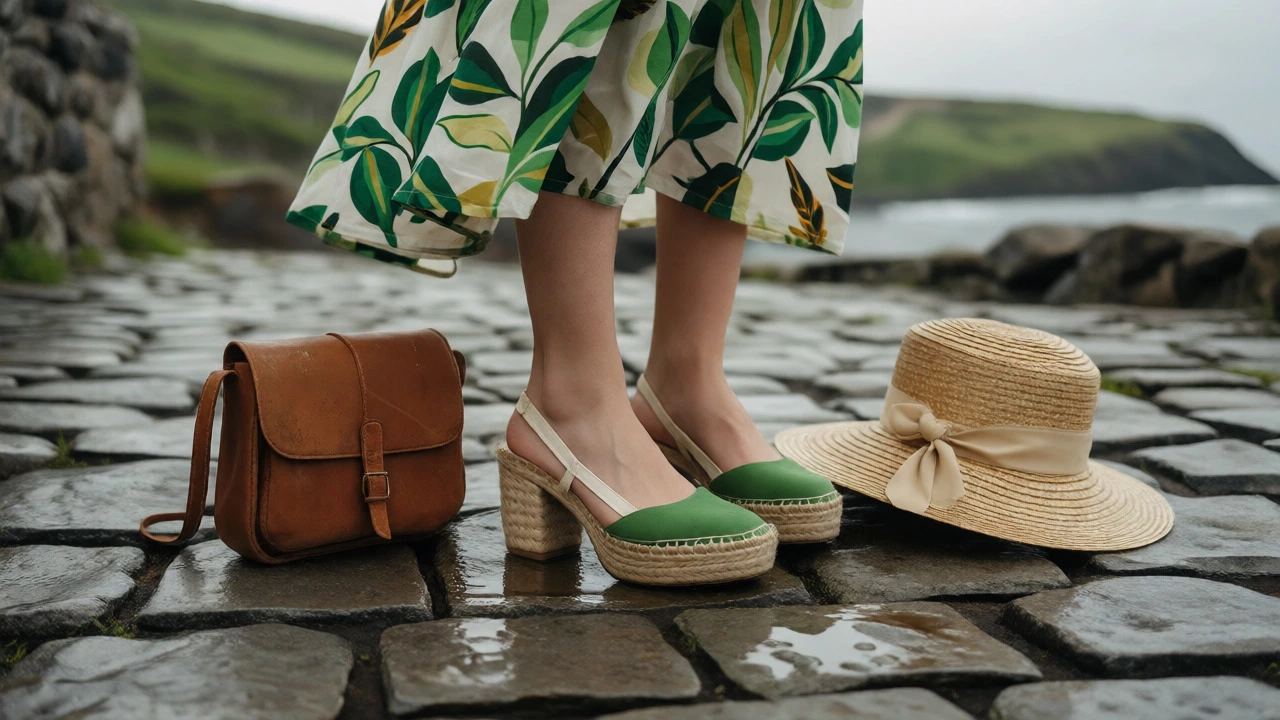
Don’t forget about comfort. If you’re walking around Cliffs of Moher or navigating cobblestones in Derry, heels are a nightmare. Flat sandals or espadrilles keep you grounded and stylish. If you need height, block heels are safer than stilettos on uneven ground.
The Art of Layering for Unpredictable Skies
You cannot wear a sundress in Ireland without a plan B. The sun might shine for ten minutes, then vanish. Layering is an art form here. It’s not just about staying warm; it’s about completing the outfit.
- The Denim Jacket: A classic for a reason. It adds structure to a flowy dress. Choose a cropped version to avoid cutting off your legs visually.
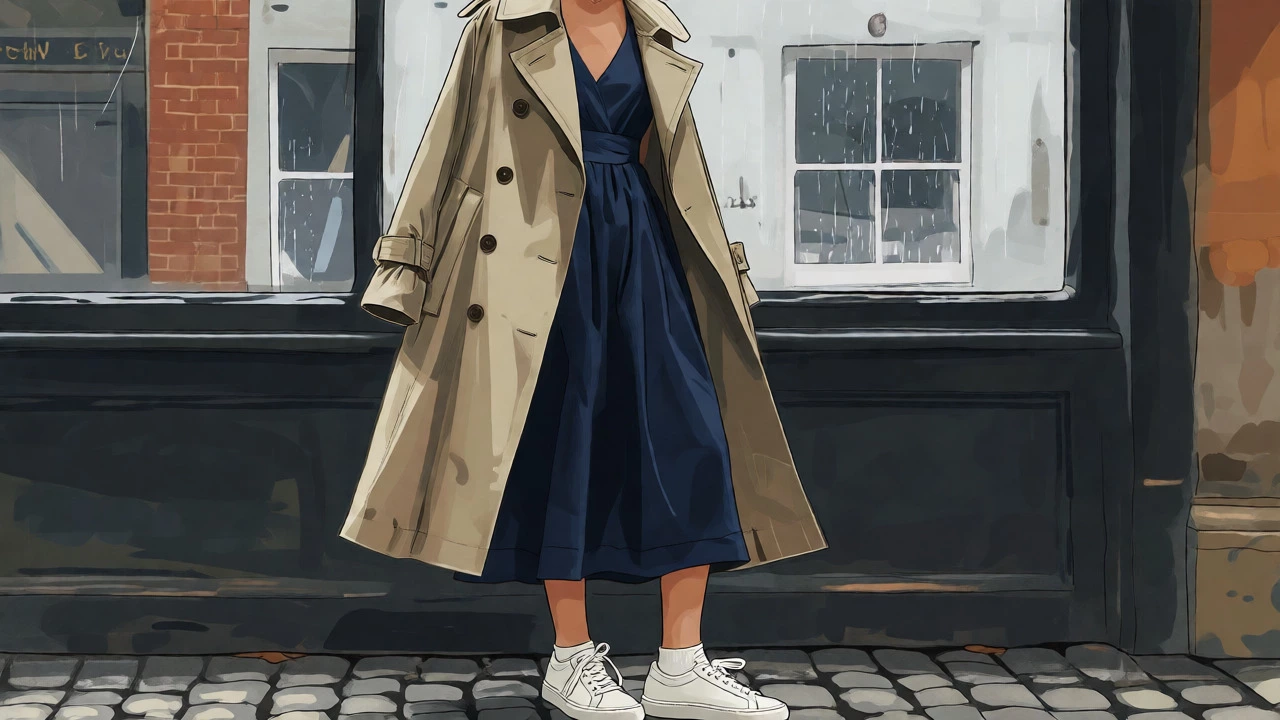
- The Trench Coat: Essential for spring and early autumn. Beige or khaki trench coats pair beautifully with floral sundresses. It’s a chic, polished look that works in professional settings too.
- The Cardigan: Not your grandmother’s cardigan. Think fine-knit merino wool in neutral tones. It fits easily into a handbag and provides instant warmth during a sudden chill.
- The Blazer: For a smarter look, throw an oversized blazer over a slip dress. It instantly elevates the outfit from "beach day" to "brunch ready."
Color coordination matters here. Since our sky is often grey, wearing all black can look dull. Add pops of color through your accessories or layers. A bright yellow cardigan over a navy sundress can lift your mood and your look. Conversely, if you’re wearing a bold print, keep your layers neutral to let the dress shine.
Footwear Choices That Survive Irish Pavements
Sandals are risky business. Open-toed shoes are fine for a dry day, but one splash of puddle water and you’re miserable. Closed-toe sandals or mules are a safer bet. They offer breathability but protect your feet from debris and rain.
White sneakers are incredibly versatile. They dress down a fancy sundress for a casual day out. Pair them with ankle socks for a trendy look. If you’re heading to a festival or a night out, consider platform sandals. They give you height without the instability of thin heels, and platforms keep you above the mud if you’re venturing off-road.
Remember, Irish pavements are notoriously uneven. Avoid thin straps that dig into your skin after hours of walking. Comfort is non-negotiable if you want to enjoy your day. Broken-in shoes are better than new ones that cause blisters by noon.
Accessorizing for the Occasion
Accessories can make or break a sundress look. In Ireland, we tend to lean towards understated elegance rather than flashy excess. Simple gold jewelry complements most skin tones and pairs well with natural fabrics. Hoop earrings or a delicate necklace add polish without competing with the dress pattern.
Bags should be practical. A crossbody bag keeps your hands free for holding an umbrella or a pint. Leather bags age beautifully in our damp climate, developing a patina that looks authentic. Canvas totes are great for beach trips or market runs in Dublin’s Moore Street.
Hats serve a dual purpose. A wide-brimmed hat protects you from UV rays when the sun does appear, and it adds a touch of glamour. However, secure it tightly-wind can steal hats quickly. Beanies might seem odd with a sundress, but in late September, they actually work if styled correctly with chunky knits and boots.
Caring for Your Dress in a Humid Climate
Ireland’s humidity affects clothing differently than dry climates. Mold and mildew can sneak into closets if clothes aren’t fully dry. Ensure your sundresses are completely dry before storing them. Use cedar blocks or lavender sachets to keep them fresh.
Ironing linen requires patience. Do it while slightly damp for best results. Steamers are excellent for removing wrinkles without damaging delicate fabrics. If you’re traveling, pack your dress in a garment bag to minimize creasing. Hanging it in the bathroom while you shower can release minor wrinkles naturally.
Stain removal is critical. Grass stains from picnics in Phoenix Park or wine spills at dinner happen. Treat them immediately. Natural remedies like baking soda paste can help lift stains without harsh chemicals that might damage organic fibers.
Can I wear a sundress to work in Ireland?
Yes, if you choose the right cut and fabric. Opt for midi-length dresses in solid colors or subtle prints. Pair them with a structured blazer and closed-toe shoes. Avoid overly casual fabrics like jersey if your workplace is formal. Many tech companies in Dublin allow smart-casual attire, making a neat cotton sundress acceptable.
What shoes go best with sundresses for Irish weather?
Closed-toe sandals, white sneakers, and block-heel pumps are top choices. They provide protection from rain and uneven surfaces while maintaining a stylish aesthetic. Espadrilles are also popular for their comfort and summer vibe, but ensure they are water-resistant or quick-drying.
How do I prevent my sundress from getting ruined by rain?
Choose darker colors or prints that hide water spots. Carry a compact umbrella and a waterproof tote. Synthetic blends dry faster than pure cotton, so consider them if rain is forecast. After exposure to rain, hang the dress to air dry immediately to prevent mildew.
Are floral prints outdated in Ireland?
Not at all. Floral prints remain a staple in Irish fashion, especially for spring and summer. The key is choosing modern scales and color palettes. Large, bold florals are trending, as are vintage-inspired small prints. Pair them with contemporary accessories to keep the look fresh.
Where can I find quality sundresses in Ireland?
Check out local boutiques in cities like Galway, Cork, and Dublin for unique pieces. High street chains like H&M and Zara offer affordable options. Online retailers with fast shipping to Ireland, such as ASOS or Next, provide a wider range. Don’t ignore charity shops; you can find high-quality vintage dresses for a fraction of the price.