Footwear Investment Calculator
Compare the financial impact of investing in quality leather shoes versus buying cheaper synthetic pairs over a set period.
€0
Sustainable Choice€0
Fast FashionQuick Takeaways
- Leather is prized for its ability to breathe while keeping feet warm.
- It handles the unpredictable Irish rain better than canvas or cheap plastics when treated.
- Local culture values 'investment pieces' that last for years rather than fast fashion.
- Versatility allows the same pair to work for a casual pub visit and a formal office setting.
The Battle Against the Irish Weather
Let's be honest, the weather here is a bit of a rollercoaster. You can have sunshine, a hail storm, and a light drizzle all before lunch. This is where Leather is a naturally durable material made from animal hides, processed through tanning to preserve the skin and make it flexible. Unlike canvas sneakers that soak up water like a sponge, leather acts as a natural barrier.
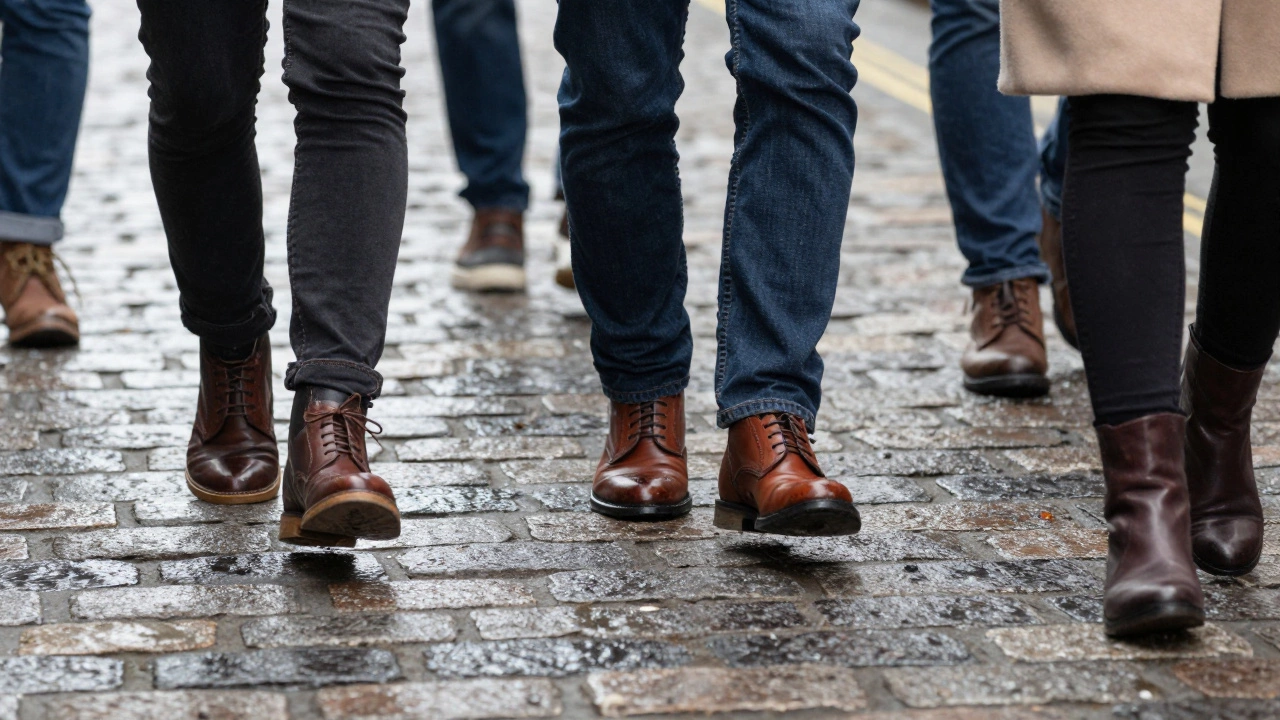
When you're navigating the cobblestones of Temple Bar or walking through a misty morning in the Wicklow Mountains, you need something that doesn't let the damp seep in immediately. While no shoe is completely waterproof unless it's a dedicated rubber wellie, a well-maintained leather shoe-especially one treated with a beeswax polish-repels water efficiently. This is why many people in the West of Ireland lean toward heavier leather boots; they keep the feet dry and warm without causing the sweat buildup you get with plastic-based materials.
Breathability and the 'Foot Health' Factor
One of the biggest mistakes people make is thinking that 'waterproof' means 'airtight.' If you wear cheap synthetic shoes during a long day of walking in Galway, your feet end up feeling like they're in a sauna. This happens because synthetic materials don't breathe. Pores in natural leather allow air to circulate and moisture to escape.
This breathability is key for preventing blisters and fungal issues, which are common when feet stay damp for too long. Whether you're a commuter taking the DART into Dublin or a professional spending eight hours on your feet, leather adapts to the shape of your foot. Over time, the material softens and molds to your specific anatomy, creating a custom fit that you simply can't get from a molded plastic shoe. It's the difference between a shoe that feels like a cage and one that feels like a second skin.
Cultural Value and the 'Buy Less, Buy Better' Mindset
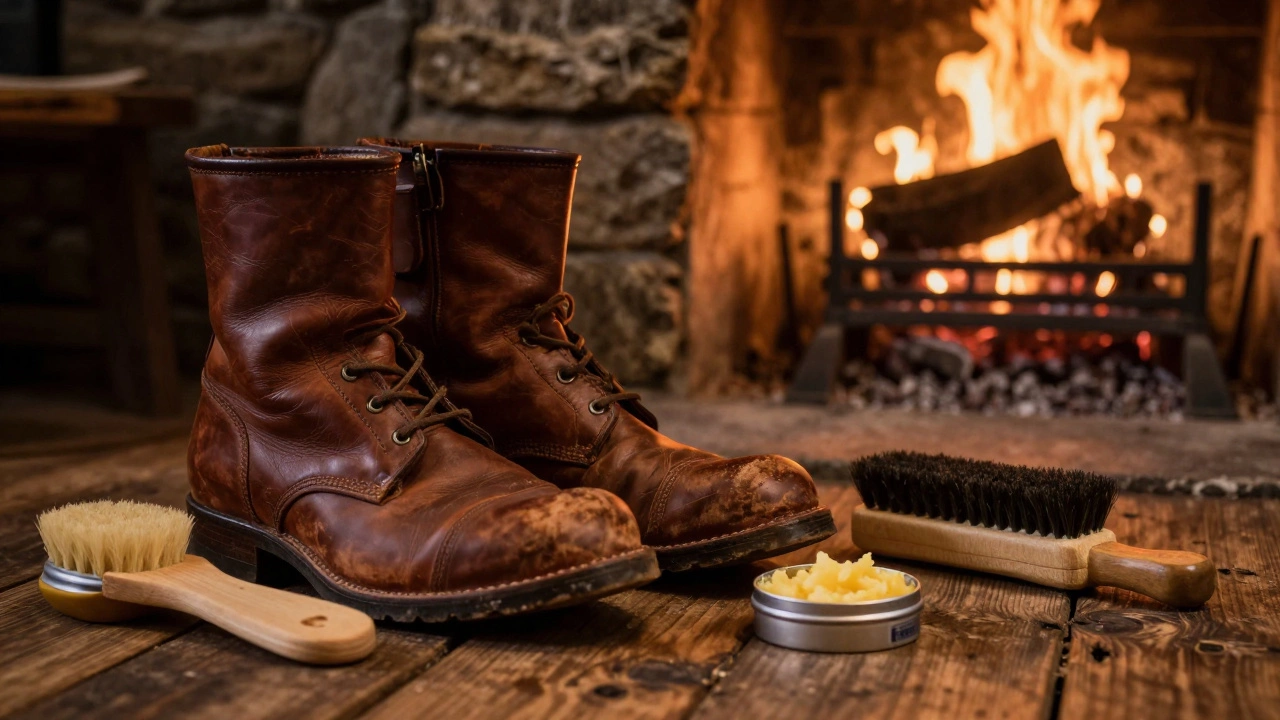
There is a strong tradition in Ireland of valuing craftsmanship. Think about the heritage of Irish woolens or linens; there's a similar respect for a pair of shoes that can be repaired rather than replaced. In a world of 'fast fashion,' leather stands out as a sustainable choice because of its longevity. A high-quality pair of Oxfords or Chelseas can last a decade if you take care of them.
Walking into a traditional cobbler in a town like Ennis or Cork, you'll see people bringing in shoes for a resoling. You can't resole a cheap synthetic sneaker once the sole peels off, but a leather shoe is designed to be serviced. This makes it a smarter financial move in the long run. Instead of spending 60 Euro every six months on a new pair of trendy trainers, Irish consumers often prefer to spend 150 Euro once and have them maintained for years. It's a shift toward conscious consumption that fits perfectly with the rural and urban Irish lifestyle.
| Feature | Natural Leather | Synthetic/Plastic |
|---|---|---|
| Water Resistance | High (with wax/polish) | Very High (but non-breathable) |
| Breathability | Excellent | Poor (traps heat/moisture) |
| Lifespan | Years (can be repaired) | Months to 2 Years (disposable) |
| Comfort | Molds to foot over time | Stays rigid |
| Style Versatility | High (Casual to Formal) | Mostly Casual/Sporty |
Style Versatility from the Pub to the Boardroom
In Ireland, the line between 'casual' and 'smart' is often blurred. You might go straight from a business meeting in an office on Dame Street to a casual drink at a local pub. Leather shoes are the perfect bridge for this. A pair of Brogues-shoes characterized by decorative perforations-works just as well with a pair of dark jeans as it does with a tailored suit.
The aesthetic appeal of leather also comes from how it ages. While synthetics crack and peel, leather develops a 'patina.' This is a soft sheen and a series of unique marks that tell a story of where the wearer has been. For many in the Irish professional scene, a slightly worn-in pair of leather shoes suggests experience and reliability, whereas brand-new, shiny plastic shoes can look cheap and out of place.
Practical Maintenance for the Damp Coast
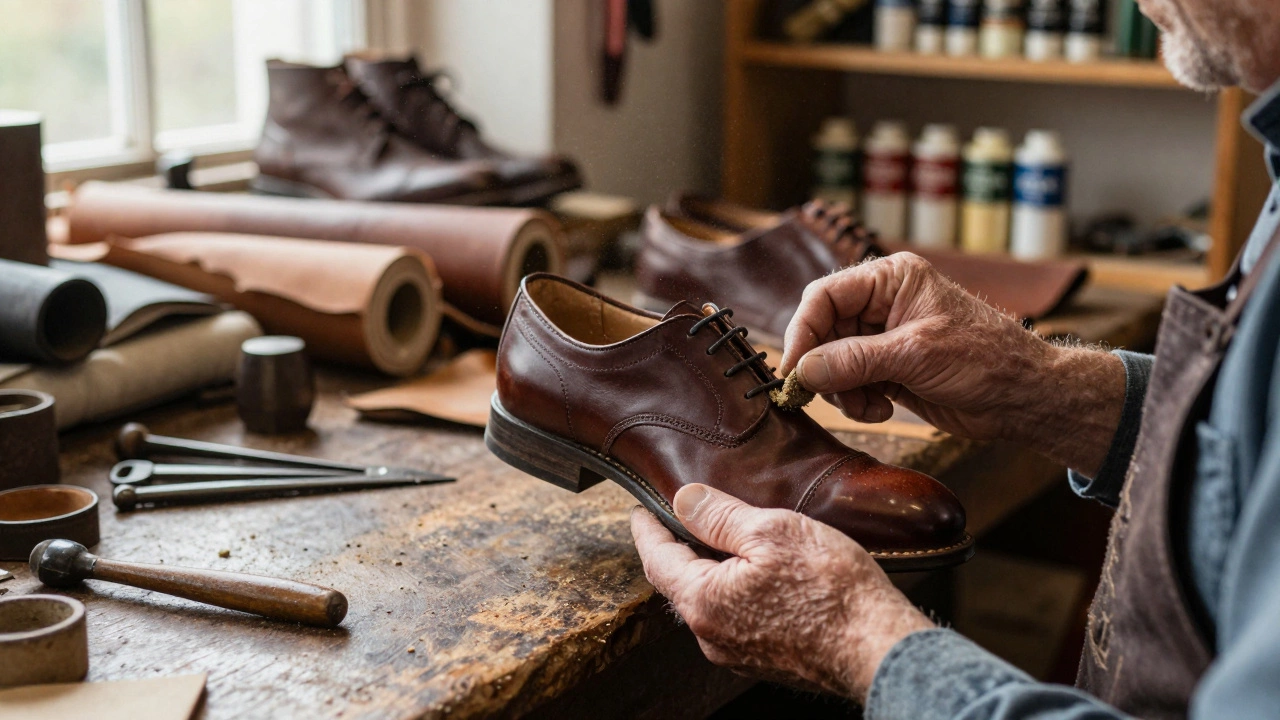
If you're wearing leather in Ireland, you can't just 'set it and forget it.' The salt in the sea air and the constant humidity mean you need a basic maintenance routine to keep the material from cracking. The first rule is to avoid drying leather shoes directly on a radiator after a rainy walk; this sucks the moisture out too quickly and makes the leather brittle.
Instead, use cedar shoe trees or stuff them with newspaper to maintain the shape. Using a Shoe Polish-a wax-based substance used to protect and shine leather-creates a waterproof seal. For those living in wetter regions like Donegal or Kerry, a heavy-duty cream or mink oil is often the best bet to ensure the boots stay supple and water-repellent. Local shops in most Irish towns stock these essentials because they know exactly how brutal a winter storm can be on a pair of shoes.
The Shift Toward Sustainable and Vegan Alternatives
It's worth noting that the conversation is changing. More people in cities like Dublin and Belfast are looking for the benefits of leather without the animal product. This has led to the rise of Vegan Leather, which is a synthetic alternative made from polyurethane (PU) or bio-based materials like pineapple or mushroom skin. While these are becoming more popular for ethical reasons, they still struggle to match the breathability and long-term repairability of traditional cowhide.
However, the trend is moving toward 'bio-leathers' that aim to replicate the porous structure of natural skin. Until then, the classic leather shoe remains the dominant choice because it solves the three biggest problems for an Irish resident: keeping the rain out, letting the feet breathe, and lasting through years of hard wear.
Are leather shoes actually waterproof in the rain?
Not inherently. While leather is naturally water-resistant, it is not waterproof like a rubber boot. To make them truly rain-ready for the Irish climate, you must apply a wax or waterproof spray. Without treatment, water can eventually soak through the pores, especially in heavy downpours.
Why do leather shoes feel uncomfortable at first?
This is the 'break-in' period. Because high-quality leather is stiff at first, it takes a few wears for the material to stretch and mold to your foot. A pro tip for Irish walkers is to wear slightly thicker socks during the first week to prevent blisters while the shoe adjusts.
How often should I polish my leather shoes in a damp climate?
In Ireland, polishing every 2 to 4 weeks is ideal. The humidity and salt air can strip away protective layers. Regular polishing doesn't just make them look good; it refills the pores of the leather to keep moisture from penetrating the material.
Can I wear leather shoes in the summer in Ireland?
Yes, and they are actually better than synthetics for summer. Because leather breathes, it prevents your feet from overheating during the warmer months, unlike plastic-based footwear which traps heat and leads to sweaty feet.
What is the best type of leather for Irish winters?
Full-grain leather or pebbled leather is best. These have a thicker outer layer that provides more protection against the elements. For those in rural areas, a waxed leather boot (like a Chelsea boot) is the gold standard for combining style with weather protection.
Next Steps for Shoe Care
If you've just bought your first pair of quality leather shoes, don't just throw them in the cupboard. Start by treating them with a water-repellent spray before your first outing. If you're in a city, find a local cobbler and introduce yourself-having a go-to person for heel caps and resoling will save you hundreds of euros over the next five years. For those struggling with a stiff fit, try using a leather stretching spray or simply wear them for short bursts around the house before taking them out into the wild Irish weather.