Irish Sportswear Suitability Calculator
Ireland's temperate maritime climate demands specific features from sportswear. This tool helps you determine if your outfit is ready for the elements, from a muddy hurling pitch to a windy hike in Connemara.
Suitability Score: 0%
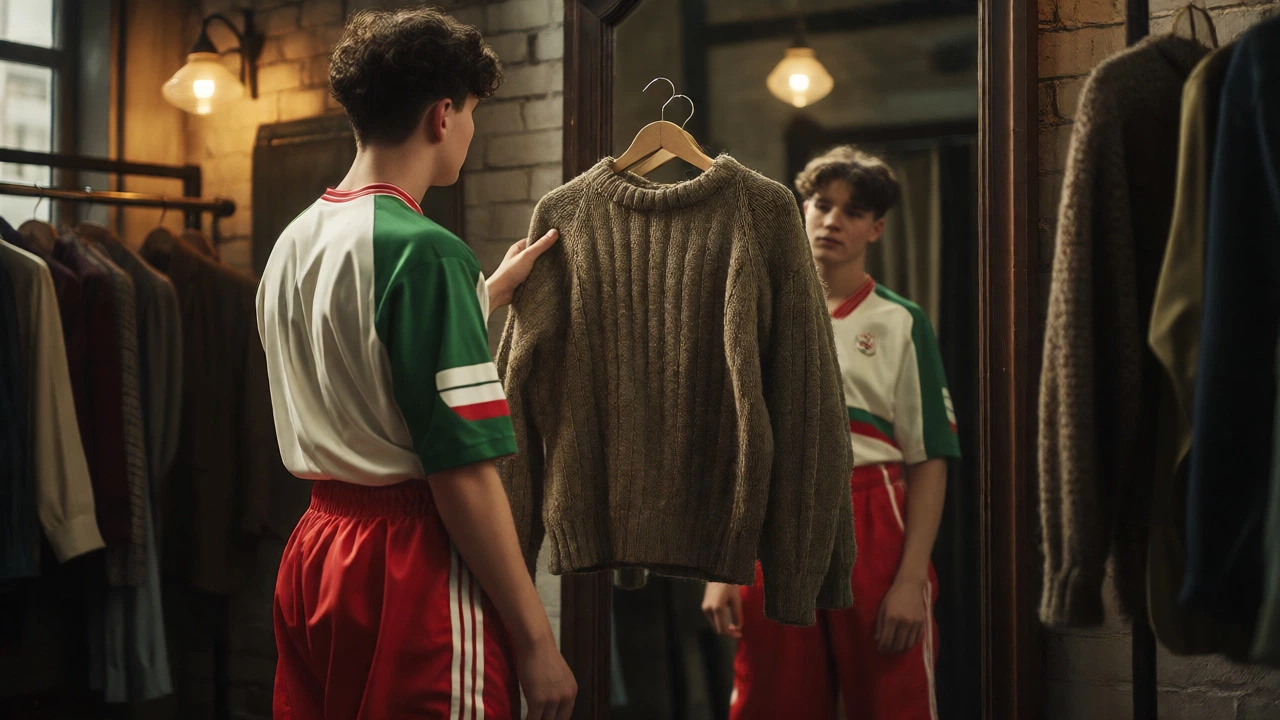
VerdictYou’re standing in a fitting room on Henry Street in Dublin, trying on a pair of track pants that cost more than your weekly grocery shop. You pull out your phone to check the price tag again, and it says sportswear. It feels obvious, doesn’t it? But have you ever stopped to wonder why we call it that? In Ireland, where we wear our jerseys with pride and our joggers to the pub, the term "sportswear" carries a heavy weight of history, class struggle, and technological evolution. It wasn’t always about high-performance fabrics or moisture-wicking technology. Once upon a time, if you wore shorts in public, people thought you’d lost your mind.
Understanding why we use this specific label requires looking back at how humans moved from rigid, restrictive clothing to the flexible gear we rely on today. This isn’t just a semantic quirk; it’s a story about liberation, industrialization, and the rise of leisure time. For us here in Galway, Cork, or Belfast, sportswear is woven into the fabric of daily life, from the hurling pitches to the hiking trails of Connemara. Let’s unpack the name, the history, and why the line between "gym clothes" and "everyday wear" has completely vanished in the modern Irish market.
The Literal Meaning Behind the Label
At its core, the term is straightforward: Sportswear is clothing designed for physical activity or athletic pursuits, distinct from formal attire or everyday casual wear. The word combines "sport," referring to organized physical games, with "wear," denoting items put on the body. However, language rarely stays static. When the term first emerged in the late 19th century, it referred strictly to uniforms worn by athletes during competition. Think of the heavy woolen sweaters worn by early Gaelic footballers or the stiff cotton shirts used in cricket matches across England and Ireland.
Today, the definition has expanded drastically. If you wear Nike Air Maxes to work in the tech hubs of Dublin, are you wearing sportswear? Technically, yes. The category now encompasses everything from performance leggings to stylish sneakers. This shift happened because the function of the clothing changed. We no longer just dress for the activity; we dress for the aesthetic of activity. The name stuck, even though the usage drifted far from its athletic roots. This linguistic drift is common in fashion-just look at how "jeans" went from durable miner’s trousers to high-fashion staples-but sportswear’s transition was accelerated by global cultural shifts.
A Brief History of Moving Freely
To understand the name, you have to understand the problem it solved. Before the 1860s, physical exertion in Western society was hindered by clothing. Men wore long coats, waistcoats, and tight collars. Women were encased in corsets and layers of petticoats. Try running a marathon in that setup. It’s nearly impossible. The Industrial Revolution brought changes, but it was the Victorian obsession with "muscular Christianity"-the idea that physical health was tied to moral strength-that started loosening the threads.
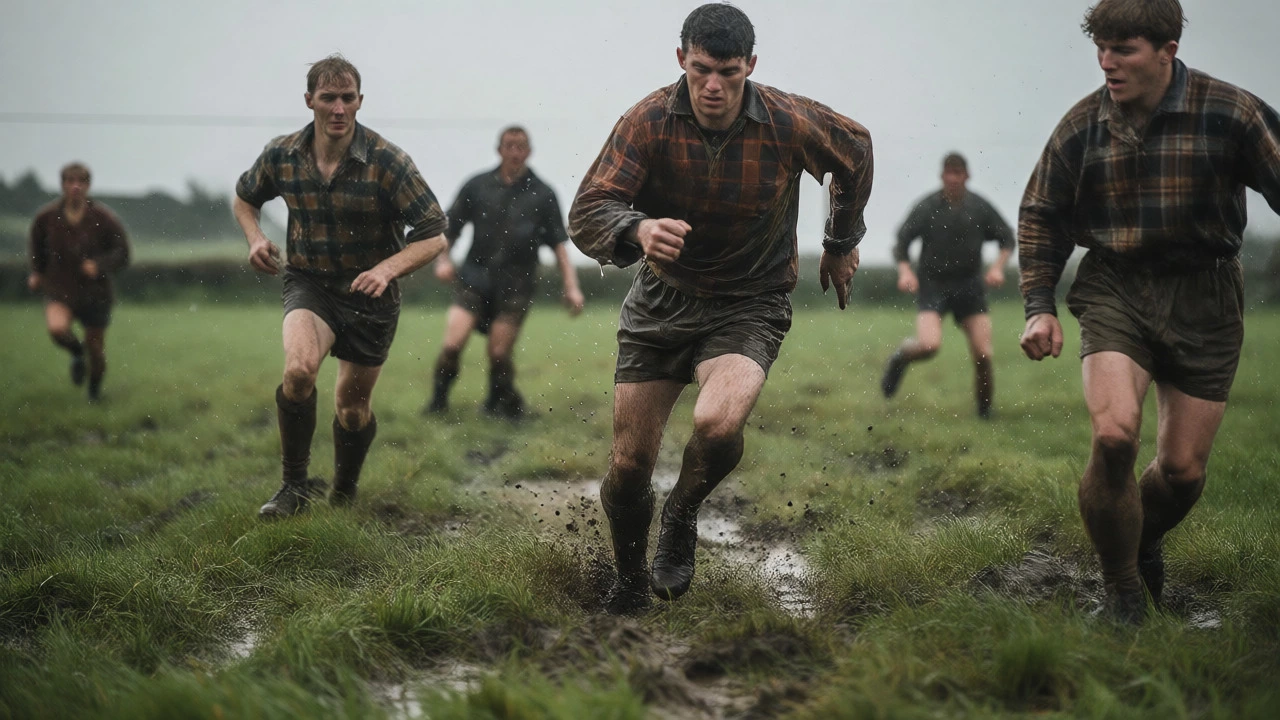
In Ireland, this period coincided with the rise of organized sports like hurling and Gaelic football. The Gaelic Athletic Association (GAA), founded in 1884, established standardized rules and uniforms, pushing for practical clothing that allowed freedom of movement. Early GAA kits were made of heavy flannel and wool. They absorbed sweat, became incredibly heavy, and took days to dry in our damp Irish climate. Yet, they were considered "sportswear" because they were worn exclusively for sport. You wouldn’t be caught dead in them at a wedding or a business meeting. That strict separation defined the era.
The real revolution began in the 1930s and 40s with the introduction of synthetic materials and new manufacturing techniques. Companies like Adidas and later Nike began experimenting with lightweight nylon and polyester. These fabrics didn’t absorb water; they repelled it. Suddenly, clothing could be functional and light. The term "sportswear" began to bleed into "casual wear" as Americans popularized the idea of weekend leisure activities requiring comfortable, non-restrictive clothing. This American influence crossed the Atlantic quickly, reshaping how Irish people dressed outside of church and work.
Why the Name Stuck Despite the Evolution
You might ask, if we wear these clothes to brunch, why don’t we rename them "leisure wear" or "athleisure"? Marketing plays a huge role here. Brands discovered that labeling an item "sportswear" implies performance, durability, and status. Wearing a jersey from the All-Ireland Final isn’t just about comfort; it’s about signaling community loyalty and athletic appreciation. The word "sport" carries positive connotations of health, discipline, and victory.
Furthermore, the infrastructure of retail supports the name. Department stores like Arnotts in Dublin or Brown Thomas categorize these items under sportswear sections, reinforcing the terminology. Even when you buy a luxury tracksuit for €500, it sits in the sportswear aisle, not the suit section. This classification helps consumers navigate choices. If you need something for a hike in Wicklow Mountains, you go to the sportswear department. If you need something for a boardroom presentation, you go elsewhere. The mental model persists, even if the physical boundaries blur.
| Era | Primary Material | Usage Context | Terminology Nuance |
|---|---|---|---|
| Late 1800s | Heavy Wool & Flannel | Strictly Competition | Uniforms for organized teams |
| Mid 1900s | Cotton & Early Synthetics | Recreation & School P.E. | Separation from formal wear begins |
| 1990s-2000s | Polyester & Nylon Blends | Gym & Running | Performance-focused branding |
| 2020s | Technical Fabrics & Recycled Plastics | Work, Home, Social | Fashion-led "Athleisure" within sportswear |
The Irish Context: Weather and Culture
Ireland’s geographical specifics have heavily influenced what we consider essential sportswear. We live in a temperate maritime climate. It rains often, the wind is persistent, and temperatures rarely swing wildly. This environment demands layering. A simple t-shirt won’t cut it when you’re jogging along the Salthill promenade in Galway. Therefore, the Irish definition of sportswear prioritizes waterproofing and breathability over extreme heat management.
Consider the popularity of brands like Regatta or Jack Wolfskin here. While they sell outdoor gear, much of it falls under the broader umbrella of sportswear because it facilitates active lifestyles. Hiking boots, rain jackets, and thermal base layers are staples in Irish wardrobes. Unlike in Mediterranean countries, where sportswear might mean shorts and sandals year-round, in Ireland, it means technical outerwear. This practical necessity keeps the term "sportswear" relevant because it describes utility, not just style.
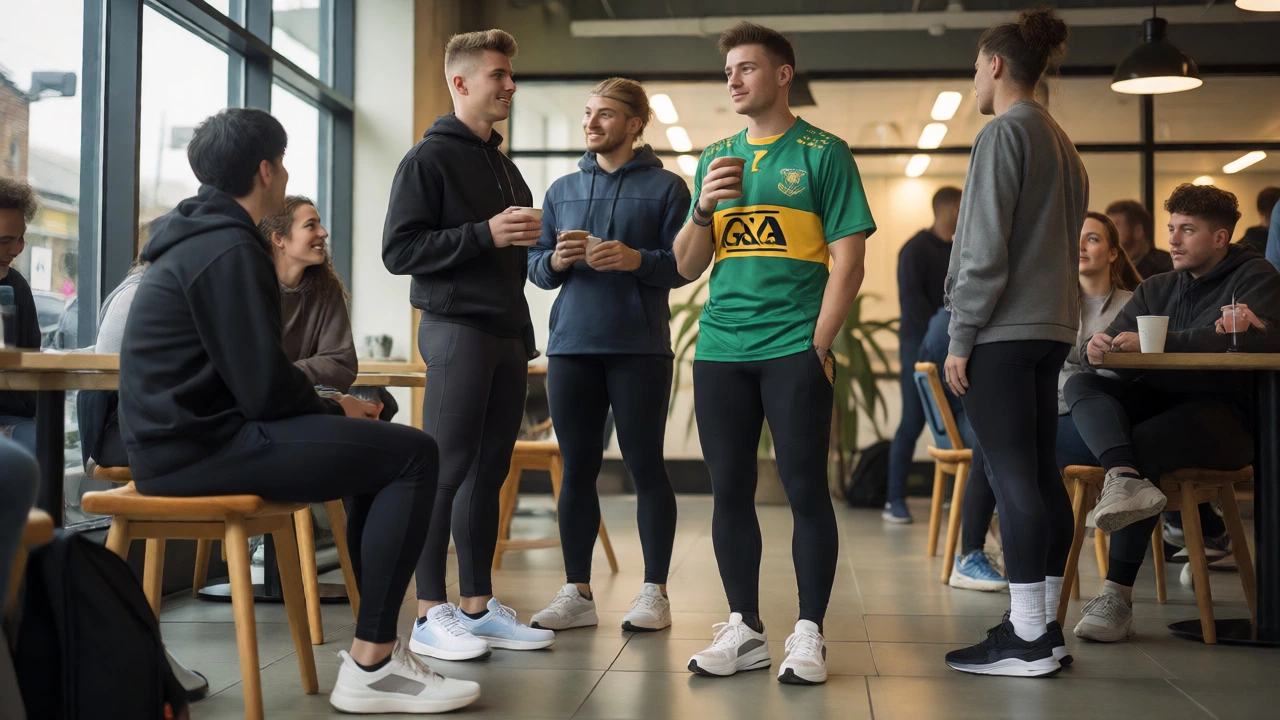
Culturally, sport is central to Irish identity. Whether it’s supporting the county team or participating in local charity runs, clothing serves as a badge of belonging. The tradition of wearing GAA colors extends beyond the pitch. It’s common to see people in their club jerseys while shopping in Tesco or sitting in a café. This social acceptance accelerates the normalization of sportswear in non-sport settings. We don’t judge someone for wearing runners to a funeral unless they’re dirty. We judge them if they’re uncomfortable. Comfort, derived from sportswear technology, has become a societal value.
From Pitch to Pub: The Athleisure Shift
The term "athleisure" gained traction in the 2010s, blending "athletic" and "leisure." Some argue this should replace "sportswear," but the latter remains dominant. Why? Because "athleisure" sounds like a marketing invention, whereas "sportswear" sounds established and trustworthy. Major retailers still use "sportswear" as the primary category header. It’s a safer bet for SEO and consumer clarity.
This shift has impacted local businesses too. Independent boutiques in cities like Limerick and Waterford now stock high-end trainers alongside traditional footwear. The distinction between a shoe for playing tennis and a shoe for walking around town has dissolved. Both are sold as sportswear. This convergence reflects a broader change in how we view work-life balance. With remote work becoming permanent for many professionals in Dublin and Cork, the dress code has relaxed. The comfort of sweatpants meets the professionalism of a smart top. Sportswear enabled this flexibility.
How to Choose Quality Sportswear in Ireland
If you’re shopping for sportswear in the Irish market, keep a few things in mind. First, prioritize weather resistance. Look for DWR (Durable Water Repellent) coatings on jackets. Second, consider sustainability. Irish consumers are increasingly eco-conscious. Brands using recycled ocean plastics or organic cotton are gaining ground. Third, fit matters. European sizing can differ from US sizing, so try before you buy if possible, especially for online orders from international sites.
Don’t overlook local heritage. Irish brands like O’Neills have been producing sportswear since 1918. Buying from them supports local industry and ensures the gear is tested against actual Irish conditions. They know what works in a wet Tuesday in November better than some overseas giant guessing based on data models.
Frequently Asked Questions
Is athleisure different from sportswear?
Technically, athleisure is a subset of sportswear. Sportswear refers to any clothing designed for physical activity. Athleisure specifically refers to sportswear worn for leisure purposes rather than actual exercise. However, in common usage, the terms are often used interchangeably.
Why do Irish people wear sports jerseys casually?
Sports culture in Ireland is deeply communal. Wearing a jersey signifies support for a local team, family ties, or regional pride. It’s a form of social signaling that transcends age and gender, making it acceptable in casual social settings like pubs or shops.
What is the most important feature of sportswear in Ireland?
Given the frequent rain and mild temperatures, waterproofing and breathability are crucial. Clothing must protect against wind and drizzle without trapping sweat, which can make you cold quickly in damp conditions.
Can I wear sportswear to work in Dublin?
It depends on the industry. Tech companies and creative agencies often embrace smart sportswear like clean trainers and chinos. Traditional sectors like law or finance may still require formal attire, though trends are slowly shifting towards more relaxed codes.
Are expensive sportswear brands worth it?
Not always. While premium brands offer advanced fabrics and durability, mid-range options often provide sufficient performance for casual users. Focus on features like moisture-wicking and fit rather than just the logo.
Final Thoughts on Our Active Wardrobe
The name "sportswear" is a relic of a time when exercise was a separate event, not a lifestyle. Yet, it endures because it accurately captures the origin of these garments. They were born from the need to move freely. Today, that freedom extends to every aspect of our lives. From the muddy fields of Croke Park to the sleek offices of Silicon Docks, sportswear allows us to adapt. It’s practical, culturally significant, and surprisingly versatile. So next time you zip up a jacket in the Galway wind, remember: you’re wearing a piece of history that fought hard for the right to be comfortable.