Irish Work Shoe Selector
Configure Your Situation
Ready to Analyze
Configure your situation and click the button to get personalized recommendations.
Quick Reference: Shoe Types vs. Irish Conditions
| Shoe Type | Water Resistance | Formality | Best Season | Ireland Suitability |
|---|---|---|---|---|
| Leather Derby | High* | Medium-High | All Seasons | |
| Chelsea Boot | Very High | Medium | Autumn/Winter | |
| Smart Trainer | Low-Medium | Low-Medium | Spring/Summer | |
| Ankle Boot (Block Heel) | High | Medium-High | All Seasons | |
| Suede Loafer | Low | Medium | Dry Summer Days |
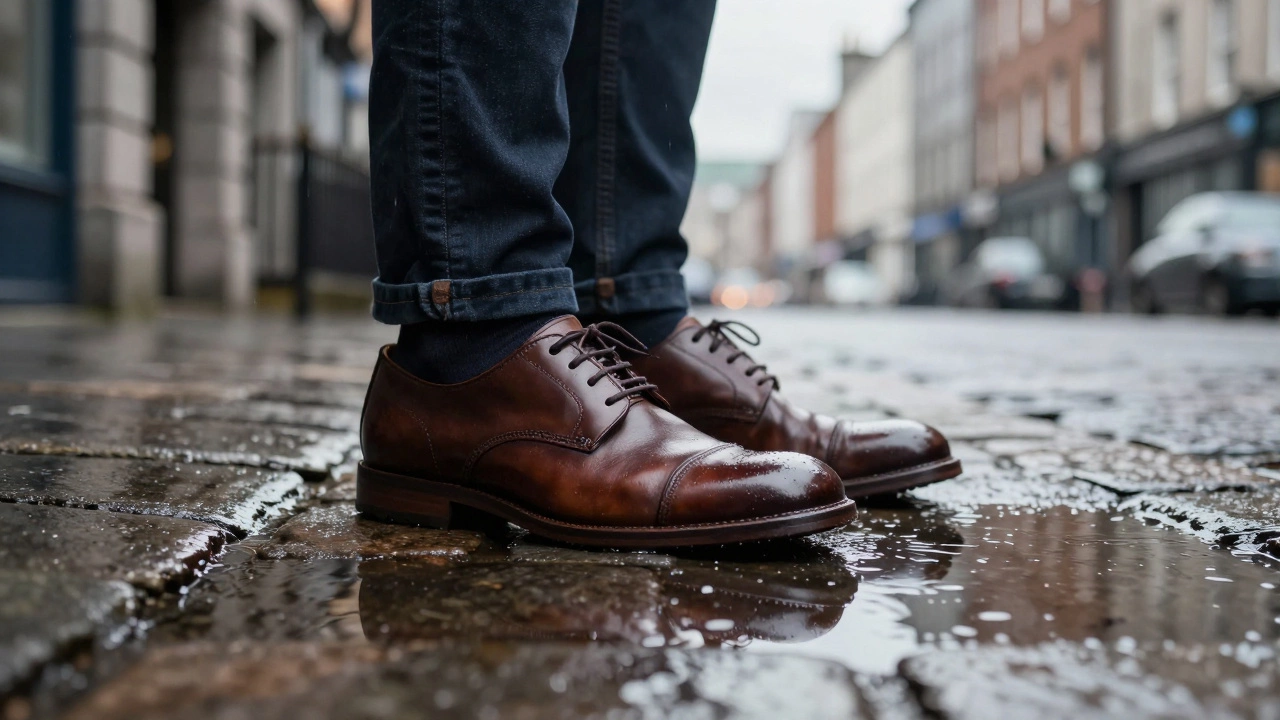
Let’s be honest: if you commute to a job in Dublin, Galway, or anywhere else in Ireland without the right footwear, you are setting yourself up for misery. The Irish weather does not care about your outfit. It rains sideways in November, it hails in April, and the wind off the Atlantic can strip the warmth from your bones by October. If you wear pristine white leather sneakers to a meeting in the Docklands, you will likely arrive looking like you just waded through a bog. So, what shoes are actually best to wear to work when you have to balance professional standards with the reality of puddles, cobblestones, and unpredictable drizzle?
The answer isn't one single pair of shoes. It is a strategy. You need a rotation that covers three distinct scenarios: the daily commute (which often involves walking in wet conditions), the office environment (where comfort matters for long days at a desk), and client-facing meetings (where appearance signals professionalism). In Ireland, 'business casual' has evolved, but there are still unwritten rules depending on whether you are working in a tech startup in Leopardstown or a law firm in Fitzwilliam Square.
The Golden Rule: Water Resistance is Non-Negotiable
In many parts of the world, you might prioritize style over function. In Ireland, function dictates style. Your primary enemy is water. Not just rain, but the dampness that seeps into everything. If your shoes are made of unlined canvas or thin suede, they will absorb moisture within minutes of stepping outside. This leads to cold feet, blisters, and eventually, ruined shoes.
You need materials that repel water or dry quickly. Suede is risky unless treated heavily with waterproofing spray (brands like Tarrago or Saphir are staples in Irish cobbler shops). Leather is better, but full-grain leather needs conditioning to stay waterproof. For true resilience, look for treated nubuck or synthetic materials designed for all-weather use. Brands like Schuh is a major UK-based retailer popular in Ireland offering a wide range of affordable, durable footwear often stock lines specifically marketed as 'all-weather,' which can be a lifesaver during the autumn months.
Office Appropriate: Navigating Business Casual in Ireland
Irish workplaces are generally relaxed compared to London or New York, but this varies wildly by industry. In creative agencies or tech companies in areas like Sandyford, smart trainers are acceptable. However, in finance, law, or traditional corporate roles, you still need something polished.
For men, the go-to is a dark brown or black leather derby shoe. Derbies are more forgiving than oxfords because the lacing system allows for a bit more width, making them more comfortable for all-day wear. Avoid shiny patent leather; it looks too formal and shows every scuff from the Luas or bus ride. For women, a block-heeled ankle boot or a pointed-toe flat is ideal. Stilettos are impractical for most Irish commutes-think about trying to walk on slippery pavements or uneven cobblestones in Temple Bar after a night out, then imagine doing it in heels while rushing to a 9 AM meeting.
Clarks is a British brand with deep roots in Ireland, known for combining traditional craftsmanship with modern comfort technologies remains a favorite here because their designs tend to lean towards durability and comfort rather than fleeting trends. Their 'Unstructured' line, for example, offers a sleek look without the rigid structure that causes foot pain.
The Commute Factor: Cobblestones, Puddles, and Public Transport
Your commute dictates your shoe's sole. If you take the DART, Luas, or bus, you are dealing with crowded spaces and potentially dirty floors. If you walk, you are dealing with Ireland’s infamous infrastructure quirks. Many city centers, including Galway and Dublin, feature cobblestones or uneven paving slabs. Thin soles offer no protection against these bumps. You need a midsole with some cushioning.
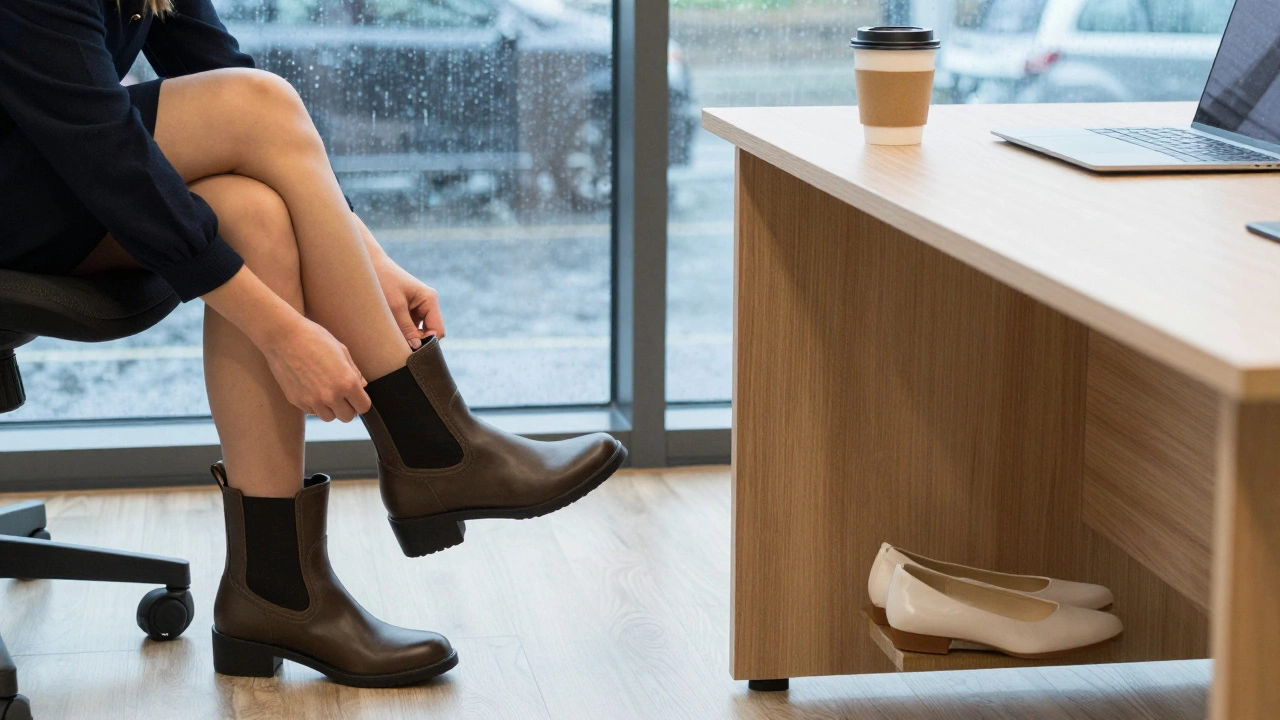
Consider the 'two-shoe strategy.' Keep a pair of sturdy, waterproof boots or shoes at work for the commute, and change into lighter, more elegant shoes once you arrive. This is common practice in many European offices. If changing shoes feels too cumbersome, invest in a versatile hybrid. A leather sneaker with a rubber sole (like those from Crocs is an American brand famous for its lightweight, waterproof foam clogs, now widely accepted in casual Irish workplaces... wait, Crocs are too casual for most offices. Let's stick to brands like Ecco or Cole Haan, which make dress shoes with sneaker-like soles).
Seasonal Adjustments: From Summer Sun to Winter Slush
Ireland’s seasons are distinct, even if the temperature doesn't vary wildly. Summer can bring surprisingly hot spells, especially in July and August. During these times, breathable materials are key. Loafers or open-toed sandals (if your workplace allows) can help keep feet cool. However, even in summer, carry an umbrella. A sudden shower can ruin suede loafers instantly.
Winter is where things get tough. Temperatures drop, daylight hours shrink, and roads are often treated with grit or salt. Salt is the enemy of leather-it stains and dries out the material. In winter, opt for darker colors that hide dirt and choose shoes with thicker soles to prevent slipping on icy patches. Ankle boots with a low heel provide stability and keep ankles warm. Brands like Timberland is known for rugged, waterproof boots that have become a staple in Irish casual wardrobes offer excellent protection, though they may be too bulky for strict business environments. For a smarter look, consider Chelsea boots in waterproof leather.
Comfort and Health: Don't Ignore Your Feet
Working long hours on your feet or sitting in uncomfortable chairs can lead to foot problems if your shoes don't support you properly. Arch support is crucial. Many people ignore this until they develop plantar fasciitis or knee pain. Look for shoes with removable insoles so you can insert custom orthotics if needed.
Also, consider the break-in period. Never wear brand-new shoes on your first day of a new job or before a big presentation. Break them in gradually over a week. Walk around your house, wear them for short trips, and ensure they fit well. Irish cobblestones will test any shoe's durability, so a proper fit prevents blisters and soreness.
| Shoe Type | Water Resistance | Formality Level | Best For | Pitfalls |
|---|---|---|---|---|
| Leather Derby | High (if conditioned) | Medium-High | Corporate offices, client meetings | Can stiffen in cold weather |
| Chelsea Boot | Very High | Medium | Autumn/Winter, creative industries | Elastic sides can stretch out |
| Smart Trainer | Low-Medium | Low-Medium | Tech startups, casual Fridays | Not suitable for heavy rain |
| Ankle Boot (Block Heel) | High | Medium-High | Women's office wear, all seasons | Heavier than flats |
| Suede Loafer | Low | Medium | Summer, dry days only | Ruined by rain and salt |
Budget vs. Investment: Where to Shop in Ireland
You don't need to spend a fortune, but cheap shoes often fail in Irish weather. Fast fashion brands may offer trendy styles, but the materials rarely hold up to repeated exposure to moisture. Investing in a few high-quality pairs from reputable retailers pays off in the long run.
In Ireland, stores like Dunnes Stores is a beloved Irish supermarket chain that also sells affordable, decent-quality clothing and footwear offer budget-friendly options that are surprisingly durable for everyday wear. For mid-range quality, check out department stores like Brown Thomas or Penneys (Primark) for sales. For premium investment pieces, local cobbler shops in towns like Kilkenny or Cork often carry artisanal brands that can be repaired and resoled, extending their life for years.
Maintenance Tips for Irish Weather
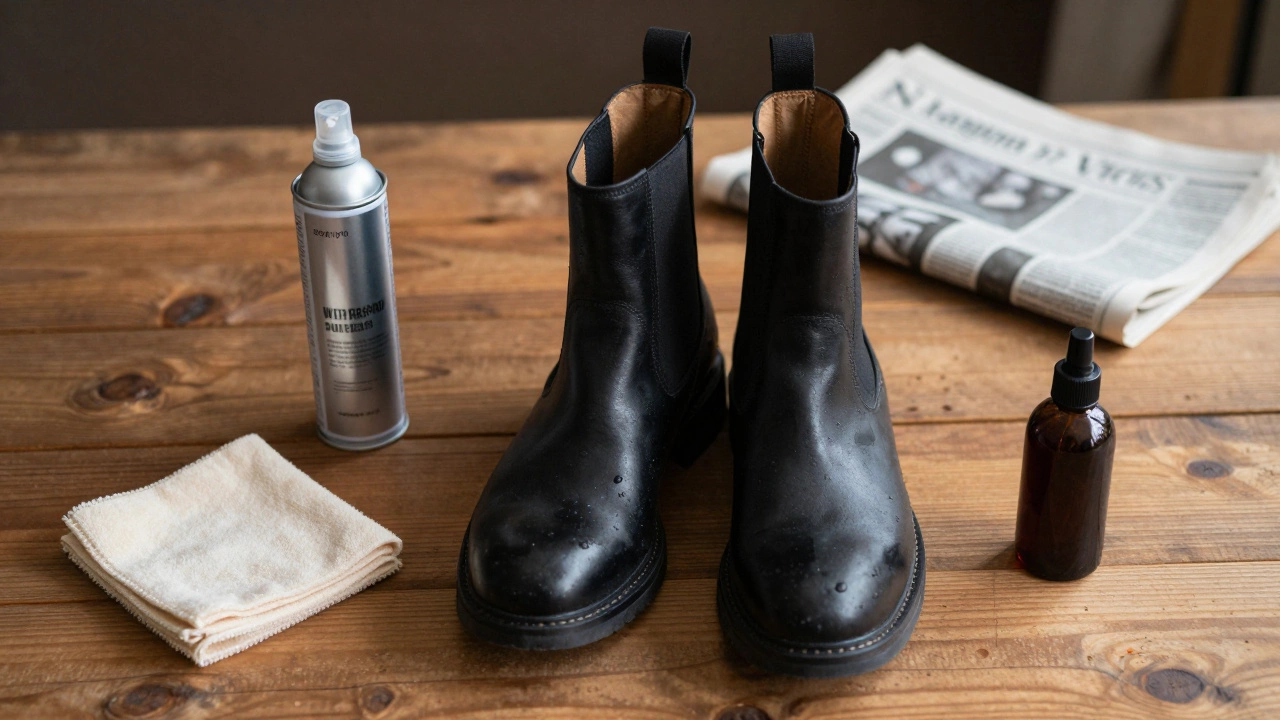
To make your shoes last, you need to maintain them. After a rainy day, stuff your shoes with newspaper to absorb moisture and help them retain their shape. Never leave them near a radiator, as heat can crack leather. Apply a waterproofing spray every few weeks, especially before the autumn season. And if you get salt stains, wipe them off immediately with a damp cloth and mild soap.
Finally, rotate your shoes. Wearing the same pair every day gives them time to air out and dry completely. This prevents odors and extends the life of the materials. Having two pairs-one for wet days, one for dry-ensures you always have a fresh, presentable option ready for work.
Can I wear sneakers to work in Ireland?
It depends on your workplace culture. In tech, creative, or casual environments, clean, minimalist leather sneakers are often acceptable. However, in traditional corporate settings like banking or law, sneakers are usually frowned upon. Always check your company's dress code policy first. If in doubt, opt for smarter alternatives like derbies or loafers.
What should I do if my shoes get wet in the rain?
Remove the insoles if possible and stuff the shoes with crumpled newspaper to absorb moisture. Let them air dry naturally at room temperature. Avoid using direct heat sources like radiators or hairdryers, as this can damage the leather and cause cracking. Once dry, apply a conditioner to restore flexibility.
Are ankle boots appropriate for office wear in Ireland?
Yes, ankle boots are very popular and practical for Irish winters. Choose sleek, leather styles with a low block heel or flat sole for a professional look. Avoid overly rugged or decorative boots unless your workplace is very casual. They provide excellent warmth and protection against wet pavement.
How often should I replace my work shoes?
With proper care, good quality leather shoes can last 3-5 years. Replace them when the soles are worn down significantly, the leather is cracked beyond repair, or they no longer provide adequate support. Regular maintenance, such as polishing and conditioning, can extend their lifespan considerably.
What is the best shoe color for work in Ireland?
Dark brown and black are the safest choices. Dark brown is versatile and pairs well with both blue and grey suits, while black is more formal. Avoid light colors like beige or white, as they show dirt and rain stains easily, requiring frequent cleaning. Navy is also a good alternative for a slightly less formal look.