T-Shirt Quality Estimator
Input the specifications of a t-shirt you are considering or own to receive an estimated quality score and recommendations.
--
Awaiting Input
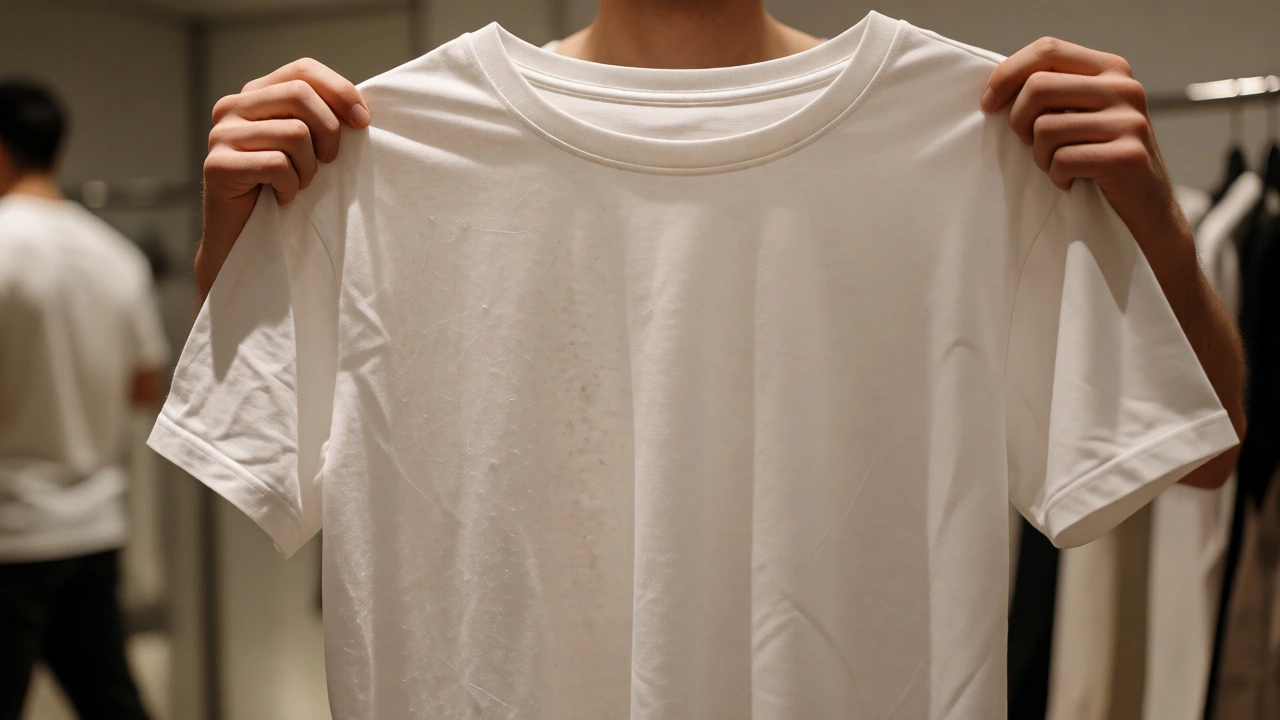
You’re standing in a fitting room in Grafton Street or browsing an online store from your flat in Dublin, holding two identical-looking white tees. One costs €15, the other €45. You stretch them both. They feel similar. So, what actually makes one "high quality" and the other a fast-fashion disappointment that shrinks after one wash? In Ireland, where our weather demands layers and our culture values durability over trends, understanding fabric quality isn’t just about vanity-it’s about value for money. The highest quality t-shirt isn’t defined by a brand logo, but by specific technical attributes: fiber length, weave density, and ethical production standards.
The Fiber Foundation: Why Cotton Still Wins
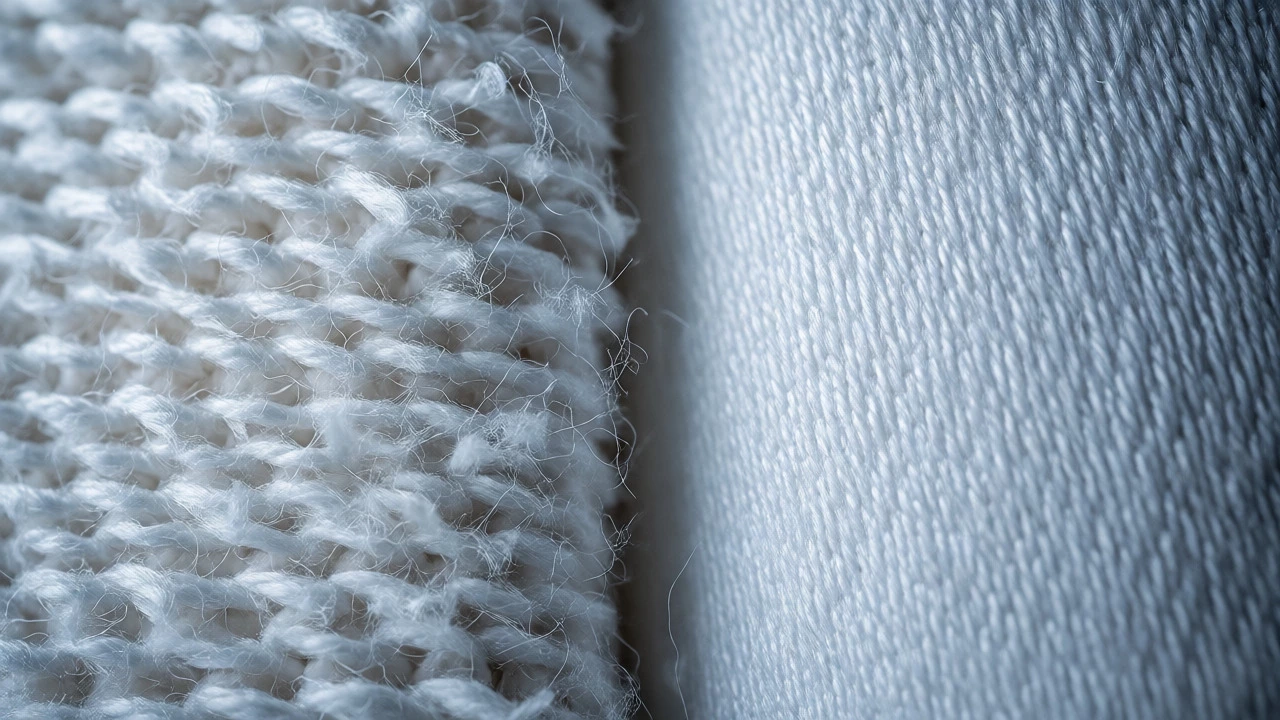
Let’s cut through the marketing noise. While polyester blends have their place in sportswear, the undisputed king of high-quality casual wear remains natural fiber, specifically cotton. But not all cotton is created equal. The difference between a scratchy, thin tee and a buttery-soft luxury item lies in the staple length-the length of the individual cotton fibers. Short-staple cotton, often used in cheap mass-market brands found on Henry Street, has short fibers that stick out from the yarn surface. This creates friction, leading to pilling (those annoying little balls of fuzz) and a rougher texture. High-quality shirts use long-staple or extra-long-staple cotton. Think Egyptian Giza, Supima, or Pima. These fibers are longer, stronger, and smoother. When spun into yarn, they create a fabric that feels silky against the skin and resists pilling even after dozens of cycles in your washing machine.
For those shopping in the Irish market, look for labels specifying "Supima" or "Egyptian Cotton." If the tag just says "100% Cotton," it’s likely standard upland cotton, which is fine for basics but lacks the longevity and softness of its premium cousins. There’s also organic cotton, which is grown without synthetic pesticides. While this doesn’t always guarantee a softer hand-feel, it ensures the fabric hasn’t been treated with harsh chemicals that can irritate sensitive skin-a real concern given how much time we spend indoors with heating on during our long winters.
GSM: The Weight That Defines Durability
If you’ve ever held a t-shirt and thought, "This feels flimsy," you were judging its GSM-Grams per Square Meter. This is the single most objective metric for assessing thickness and opacity. Many people assume heavier is always better, but that’s a myth. The "highest quality" depends entirely on the intended use.
- Lightweight (130-150 GSM): Ideal for hot summer days when the sun finally breaks through the clouds over Galway Bay. These shirts are breathable and drape well but can be slightly see-through if they’re white. Brands like Uniqlo offer good options here, but check the fiber content first.
- Mid-Weight (160-190 GSM): The sweet spot for everyday wear in Ireland. This weight offers enough structure to hold its shape, isn’t transparent, and breathes reasonably well. It’s perfect for layering under a wool sweater or wearing alone in mild spring weather.
- Heavyweight (200+ GSM): Often called "boxy" or "structured" tees. Popularized by streetwear brands, these feel substantial and rugged. However, in humid Irish summers, a 240 GSM shirt can feel stifling. They are excellent for durability and maintaining a crisp silhouette but less comfortable for active movement.
| Attribute | Low Quality (Fast Fashion) | High Quality (Premium) |
|---|---|---|
| Fiber Type | Short-staple Upland Cotton | Long-staple Supima/Egyptian |
| Typical GSM | 120-140 (Thin/See-through) | 160-220 (Durable/Opaque) |
| Stitching | Single stitch, loose threads | Double stitch, reinforced shoulders |
| Shrinkage | High (5-10%) | Pre-shrunk (<2%) |
Construction Details: Where Cheap Shirts Fail
You can have the best cotton in the world, but if the construction is poor, the shirt will fall apart. Pay attention to three specific areas when inspecting a garment in stores like Brown Thomas or independent boutiques in Dublin’s Temple Bar district.
First, check the stitching. High-quality tees use double-stitched hems and side seams. Single-stitch shirts (common in vintage-style reproductions) have a retro look but unravel faster. Look at the shoulder seams-if they are taped or reinforced, the shirt won’t stretch out of shape when you take it off. Second, examine the collar. The neckband should lie flat and feel firm, not wavy. A ribbed collar with elastane helps it retain its shape, but too much synthetic material can cause sweat buildup. Third, look for pre-shrinking. Cheaper shirts haven’t undergone this process, meaning that beautiful new fit might turn into a crop top after the first hot wash. Always check the care label for "pre-shrunk" indicators.
Sustainability and Ethics: The Irish Context
In Ireland, there’s a growing consciousness about where our clothes come from. We’re a small nation, and many of us prefer supporting local businesses or ethical global brands over anonymous fast-fashion giants. High quality now includes ethical integrity. Does the brand pay fair wages? Is the water usage minimized? Brands like People Tree, which has strong roots in ethical trade, or local Irish designers who source materials responsibly, offer peace of mind alongside quality. For instance, buying from a brand that uses OEKO-TEX certified fabrics ensures no harmful substances are present in the dye. Given our damp climate, mold and mildew can be issues if clothes aren’t dried properly, so choosing breathable, natural fibers also aids hygiene and longevity in Irish homes.
Care Tips for Longevity in Humid Climates
Even the highest quality t-shirt will degrade if mistreated. Our humidity levels in Ireland can accelerate bacterial growth if clothes aren’t fully dry before storage. Here is how to keep your premium tees looking new:
- Wash Cold: Hot water breaks down fibers and causes shrinkage. Use cold water settings on your machine.
- Avoid Fabric Softener: It coats the fibers, reducing breathability and trapping odors. Use vinegar instead as a natural softener.
- Dry Flat or Line Dry: Tumble drying is brutal on cotton. Hang dry outside when possible, or lay flat indoors near a dehumidifier during rainy spells.
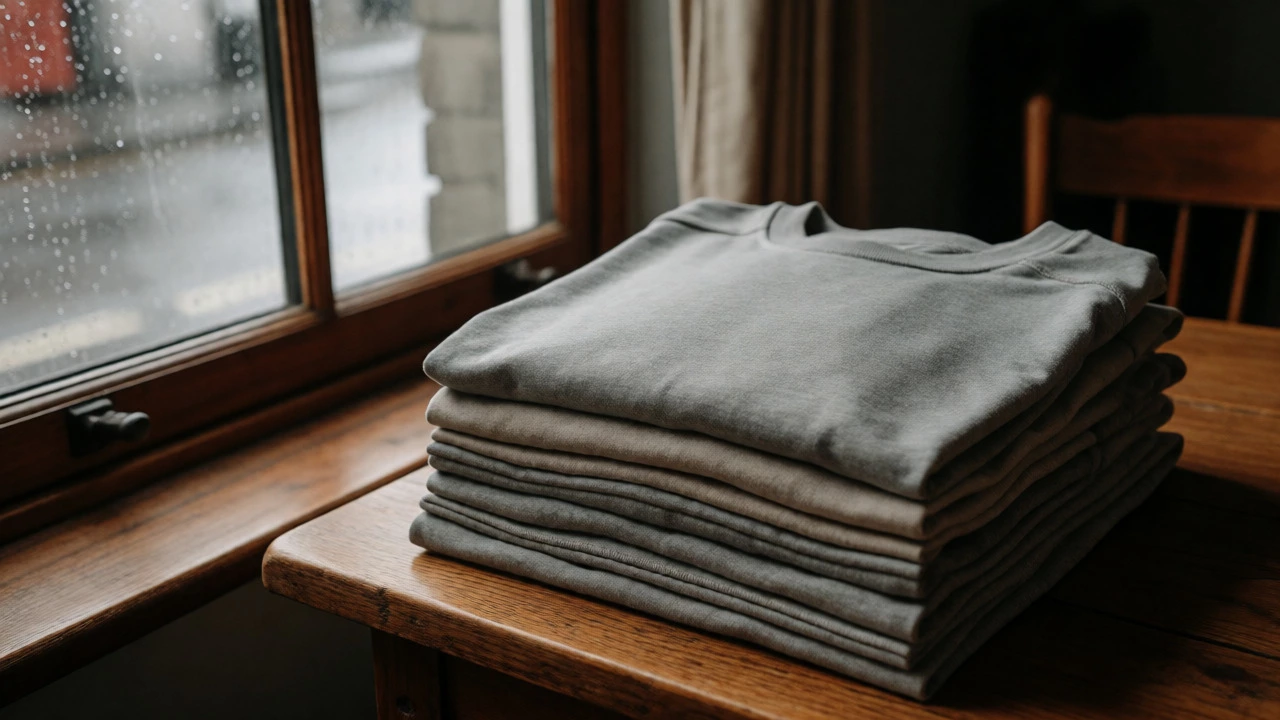
- Store Properly: Fold heavy knits and tees rather than hanging them, as gravity can stretch the neckline over time.
Where to Buy Quality Tees in Ireland
You don’t need to fly to London for great basics. Several retailers cater to the discerning Irish shopper. For mid-range reliability, consider Marks & Spencer’s Perma Press range or Next’s premium lines, widely available in major cities. For higher-end staples, check out Suitsupply for structured fits, or explore Irish-based brands like O’Neill (known for heritage quality) or smaller sustainable startups selling via platforms like Etsy Ireland. Online, Everlane and Pact offer transparent supply chains and ship to Ireland, though watch for customs fees post-Brexit.
Ultimately, the highest quality t-shirt is one that balances comfort, durability, and ethics. It’s a shirt you can wear for five years, not five months. By focusing on long-staple cotton, appropriate GSM, and robust construction, you invest in a wardrobe staple that withstands the test of time-and the Irish weather.
Is a higher GSM always better for t-shirts?
Not necessarily. Higher GSM means thicker fabric, which is more durable but less breathable. For warm weather, a mid-weight 160-180 GSM shirt is often more comfortable than a heavy 220 GSM one.
Why do my expensive t-shirts still shrink?
Cotton naturally shrinks. Even high-quality shirts may shrink slightly unless they are explicitly labeled "pre-shrunk" or sanforized. Washing in cold water and air-drying minimizes this risk.
What is the difference between combed and carded cotton?
Combed cotton removes shorter fibers and impurities, resulting in a smoother, softer fabric. Carded cotton retains more short fibers, making it rougher and cheaper. High-quality tees almost always use combed cotton.
Are organic cotton t-shirts better quality?
Organic refers to farming practices, not necessarily fiber strength. However, organic cotton is often processed with fewer chemicals, which can preserve fiber integrity and make it gentler on skin. Look for GOTS certification.
How do I know if a t-shirt is unisex or gender-specific?
Check the cut. Unisex shirts usually have a boxier fit, straighter hem, and wider necklines. Gender-specific cuts often feature tapered waists for women or broader shoulders for men. Fit preference is personal, so try both.