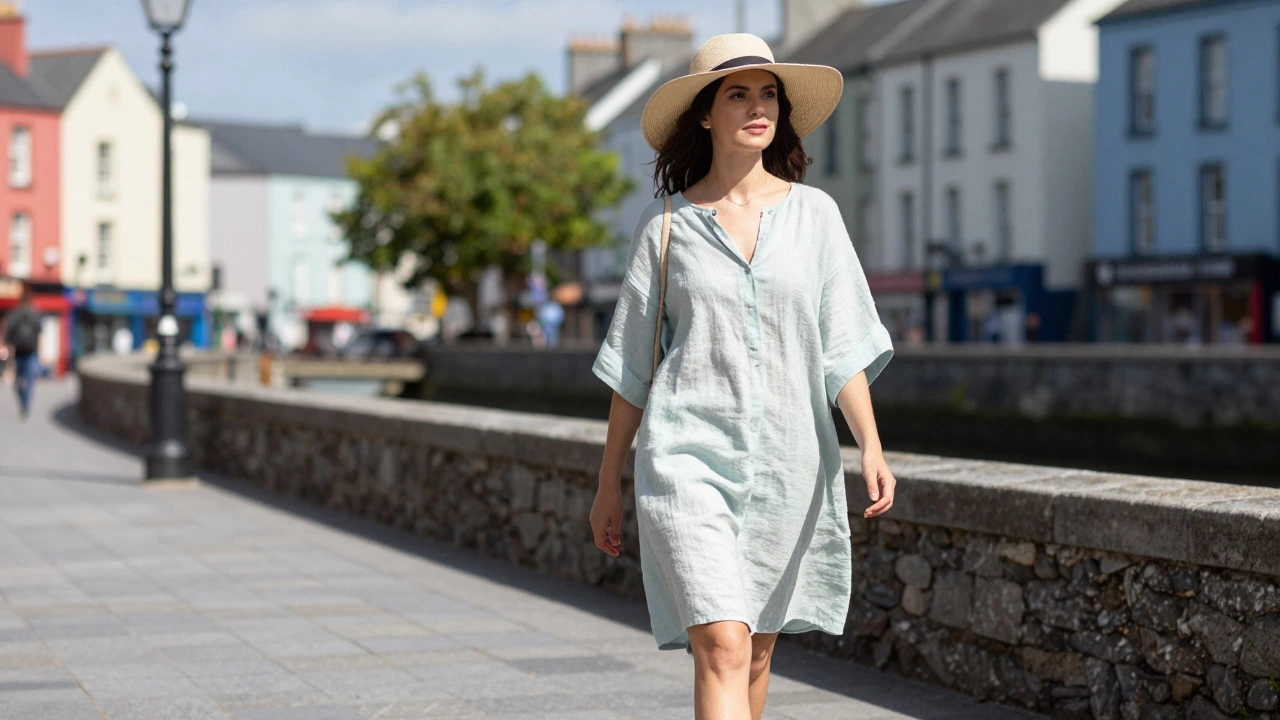
Irish Summer Heat Readiness Calculator
Your Score
Ready to Calculate
Configure your outfit on the left and click calculate to see how well you'll handle the Irish heat.
Recommendations:
- Waiting for input...
It is a common joke among us that if you want to see all four seasons in one day, just spend a morning in Ireland. But let’s be honest with ourselves: when the sun actually decides to shine and the temperature climbs past 20°C (68°F), it feels like an oven. For those of us who naturally run hot-whether due to metabolism, hormones, or just bad luck with our body’s thermostat-the idea of wearing layers can feel physically painful. You know the drill: you step out for a pint at The Hairy Lemon in Dublin or a walk along the Galway City quays, and within twenty minutes, you are drenched in sweat and miserable.
The problem isn’t just about looking good; it is about comfort and dignity. If you get hot easily, your choice of clothing needs to work harder than anyone else’s. It needs to breathe, wick moisture, and allow air circulation without sacrificing style. In this guide, we will break down exactly how to dress for the unpredictable Irish weather while keeping your cool, focusing on specific fabrics, cuts, and local shopping options that actually make a difference.
Understanding Your Body Heat vs. The Irish Climate
First, we need to separate two different problems: humidity and dry heat. Ireland’s climate is maritime, which means it is often humid. When you sweat in high humidity, that sweat doesn’t evaporate quickly. It sits on your skin, making you feel sticky and cold once the wind picks up-which it always does here. This is why synthetic fabrics are your enemy number one.
If you are someone who gets hot easily, your body is trying to cool itself down through perspiration. If your clothes trap that moisture, your core temperature stays high. We need fabrics that act like a second skin that breathes. Think of your outfit as a ventilation system. If you block the vents, the engine overheats. Simple as that.
Why do I feel hotter in Ireland than in other countries?
Ireland has high relative humidity due to its oceanic climate. Humidity prevents sweat from evaporating efficiently, which is the body's primary cooling mechanism. This makes the perceived temperature feel higher and stickier than the actual thermometer reading suggests.
The Fabric Hierarchy: What to Wear and What to Avoid
Not all materials are created equal when it comes to thermoregulation. Here is the breakdown of what should be in your wardrobe and what should stay in the donation bag at your local Oxfam shop.
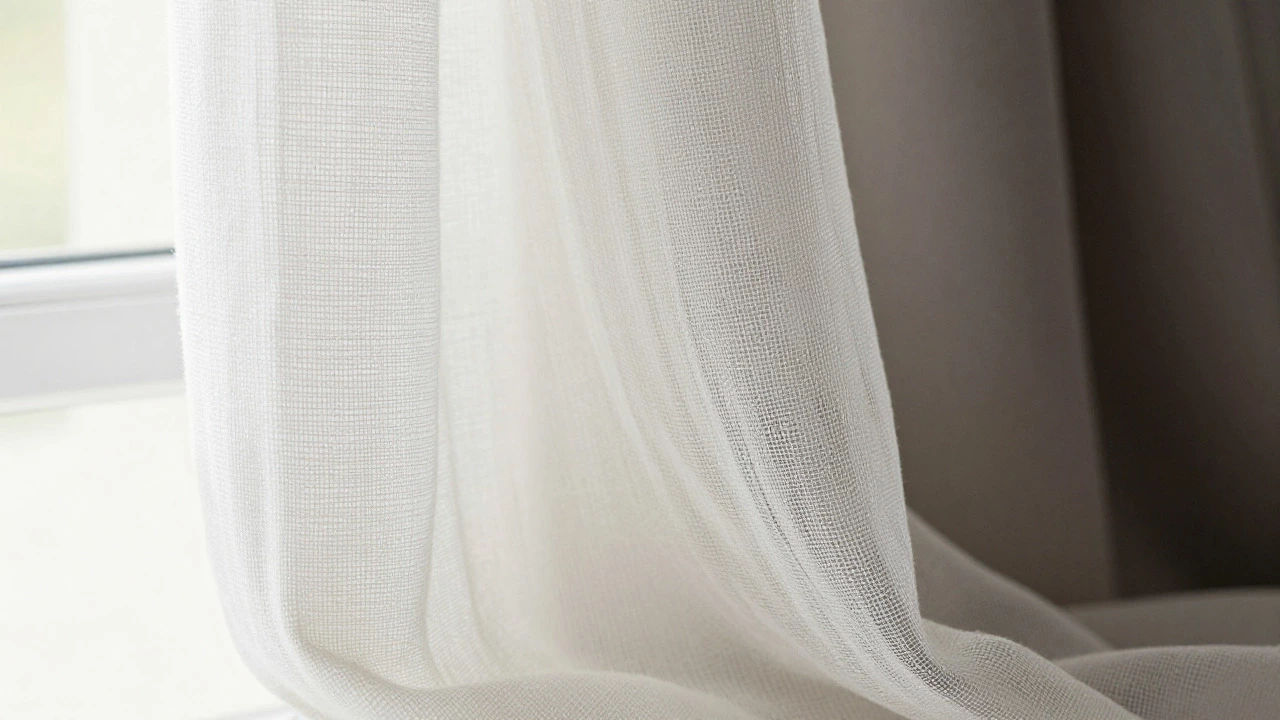
Linen is the undisputed king of hot-weather clothing. It is made from the flax plant and has a loose weave that allows maximum airflow. Yes, it wrinkles. Embrace it. In Ireland, a wrinkled linen shirt or dress signals that you are relaxed and comfortable, not disheveled. Brands like Linen House in Cork or smaller boutiques in Galway offer excellent quality. Look for pure linen or linen-cotton blends if you find pure linen too rough against sensitive skin.
Cotton is a close second, but you have to be picky. Heavy denim or thick jersey cotton will cling to you when you sweat. Instead, look for voile, chiffon, or lightweight poplin. These are thin, airy versions of cotton that let air pass through. A white cotton blouse is a staple in any Irish woman’s summer wardrobe because it reflects sunlight rather than absorbing it.
Avoid polyester, nylon, and acrylic at all costs. These are plastics derived from petroleum. They do not breathe. They trap heat and odor. If you are going to wear activewear, seek out technical fabrics labeled "moisture-wicking," but for everyday wear, natural fibers are non-negotiable for people who run hot.
| Fabric Type | Breathability | Moisture Wicking | Best For |
|---|---|---|---|
| Linen | High | Good | Daytime outings, festivals |
| Lightweight Cotton | Medium-High | Medium | Office wear, casual dinners |
| Silk | Medium | Poor | Evening events (cool touch) |
| Polyester | Low | Variable | Avoid unless technical sportswear |
Strategic Silhouettes: Fit Matters More Than Color
You might think wearing black is a mistake, but if the fabric is right, color matters less than fit. However, light colors like white, beige, and pastels reflect solar radiation, which helps keep your skin cooler. Dark colors absorb heat. So, if you are walking around Temple Bar in July, stick to lighter shades.
The cut of your clothing is critical. Tight clothing restricts blood flow and traps air against your skin. You want space between your skin and the fabric. This creates a chimney effect where warm air rises and escapes, drawing in cooler air from below.
- Loose Trousers: Wide-leg trousers or culottes made from linen are fantastic. They cover your legs (protecting from sunburn) but allow air to circulate freely around them.
- Flowy Dresses: A maxi dress with a slit or a loose A-line shape is ideal. Avoid bodycon styles that hug every curve. Look for empire waists or drop waists that don't constrict your midsection.
- Vents and Slits: Look for dresses or skirts with side slits. Even a small vent at the back of a trouser leg can make a significant difference in airflow.
- Open Necks: V-necks, scoop necks, and off-the-shoulder tops expose more skin surface area, allowing for better heat dissipation. High collars are your enemy.
Layering for the Irish "Four Seasons in a Day" Phenomenon
Here is the tricky part about dressing for heat in Ireland: it might be 25°C at noon, but by 8 PM, it could be 15°C with a strong Atlantic breeze. If you only wear shorts and a tank top, you will freeze later. The key is removable layers.
Carry a lightweight cardigan or a sheer kimono. These add minimal weight and bulk but provide coverage when the temperature drops. A large scarf is also versatile; you can wrap it around your neck for warmth or use it to shield your face from direct sun. Avoid heavy jackets. If you need outerwear, choose a unlined trench coat or a light bomber jacket that you can easily fold into a tote bag.
Another pro tip: wear socks that match your shoes and pants. This elongates your leg line and makes you look taller, but more importantly, it keeps your ankles protected from sudden chills without adding bulk. Wool socks? No, not in summer. Stick to thin cotton or bamboo blends.
Local Shopping Gems in Ireland
You don’t need to fly to Milan to find clothes that handle heat well. Ireland has a thriving scene for sustainable and natural fiber fashion. Here are some places to check out:
- Galway: Visit Ballybunion Linen or browse the independent boutiques on Shop Street. Many local designers focus on organic cotton and linen, perfect for our climate.
- Dublin: Brown Thomas has a curated selection of high-end linen brands. For something more affordable, check out T.J. McDyer for classic cotton shirts and blouses that are built to last.
- Cork: The Linen House is a must-visit. They specialize in Irish-grown flax products. Their staff can advise you on care instructions to keep your linen soft and breathable.
- Online: Irish brand Mara Hoffman (though international, widely stocked here) offers vibrant, sustainable prints in breathable fabrics. Also, check out O’Neill’s for practical, durable outdoor wear that handles moisture well.
Accessories That Help You Stay Cool
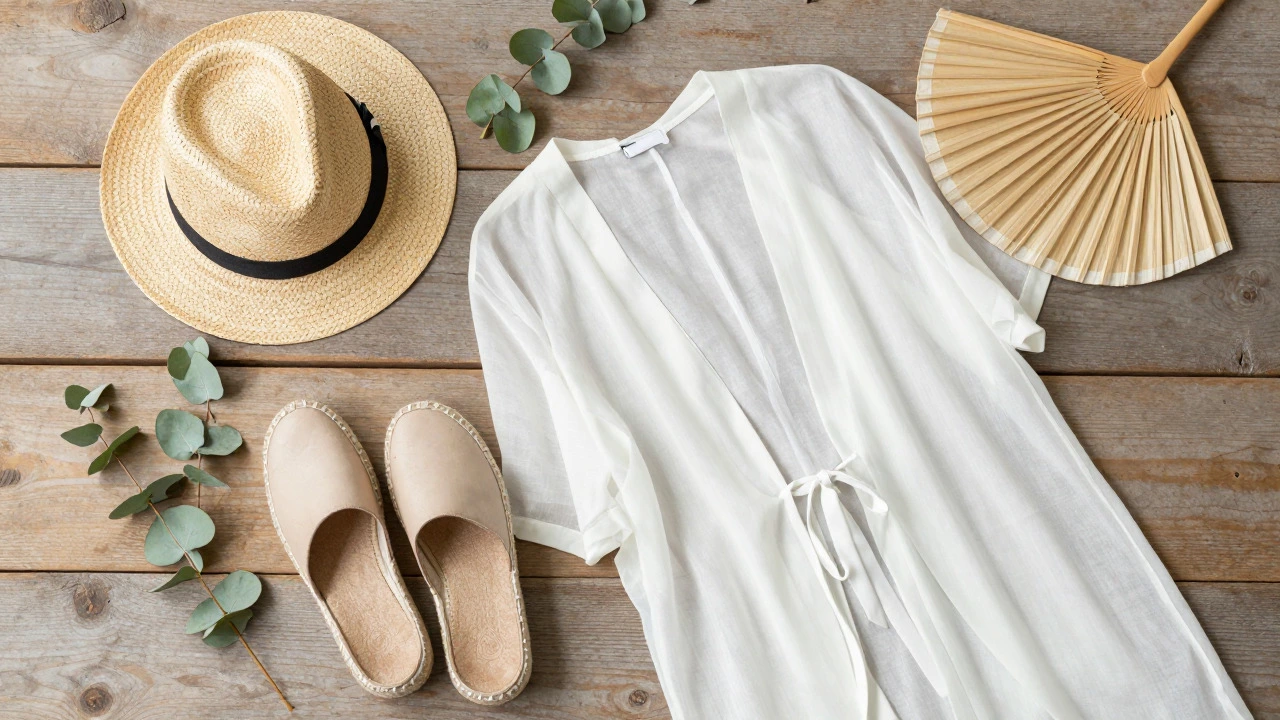
Your accessories can either save you or sink you. A wide-brimmed hat is essential. It shades your face, neck, and ears, preventing your head from heating up directly from the sun. Straw hats are traditional in Ireland and perfectly functional. Pair this with sunglasses that protect your eyes from glare, reducing squinting and tension headaches.
Footwear is another hotspot. Closed-toe shoes in summer can lead to sweaty, smelly feet. Opt for sandals with straps, espadrilles, or breathable leather loafers. Avoid plastic sandals that trap sweat. If you must wear sneakers, choose mesh-uppers and go sockless or with no-show liners.
Finally, consider a handheld fan. It sounds old-fashioned, but a small, stylish folding fan is a lifesaver during outdoor festivals like the Galway Arts Festival or Kilkenny Cat Music Festival. It gives you immediate control over your personal microclimate.
Practical Tips for Daily Life
Living in Ireland means dealing with rain even in summer. Keep a compact umbrella handy. Wet clothes sticking to your skin are uncomfortable and can make you feel colder when the wind blows. Water-resistant finishes on natural fabrics are available now, so look for those if you commute outdoors.
Hydration plays a role in how you perceive heat. Dehydration makes it harder for your body to regulate temperature. Drink water throughout the day, even if you don’t feel thirsty. Avoid excessive caffeine and alcohol, which can dehydrate you and increase heart rate, making you feel warmer.
Lastly, listen to your body. If you are feeling overheated, find shade. Step into an air-conditioned café or library. Don’t push through discomfort. Dressing smartly helps, but it doesn’t replace basic self-care.
Is linen really worth the price?
Yes. While linen is more expensive than synthetic blends, it lasts longer, becomes softer with each wash, and provides superior cooling. In Ireland's humid climate, the investment pays off in comfort and durability. One good linen shirt can last for decades.
Can I wear jeans in the summer?
Only if they are lightweight, faded, and loose-fitting. Traditional dark denim is too heavy and insulating. Look for "summer weight" denim or opt for chinos made from cotton-linen blends instead.
What should I wear to an Irish wedding in summer?
Choose a lightweight midi or maxi dress in silk chiffon or linen. Avoid white. Bring a pashmina or shawl for the evening reception, especially if it's outdoors. Comfortable wedges or block heels are better than stilettos for grass venues.
How do I care for linen to keep it breathable?
Wash linen in cold water on a gentle cycle. Avoid harsh detergents. Air drying is best to maintain fiber integrity. Iron while slightly damp for a crisp look, or embrace the natural wrinkles for a relaxed aesthetic.
Are there any specific Irish brands known for breathable clothing?
Yes. Brands like Linen House (Cork), Ballybunion Linen (Galway), and T.J. McDyer (Dublin) are renowned for their natural fiber garments. Additionally, local designers in Galway and Dublin often incorporate organic cotton and hemp into their collections.