Morton's Syndrome Risk Checker
Are you at risk? Answer these questions about your daily habits and symptoms to get an instant assessment of your likelihood of developing or having Morton's syndrome.
Your Risk Assessment
Low RiskScore: 0/10
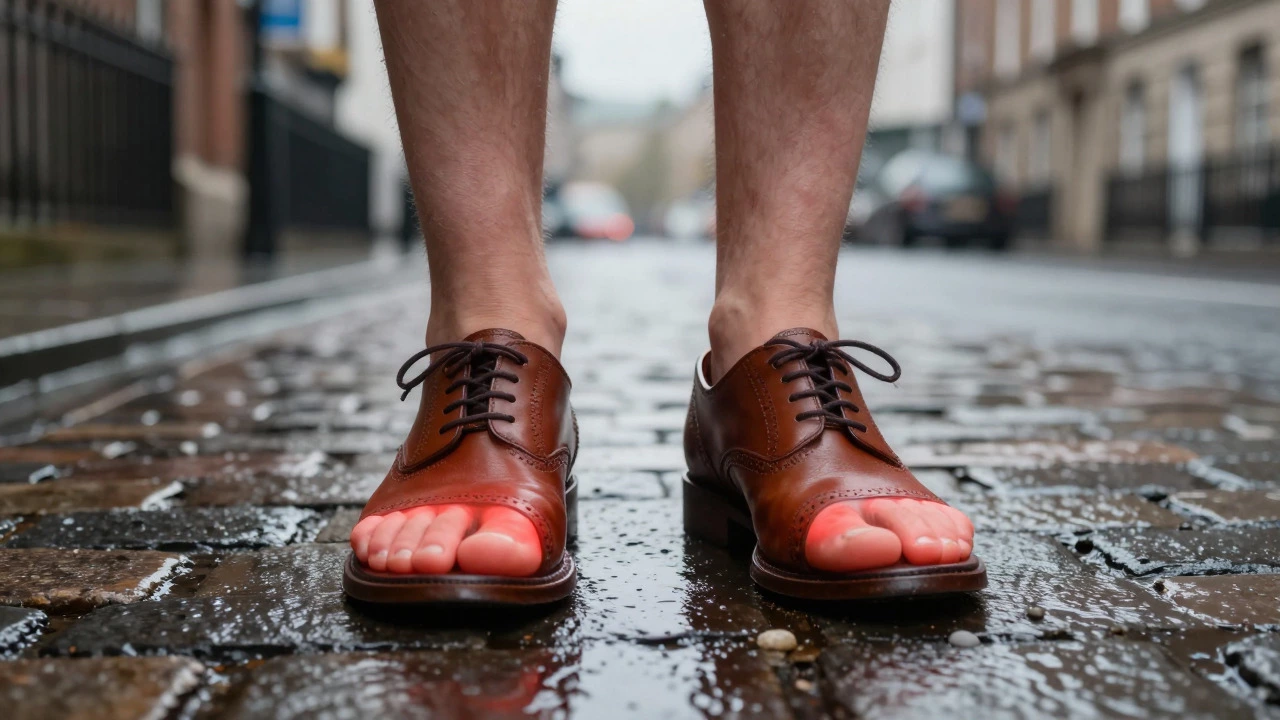
You’re standing on the wet pavement outside a shop in Dublin’s Grafton Street, or maybe you’ve just finished a long shift on your feet at a hospital in Cork. You feel that sharp, burning sensation between your third and fourth toes. It feels like you’re standing on a pebble, but when you take off your shoe, there’s nothing there. If this sounds familiar, you might be dealing with Morton's syndrome, also known as Morton's neuroma. This isn’t just "tired feet"; it’s a specific nerve issue that affects thousands of people across Ireland every year, especially those who spend their days on hard surfaces.
Living in Ireland means navigating everything from cobblestones in Kilkenny to concrete floors in retail warehouses. The damp weather can make existing foot issues worse, and our culture often values practicality over comfort when it comes to footwear. But ignoring that pinch in your foot won’t make it go away. In fact, pushing through the pain can turn a manageable irritation into a chronic problem that stops you from enjoying a walk along the Cliffs of Moher or even a simple trip to Tesco. Let’s break down what’s actually happening inside your foot, why Irish workers are particularly susceptible, and how to fix it without giving up your favourite boots.
Understanding the Anatomy: What Actually Happens?
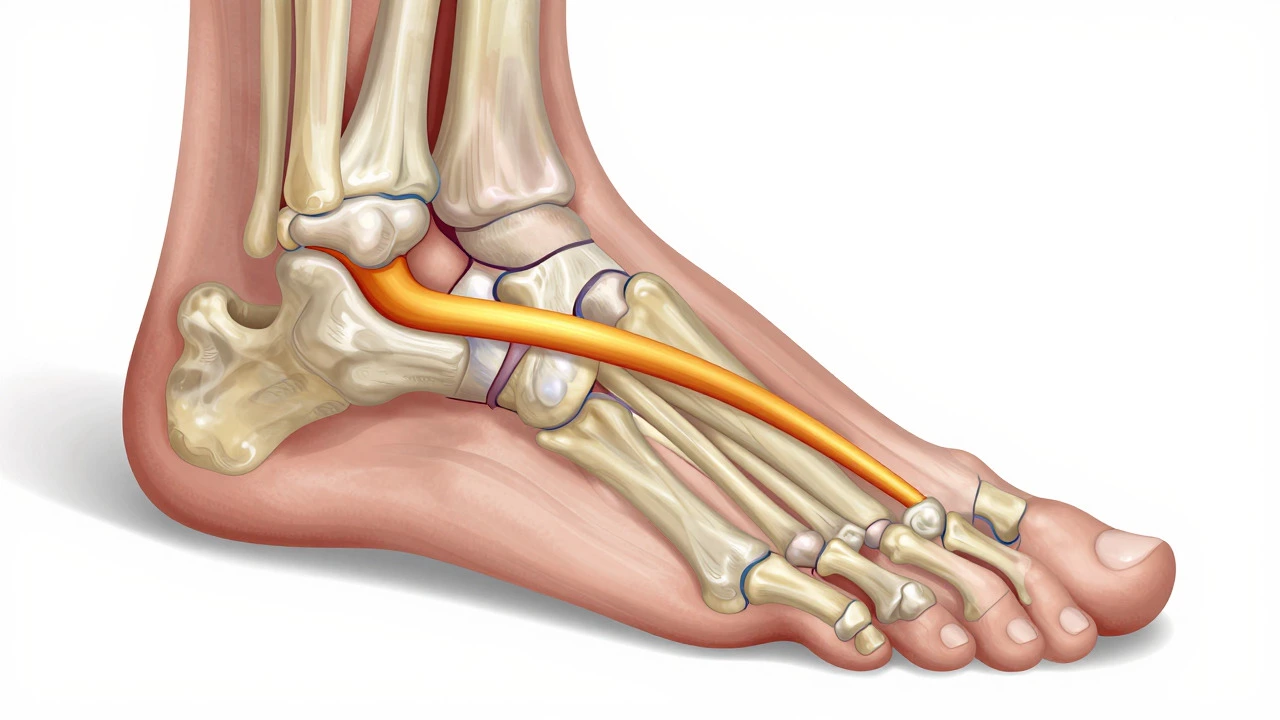
To understand the pain, you have to look under the skin. Your foot has five long bones called metatarsals that lead to your toes. Between these bones run nerves that provide sensation to your toes. Morton's syndrome occurs when one of these nerves thickens due to repeated irritation and compression. Think of it like a callus forming on your hand from gripping a tool too hard, but instead of skin, it’s a nerve swelling up.
The most common spot for this to happen is between the third and fourth metatarsal heads (the ball of the foot). Why there? Because the nerves in that area are larger and more vulnerable to pressure than the others. When you wear narrow shoes or high heels, you squeeze the metatarsal heads together. This pinches the nerve. Over time, scar tissue builds up around the nerve, making it thicker and more sensitive. Eventually, even light touch becomes painful.
This condition is named after Dr. Thomas George Morton, who first described it in 1876. While the name is historical, the cause is modern lifestyle. It’s not an autoimmune disease or an infection. It’s mechanical. It happens because of how we stand, walk, and what we put on our feet.
Why Irish Work Environments Aggravate Foot Pain
Ireland’s job market has unique demands that put stress on feet. Consider the hospitality sector in cities like Galway or Dingle during tourist season. Staff are on their feet for 10-12 hours, moving constantly on uneven stone floors or slippery tiles. Then there’s the healthcare system. Nurses and doctors in HSE hospitals walk miles each shift on linoleum floors that offer zero shock absorption.
Even office jobs aren’t safe. Many corporate offices in Dublin’s Docklands have polished concrete or wooden floors. If you’re wearing stiff leather dress shoes with no arch support, your feet take a beating. And let’s talk about the weather. Rain is constant here. Many people switch to waterproof boots or Wellingtons for commuting. While great for keeping dry, many cheap rubber boots lack proper internal structure. Wearing them all day compresses the forefoot, creating the perfect environment for nerve irritation.
There’s also a cultural element. Irish fashion often leans towards durable, stylish footwear that looks good but isn’t always ergonomically designed. We love our brogues and Chelsea boots. They’re fantastic for style, but if they have a pointed toe box, they force your toes together. For someone predisposed to Morton’s syndrome, a narrow toe box is a ticking time bomb.
Symptoms: Is It Morton's or Something Else?
How do you know if you have Morton’s syndrome versus plantar fasciitis or arthritis? The symptoms are quite distinct if you pay attention.
- The Pebble Sensation: The hallmark symptom is feeling like there’s a small stone or folded sock in your shoe. You’ll likely take your shoe off and shake it out, only to find nothing.
- Burning or Tingling: Pain usually radiates from the ball of the foot into the toes. It’s often described as electric shocks or burning heat.
- Numbness: You might lose sensation in the third and fourth toes. This is different from the general numbness caused by tight laces; it’s localized.
- Pain Relief by Spreading Toes: If you spread your toes apart manually, does the pain decrease? If yes, that’s a strong indicator of Morton’s. The act of spreading relieves the compression on the nerve.
If you experience these symptoms consistently, especially after long periods of standing, it’s worth investigating further. Don’t assume it’s just age or weight gain. While excess weight can increase pressure on the forefoot, thin individuals get Morton’s too. It’s about mechanics, not just mass.
The Impact of Footwear Choices
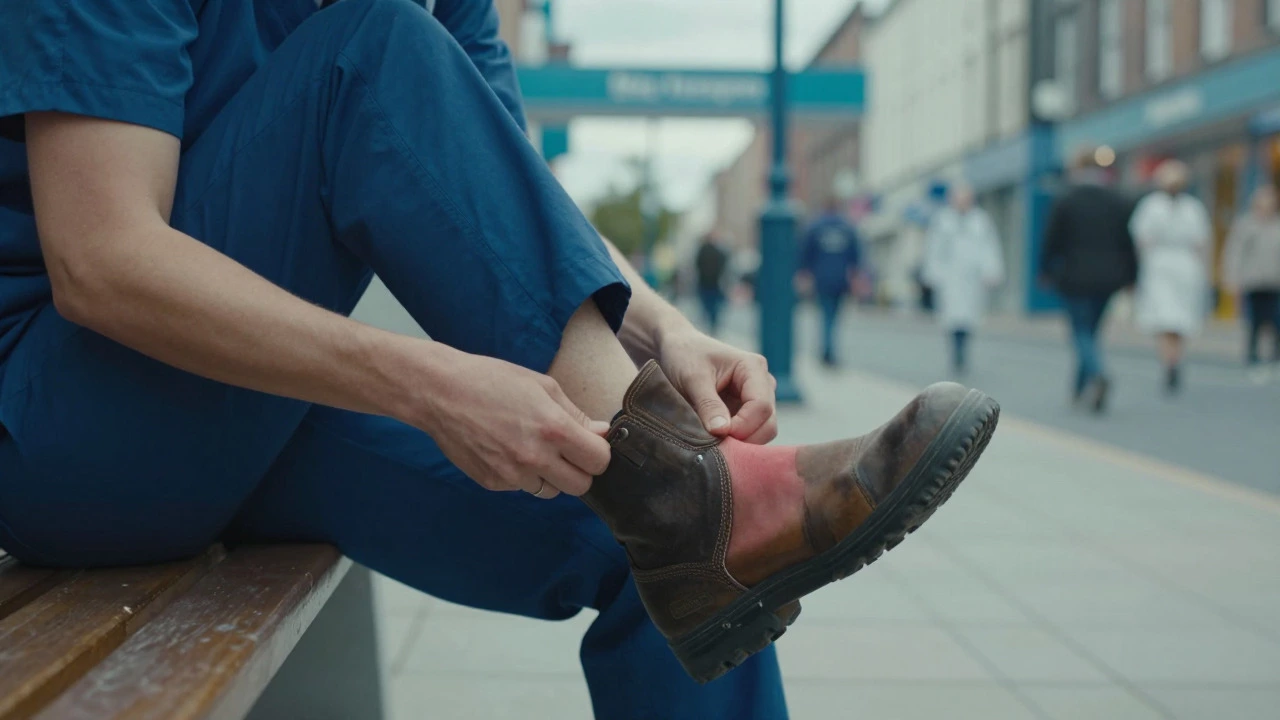
Your shoes are either part of the solution or part of the problem. In Ireland, we see a lot of "fast fashion" footwear bought from chain stores on Henry Street or St Stephen’s Green. These shoes often prioritize aesthetics over anatomy. A narrow, tapered toe box is the enemy of Morton’s syndrome.
| Feature | Risk Level | Why It Matters |
|---|---|---|
| Pointed Toe Box | High | Forces metatarsals together, pinching the interdigital nerve. |
| High Heels (>5cm) | High | Shifts body weight forward onto the forefoot, increasing pressure by up to 70%. |
| Thin Soles | Medium | Lack of cushioning transmits impact directly to the bone and nerve. |
| Wide Toe Box | Low | Allows toes to splay naturally, reducing compression. |
| Cushioned Midsole | Low | Absorbs shock, protecting the inflamed nerve from impact. |
If you work in a warehouse or construction site, safety boots are mandatory. But many standard steel-toe caps crush the toes. Look for brands that offer "wide fit" options. Companies like Keen or specialized Irish retailers often stock safety boots with roomier forefoots. If you’re in retail, consider swapping rigid leather for flexible synthetic materials that allow natural foot movement.
Treatment Options: From Home Remedies to Medical Care
The good news is that most cases of Morton’s syndrome don’t require surgery. Early intervention works best. Here’s a step-by-step approach tailored for the Irish context.
- Rest and Ice: After a long shift, soak your feet in cold water. This reduces inflammation. If you live near the coast, a dip in the Atlantic might help, but avoid freezing temperatures which can worsen circulation issues.
- Change Your Shoes: This is non-negotiable. Switch to shoes with a wide toe box and low heel. In Ireland, look for local podiatry clinics that sell therapeutic footwear. Brands like Scholl or specialized orthopedic suppliers are widely available in pharmacies like Boots or independent health shops.
- Metatarsal Pads: These are small pads placed under the ball of the foot, just behind the metatarsal heads. They lift the bones apart, relieving pressure on the nerve. You can buy these over-the-counter in any pharmacy in Dublin, Cork, or Limerick. They cost less than €10 and often provide immediate relief.
- Custom Orthotics: If over-the-counter pads don’t work, see a podiatrist. Many private clinics and some HSE services offer custom-moulded insoles. These correct your biomechanics, ensuring your foot doesn’t roll inward (overpronation), which exacerbates nerve compression.
If conservative treatments fail, a doctor might recommend a cortisone injection to reduce swelling around the nerve. This is a quick procedure done in a clinic. Surgery is rare and usually reserved for severe, persistent cases where the nerve needs to be removed or released. Recovery takes a few weeks, so plan accordingly if you’re self-employed or have limited sick leave.
Prevention Strategies for Daily Life in Ireland
You don’t have to wait for pain to start acting. Prevention is easier than cure. Given our climate and lifestyle, here are practical tips.
Stretch Your Calves: Tight calf muscles pull on the Achilles tendon, which alters how you walk and increases forefoot pressure. Do calf stretches against a wall twice a day. It takes two minutes and saves your feet.
Alternate Shoes: Don’t wear the same pair of work shoes every day. Rotating shoes allows the materials to recover and changes the pressure points on your feet. Keep a second pair at work if possible.
Check Your Socks: Sounds silly, but thick, bunched-up socks can press on the nerve. Wear thin, seamless athletic socks. Avoid wool blends if they irritate your skin, though merino wool is generally excellent for moisture management in our damp weather.
Maintain a Healthy Weight: Every extra kilogram puts significant load on your feet. Even losing 5kg can drastically reduce forefoot pressure. Combine this with low-impact exercise like swimming or cycling, which keeps you fit without pounding your feet on tarmac.
When to See a Professional in Ireland
Don’t try to diagnose yourself forever. If the pain persists for more than two weeks despite changing shoes and using pads, book an appointment. In Ireland, you can visit a GP first, who may refer you to a podiatrist or orthopaedic specialist. Private podiatry sessions typically cost between €60 and €90, depending on the city. In Dublin, expect higher prices than in rural areas like Connemara or Kerry.
Some insurance plans cover podiatry visits, so check with your provider. If you’re uninsured, community health centres sometimes offer subsidised care, though waiting lists can be long. Be proactive. Bring photos of your shoes and describe exactly when the pain starts. Did it begin after buying new boots? After starting a new job? These details help the specialist pinpoint the mechanical cause.
Remember, your feet carry you through life-from the busy streets of Belfast to the quiet beaches of Donegal. Treating Morton’s syndrome isn’t just about stopping pain; it’s about maintaining your mobility and quality of life. Don’t let a small nerve issue dictate your day. With the right knowledge and footwear choices, you can keep walking comfortably, rain or shine.
Can Morton's syndrome go away on its own?
Yes, mild cases often resolve with rest and footwear changes. Removing the source of irritation (tight shoes) allows the nerve inflammation to subside. However, if scar tissue has formed, it may persist without treatment.
Are Wellington boots bad for Morton's syndrome?
Standard rubber wellies can be problematic because they are often narrow and lack arch support. However, wearing thick wool socks and adding a supportive insole can make them comfortable for short periods. Look for wider-fit models specifically designed for foot health.
Is Morton's syndrome related to flat feet?
There is a connection. Flat feet (fallen arches) can cause overpronation, which shifts weight onto the inner edge of the foot and increases pressure on the forefoot. Corrective orthotics for flat feet often help alleviate Morton's syndrome symptoms.
How much does a podiatrist cost in Ireland?
A private consultation with a podiatrist in Ireland typically ranges from €60 to €90. Custom orthotic devices can cost an additional €150 to €300. Prices vary by location, with Dublin clinics generally charging more than those in regional towns.
Can I still run if I have Morton's syndrome?
It depends on severity. High-impact running on hard surfaces like tarmac may aggravate the nerve. Switching to softer trails or using a treadmill with cushioning can help. Always consult a physiotherapist before resuming high-intensity activity.