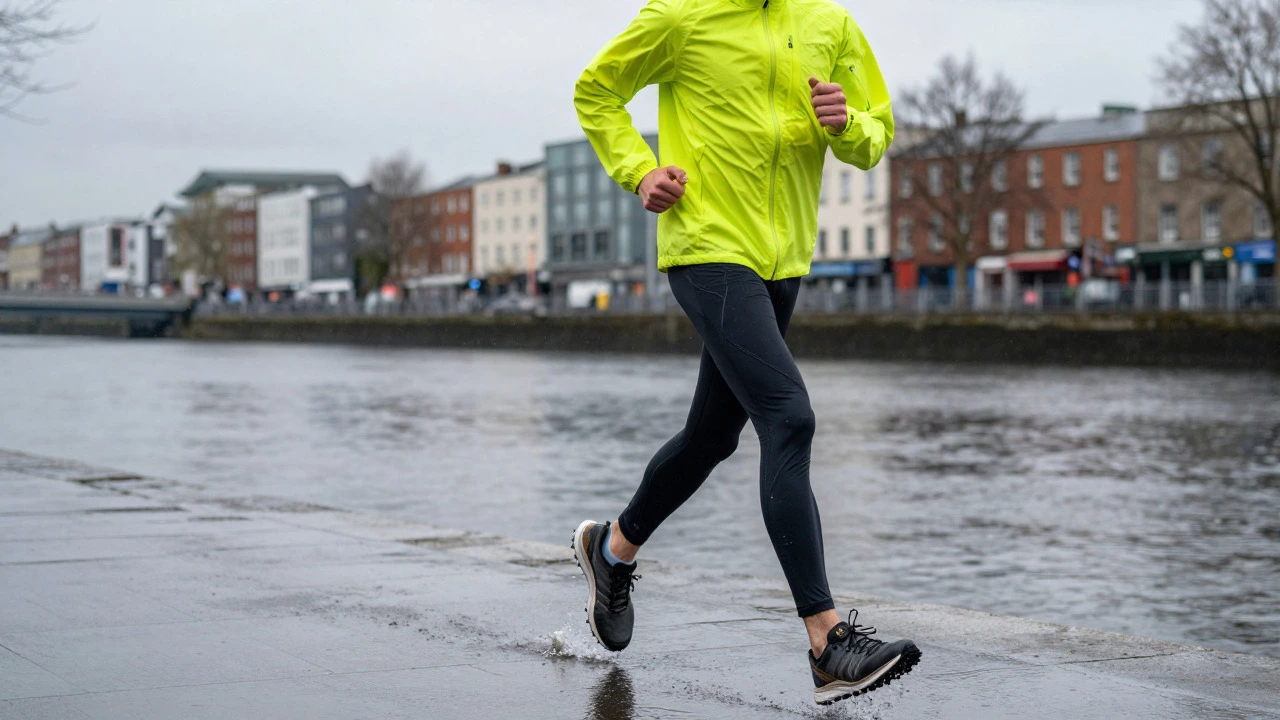
Sportswear vs. Fashion: The Irish Classifier
Describe Your Item
Enter details about your garment to see if it counts as true Sportswear in Ireland.
Walking down O'Connell Street in Dublin or browsing the shops on Henry Street in Galway, you’ve probably noticed that people here dress differently depending on where they’re headed. But when it comes to sportswear, the line between "going to the gym" and "running errands" has blurred significantly. In Ireland, with our unpredictable weather and deep-rooted sporting culture, knowing what actually counts as sportswear isn't just about fashion-it’s about function, tradition, and social norms.
If you're trying to figure out if your outfit qualifies as athletic gear, or if you're a retailer stocking shelves for the Irish market, this guide breaks down exactly what classifies an item as sportswear, how it differs from casual activewear, and why local context matters more than you might think.
The Core Definition: Function Over Fashion
At its simplest, Sportswear is clothing designed specifically for physical activity, prioritizing performance, durability, and comfort over aesthetic appeal. This is the technical definition used by textile engineers and major retailers alike. If a garment helps you move better, breathe easier, or stay dry during exercise, it falls under this umbrella.
However, in everyday conversation in Ireland, the term gets stretched. We often use "sportswear" to describe anything made of synthetic, stretchy material. But there is a distinct difference between true sportswear and what we now call "athleisure." True sportswear serves a specific athletic purpose. It includes:
- Technical Fabrics: Materials like polyester blends, nylon, and elastane (spandex) that wick sweat away from the body. Cotton, while comfortable for lounging, is generally not considered true sportswear because it retains moisture-a big no-no when you're running along the Liffey or hiking the Cliffs of Moher.
- Performance Features: Zippers for ventilation, reinforced stitching for high-stress areas, and ergonomic cuts that allow full range of motion.
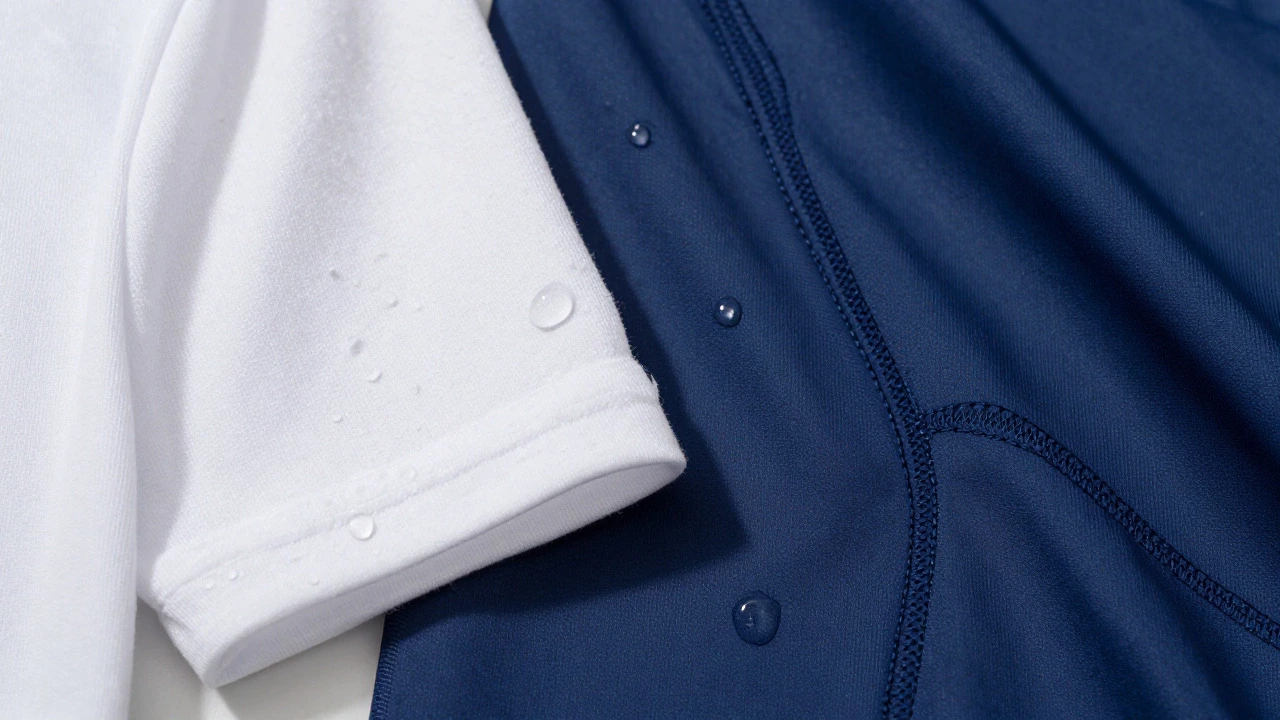
- Weather Resistance: Given the Irish climate, waterproof membranes (like Gore-Tex) are essential components of outdoor sportswear here.
Sportswear vs. Activewear vs. Athleisure
To understand what is classed as sportswear, you have to see where it sits in the hierarchy of clothing. Many people confuse these terms, but they serve different jobs.
| Category | Primary Purpose | Key Materials | Example Items |
|---|---|---|---|
| Sportswear | High-intensity exercise & competition | Moisture-wicking synthetics, mesh, compression fabrics | Running tights, football jerseys, swimwear, cycling shorts |
| Activewear | Low-to-moderate movement & training | Soft knits, cotton blends, light synthetics | Yoga pants, loose trainers, lightweight hoodies |
| Athleisure | Daily wear & social settings | Premium knits, faux-leather accents, structured silhouettes | Fashion joggers, designer tracksuits, sleek sneakers |
In Ireland, athleisure has become incredibly popular. You’ll see plenty of people wearing stylish joggers and clean white sneakers to coffee shops in Cork or offices in Galway. While these items look like sportswear, they aren’t technically classed as such because they lack the technical performance features required for serious athletic activity. They are fashion items inspired by sport, not tools for sport.
The Irish Context: GAA and Local Traditions
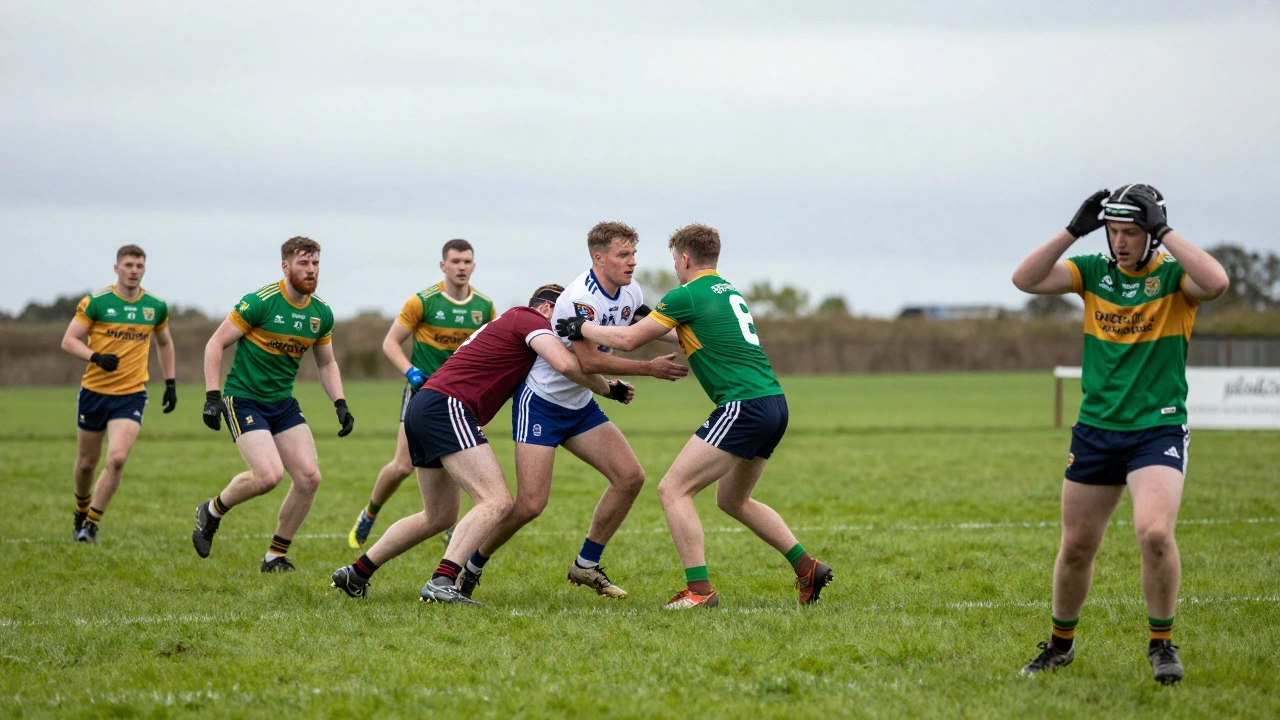
You cannot talk about sportswear in Ireland without mentioning the Gaelic Athletic Association (GAA). The GAA has its own distinct uniform standards that define a huge chunk of what Irish people consider "sports kit."
GAA jerseys, socks, and shorts are strictly regulated. They must be made of breathable, durable fabric that can withstand tackling and running on grass pitches across all 32 counties. Unlike generic gym wear, GAA sportswear often includes specific club colors and crest placements. For many Irish families, buying new GAA kits for the children at the start of the season is a ritual. These items are unequivocally classed as sportswear because they are mandatory for participation in hurling, Gaelic football, and camogie.
Additionally, the rugged nature of Irish sports means that durability is a key attribute. A jersey that tears after one match wouldn’t survive the intensity of a county championship game. This contrasts with some fast-fashion activewear brands that prioritize looks over longevity.
Weather-Proofing: The Irish Necessity
In many parts of the world, sportswear is designed for heat. In Ireland, it must be designed for rain, wind, and chill. This geographical specificity changes what is classed as appropriate sportswear.
If you go for a run in Phoenix Park in November, a simple tank top won’t cut it. Here, sportswear includes:
- Windproof Jackets: Lightweight shells that block the Atlantic breeze but still allow sweat to escape.
- Thermal Base Layers: Moisture-wicking tops worn under jerseys to retain body heat without causing overheating.
- Waterproof Trousers: Essential for cyclists and trail runners who face sudden downpours.
This layering system is unique to colder, wetter climates. When shopping for sportswear in Ireland, look for labels that mention "weather resistance" or "thermal regulation." Brands that ignore these factors may sell great-looking clothes, but they aren’t producing functional sportswear for the local environment.
Where to Buy Authentic Sportswear in Ireland
Knowing what to buy is half the battle; knowing where to buy it is the other. Ireland has a mix of international giants and strong local specialists.
International brands like Nike, Adidas, and Under Armour dominate the high streets in cities like Dublin, Cork, and Limerick. They offer a wide range of technical sportswear suitable for various activities. However, for specific needs, local retailers often provide better value and expertise.
For GAA-specific gear, stores like GAA.ie or local club shops are the go-to sources. For outdoor sports like hiking and climbing, specialized retailers in towns like Killarney or Dingle stock brands like Mammut and Vaude, which are renowned for their durability in harsh conditions. These shops often employ staff who actually participate in the sports, offering genuine advice on what constitutes proper gear versus mere fashion.
Common Misconceptions About Sportswear
There are several myths circulating about what counts as sportswear. Let’s clear them up.
Myth 1: All Gym Clothes Are Sportswear. Not necessarily. A pair of cotton shorts might be fine for stretching, but they fail the test for intense cardio because they hold sweat and chafe. True sportswear uses synthetic blends to manage moisture.
Myth 2: Expensive Means Better Performance. Price often reflects branding, not technology. A €50 pair of leggings from a budget store might have the same moisture-wicking properties as a €100 designer pair. Check the fabric composition label, not just the price tag.
Myth 3: Sportswear Can Be Worn Anywhere. While athleisure has normalized wearing gym clothes in public, traditional sportswear (like singlets or tight compression shorts) is still largely reserved for gyms, pitches, and trails. Wearing them to a formal dinner or a business meeting in Dublin City Centre would likely raise eyebrows.
How to Choose the Right Sportswear
When selecting items, ask yourself three questions:
- What activity am I doing? Running requires different support than yoga. Cycling needs aerodynamic fit; hiking needs protection from branches.
- What is the weather forecast? In Ireland, always plan for rain. Invest in a good waterproof layer.
- Is it durable? Will it survive multiple washes and rough play? Check the care instructions and fabric density.
By focusing on these practical aspects, you ensure that your wardrobe includes genuine sportswear that enhances your performance rather than just mimicking the look of athletes.
Is a hoodie classed as sportswear?
It depends on the material and design. A heavy cotton hoodie is generally considered casual wear or athleisure. However, a lightweight, moisture-wicking hoodie made of synthetic fibers with zippered vents is classed as sportswear because it supports physical activity by regulating temperature and managing sweat.
What is the difference between sportswear and activewear in Ireland?
Sportswear is designed for high-performance activities like running, football, or swimming, using technical fabrics. Activewear is for lower-intensity movements like walking or light yoga, often prioritizing comfort over performance. In Ireland, due to the weather, the line can blur, but true sportswear will always have weather-resistant or moisture-managing features.
Can I wear GAA jerseys as casual clothes?
Yes, many people wear their team jerseys casually, especially during match days. However, technically, they are classed as sportswear because they are designed for athletic performance. Wearing them outside of sports contexts is a form of fan apparel, not a change in the garment's classification.
Why is cotton not recommended for sportswear?
Cotton absorbs and holds moisture, which can lead to chafing, discomfort, and rapid cooling of the body-dangerous in Ireland's cold, wet climate. Synthetic materials like polyester and nylon wick sweat away from the skin, keeping you dry and warm during exercise.
Where can I buy specialized sportswear in Galway?
In Galway, you can find specialized sportswear at local outdoor retailers near Salthill or in the city center department stores. For GAA gear, check with local club shops or authorized online retailers. Always look for stores that carry brands known for weather resistance, such as The North Face, Patagonia, or local Irish brands specializing in outdoor textiles.