
Irish Summer Coolness Calculator
Configure Your Outfit
Select your outfit details and click "Check Comfort Level" to see how you'll fare in the Irish summer sun.
It’s May 7, 2026, and if you’re like most of us in Ireland, you’re dreaming of that rare, golden stretch of sunshine. We’ve spent months bundled in coats, but now the forecast promises a few days where the temperature might actually tick past 20°C. You grab your wardrobe, pull out that dress you bought last year, and suddenly you’re sweating before you even step onto the Luas. It begs the question: what color is coolest in the sun? In Ireland, where our summers are short but can be surprisingly intense when they hit, choosing the right shade isn’t just about style-it’s about survival.
We often hear conflicting advice. Some say wear white to reflect heat; others swear by black because it radiates heat away. The truth? It’s complicated, and it depends heavily on the fabric, the fit, and how long you plan to stay outside. Whether you’re heading to a festival in the Wicklow Mountains, catching a gig in Dublin’s Grand Canal Dock, or simply walking the dog in Cork City, understanding how color interacts with sunlight will keep you comfortable when the Irish sun decides to show up.
The Physics of Color and Heat
To figure out what keeps you cool, we first need to look at how light works. When sunlight hits your clothes, two things happen: absorption and radiation. Dark colors, especially black, absorb more visible light and convert it into heat. Light colors, like white or pastels, reflect more of that light energy. So, logically, wearing white should keep you cooler, right? For the most part, yes-but there’s a catch involving infrared radiation.
Bodies emit heat as infrared radiation. Black fabrics are better at emitting this infrared heat than white ones. This means that if you’re moving around in dry, hot air, black might actually help your body shed heat faster. However, in humid conditions-which aren’t uncommon during an Irish summer afternoon-the moisture in the air traps heat, making the absorption effect of dark colors dominate. If you’re standing still at a wedding in County Kildare or waiting for a bus in Galway, that black dress will likely feel like an oven mitt. White remains the safer bet for static activities in mixed weather.
Fabric Matters More Than Shade
You could wear the whitest shirt imaginable, but if it’s made from polyester, you’re going to sweat through it. In Ireland, where temperatures fluctuate rapidly, breathable natural fibers are your best friend. Cotton, linen, and rayon allow air to circulate between the fabric and your skin, carrying heat away. Linen, in particular, is a staple here for good reason. Its loose weave lets breeze pass through easily, which is crucial when you’re navigating a crowded street market in Temple Bar or sitting in a shaded pub garden.
Synthetic materials like nylon or cheap polyester trap heat and moisture against your skin. Even in light colors, these fabrics create a greenhouse effect. If you must wear synthetics-perhaps for a specific event or uniform-look for moisture-wicking technology designed for sports. But for everyday wear in cities like Limerick or Waterford, stick to naturals. A loose-fitting white linen dress will always beat a tight-fitting white polyester one when the UV index climbs.
Fit and Airflow: The Hidden Cooling Factor
Color isn’t the only variable. How much space exists between your skin and your clothes determines how effectively heat escapes. Tight clothing hugs your body, trapping warm air and preventing evaporation. Loose garments act like chimneys, drawing cool air in from the bottom and letting hot air escape from the top. This "chimney effect" is vital in Ireland, where humidity can make even mild temperatures feel sticky.
Think about traditional Irish attire versus modern fast fashion. Traditional shirts were often loose and made of heavy cotton or wool, allowing airflow. Modern fitted styles restrict movement and breathability. When shopping for summer dresses in Dublin or Belfast, prioritize cuts that drape rather than cling. A-line silhouettes, maxi skirts with slits, and oversized tops provide ventilation that no amount of color theory can replicate. If you’re attending an outdoor concert at Malahide Castle, a flowing, loose-fitting outfit will keep you far more comfortable than a sleek, body-con number, regardless of its hue.
Navigating the Irish Sun: Practical Tips
Ireland’s latitude means our sun angle is lower than in Mediterranean countries, but the lack of consistent cloud cover during heatwaves can lead to rapid heating. Here’s how to apply this knowledge locally:
- Layer smartly: Irish weather is unpredictable. Start with a light, breathable base layer in a pale color. Carry a lightweight cardigan or shawl in case clouds roll in and the temperature drops. This is common sense in places like Donegal or Mayo, where microclimates shift quickly.
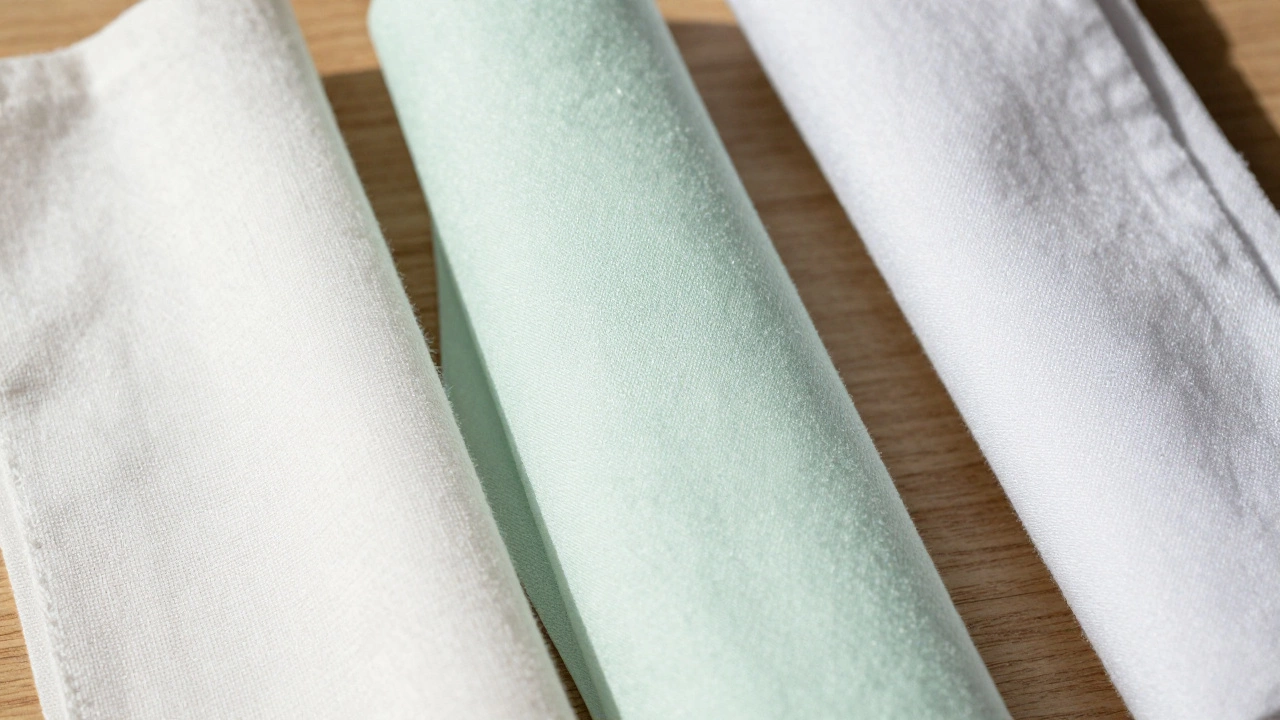
- Choose earth tones wisely: While pure white reflects the most light, soft pastels like mint green, baby blue, or lavender also perform well without showing every speck of dust from a hike in the Ring of Kerry. These shades offer a balance of reflection and style.
- Avoid dark denim: Jeans are a wardrobe staple, but dark denim absorbs significant heat. Opt for lighter washes or switch to chinos or linen trousers when temperatures rise above 18°C. You’ll thank yourself when you’re wandering through the streets of Derry-Londonderry.
- Use accessories: A wide-brimmed hat in a light color shields your face and neck, reducing overall heat load. Sunglasses protect your eyes from glare off surfaces like the River Liffey or coastal rocks in Clare.

Myth-Busting Common Beliefs
There’s a persistent myth that black is always hotter. As mentioned, black radiates heat better, but only under specific conditions: high airflow and low humidity. In Ireland’s typical summer mix of breeze and occasional dampness, this advantage rarely outweighs the heat absorbed from direct sunlight. Another misconception is that all light colors are equal. Bright yellows and oranges absorb more infrared radiation than whites or grays, so they may not be as cooling as you’d expect. Stick to neutrals and pastels for maximum comfort.
Also, consider the environment. If you’re spending time near reflective surfaces-like the glass facades of buildings in Dublin’s Financial Centre or sandy beaches in West Cork-lighter colors reduce glare and heat reflection onto your skin. Dark clothing in these settings amplifies discomfort.
Choosing Your Summer Wardrobe in Ireland
When building your summer collection, focus on versatility. Irish summers don’t last forever, so invest in pieces that transition well. A white linen midi dress can be dressed up for a dinner in Killarney or down for a picnic in Phoenix Park. Pair it with sandals for daytime and boots if evening chill sets in. Look for local designers who understand our climate; many Irish brands prioritize natural fibers and relaxed fits suitable for our weather patterns.
Don’t overlook footwear. Leather shoes can get uncomfortably hot and sweaty. Choose breathable materials like canvas, mesh, or perforated leather. Open-toe options work well in urban centers like Cork or Galway, but avoid them if you’re planning rugged hikes in the Wicklow Mountains where protection matters more.
Is black really hotter than white in the sun?
Generally, yes. Black absorbs more visible light and converts it to heat, while white reflects it. However, black radiates infrared heat better, which can help in dry, windy conditions. In Ireland’s typically humid summers, white usually stays cooler due to less heat absorption.
What fabric is best for staying cool in Ireland?
Natural fibers like linen, cotton, and rayon are ideal. They breathe well and allow moisture to evaporate. Avoid synthetic materials like polyester unless they have moisture-wicking properties, as they trap heat and sweat.
Does loose clothing help keep you cooler?
Yes, significantly. Loose-fitting clothes create airflow between the fabric and your skin, helping dissipate heat through convection and evaporation. Tight clothing traps warm air and reduces ventilation.
Are pastel colors as effective as white for cooling?
Mostly, yes. Pastels like light blue, pink, and mint reflect a good portion of sunlight. However, very bright colors like neon yellow or orange may absorb more heat than true white or gray, so opt for softer shades for maximum comfort.
How should I dress for an Irish summer festival?
Wear light-colored, breathable fabrics like cotton or linen in loose cuts. Bring layers for cooler evenings, comfortable walking shoes, and a hat for sun protection. Check the forecast for rain, as Irish festivals often experience sudden showers.