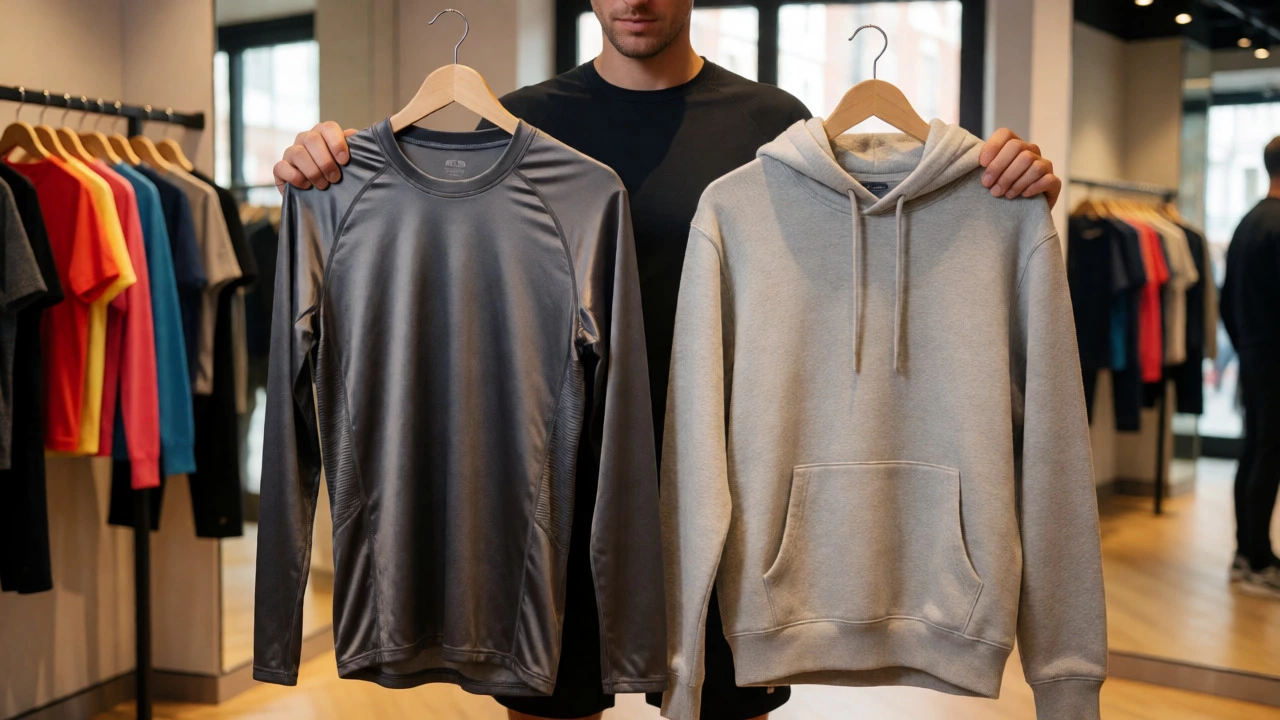
Irish Sportswear Kit Builder
Select your activity and current weather to get a tailored gear list optimized for Irish conditions.
You’re standing in a fitting room on Henry Street or browsing the aisles of a Decathlon in Dublin, staring at racks of shiny polyester and soft cotton blends. The question hits you: what does sportswear actually include? It’s not just about looking good for your morning jog along the Liffey. In Ireland, where the weather can shift from sunny to sideways rain in ten minutes, sportswear is a functional toolkit. It covers everything from high-performance technical fabrics designed for sweat management to casual athleisure meant for a quick trip to the corner shop after Pilates.
Understanding the scope of sportswear helps you spend less money and feel more comfortable. Whether you’re training for the Dublin Marathon, hitting a CrossFit box in Cork, or just want clothes that survive a rainy walk in Galway, knowing the categories saves you from buying the wrong kit. Let’s break down exactly what falls under this umbrella, tailored specifically for the realities of life in Ireland.
The Core Definition: Performance vs. Lifestyle
At its simplest, sportswear refers to clothing designed for physical activity. But there is a massive divide between "performance wear" and "athleisure." Performance wear is engineered with specific attributes like moisture-wicking capabilities, stretch recovery, and thermal regulation. Think of the kit worn by players in the GAA (Gaelic Athletic Association) or professional cyclists tackling the Wicklow Mountains. These items are built to handle extreme exertion.
Athleisure, on the other hand, blurs the line between gym clothes and everyday fashion. This includes yoga pants you wear to brunch or hoodies you throw over jeans. While both fall under the sportswear banner, their construction differs significantly. In the Irish market, brands like Under Armour and Nike dominate the performance side, while local boutiques and high-street chains often focus on the lifestyle aspect. If you’re heading to a serious training session, prioritize technical features. If you’re going for a social workout class, comfort and style might take precedence.
Tops and Base Layers: Managing the Irish Climate
Any discussion of sportswear must start with tops. For runners and outdoor athletes in Ireland, the base layer is non-negotiable. You need fabrics that pull sweat away from your skin quickly. Cotton is the enemy here; it absorbs water, gets heavy, and makes you cold when the wind picks up off the Atlantic. Instead, look for synthetic blends or merino wool. Merino is particularly popular among Irish hikers and trail runners because it regulates temperature well even when damp.
Middle layers add insulation without bulk. Fleece jackets and lightweight softshells are staples in Irish gyms and outdoor clubs. They trap heat but allow movement. Then there are outer shells-windbreakers and waterproof jackets. Given our reputation for rain, a breathable, waterproof shell is arguably the most critical piece of sportswear for anyone exercising outdoors in Ireland. Brands like Gore-Tex or proprietary technologies like Adidas’ ClimaWind are standard here. Without proper layering, you risk hypothermia during a winter run in Connemara, regardless of how much effort you put in.
Bottoms: From Compression Tights to Track Pants
Bottoms vary wildly based on the activity. Running shorts are typically split into two types: brief-lined and loose-fit. Brief-lined shorts offer support and prevent chafing, which is crucial during long-distance events like the Great Limerick Run. Loose-fit shorts provide ventilation and freedom, preferred by sprinters or those doing interval training.
For colder months, tights and leggings become essential. Compression tights aren’t just about aesthetics; they improve blood flow and reduce muscle oscillation, helping you recover faster. Look for reflective strips if you’re running in low-light conditions, common during Irish winters when darkness falls early. Joggers and track pants sit in the middle ground. They are versatile enough for warm-ups but may be too heavy for intense cardio compared to tighter fits. When shopping, check the inseam length carefully; standard sizing often doesn’t account for height variations, leading to awkward bunching around the ankles.
Footwear: The Foundation of Movement
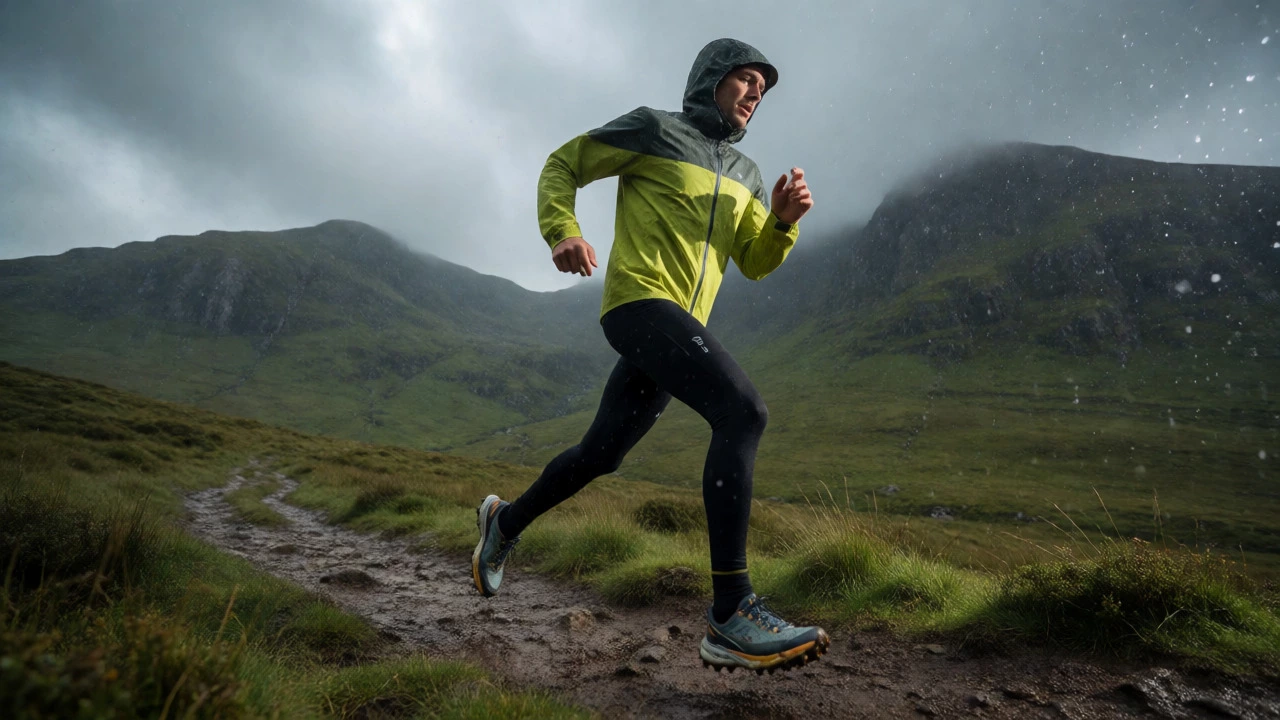
Sportswear isn’t complete without shoes. This category is highly specialized. Running shoes come in neutral, stability, and motion-control varieties, depending on your gait. Trail shoes have aggressive lugs for grip on muddy paths, essential for hiking in places like Killarney National Park. Football boots, or soccer cleats, range from firm-ground studs for grass pitches to turf shoes for artificial surfaces found in many urban Irish parks.
Cross-trainers are designed for multi-directional movement, making them ideal for gym classes involving lateral steps and jumps. Unlike running shoes, which push you forward, cross-trainers provide lateral support. Wearing running shoes for weightlifting is a common mistake; the cushioned sole creates instability under heavy loads. Flat-soled shoes or lifting sandals are better for squats and deadlifts. Always replace footwear every 500-800 kilometers or when the midsole compresses visibly, as worn-out foam loses its shock-absorbing properties.
| Category | Primary Function | Key Material Attributes | Ideal Use Case in Ireland |
|---|---|---|---|
| Base Layer | Moisture Management | Wicking, Quick-dry, Seamless | Winter running, Hiking in Wicklows |
| Compression Gear | Muscle Support & Circulation | Elastic, Tight fit, Breathable | Post-workout recovery, Long runs |
| Waterproof Shell | Weather Protection | Breathable, Sealed seams, Lightweight | Outdoor cycling, Coastal walks |
| Cross-Trainers | Lateral Stability | Flat sole, Durable upper | Gym classes, HIIT workouts |
| Trail Shoes | Traction & Grip | Rubber lugs, Protective toe cap | Hiking, Off-road running |
Accessories and Smart Tech Integration
Modern sportswear extends beyond shirts and trousers. Accessories play a vital role in performance and safety. Headbands keep sweat out of your eyes, while caps protect against glare or rain. Reflective vests are mandatory visibility tools for road runners in rural areas where street lighting is sparse. Gloves are tricky; you need thin, touchscreen-compatible gloves for dexterity but insulated ones for sub-zero mornings.
Smart technology has merged with apparel. Heart rate monitors are now integrated into chest straps or wristbands, providing real-time data on intensity. GPS watches track pace and distance, invaluable for tracking progress toward goals like completing the Dublin City Marathon. Some newer garments even feature conductive threads that allow you to control music or calls via touch-sensitive fabric panels. While not strictly "clothing," these tech-integrated items are increasingly sold within the sportswear sector and considered part of the modern athletic ecosystem.
Local Context: Choosing Gear for Irish Conditions
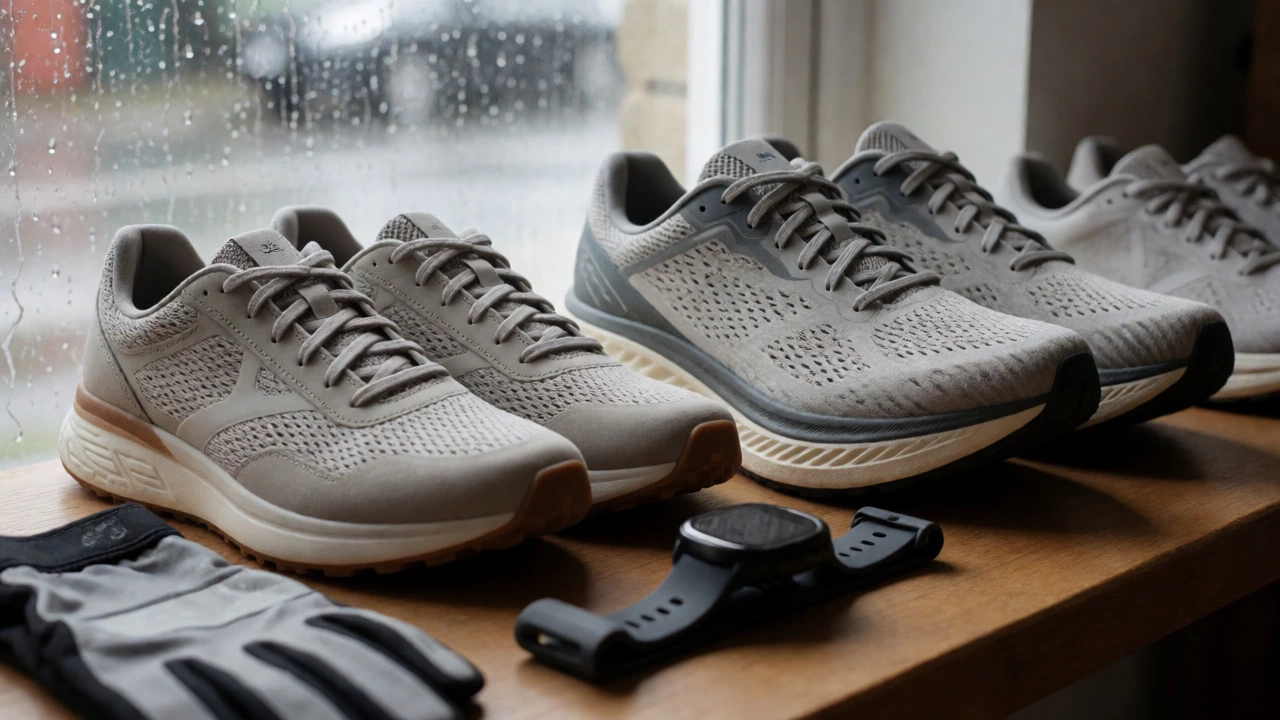
Buying sportswear in Ireland requires a different strategy than in sunnier climates. Humidity levels are consistently high, meaning fabrics need excellent breathability to prevent overheating despite cool air temperatures. Wind chill is another major factor. A jacket that looks thick might offer little protection against a cutting wind coming off the sea. Look for wind-blocking membranes rather than just heavy insulation.
Support local retailers where possible. Independent sports shops in cities like Belfast, Limerick, and Waterford often provide personalized fitting services that big-box stores lack. Staff there understand local terrain challenges, such as the slippery mossy rocks in West Clare trails. Additionally, consider sustainability. The Irish consumer is increasingly eco-conscious, favoring brands that use recycled materials. Many European manufacturers now produce activewear from ocean plastics, aligning with Ireland’s strong maritime culture and environmental values.
Frequently Asked Questions
Can I wear cotton for sportswear?
Generally, no. Cotton absorbs sweat and retains moisture, which can lead to chafing and rapid cooling once you stop moving. In Ireland's damp climate, wet cotton stays wet for a long time, increasing the risk of feeling cold. Synthetic blends or merino wool are superior choices for active wear.
What is the difference between compression tights and regular leggings?
Compression tights are made from thicker, higher-tension fabrics designed to apply graduated pressure to muscles, aiding circulation and reducing fatigue. Regular leggings are usually thinner, softer, and focused on comfort and style rather than physiological support. For intense exercise, compression gear offers tangible performance benefits.
Do I need special shoes for the gym?
Yes, if you do varied workouts. Running shoes are built for forward motion and can cause ankle rolls during lateral movements. Cross-trainers provide the necessary lateral support and flat soles for stability during weightlifting and agility drills. Using the right shoe reduces injury risk.
How should I care for my technical sportswear?
Avoid fabric softeners, as they clog the pores of moisture-wicking fabrics, reducing their effectiveness. Wash at low temperatures (30°C) and hang dry instead of using a tumble dryer, which can damage elastic fibers and waterproof coatings. Turning garments inside out before washing protects prints and surface textures.
Is expensive sportswear worth it in Ireland?
Often, yes, especially for outerwear. Cheaper jackets may claim to be waterproof but lack breathability, leading to condensation buildup inside the garment. Higher-end technical fabrics balance water resistance with air permeability, keeping you dry from both rain and sweat. For basic indoor gym wear, mid-range options are usually sufficient.