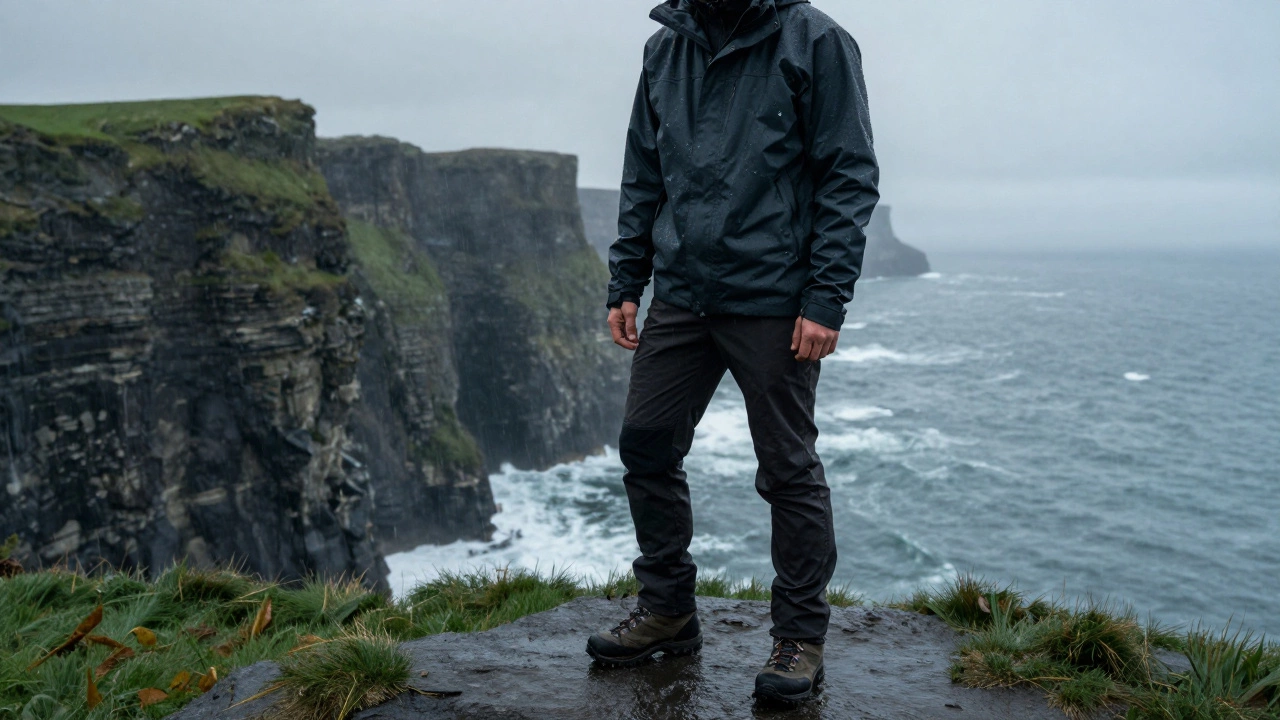
Irish Sportswear Layering Guide
Recommended Setup:
Quick Takeaways
- Sportswear is defined by performance fabrics that manage moisture, regulate temperature, and allow movement.
- The line between athletic gear and daily fashion has blurred into "athleisure."
- In Ireland, sportswear must prioritize weatherproofing and layering to handle high humidity and rain.
- Modern gear focuses on sustainability and recycled materials.
The Core DNA of Athletic Gear
At its most basic level, Sportswear is clothing specifically designed for use during physical exercise or sports. Unlike regular clothes, which prioritize aesthetics or social norms, sportswear focuses on the biological needs of the human body under stress. If you're wearing a cotton t-shirt for a 5k run through Phoenix Park, you'll quickly notice it becomes a heavy, wet rag that chafes your skin. True sportswear solves this. It uses synthetic fibers like Polyester, a durable synthetic polymer used to create moisture-wicking fabrics and Spandex, also known as elastane, providing the stretch necessary for full range of motion . These materials move sweat away from the skin to the surface of the fabric where it can evaporate. This process, known as moisture-wicking, is the single most important technical attribute of athletic apparel.The Layering System for the Irish Climate
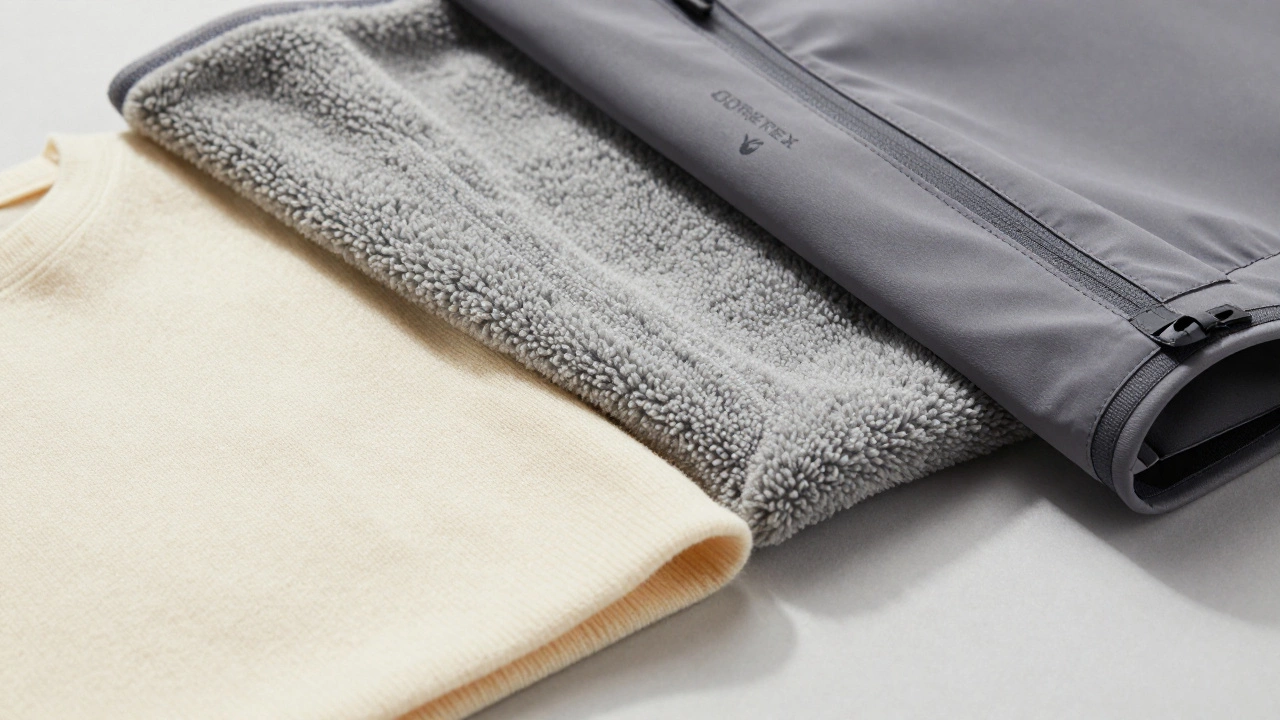
Because we live on a rainy island, defining sportswear in the local market requires looking at the "layering system." You can't just throw on a tracksuit and expect to be comfortable while hiking the Kerry Way. First, there is the base layer. This is usually a tight-fitting garment made of Merino Wool, a natural fiber from merino sheep that is breathable and naturally antimicrobial . Many Irish hikers prefer this over synthetics because it stays warm even when wet and doesn't smell after a long day of walking. Next comes the mid-layer, often a fleece or a light puffer jacket. This layer traps heat. Finally, the outer shell. In Ireland, this must be a Gore-Tex a waterproof, breathable fabric membrane that protects against wind and rain while letting sweat escape or similar membrane-based jacket. If your jacket isn't breathable, you'll end up damp from the inside out due to condensation, even if the rain stays out.| Material | Best Use Case | Breathability | Weather Resistance |
|---|---|---|---|
| Merino Wool | Base layer / Winter hiking | High | Low (absorbs water) |
| Polyester Blend | Gym / Running in the rain | Very High | Medium (fast drying) |
| Gore-Tex / Nylon | Outer shell / Stormy days | Medium | Extreme |
| Cotton | Casual wear (NOT sport) | Low (when wet) | None |
The Rise of Athleisure in Irish Cities
There is a massive difference between "performance gear" and Athleisure, a fashion trend where clothing designed for workouts is worn in casual or professional settings . If you walk through Grafton Street in Dublin or Shop Street in Galway, you'll see a sea of leggings and high-end sneakers. Athleisure takes the technical properties of sportswear-like the 4-way stretch and compression-and applies them to a style that works for a coffee date or a flight from Dublin Airport. The defining characteristic here is versatility. A pair of high-waisted yoga pants isn't just for the studio; they've become the new "everyday pant" for many people. This shift has pushed brands like Lululemon and Nike to create pieces that look more like street clothing but still feel like gym gear. ## Sport-Specific Definitions Not all sportswear is created equal. The requirements for a GAA player are entirely different from those of a wild swimmer in the Atlantic.- Field Sports (GAA, Rugby): These require high-abrasion resistance. If you're playing Hurling or Football in a muddy field in Mayo, your gear needs reinforced stitching and ripstop fabrics to prevent tears during tackles.
- Running: The focus here is on weight and aerodynamics. Lightweight mesh panels for ventilation and reflective strips for safety during the dark Irish winters are essential.
- Cold Water Swimming: This is a huge trend in Ireland right now. The "sportswear" here is the Wetsuit, a garment made of neoprene that provides thermal insulation and buoyancy . Without it, the shock of the North Atlantic would make the sport impossible for most.
Sustainable Shifts in Athletic Apparel
We're seeing a move away from "fast fashion" athletics. Many Irish consumers are now looking for gear that doesn't shed microplastics into the ocean. This has led to the rise of recycled nylons made from ocean plastic. When you're buying gear, looking for certifications like OEKO-TEX or Global Recycled Standard (GRS) tells you that the sportswear is designed with the environment in mind. Instead of buying a new outfit every season, the trend is moving toward "investment pieces." A high-quality waterproof jacket from a reputable brand can last a decade if cared for, which is far better for the planet than three cheap raincoats that leak after one winter in the West of Ireland.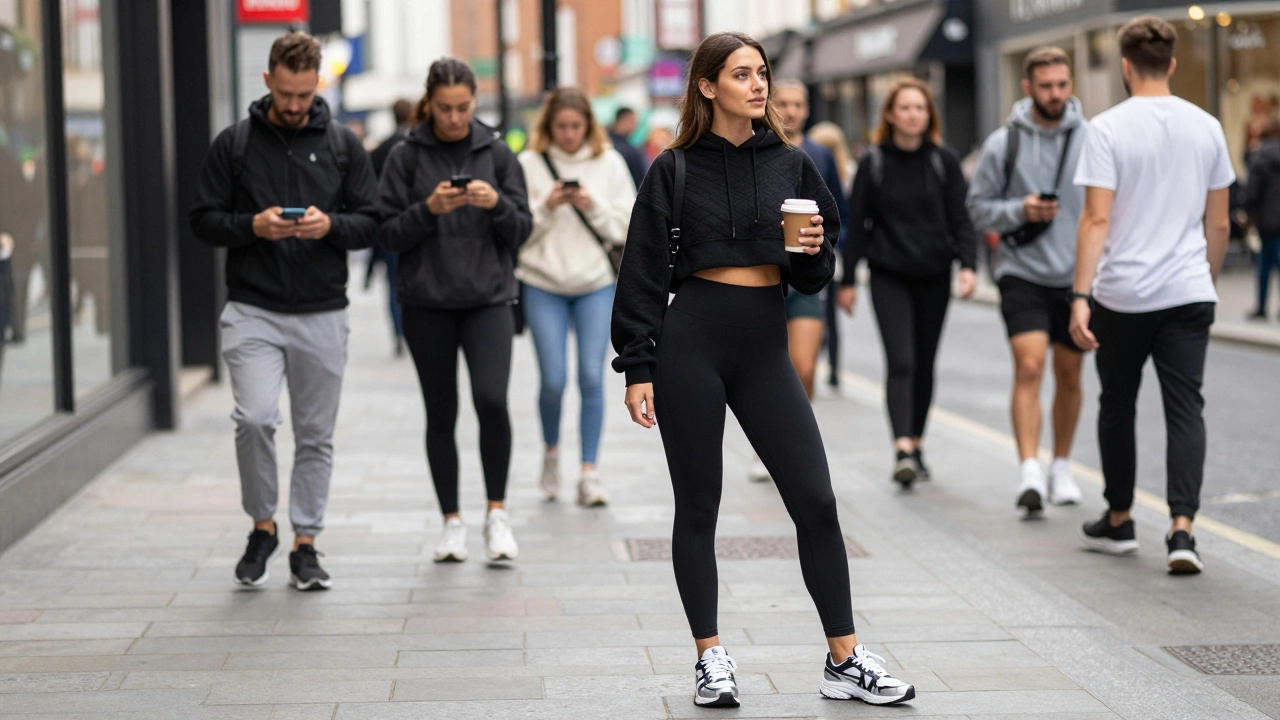
How to Choose the Right Gear
If you're confused about what to buy, use this simple rule of thumb: ask yourself what the primary "enemy" is. Is it the wind? Is it sweat? Is it the cold? If the enemy is sweat (like during a HIIT class at a local gym), go for synthetic, moisture-wicking blends. If the enemy is the Irish drizzle, go for a DWR (Durable Water Repellent) coated outer layer. If you're just looking for comfort while running errands in town, athleisure is your best bet. Avoid cotton for any activity where you'll be moving for more than 20 minutes; it's the fastest way to get a chill.Is a tracksuit considered sportswear?
Yes, but it depends on the material. A cotton tracksuit is more for warmth and casual wear. A technical tracksuit made from polyester and elastane, designed to breathe and stretch, is true performance sportswear.
Why is Merino wool so popular for Irish sportswear?
Merino wool is a favorite because it regulates temperature better than almost any other fabric. It keeps you warm when it's freezing in the Burren but doesn't overheat you when you're climbing a steep hill.
What is the difference between water-resistant and waterproof?
Water-resistant gear can handle a light mist or a quick walk to the car. Waterproof gear, usually featuring a sealed membrane like Gore-Tex, can withstand heavy, prolonged rain-essential for anyone spending time outdoors in Ireland.
Does sportswear need to be tight?
Not necessarily, but compression gear (which is tight) serves a purpose. It supports muscles, reduces vibration during running, and helps with blood flow. For general activity, a "slim fit" is usually preferred to prevent fabric from flapping in the wind.
How do I wash my technical sportswear without ruining it?
Avoid fabric softeners! Softeners clog the pores of moisture-wicking fabrics and destroy the DWR coating on waterproof jackets. Use a specialized technical wash and air dry whenever possible.
Final Advice for Different Personas
- The Casual Walker: Focus on a good pair of waterproof walking shoes and a breathable windbreaker. You don't need full compression gear, but a moisture-wicking tee will stop you from feeling clammy.
- The Serious Athlete: Invest in sport-specific shoes. A road running shoe is not a trail shoe; if you're hitting the muddy paths of the Wicklow Mountains, you need lugs for grip.
- The Urban Professional: Look for "hybrid" sportswear-tapered joggers and polos that use athletic fabrics but look tailored. This allows you to transition from a morning gym session to a casual office setting without a full wardrobe change.