Irish Leather Shoe Suitability Checker
Answer these questions to see if genuine leather is worth the hassle for you, or if synthetic alternatives might be smarter.
Key Factors Considered
- • Rain Exposure: Higher exposure reduces leather suitability due to water absorption risks.
- • Maintenance: Leather requires regular conditioning; low time commitment favors synthetics.
- • Comfort: Leather has a break-in period; immediate comfort seekers may prefer knits/synthetics.
- • Budget: Leather has high upfront cost but potential longevity if cared for.
If you’ve ever stepped out in leather shoes during a typical Galway drizzle or a Dublin downpour, you know the struggle. While they look sharp and last forever if treated right, there is a real disadvantage of leather shoes that many people in Ireland ignore until it’s too late. It’s not just about style; it’s about how this material behaves in our specific damp, changeable climate. You might be wondering why your expensive boots are cracking or why your feet feel like ice blocks in November. The answer lies in the nature of the material itself.
This guide breaks down the practical drawbacks of wearing leather footwear here in Ireland. We’ll look at maintenance costs, comfort limits, and weather resistance so you can decide if sticking with leather is worth the hassle compared to modern synthetics or rubber alternatives.
The Water Resistance Myth
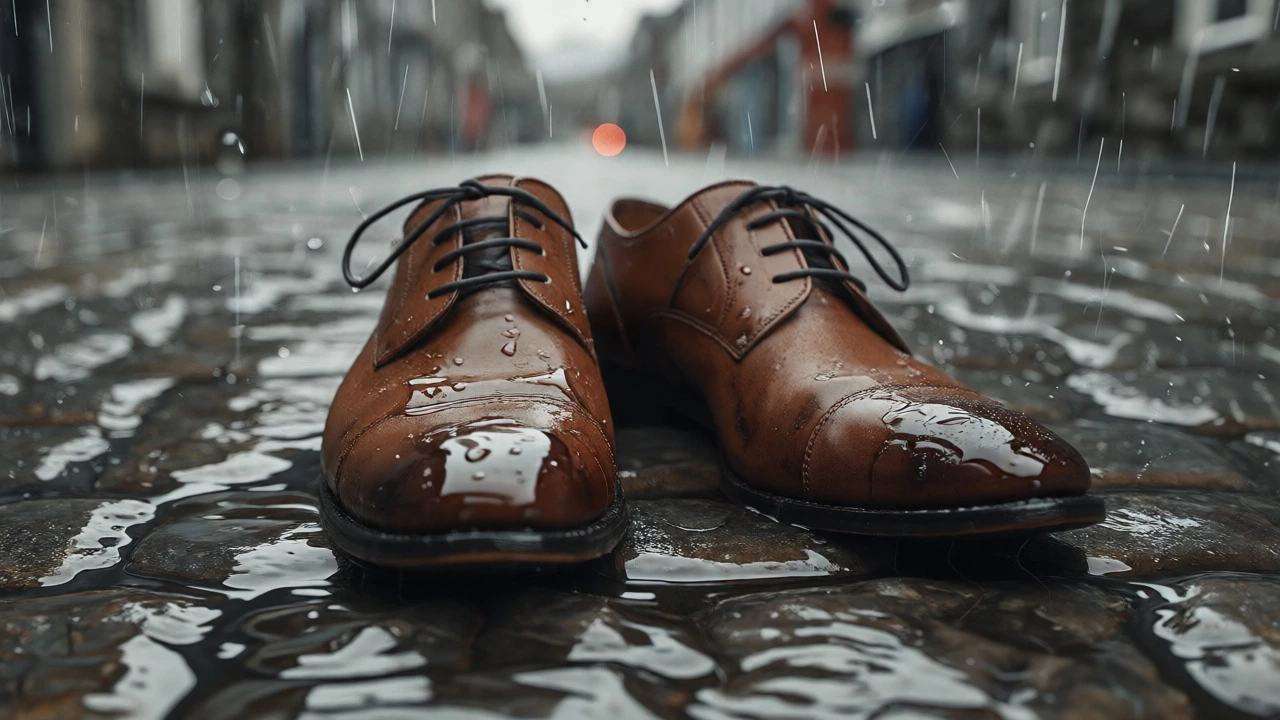
Let’s clear up a common misconception first. People often think leather is naturally waterproof. It isn’t. Genuine leather is porous. It absorbs water. In countries with dry climates, this doesn’t matter much. But in Ireland, where rain is less an event and more a lifestyle, this becomes a major issue.
When leather gets soaked, two bad things happen:
- Structural Damage: Water swells the fibers. When it dries, those fibers shrink unevenly, causing cracks and warping.
- Mold Growth: Damp leather inside a dark cupboard is a perfect home for mold. If you leave wet boots by the radiator to dry quickly, you’re baking moisture into the material, which accelerates decay.
You have to treat leather regularly with wax or conditioner to keep it somewhat resistant. Even then, after hours walking through puddles near Salthill or standing on wet grass at a GAA match, the water eventually finds a way in. Synthetic materials like Gore-Tex or high-quality PVC handle this far better without needing constant attention.
The Maintenance Time Sink
Leather is high-maintenance. This is probably the biggest downside for busy professionals in Cork or Dublin who don’t have time to polish their shoes every week. Unlike canvas or synthetic sneakers, which you can toss in a washing machine (if you’re brave) or wipe with a damp cloth, leather demands a ritual.
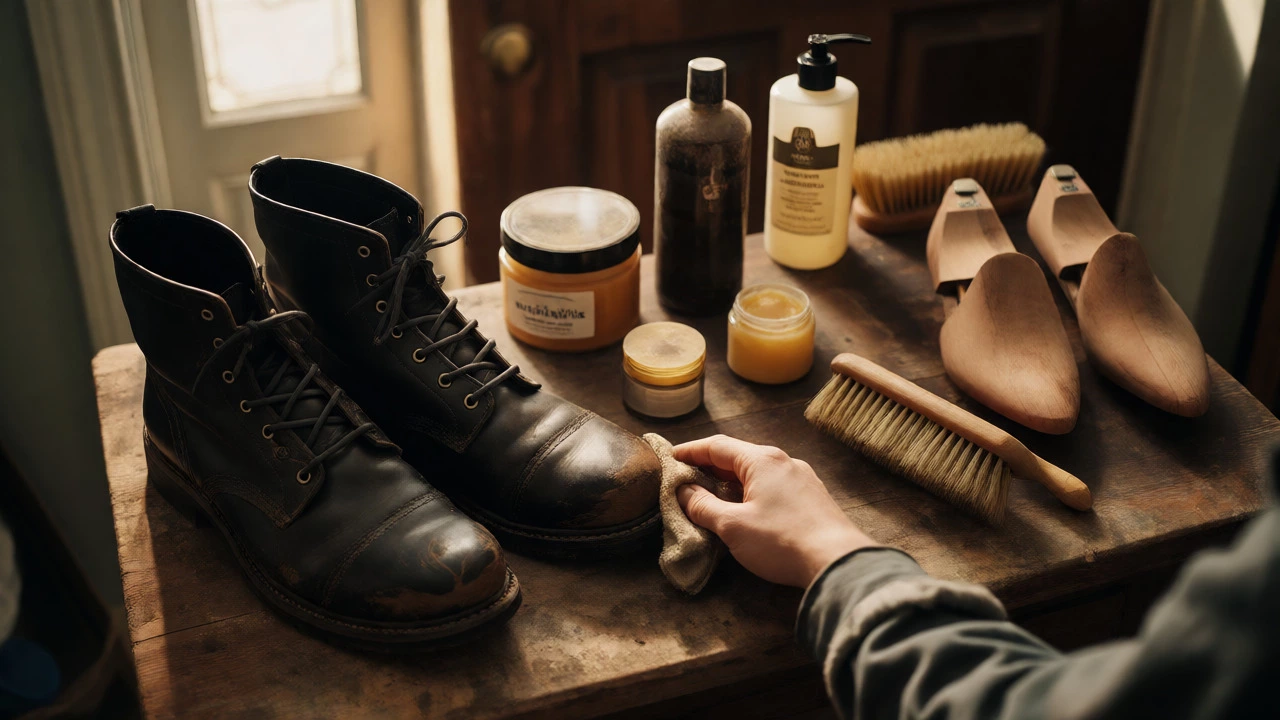
To keep them looking decent, you need to:
- Clean off mud and dirt immediately.
- Apply a leather cleaner.
- Condition the material to prevent drying out.
- Polish or wax the surface.
- Use shoe trees to maintain shape while drying.
Skip this routine for a month, and your shoes will look tired. Skip it for six months, and they might be ruined. In Ireland, where we walk through mud and slush frequently, this maintenance cycle is relentless. Many people find that the time spent caring for leather outweighs the aesthetic benefits, especially when modern synthetic leathers require almost zero upkeep.
Comfort and Break-In Periods
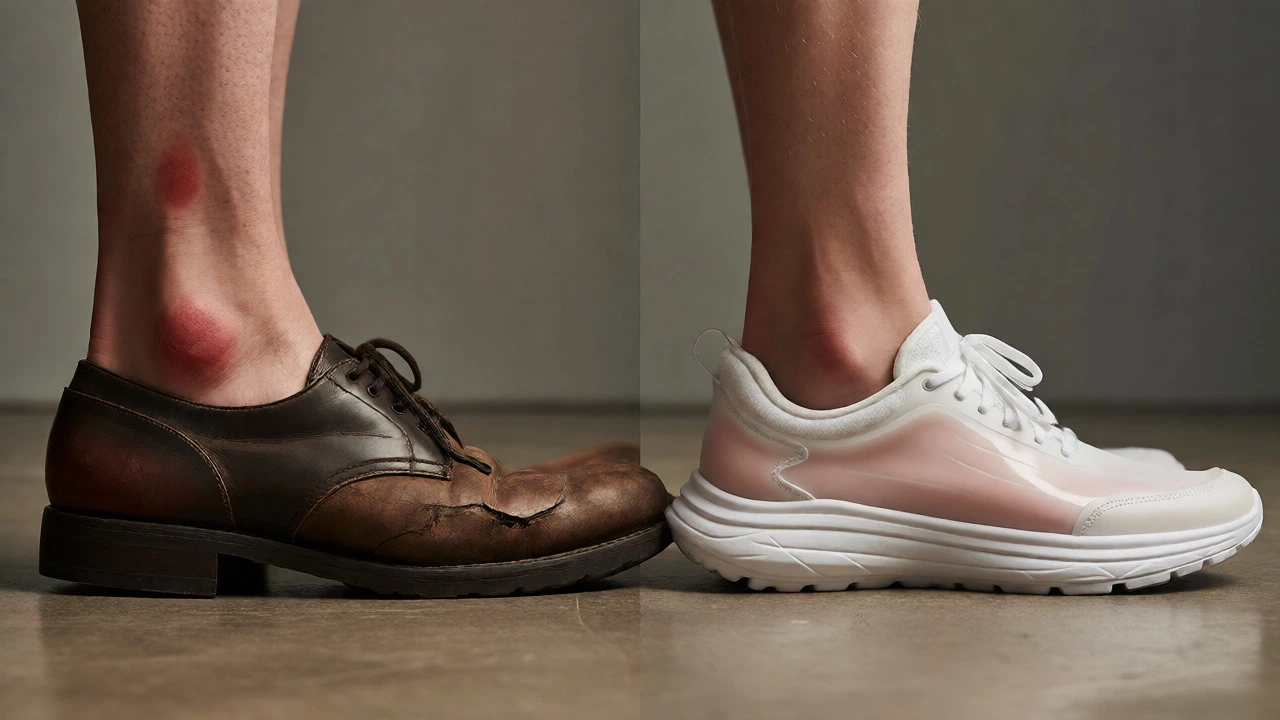
New leather shoes are rarely comfortable straight out of the box. They are stiff. This stiffness provides structure and longevity, but it also means blisters. The "break-in period" is a real thing. You might wear thick socks and endure sore heels for two weeks before the leather molds to your foot.
For people with sensitive feet or conditions like bunions, this process can be painful. Synthetic shoes, particularly those made from engineered knits or flexible plastics, tend to be softer from day one. They offer immediate comfort, whereas leather requires patience. If you’re buying shoes for a wedding in Killarney next weekend, leather might not be the best choice unless you’ve already broken them in.
Temperature Sensitivity
Ireland’s weather is mild but unpredictable. Leather reacts strongly to temperature changes. In summer, leather can trap heat. If you’re commuting on a Luas tram or waiting for a bus in July, your feet might get sweaty and uncomfortable because leather doesn’t breathe as well as mesh or unlined canvas.
In winter, thin leather offers poor insulation. Without heavy lining, your toes will freeze. You end up needing multiple pairs: breathable ones for summer and heavily lined ones for winter. This forces you to buy more than one pair of quality shoes, increasing the overall cost of ownership. Rubber-soled hiking boots or insulated synthetic trainers often perform better across a wider range of temperatures without needing a wardrobe swap.
The Cost Factor
Good leather shoes are expensive. Brands like Clarks, Ecco, or local Irish makers charge a premium for genuine hides. While proponents argue that leather lasts longer, the upfront cost is high. If you buy cheap leather, it’s often bonded or low-grade, which peels and cracks within a year-defeating the purpose entirely.
Consider the total cost of ownership:
| Item | Leather Shoes | Synthetic/Rubber |
|---|---|---|
| Initial Price | €80 - €250+ | €40 - €100 |
| Annual Care Products | €30 - €60 (wax, cream, brushes) | €0 - €10 (cleaner spray) |
| Lifespan (with care) | 3-5 years | 1-3 years |
| Lifespan (neglected) | 1 year (cracked/ruined) | 2 years (still wearable) |
If you forget to condition your shoes, that €150 investment can look like trash in eighteen months. Synthetics are more forgiving of neglect.
Ethical and Environmental Concerns
Many consumers in Ireland are increasingly conscious of sustainability. Leather production has a significant environmental footprint. Tanning processes often use chemicals like chromium, which can pollute water sources if not managed properly. Additionally, animal welfare concerns drive some buyers away from genuine hide.
Vegan leather alternatives have improved dramatically. Modern plant-based leathers (made from pineapple leaves, apple skins, or recycled plastics) mimic the look of traditional leather without the ethical baggage. For eco-conscious shoppers in cities like Limerick or Belfast, the disadvantage of leather isn’t just functional-it’s moral.
Allergies and Skin Reactions
Some people react to the tanning agents used in leather processing. Contact dermatitis can occur, leading to redness, itching, or blisters on the feet. This is rare but possible, especially with cheaper leathers that use harsher chemicals. If you have sensitive skin, you might find that synthetic linings or untreated vegetable-tanned leathers cause fewer issues.
Practical Tips for Irish Leather Owners
If you still love the look and feel of leather, you can mitigate these disadvantages with smart habits:
- Rotate Your Pairs: Never wear the same leather shoes two days in a row. Give them 24 hours to air out and dry completely. This prevents mold and extends life.
- Use Shoe Trees: Cedar shoe trees absorb moisture and help retain shape. This is crucial in humid Irish weather.
- Waterproof Early: Apply a silicone-free wax protector before the first wear. Reapply monthly during rainy seasons (October to March).
- Dry Naturally: Stuff wet shoes with newspaper and let them dry at room temperature. Avoid direct heat sources like radiators, which crack the leather.
Are leather shoes suitable for walking in the rain in Ireland?
They can be, but only if properly treated with waterproof wax or spray. Untreated leather will absorb water, leading to damage and discomfort. For heavy rain, rubber-soled boots or synthetic waterproof shoes are generally better choices.
How often should I condition my leather shoes?
In Ireland's damp climate, conditioning every 4-6 weeks is recommended if worn regularly. If you live in a particularly wet area like the West Coast, you may need to do it more frequently to prevent drying and cracking.
Do leather shoes take a long time to break in?
Yes, typically 1-2 weeks of regular wear. During this time, the stiff leather softens and molds to your foot shape. Wearing thick socks and using blister plasters can help manage discomfort during this period.
Is vegan leather a good alternative to real leather?
Modern vegan leathers are excellent alternatives. They are often lighter, easier to clean, and waterproof. However, they may not last as long as high-quality full-grain leather and can sometimes peel over several years of heavy use.
Why do my leather shoes smell bad?
Smell usually comes from bacteria growing in sweat trapped within the porous material. Using cedar shoe trees, rotating pairs, and occasionally spraying the interior with an antibacterial deodorizer can help control odor.