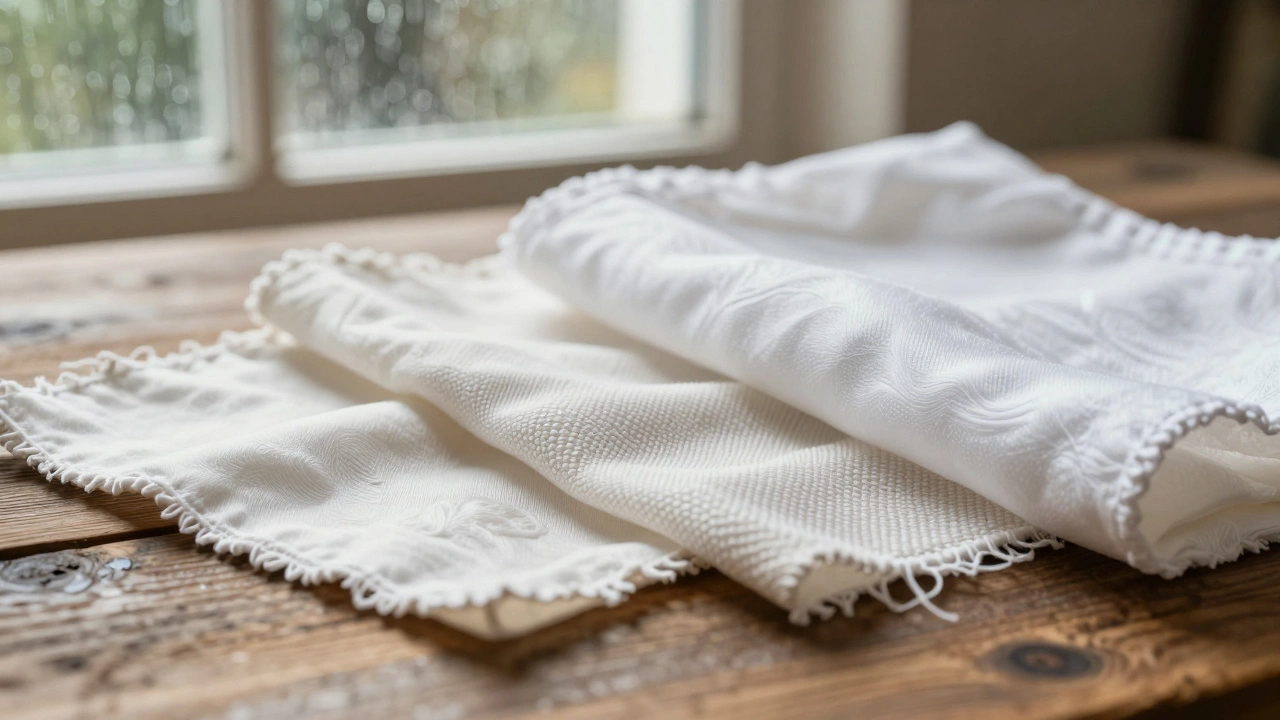
Find Your Perfect Irish Cotton T-Shirt
Recommended Fabric:
Match Score
- Why it fits:
- Irish Context:
- Care Tip:
Walking through the cobblestone streets of Temple Bar or browsing the independent boutiques on Grafton Street, you’ve likely noticed a shift. The days of cheap, scratchy fast fashion are fading among savvy shoppers in Ireland. People here care about how their clothes feel against the skin, especially when the weather turns damp and chilly. But with so many options labeled "100% cotton," how do you know which one actually holds up? If you’re looking to build a wardrobe that survives our unpredictable climate and looks good doing it, understanding the specific types of cotton is your first step.
We aren’t just talking about generic fabric. We’re diving into the differences between Pima, Supima, Egyptian, and Organic cotton. More importantly, we’ll look at how these materials perform in the Irish context-considering local laundry habits, the rise of domestic manufacturing in places like Galway and Cork, and the growing demand for ethical sourcing from brands right here at home.
Understanding the Basics: Not All Cotton Is Created Equal
Cotton is a natural fiber harvested from the cotton plant. It’s breathable, soft, and durable, making it the go-to material for t-shirts worldwide. However, the quality varies drastically based on the length of the staple (the individual fiber). Longer staples mean smoother, stronger threads that don’t pill or fade as quickly. When you buy a shirt in a Dublin department store, check the label. If it just says "cotton," it’s likely standard upland cotton. For better quality, you need to look for specific names.
| Cotton Type | Staple Length | Key Benefit | Best For |
|---|---|---|---|
| Pima | Long | Silky smooth, less pilling | Daily wear, office casuals |
| Supima | Extra Long | Superior strength, color retention | Premium basics, long-term investment |
| Egyptian | Variable | Luxurious feel, high absorbency | Luxury loungewear, sensitive skin |
| Organic | Varies by type | No pesticides, eco-friendly | Eco-conscious buyers, allergy sufferers |
Supima and Pima: The Gold Standards for Durability
If you want a t-shirt that lasts more than a season, Supima is arguably the best choice. Supima stands for Superior Pima. It’s grown exclusively in the United States, but its reputation travels well. The fibers are extra-long, which means they spin into yarns that are incredibly strong and smooth. In Ireland, where we tend to wash clothes frequently due to the damp air and active lifestyles, this durability matters. A Supima shirt resists shrinking and maintains its shape after dozens of wash cycles.
Pima cotton is similar but not all Pima is Supima. True Pima comes from Peru, Argentina, or the US. It offers that same silky hand-feel without the price tag of luxury brands. Many Irish designers now source Pima for their capsule collections because it drapes beautifully over the body, offering a polished look that works well for smart-casual environments in cities like Cork or Limerick.
Egyptian Cotton: Luxury with a Caveat
Egyptian cotton has a legendary status, often associated with high-end hotels and luxury bedding. For t-shirts, it provides an exceptionally soft texture that feels almost weightless. However, there’s a catch: not all shirts labeled "Egyptian" use genuine long-staple fibers. Some manufacturers blend shorter fibers to cut costs. When shopping in Ireland, look for certifications or reputable brands that guarantee the origin. Brands like Ganni or local labels that partner with certified mills ensure you’re getting the real deal. This cotton is perfect if you have sensitive skin or prefer a lightweight layer during milder summer months in the west coast.
Organic Cotton: The Ethical Choice for Irish Consumers
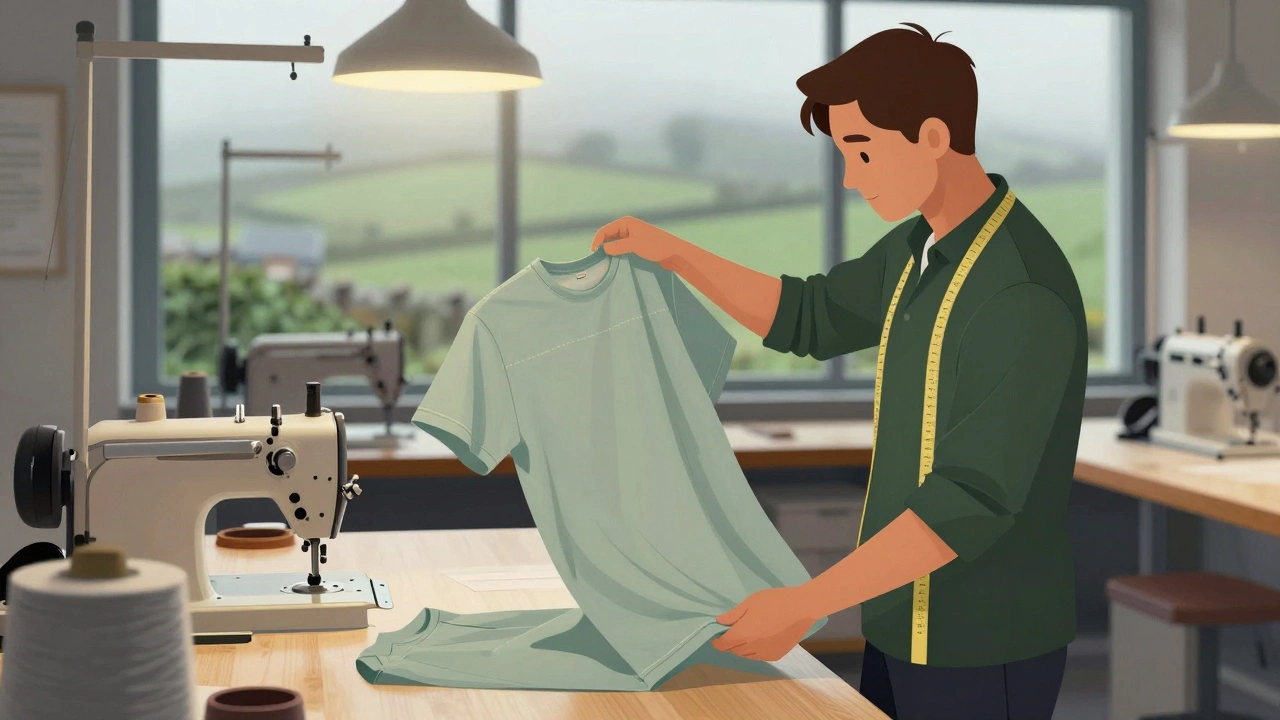
In recent years, the conversation around sustainability has shifted dramatically in Ireland. With initiatives like the National Waste Prevention Programme encouraging responsible consumption, organic cotton has moved from niche to mainstream. Organic cotton is grown without toxic pesticides or synthetic fertilizers. This protects the soil and water sources, which resonates deeply with Irish values tied to land stewardship.
For the wearer, organic cotton is often softer because the fibers aren’t damaged by harsh chemicals. It’s also hypoallergenic, making it ideal for children’s clothing or adults with eczema. In Dublin, you’ll find numerous stores specializing in organic apparel, such as H&M Conscious lines or dedicated boutiques in Smithfield Village. While it may cost slightly more upfront, the environmental impact is significantly lower, aligning with the growing eco-awareness among Irish shoppers.
The Rise of Irish-Made T-Shirts
One of the most exciting trends in the Irish fashion scene is the resurgence of local manufacturing. Companies like McGills and smaller startups in Galway are producing high-quality t-shirts using premium cotton blends. By keeping production local, these brands reduce carbon emissions from shipping and support the Irish economy. They often use heavier weights (180-200 GSM) to combat the cooler breezes common along the Wild Atlantic Way.
Buying locally made doesn’t just mean supporting neighbors; it means better quality control. You can visit showrooms in Derry or Waterford, touch the fabric, and ask questions directly to the makers. This transparency builds trust and ensures you’re investing in a product designed for real life, not just fast-fashion runways.
How to Care for Your Cotton T-Shirts in Ireland
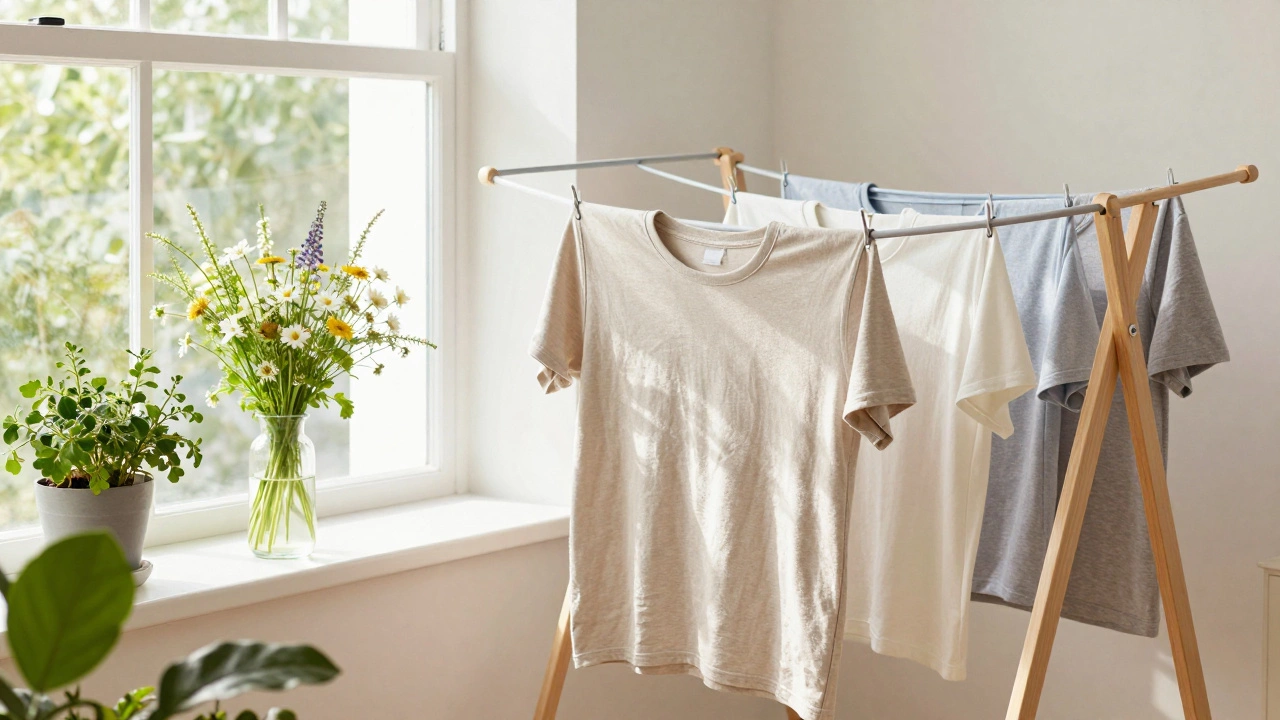
Even the best cotton will degrade if treated poorly. Given Ireland’s hard water in some regions, proper care is essential. Here’s a simple routine:
- Wash Cold: Always wash cotton t-shirts in cold water (30°C max). Hot water causes shrinkage and fades colors faster.
- Air Dry When Possible: Line drying preserves elasticity and reduces energy bills. Hang them out on a sunny day in Kildare or indoors near a radiator in winter.
- Turn Inside Out: This prevents friction on the outer surface, reducing pilling.
- Avoid Fabric Softeners: They coat the fibers, reducing breathability and absorbency over time.
Where to Find High-Quality Cotton in Ireland
Finding the right t-shirt isn’t just about knowing the fabric; it’s about knowing where to look. In Dublin, head to Browns Fashion for curated international brands or explore independent shops on Merrion Row. In Cork, Quay Street hosts several boutiques focusing on sustainable fashion. Online, platforms like Love Home Swap’s sister sites or Irish-specific marketplaces often feature local artisans.
Don’t overlook second-hand options. Charity shops across Ireland, from Belfast to Galway, are treasure troves for vintage high-quality cotton tees. Brands like Levi’s or Ralph Lauren often used superior cotton in older lines, offering great value and unique style.
Conclusion: Investing in Comfort and Style
Choosing the best quality cotton for t-shirts in Ireland is about balancing comfort, durability, and ethics. Whether you opt for the resilience of Supima, the luxury of Egyptian, or the conscience of Organic, each choice reflects your personal values and lifestyle. As Irish consumers become more discerning, the market responds with higher standards and more transparent practices. So next time you’re shopping, read the label, feel the fabric, and invest in pieces that last beyond the season.
What is the difference between Pima and Supima cotton?
Pima is a type of long-staple cotton grown in various countries. Supima is a certified brand of American-grown Pima cotton, ensuring higher quality standards and traceability. All Supima is Pima, but not all Pima is Supima.
Is organic cotton softer than regular cotton?
Often, yes. Because organic cotton is processed without harsh chemicals, the fibers remain intact and softer. Additionally, many organic brands prioritize high-quality long-staple varieties to enhance comfort.
Where can I buy Irish-made t-shirts?
Look for brands like McGills, local designers in Galway and Cork, or online marketplaces featuring Irish artisans. Visiting physical stores in Dublin’s Smithfield or Cork’s English Market area can also yield hidden gems.
How do I prevent my cotton t-shirts from shrinking?
Wash in cold water, avoid high heat in dryers, and air dry whenever possible. Turning the shirt inside out before washing also helps maintain its shape and size.
Why is Egyptian cotton sometimes considered risky?
The term "Egyptian cotton" is not strictly regulated, allowing some manufacturers to use lower-quality short-staple cotton while still using the label. Look for certifications or buy from trusted retailers to ensure authenticity.