Irish Summer Outfit Builder
Select the current weather condition to see recommended clothing combinations.
Sunny & Warm
18°C+, Bright Sun
Windy & Cool
15°C, Breezy Coast
Rainy & Damp
Shower Alert
Outfit Recommendation: Sunny Day Explorer
Base Layer
Linen Dress or Top
Breathable and quick-drying. Opt for midi length to prevent wind issues.
Footwear
Strappy Sandals
Secure fit for dry days. Avoid open toes if walking on rough gravel.
Accessories
Sunglasses & Hat
Polarized lenses reduce glare. Use a chin strap on your hat!
Extra
Crossbody Bag
Keep hands free. Ensure water-resistant material just in case.
Base Layer
Cotton Poplin Shirt
Tight weave holds shape better than flimsy voile in strong winds.
Mid Layer
Denim Jacket
Adds structure and protects against light drizzle and chill.
Footwear
Leather Loafers
Stylish and provides some protection against splashes.
Accessories
Fedora or Cap
Fedora sits lower; caps are more secure. No wide brims without straps!
Base Layer
Tencel or Lyocell
Durable, eco-friendly, resists odors after hiking in dampness.
Outer Layer
Packable Waterproof Shell
Thin, hooded jacket that folds into its own pocket. Essential.
Footwear
Clean White Sneakers
Handles rain, long walks, and cobblestones with ease. No heels!
Accessories
No-Show Socks
Prevents blisters and absorbs sweat inside sneakers.
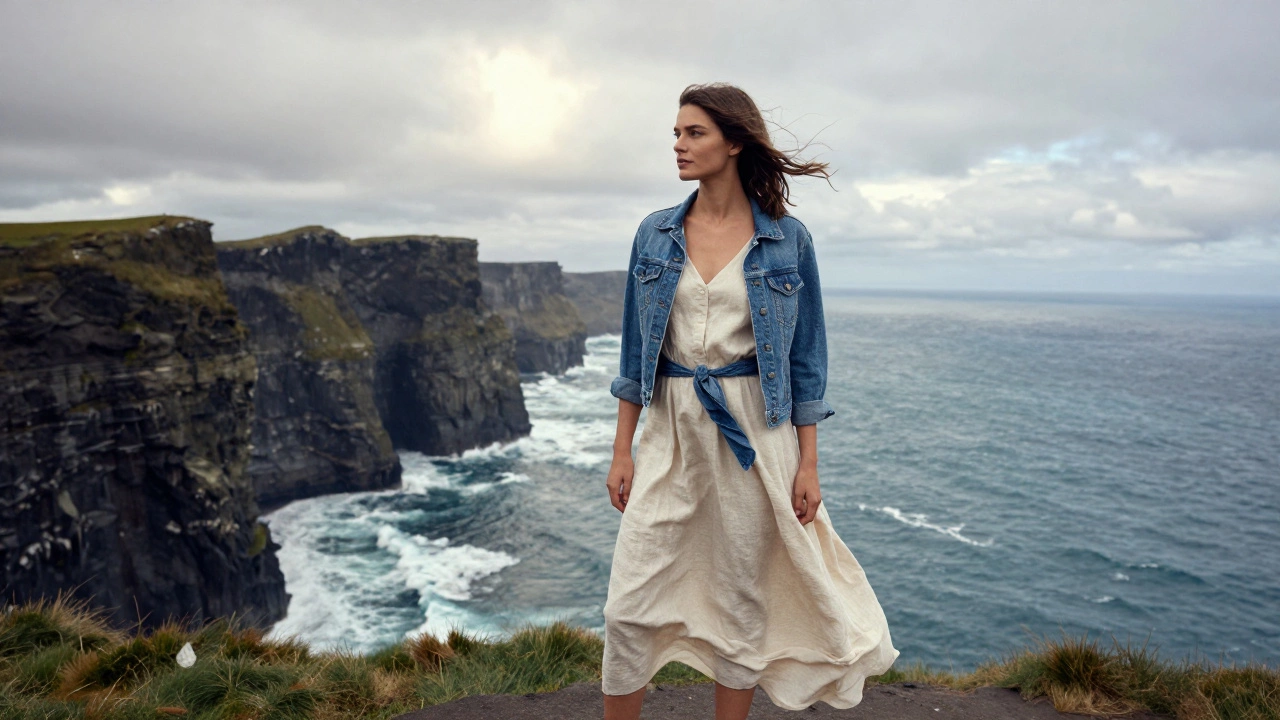
Let’s be honest about summer in Ireland. It is not a tropical vacation. You won’t find yourself sweating through a polyester gown at a beach club in Dublin. Instead, you are likely standing on the Cliffs of Moher with a wind that feels like it came straight from the Arctic, or sitting in a pub in Galway while a sudden shower turns the cobblestones slick. If you want to look good and stay comfortable during those precious few months when the sun actually shines, you need a strategy. The secret isn't just picking a pretty dress; it is mastering the art of the unpredictable Irish climate.
The Reality of an Irish Summer
To dress correctly, you first have to accept the weather. An Irish summer is defined by its variability. One minute, you are baking in the midday sun at Temple Bar, and ten minutes later, you are dodging hailstones on Grafton Street. The temperature might hover around 18°C to 22°C (64°F to 72°F), which sounds perfect, but add a breeze coming off the Atlantic, and it feels much cooler. Humidity is also a factor, especially in coastal towns like Dún Laoghaire or Kinsale. This means heavy fabrics will cling to you, making you feel sticky and uncomfortable. Your wardrobe needs to breathe as much as you do.
Most people make the mistake of dressing for the 'high' temperature they see on the forecast app. They wear thin cotton that offers zero protection against the wind. When the wind picks up-and it always does-you end up shivering under a cafe umbrella. The goal is versatility. You need outfits that can handle a sunny walk along the Liffey and a chilly evening at a festival in Wexford without requiring a complete change of clothes.
Fabric Choices That Actually Work
If you are shopping for summer dresses that are suitable for the damp, breezy conditions of Ireland, fabric is your best friend. Avoid synthetic materials like polyester or nylon unless they are specifically designed for moisture-wicking sportswear. These traps heat and sweat, leading to that unpleasant clammy feeling after twenty minutes outdoors.
- Linen: This is the gold standard for Irish summers. Linen is naturally breathable and dries incredibly fast. If you get caught in a sudden downpour near the Guinness Storehouse, a linen dress will dry in the shade before you even finish your pint. It wrinkles easily, yes, but that’s part of the charm. It looks relaxed and effortless, which fits the Irish aesthetic perfectly.
- Cotton Poplin: Look for tight-weave cotton poplin rather than flimsy voile. Poplin holds its shape better in the wind and provides a bit more structure. It is soft, breathable, and easy to wash if you spill coffee on it during a morning commute on the Luas.
- Tencel or Lyocell: These are semi-synthetic fibers made from wood pulp. They feel like silk but are durable and eco-friendly. Brands like Boden or local Irish designers often use these blends. They drape beautifully and resist odors, which is handy if you are spending the day hiking the Wicklow Mountains.
Avoid heavy silks or thick wools. Silk is too delicate for rough outdoor adventures and takes forever to dry. Wool is for winter. Stick to natural fibers that allow air circulation. This keeps you cool when the sun is out and prevents overheating when you are walking briskly to catch a train at Heuston Station.
The Layering Strategy: Your Best Defense
Layering is not just for autumn. In Ireland, it is a survival skill. The key is to wear layers that are easy to remove and carry. Think of your outfit as an onion. The base layer is your dress or top. The middle layer is for warmth. The outer layer is for wind and rain protection.
Start with a sleeveless or short-sleeved summer dress in a midi length. Midi lengths are practical because they don’t fly up in the wind like mini skirts, and they cover your knees when you are sitting on cold stone benches in parks like St. Stephen’s Green. Pair this with a lightweight cardigan or a denim jacket. A denim jacket is versatile; it adds structure and protects against light drizzle. Keep it tucked into your bag or tied around your waist when you are warm.
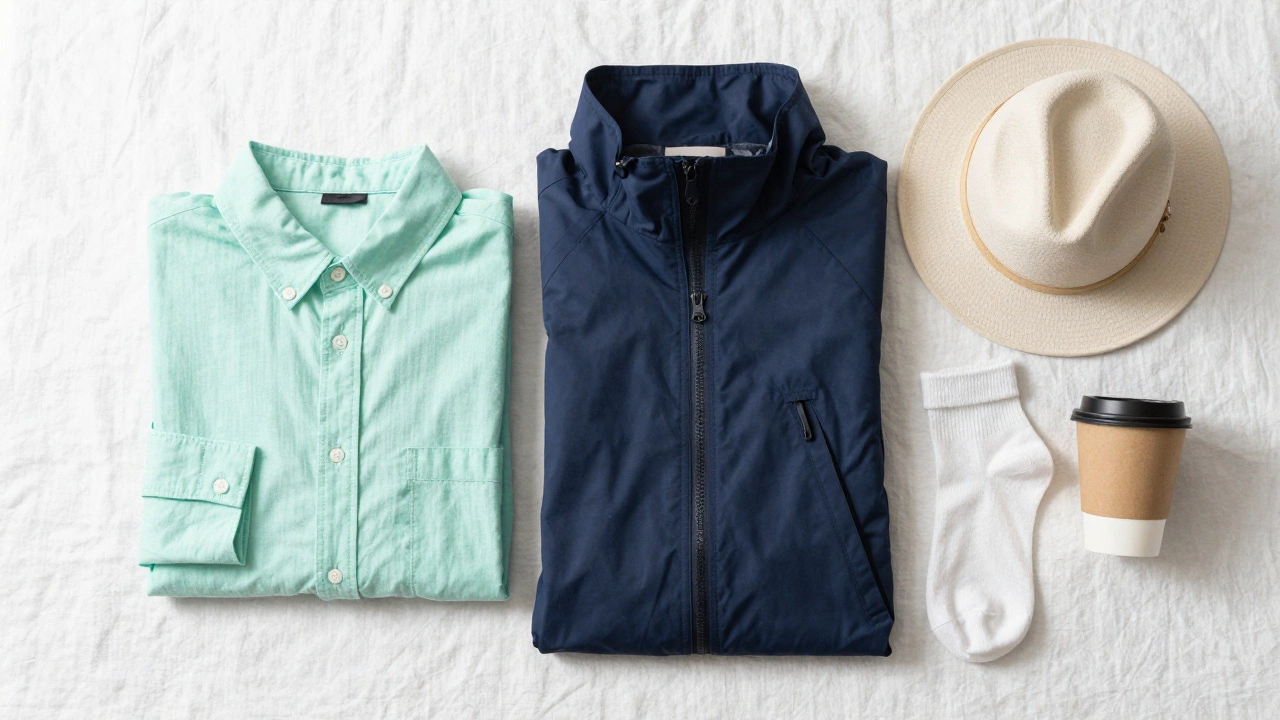
For the outer layer, invest in a packable waterproof shell. Not a bulky winter coat, but a thin, hooded rain jacket that folds into its own pocket. Irish rain is persistent but rarely torrential. A simple shell keeps you dry without making you look like you are going mountaineering. Brands like Barbour offer classic waxed jackets, but for pure summer utility, a modern technical shell from a brand like Patagonia or even a high-street option from Uniqlo works well. Always check the waterproof rating if you plan to spend time in rural areas where shelter is scarce.
Footwear: Forget High Heels
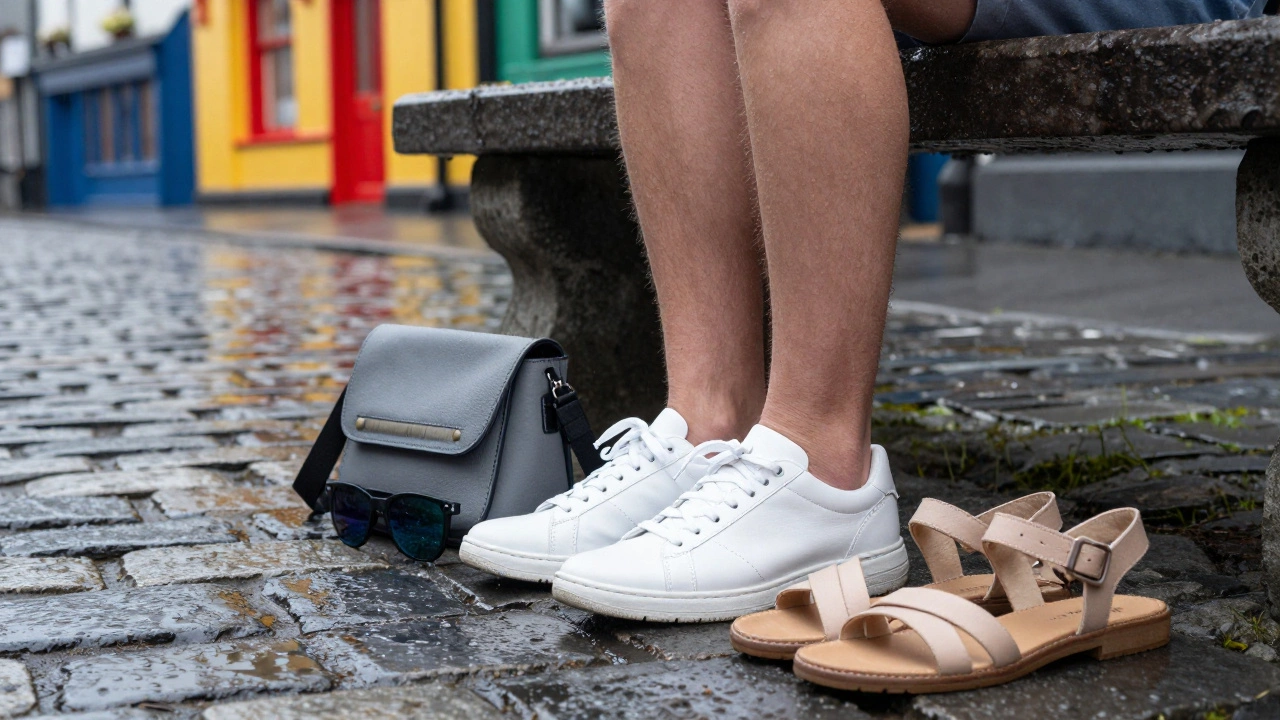
This is non-negotiable. Do not wear stilettos in Ireland. The ground here is uneven. Cobblestones in cities like Cork and Limerick are slippery when wet. Gravel paths in the countryside are unstable. High heels will sink into mud, twist your ankle, or simply break. Opt for flat sandals with straps, leather loafers, or clean white sneakers.
Strappy sandals are great for dry days, but ensure they have a secure fit so they don’t fall off when you are running for a bus. Leather loafers are stylish and provide some protection against splashes. Sneakers are the ultimate practical choice. They handle rain, long walks, and casual dinners with equal ease. If you must wear something dressier, choose block heels or wedges that distribute weight evenly and grip the ground better.
Accessories That Serve a Purpose
Accessories in Ireland should be functional as well as fashionable. A wide-brimmed hat is excellent for sun protection, but it can be a nightmare in the wind. If you wear one, make sure it has a chin strap or choose a fedora style that sits lower on the head. Alternatively, a baseball cap is more secure and equally effective for keeping the sun out of your eyes.
Sunglasses are essential. The UV index can be surprisingly high in Ireland, even on cloudy days. Clouds reflect UV rays, so you can still get sunburned. Polarized lenses help reduce glare from wet surfaces and water, making them ideal for coastal drives or trips to lakes like Lough Derg.
A small crossbody bag is smarter than a large tote. It keeps your hands free and secures your belongings when you are crowded on public transport or navigating busy festivals like the Feile na hÉireann in Galway. Choose water-resistant material to protect your phone and wallet from unexpected sprays.
Where to Shop for Irish-Ready Styles
You don’t need to go far to find clothes that suit the climate. Dublin has a vibrant retail scene. Areas like Smithfield and the Docklands offer a mix of international brands and local designers. For affordable basics, stores like H&M and Zara have good selections of linen and cotton mixes. However, quality varies, so check the labels carefully.
Supporting local Irish fashion is rewarding. Designers like Derek Fabian or Mairead O'Neill create pieces that are both stylish and suited to the environment. Their collections often feature durable fabrics and timeless cuts that last beyond a single season. You can find these brands in boutiques across Dublin, Cork, and Galway. Online retailers like ASOS also filter by fabric type, making it easier to find breathable options from home.
Color and Pattern Considerations
Light colors reflect heat, which is beneficial on sunny days. Whites, creams, and pastels keep you cooler. However, consider the context. If you are visiting historic sites or attending formal events, darker shades or subtle patterns might be more appropriate. Prints are popular in summer, but avoid overly bright neon colors that can clash with the natural greens and blues of the Irish landscape. Earth tones, floral prints, and stripes tend to blend well with the surroundings and photograph nicely.
Don’t forget about socks. Even in summer, wearing no-show socks with sandals or loafers prevents blisters and absorbs sweat. It’s a small detail that makes a big difference in comfort during long days of exploration.
What is the best fabric for an Irish summer?
Linen is the best fabric due to its breathability and quick-drying properties. Cotton poplin and Tencel are also excellent choices for staying comfortable in variable temperatures and humidity.
Should I bring a raincoat for summer in Ireland?
Yes, a lightweight, packable waterproof shell is essential. Irish summers are unpredictable, and rain can occur at any time. A thin shell protects against wind and drizzle without adding bulk.
Are high heels suitable for walking in Dublin?
No, high heels are not recommended. The cobblestone streets are uneven and slippery when wet. Opt for flat sandals, loafers, or sturdy sneakers for safety and comfort.
How many layers should I wear in summer?
Aim for three layers: a breathable base layer (like a linen dress), a mid-layer for warmth (like a cardigan), and an outer layer for weather protection (like a rain jacket). This allows you to adjust to changing conditions throughout the day.
Where can I buy quality summer dresses in Ireland?
You can find quality options at local Irish designers like Derek Fabian, as well as international retailers like Boden and Uniqlo in major cities such as Dublin, Cork, and Galway. Online platforms like ASOS also offer a wide range of breathable fabrics.