Sportswear vs Activewear Selector
Not sure what to wear? Answer these three quick questions to find out if you need high-performance Sportswear or comfortable Activewear.
Your Match
Key Features
Irish Use Case
You’re standing in a Decathlon or walking through the sports section of Arnotts in Dublin, staring at two nearly identical-looking tracksuits. One tag says "Performance Sportswear," the other says "Everyday Activewear." The price is similar. The fabric feels the same. So, what gives? You aren't alone in this confusion. In the Irish market, where we love our GAA matches just as much as our Sunday morning walks along the Salthill promenade, knowing the difference between these two categories can save you money and keep you comfortable.
The core distinction isn’t about style-it’s about function. Sportswear is engineered for high-intensity athletic performance, focusing on moisture management, durability, and specific movement support. Activewear, on the other hand, is designed for low-impact activities and casual lifestyle wear, prioritizing comfort, softness, and aesthetic versatility. Think of it this way: if you’re running the Dublin Marathon, you need sportswear. If you’re heading to a yoga class followed by brunch in Ranelagh, activewear is your best friend.
The Engineering Behind Sportswear
Sportswear is built to survive abuse. It’s made for athletes who push their bodies to the limit. When you look at brands like Nike or Adidas lines labeled "Pro" or "Elite," you’re looking at technical fabrics. These materials use synthetic fibers like polyester and nylon treated with moisture-wicking technology. This pulls sweat away from your skin to the outer layer of the fabric, where it evaporates quickly. In Ireland’s humid climate, especially during those damp winters when you’re training indoors, this feature is non-negotiable. Wet cotton clothes stick to you and make you cold; technical sportswear keeps you dry.
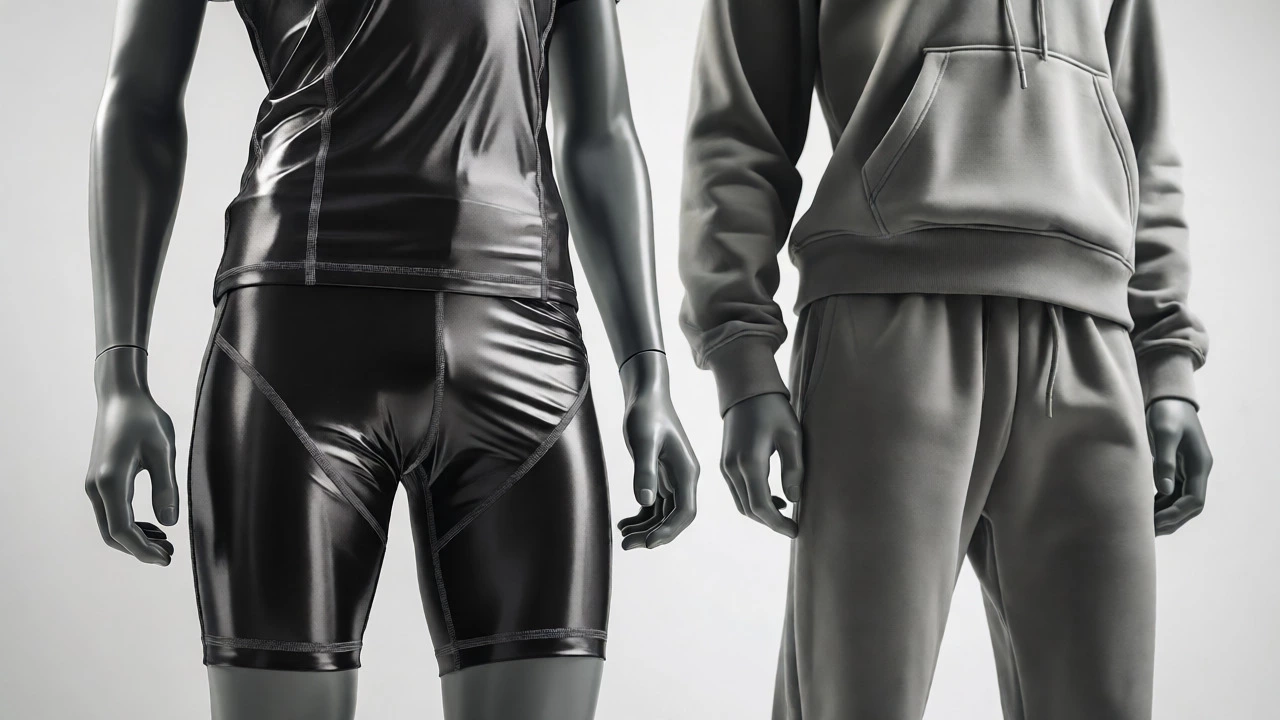
Fit is another major differentiator. Sportswear features ergonomic cuts that follow the body’s kinetic chains. For example, compression shorts used by Gaelic football players in Croke Park are tight not just to look good, but to improve blood flow and reduce muscle vibration during sprints. Seams are often flat-locked to prevent chafing during repetitive motions. If you’ve ever tried to run five kilometers in loose-fitting jeans, you know the pain of friction. Sportswear eliminates that problem entirely.
The Comfort Factor in Activewear
Activewear bridges the gap between the gym and the sofa. It’s softer, often incorporating natural fibers like cotton or modal blends alongside synthetics. The goal here is tactile pleasure. You want fabric that feels good against your skin because you might be wearing it for eight hours straight-working from home in Galway, doing light stretching, or picking up groceries. Brands like Lululemon have mastered this niche, creating leggings that feel like butter but still offer enough stretch for a Pilates session.
Because activewear isn’t designed for extreme exertion, the construction is less rigid. You’ll find more relaxed fits, stylish color palettes, and details like pockets for phones or keys. It’s versatile. You can wear a pair of high-quality activewear joggers to a casual meeting in Cork without looking underdressed, whereas full-on compression gear might raise eyebrows outside the changing room. The focus shifts from "performance metrics" to "lifestyle integration."
Fabric Technology: A Side-by-Side Look
To really understand the difference, let’s break down the materials. This table highlights the key attributes of each category:
| Attribute | Sportswear | Activewear |
|---|---|---|
| Primary Fabric | 100% Synthetic (Polyester, Nylon, Elastane) | Blends (Cotton/Poly, Modal, Bamboo) |
| Moisture Wicking | High (Quick-dry technology) | Moderate to Low (Absorbs some sweat) |
| Durability | High (Abrasion-resistant) | Moderate (Softens over time) |
| Best For | Running, HIIT, Team Sports | Yoga, Walking, Lounging |
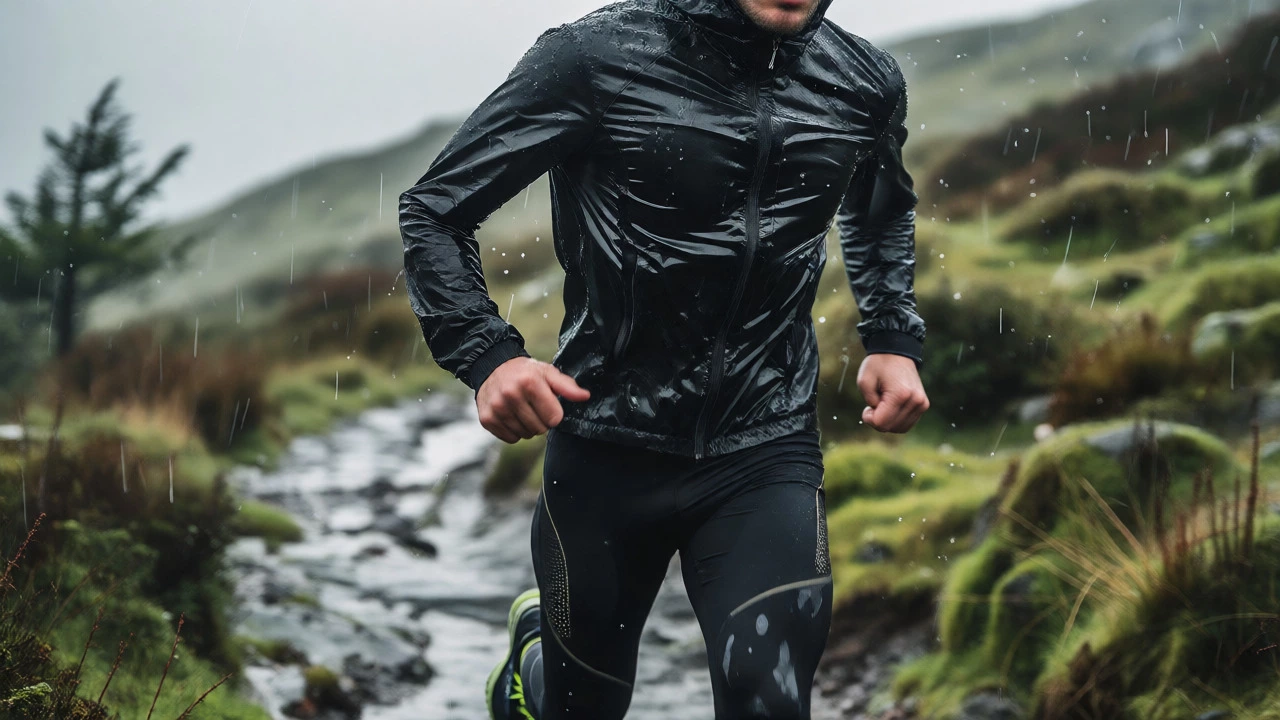
| Ideal Irish Use Case | Rainy day trail runs in Wicklow | Coffee dates in Temple Bar |
Notice the last row. In Ireland, weather dictates clothing choices heavily. If you’re planning a hike up Croagh Patrick, you need sportswear that handles rain and mud. If you’re enjoying a sunny afternoon in Phoenix Park, activewear provides the breathability and comfort needed for leisure.
When to Choose Which?
Here’s a simple rule of thumb: match the garment to the intensity of the activity. If your heart rate goes above 120 beats per minute, reach for sportswear. The moisture management will prevent hypothermia once you stop moving-a real risk in our temperate maritime climate. If you’re sweating lightly or not at all, activewear is sufficient and far more comfortable.
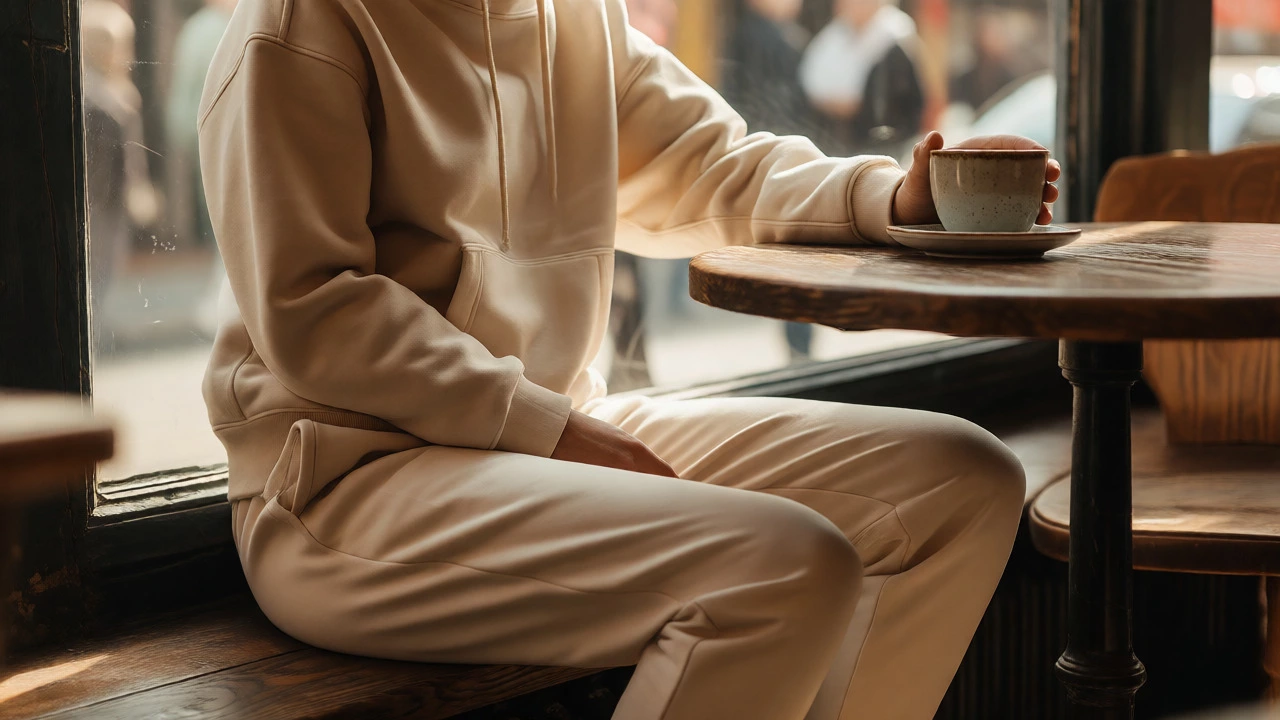
Consider the social context too. Irish culture values practicality but also appreciates looking put-together. Wearing full compression tights to a pub quiz might be too much. However, smart activewear-like tailored joggers or structured hoodies-fits seamlessly into the modern Irish wardrobe. Many people in cities like Limerick or Belfast blend these categories, wearing high-end activewear for work-from-home days and switching to dedicated sportswear for weekend matches.
Budgeting for Your Wardrobe
One common mistake is buying cheap "sportswear" for intense workouts. Budget brands often skip the expensive wicking treatments, leaving you with plastic-feeling polyester that traps heat. Conversely, buying premium activewear for heavy lifting is wasteful; you’ll wear out the soft fibers quickly. Allocate your budget wisely. Invest in quality sportswear for your primary sport. Buy mid-range activewear for daily wear. Check sales at local retailers like Penneys or online platforms offering delivery across Ireland to get the best value.
Can I wear activewear for running?
For short, easy jogs, yes. But for long-distance running or interval training, sportswear is better. Activewear tends to absorb sweat rather than wick it away, which can lead to chafing and discomfort after 30 minutes of continuous movement, especially in humid conditions.
Is sportswear suitable for everyday wear?
It can be, but it might feel restrictive. Sportswear is often tight and made of slick synthetic materials that don't breathe as well as natural fiber blends when you're stationary. It’s great for errands, but may feel uncomfortable for sitting at a desk all day compared to softer activewear.
How do I wash technical sportswear?
Use cold water and avoid fabric softeners. Softeners clog the microscopic pores in moisture-wicking fabrics, reducing their effectiveness. Air drying is preferred over tumble drying to preserve elasticity and prevent heat damage to synthetic fibers.
Are there Irish brands specializing in this area?
Yes. While global giants dominate, several Irish startups focus on sustainable activewear using recycled ocean plastics. Brands like Pact (available locally) or smaller eco-conscious labels from Galway and Dublin are gaining traction for blending ethical production with functional design.
Does the price reflect the difference?
Generally, high-performance sportswear costs more due to advanced textile engineering and testing. Premium activewear can also be expensive due to brand positioning and fabric softness. However, mid-tier options often provide excellent value for general fitness needs without the elite-level markup.