Irish Footwear Health & Comfort Calculator
Answer a few questions about your living situation and foot health to get a personalized recommendation.
Your Score: 50/100
Recommendation:
Loading...
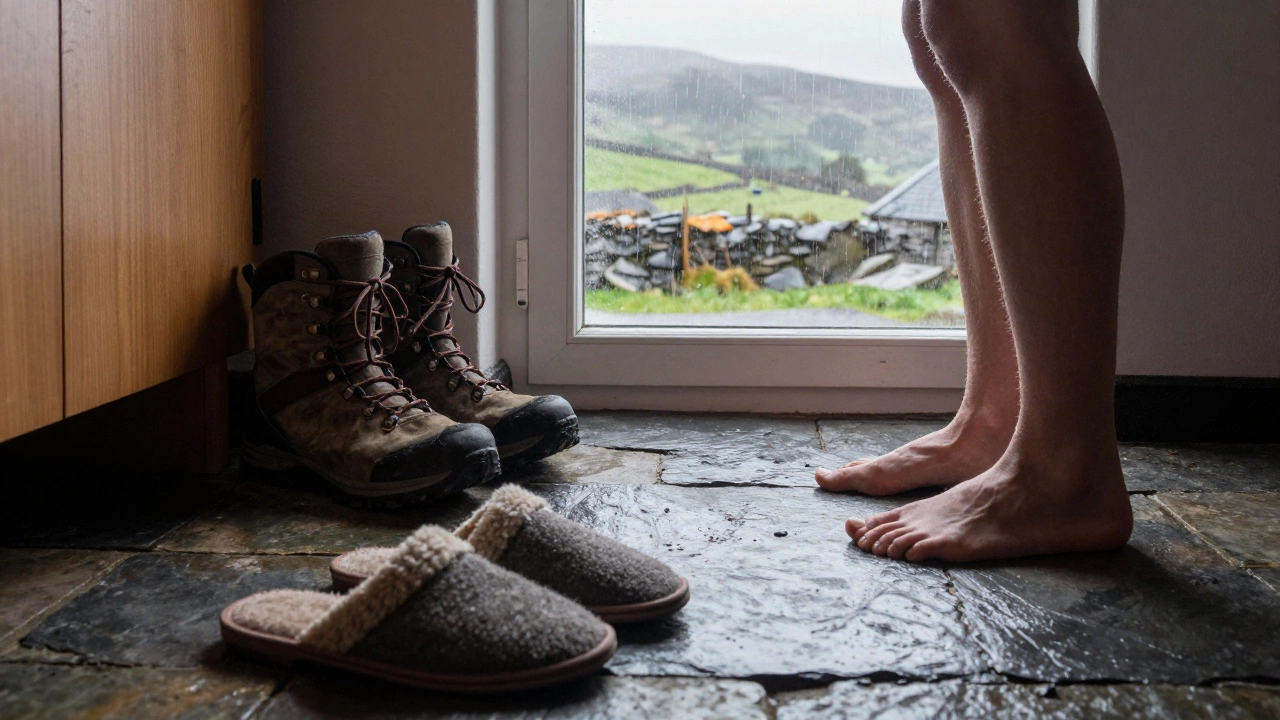
There is a distinct feeling to coming inside after a brisk walk along the Galway Bay promenade or trudging through the wetlands of the Burren. You kick off your boots, and suddenly the question arises: do you leave your feet completely bare on the floorboards, or do you slip into those well-worn house shoes? In Ireland, where the weather can shift from sunny spells to driving rain in minutes, our relationship with indoor comfort is unique. We spend significant time indoors during the colder months, making this decision about more than just habit-it’s about long-term foot health.
I have spent years observing how we treat our feet here in the West of Ireland. The debate between walking barefoot and wearing slippers isn't just a matter of personal preference; it involves biomechanics, temperature regulation, and hygiene. Let’s break down what actually happens to your feet when you choose one over the other, keeping the Irish climate and lifestyle in mind.
The Case for Going Barefoot Indoors
Proponents of barefoot living argue that it allows the foot to function as nature intended. When you walk without shoes, your intrinsic muscles-the small muscles within the foot itself-have to work harder to stabilize your arches and absorb shock. This can lead to stronger ankles and better balance over time.
In an Irish context, however, there are specific downsides. Our homes often feature hard surfaces like polished concrete, slate, or hardwood floors. While these look stunning in a renovated cottage in Connemara, they offer zero cushioning. Walking barefoot on these surfaces for extended periods can lead to increased pressure on the heel and ball of the foot. If you suffer from plantar fasciitis-a common complaint among active residents who hike the Twelve Bens-you might find that barefoot walking exacerbates the inflammation rather than soothing it.
Furthermore, consider the temperature. Even in summer, stone-flagged kitchens can be surprisingly cold. Prolonged exposure to cold floors can cause vasoconstriction, reducing blood flow to the extremities. For older adults, particularly those managing arthritis, this drop in temperature can stiffen joints and increase pain.
- Pros: Strengthens intrinsic foot muscles, improves proprioception (body awareness), and allows toes to splay naturally.
- Cons: Risk of injury from dropped objects, lack of support on hard Irish flooring, potential for cold-related joint stiffness, and hygiene concerns if pets are present.
The Benefits of Wearing Slippers
Slippers provide a protective barrier between your skin and the environment. But not all slippers are created equal. The difference between a cheap, flat sole pair bought at a discount store and a supportive orthotic-friendly slipper is night and day.
Here in Ireland, brands like Clarks and local cobbler-made options often prioritize durability and comfort. A good slipper should have a firm heel counter to prevent the foot from sliding forward, which can cause blisters and alter your gait. If you have diabetes, neuropathy, or simply poor circulation, keeping your feet warm is non-negotiable. Cold feet can trigger flare-ups in conditions like Raynaud's phenomenon, which is more prevalent in cooler climates.
Hygiene is another major factor. Irish homes often welcome muddy boots from gardeners, hikers, or children returning from school. Walking barefoot means your feet are directly exposed to whatever bacteria, fungi, or dirt has been tracked in. Slippers act as a shield. Additionally, if you share your home with cats or dogs, their claws can easily scratch bare skin, leading to infections.
- Pros: Protects against cold floors, shields from debris and pet claws, provides arch support, reduces impact on joints.
- Cons: Poorly fitted slippers can weaken foot muscles over time, some materials trap moisture leading to fungal infections, and loose slippers can be a tripping hazard.
Comparing the Options: A Practical Guide
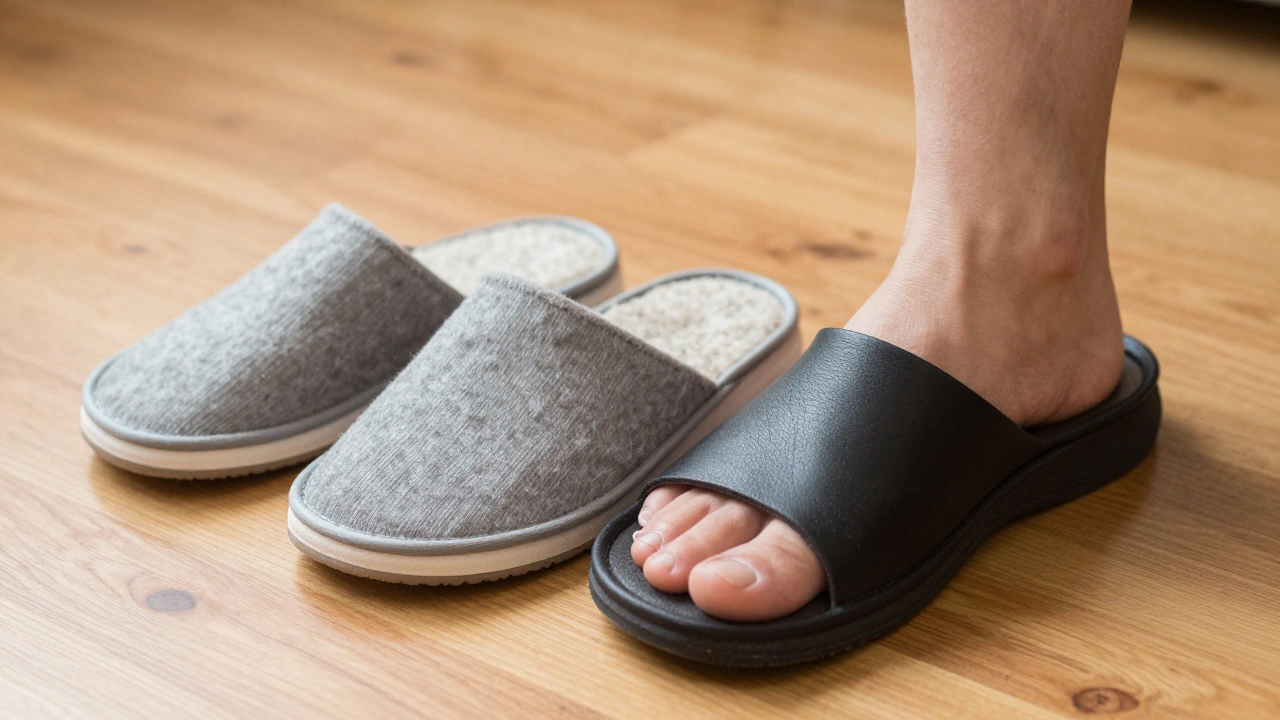
To help you decide, let’s look at how these two approaches stack up against each other in key areas relevant to daily life in Ireland.
| Factor | Barefoot | With Slippers |
|---|---|---|
| Temperature Regulation | Poor on stone/tile floors | Excellent, especially with wool or thermal lining |
| Muscle Engagement | High (strengthens arches) | Low to Moderate (depends on slipper design) |
| Injury Protection | None (risk of cuts/steps) | High (cushioning and coverage) |
| Hygiene | Direct contact with floor germs | Barrier against dirt and allergens |
| Joint Impact | Higher impact on hard surfaces | Reduced impact with proper sole thickness |
Choosing the Right Slipper for Your Needs
If you decide that slippers are the better option-and for most people in Ireland, they are-not every pair will serve you well. Here is what to look for:
- Sole Thickness: Avoid thin, flexible soles that bend too easily. You want a rigid enough sole to protect your heel from the hard floor but flexible enough at the ball of the foot for natural movement.
- Arch Support: Look for contoured footbeds. Flat slippers force your arches to collapse, which can lead to fatigue and pain. Brands like Vionic or Oofos offer recovery-focused designs that are gaining popularity here.
- Material: Natural fibers like wool or leather breathe better than synthetic plastics. This is crucial in humid Irish weather to prevent sweaty feet and fungal issues like athlete’s foot.
- Fit: Slippers should fit snugly but not tightly. If your heel slips out, you’re walking on your tiptoes, which strains your calves and Achilles tendon.
When Barefoot Might Be Better
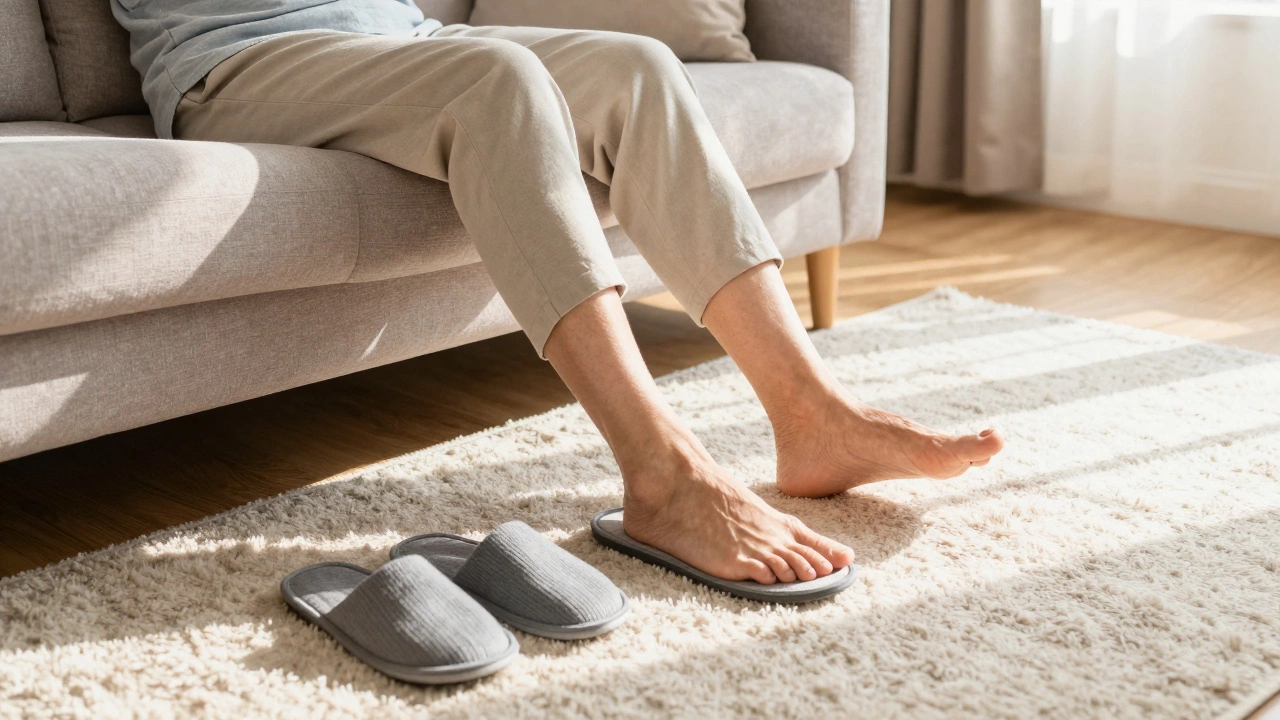
There are scenarios where going barefoot is genuinely beneficial. If you live in a home with thick carpeting or soft rugs, the risk of impact injury is lower. Additionally, if you have recently worn tight, restrictive shoes for work, giving your toes room to spread out can relieve tension.
Some physiotherapists recommend short periods of barefoot time to strengthen weak feet, but only on safe, clean surfaces. Think of it as exercise for your feet, not a default state. For example, spending ten minutes balancing on one leg barefoot can improve stability, but doing so on a slick kitchen tile near the sink is a recipe for disaster.
The Hybrid Approach: Best of Both Worlds
You don’t necessarily have to choose one extreme. Many people adopt a hybrid approach. Wear supportive slippers when moving around the house, cooking, or cleaning. Then, take them off when sitting on the sofa or bed to allow your feet to relax and stretch. This balances protection with muscle engagement.
Also, consider seasonal changes. In the height of summer, when the sun beats down on the roof tiles and the house warms up, barefoot walking might feel more comfortable. In winter, when the damp chill seeps into the walls, prioritizing warmth and support becomes essential.
Is it bad to wear slippers all the time?
Wearing slippers constantly isn't inherently bad if they are supportive and well-fitted. However, relying solely on loose, unsupportive slippers can weaken foot muscles over time. It is healthier to alternate between supportive footwear and short periods of barefoot stretching to maintain muscle strength and flexibility.
Why do my feet hurt when I walk barefoot on hard floors?
Hard floors like stone or wood do not absorb shock. When you walk barefoot, the impact forces travel directly up through your heels, knees, and hips. Over time, this can strain the plantar fascia and inflame joints, especially if you have flat feet or high arches.
What type of slippers are best for Irish winters?
For Irish winters, look for slippers made from natural insulating materials like wool, shearling, or felt. Ensure they have a sturdy rubber or EVA sole to block out the cold from the floor. Enclosed toe designs are preferable to keep warmth in and drafts out.
Can walking barefoot improve my posture?
Yes, to an extent. Barefoot walking encourages a more natural gait and strengthens the stabilizing muscles in your feet and ankles. Stronger feet can lead to better alignment up the kinetic chain, potentially improving knee and hip posture. However, this requires gradual adaptation and should be done on safe surfaces.
Are barefoot slippers different from regular slippers?
Yes. Barefoot slippers are designed with a wide toe box and a very thin, flexible sole to mimic the sensation of being barefoot while still providing protection from dirt and minor impacts. Regular slippers often have thicker, less flexible soles and narrower toe boxes that restrict natural foot movement.