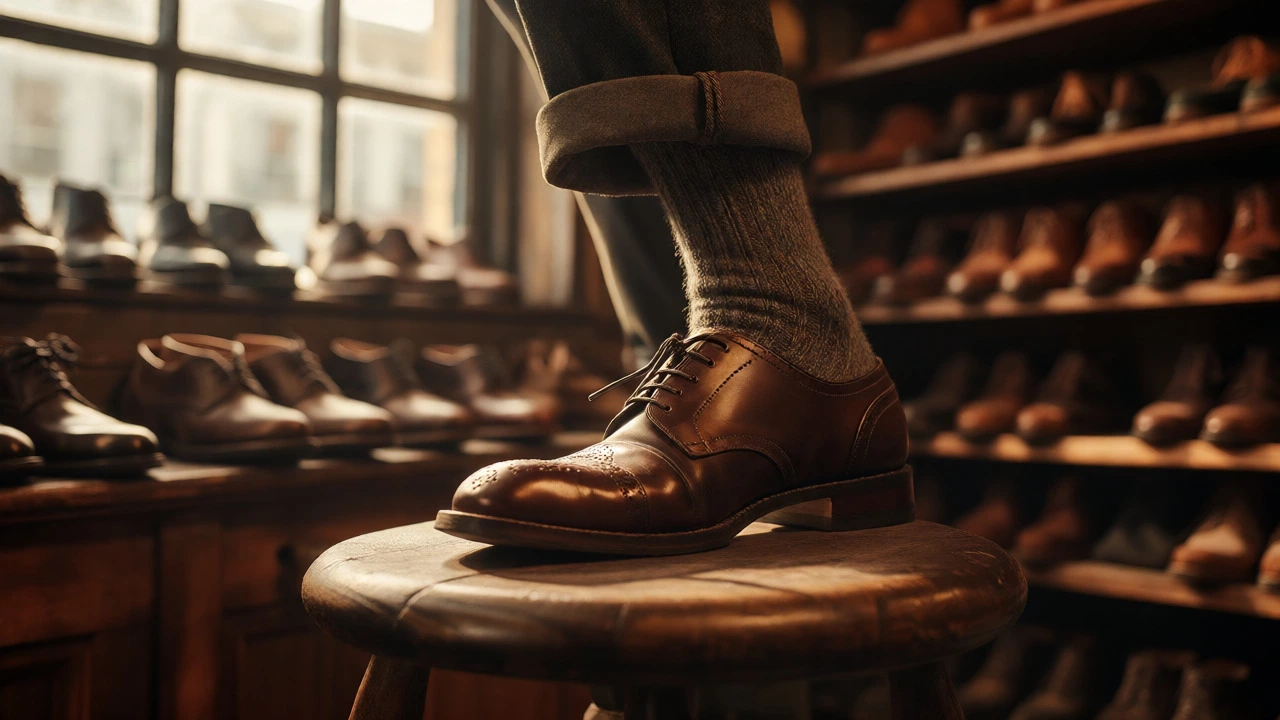
Irish Leather Shoe Fit Checker
You’re standing in a shop on Henry Street in Dublin or browsing the aisles of a local cobbler in Galway, trying on a pair of handsome leather shoes. You wiggle your toes. They bump against the front. Is that okay? Or should there be a gap? This is one of the most common questions people ask when buying quality footwear in Ireland, especially given our wet weather and the need for shoes that last through both city commutes and weekend hikes in Connemara.
The short answer is no. Your toes should not touch the end of your leather shoes when you are standing still or walking normally. If they do, you are likely wearing shoes that are too short, which can lead to pain, damaged toenails, and accelerated wear on the leather upper. But the reality is more nuanced than just "leave a thumb's width." Let’s break down exactly how your feet should feel inside high-quality leather boots or brogues, tailored specifically for the way we live and walk here in Ireland.
The Goldilocks Rule: Why Toe Room Matters
Think of your foot as a living mechanism, not a static block. When you walk, your foot lengthens. It spreads out slightly upon impact with the ground. If your toes are pressed hard against the toe box of your leather shoes, a type of footwear made from animal hide known for durability and breathability, you restrict this natural movement. In Ireland, where we often wear thicker wool socks during the colder months from October through March, this restriction becomes even more problematic.
When your toes hit the front, two bad things happen immediately:
- Pain and Injury: Constant pressure causes bruising under the nail bed (subungual hematoma) and can lead to ingrown toenails. For those of us who spend long days on our feet, whether working in retail in Cork or navigating the uneven cobblestones of Temple Bar, this pain accumulates quickly.
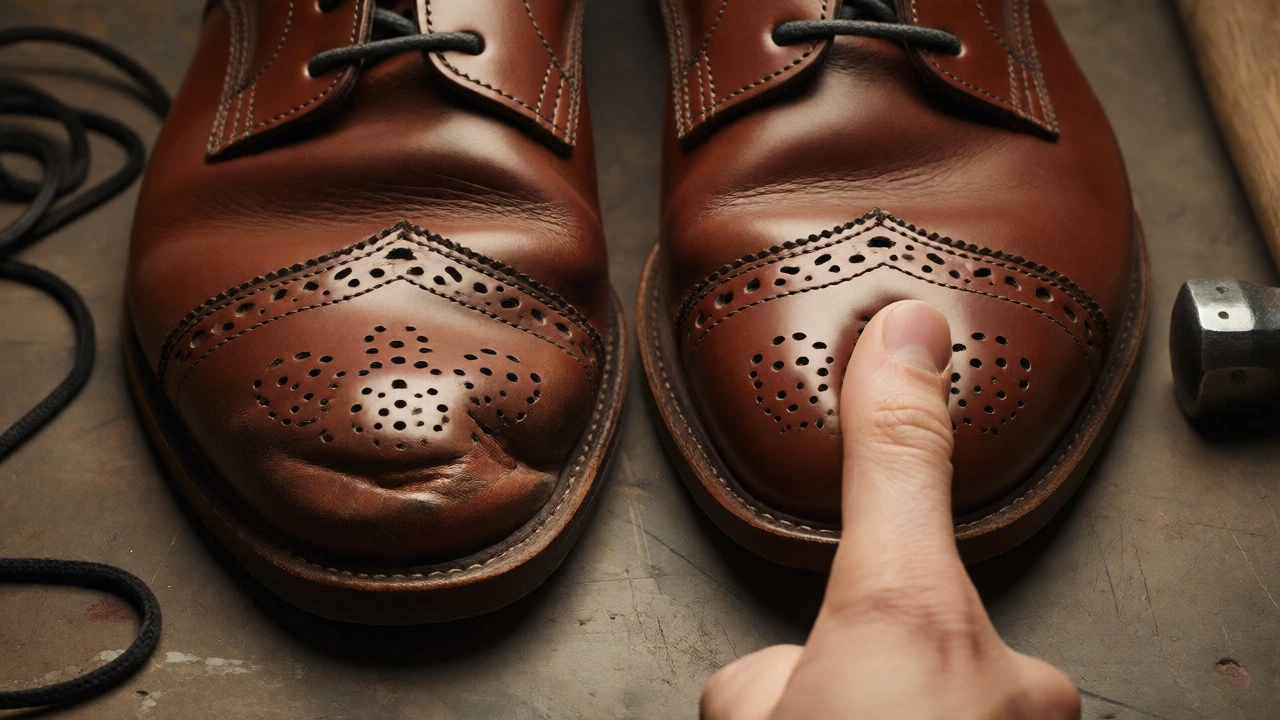
- Shoe Damage: Leather stretches, but it doesn't stretch evenly if forced. If your big toe is jamming into the tip, the leather will bulge permanently at that point. Once that structure is compromised, the shoe loses its elegant silhouette and looks worn out long before the sole does.
Ideal fit means your longest toe-often the second toe, not always the big one-should sit about half an inch (roughly 1.3 cm) from the end of the shoe. That’s roughly the width of your thumb. This gap allows your foot to slide forward slightly without crashing into the wall of the shoe.
Standing vs. Walking: The Dynamic Difference
A lot of people check their fit while sitting on a stool. That’s a mistake. When you sit, your arch drops less, and your foot isn’t bearing weight. When you stand, your arch flattens, and your foot spreads. When you walk, your foot actually elongates by up to 5% due to the mechanics of push-off.
Here is a simple test you can do right now, whether you’re in a fitting room in Belfast or checking old boots at home:
- Stand Up: Put on the shoes with the socks you plan to wear regularly. Stand on a flat surface.
- Check the Heel: Slide your finger between your heel and the back of the shoe. You should be able to slip a pinky finger in snugly. If you can’t, the shoe is too tight in length or width.
- Walk Around: Take ten steps. Does your foot slide forward? If your toes tap the front every time you stop, the shoe is too long. If they press into the front immediately upon standing, it’s too short.
In Ireland, our terrain varies wildly. Walking on the slick pavement of Grafton Street requires different stability than hiking the trails around Killarney National Park. A shoe that fits perfectly on flat floors might pinch on inclines. Always test the shoe on a slight slope if possible.
Leather Behavior: Break-in Myths vs. Reality
There is a persistent myth that leather shoes will stretch enough to fix a poor fit. While it’s true that genuine leather softens and molds to your foot over time, it primarily stretches in width, not length. If your toes are touching the end of the shoe today, they will likely still be touching-or worse, curling-six months from now.
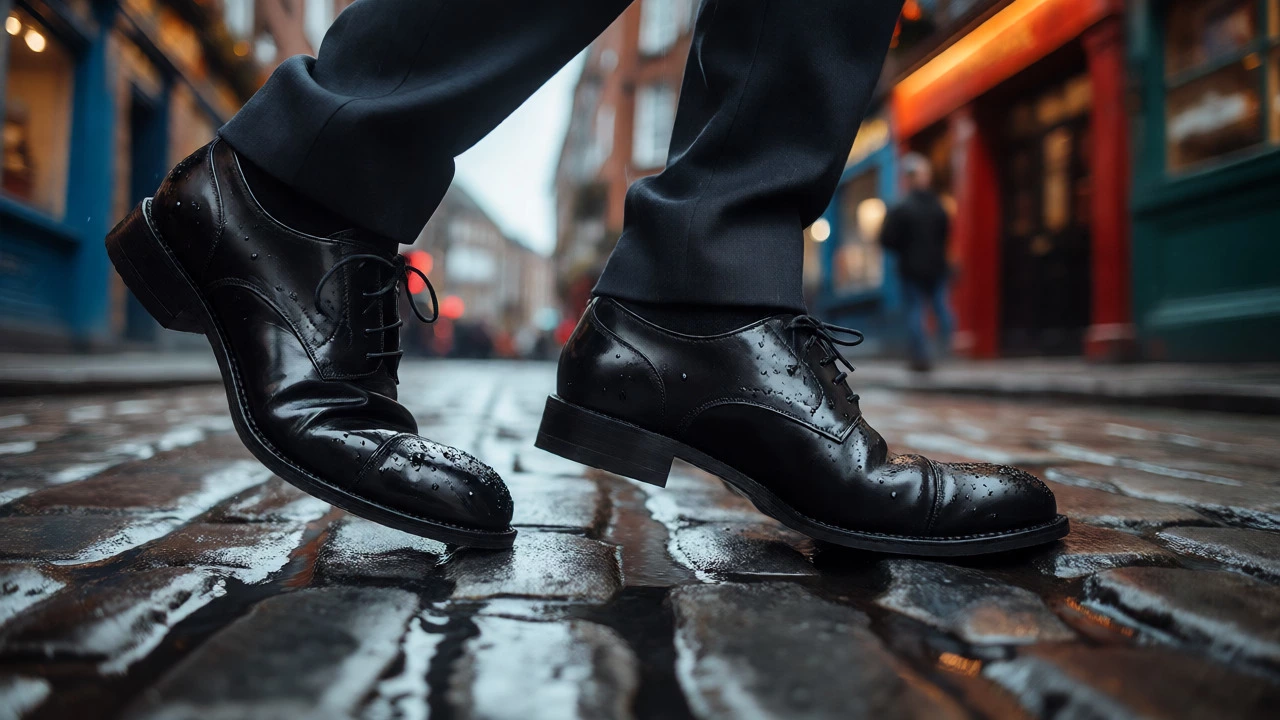
Consider the climate factor. Ireland is humid. Moisture affects leather. Wet leather becomes more pliable, yes, but it also weakens the fibers. If you force a shoe to stretch beyond its capacity because it was bought too small, you risk tearing the seams near the toe box. This is particularly relevant for traditional Irish brogues, which have intricate perforations (broguing) along the seams. These areas are structurally weaker. Jamming your toes into them accelerates wear at these decorative points.
| Area of Shoe | Initial Feel | After 4-6 Weeks Wear | Verdict |
|---|---|---|---|
| Toe Box Length | Toes touching end | No significant change | Too Small |
| Toe Box Width | Tight squeeze | Expands ~0.5 sizes | Acceptable |
| Heel Counter | Loose slip | Molds to heel shape | Acceptable |
| Vamp (Top) | Pressing on instep | Softens, reduces pressure | Acceptable |
Sock Choice: The Hidden Variable in Irish Footwear
You cannot judge shoe fit in isolation. In Ireland, we rarely wear thin dress socks year-round. From November to February, many of us switch to merino wool blends or thick cotton socks for warmth. If you try on leather oxfords with a thin nylon sock, they might feel perfect. But put on your winter wool socks, and suddenly your toes are hitting the front.
Always bring your intended socks to the fitting. If you’re buying all-season shoes, consider the thickness of your average winter sock. It’s better to have slightly more room in summer (which you can fill with an insole) than to have zero room in winter. Brands popular in Ireland, such as Church’s or Tricker’s, often recommend sizing up half a size if you plan to wear heavy socks frequently.
Signs Your Shoes Are Too Short
Beyond the obvious "toe touch," look for these physical signs after a day of walking in your current leather shoes:
- Nail Discoloration: Black or blue spots under the toenail indicate repeated trauma from hitting the shoe front.
- Corn Formation: Hard skin builds up on the top of the little toe or the knuckles of other toes as they rub against the tight toe box.
- Accelerated Sole Wear: If the ball of your foot is pushed too far forward, you’ll see excessive wear on the sole at the wrong angle, often causing the shoe to roll outward prematurely.
- Perforation Stress: On brogues, check if the holes at the very tip are stretched into oval shapes rather than circles. This confirms chronic pressure.
Finding the Right Fit in Local Shops
Irish independent shoemakers and established retailers understand local foot shapes better than generic online algorithms. Feet tend to be wider in certain populations, and Irish heritage brands often cater to this. When shopping in cities like Dublin, Limerick, or Waterford, ask staff about the "last" (the mold the shoe is built on). Some lasts are narrower (good for slim feet), while others are broader (better for wider forefoots).
If you buy online from Irish retailers, check their return policy carefully. Measure your foot at the end of the day when it is largest. Use a ruler to measure from the heel to the longest toe. Compare this to the brand’s specific size chart, not just your usual UK/EU size. Sizes vary significantly between manufacturers.
What If You Already Have Tight Shoes?
If you’ve already invested in expensive leather shoes that pinch your toes, don’t despair just yet. There are mitigation strategies, though they won’t work for severely undersized shoes.
- Stretching Sprays: Apply a leather stretching spray to the toe area and wear the shoes with thick socks for a few hours indoors. This can add a millimeter or two of width, sometimes relieving side pressure, but rarely fixes length issues.
- Professional Cobbler Adjustment: Visit a skilled cobbler. They can use mechanical stretchers to expand the toe box. However, tell them clearly that you want width relief, not just general loosening.
- Insoles: Paradoxically, adding a thin cushioned insole can lift your foot slightly, reducing the angle at which your toes hit the front. It’s a temporary band-aid, not a cure.
Remember, leather is an investment. A well-fitted pair of leather shoes can last 10 to 15 years with proper care, including regular polishing and resoling. Buying a pair that fits correctly from the start protects that investment. Don’t let the fear of breaking in prevent you from choosing the right size. Comfort and longevity go hand in hand.
How much space should be between my toes and the shoe?
You should have approximately 1/2 inch (1.3 cm) of space, or roughly the width of your thumb, between your longest toe and the end of the shoe. This allows for natural foot expansion during walking.
Will leather shoes stretch in length?
No, leather shoes generally do not stretch significantly in length. They may stretch slightly in width and height, molding to your foot's contours, but the length remains largely fixed. If they are too short initially, they will remain too short.
Is it okay if my toes touch the shoe when I am sitting?
It is acceptable if they lightly brush the front while sitting, as your foot contracts slightly. However, they must not be pressed firmly against the material. When you stand and walk, gravity and movement cause the foot to shift forward; if they are tight while sitting, they will be painful while walking.
Does sock thickness affect shoe fit?
Yes, significantly. In Ireland, where wool socks are common in winter, you must try on shoes with the same thickness of socks you intend to wear. Thin socks can make a tight shoe feel comfortable, leading to a purchase that becomes painful when warmer socks are added.
What happens if my toes constantly hit the front of the shoe?
Constant impact can cause bruised toenails, subungual hematomas (blood under the nail), ingrown toenails, and corns. It also damages the shoe itself, causing the leather toe box to bulge and deform, ruining the aesthetic and structural integrity of the footwear.