Irish Jacket Quality Checker
Use this tool while shopping in Dublin, Cork, or online. Check off the features present in the jacket you are considering to get an instant quality verdict.
Fabric & Material
Hardware & Construction
Fit & Functionality
Quality Score
Select features above to calculate value.
💡 Pro Tip: Cost Per Wear
A €300 jacket worn daily for 5 years (approx. 900 wears) costs €0.33/wear. A €50 jacket replaced yearly costs more long-term. Prioritize durability.
You’re standing in a shop on Grafton Street or browsing the sales at Brown Thomas, eyeing a jacket that looks sharp. But here’s the thing: in Ireland, looking good isn’t enough. If that jacket can’t handle a sideways rainstorm off the Atlantic or a biting wind in Connemara, it’s basically expensive decoration. You don’t want to buy something that falls apart after one winter of commuting in Dublin traffic or hiking in Wicklow. So, how do you separate the real deal from the fast-fashion fluff? It comes down to checking specific details that tell you whether this piece will survive our unique, damp, and unpredictable climate.
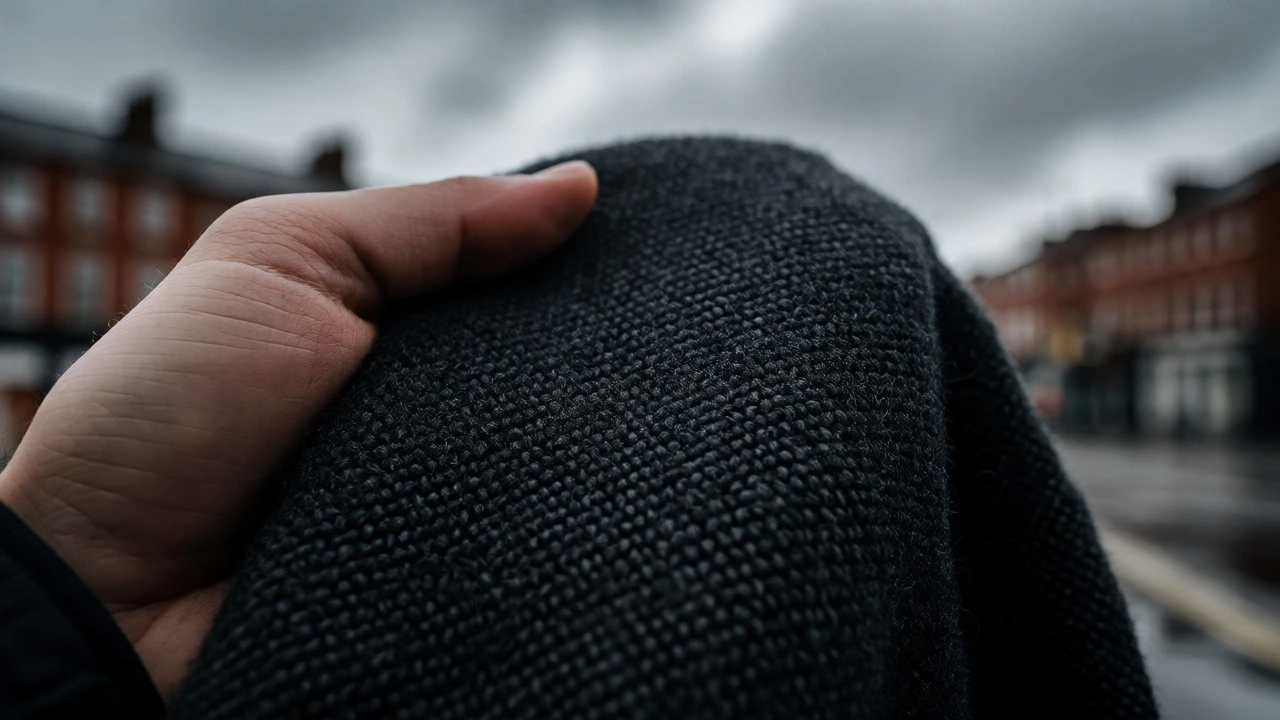
Don’t just trust the tag. Touch the fabric. Rub two pieces together. Does it feel scratchy or smooth? High-grade Merino wool, often sourced from Australia but processed by mills with long histories, feels soft against the neck. If it feels plasticky, it’s likely coated polyester trying to fake durability. For those living in coastal towns like Galway or Cork, where salt air corrodes cheap zippers and weakens fabrics, natural fibers paired with proper finishing are non-negotiable. If you’re spending over €200, you should be able to hold the fabric up to the light and see a tight weave. If you can see through it easily, it won’t block the wind coming off the sea.
The Hardware Test: Zips, Buttons, and Stitching
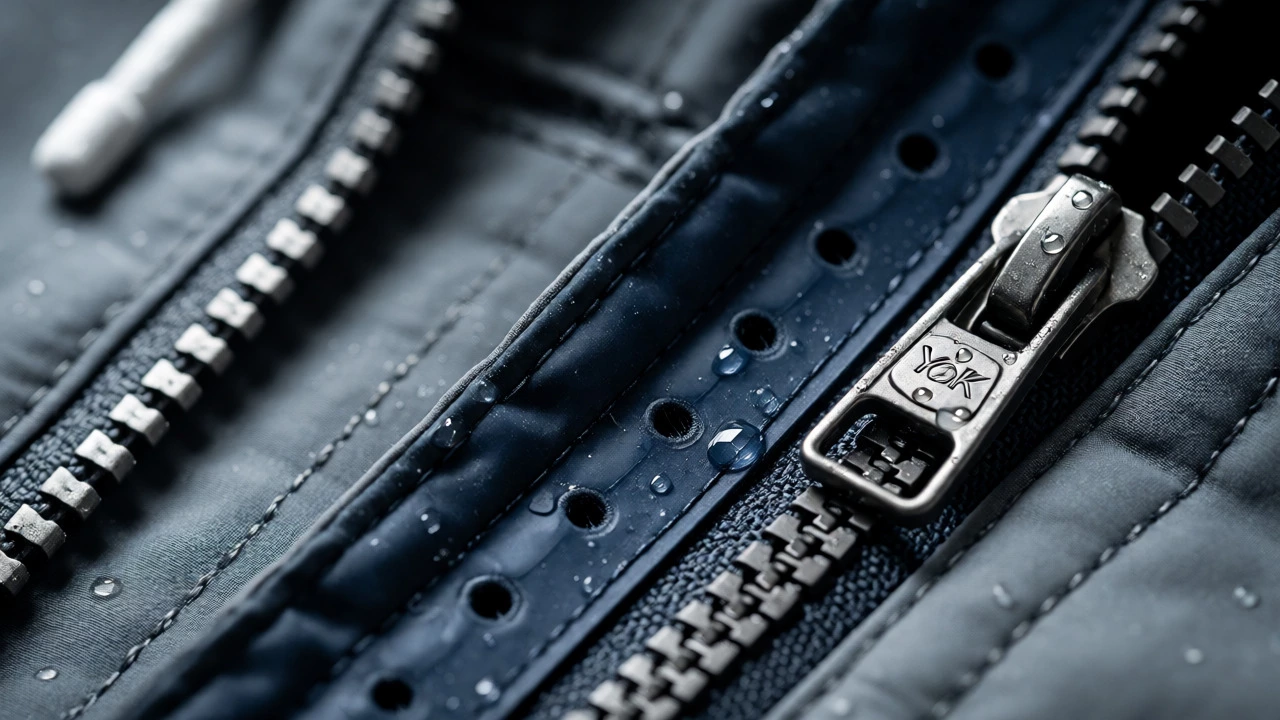
Nothing ruins a day faster than a zipper breaking while you’re halfway across the city. In Ireland, we rely on our outerwear daily, so hardware failure is a major annoyance. Check the zippers. Are they metal or plastic? Metal zippers, particularly brands like YKK (look for the logo on the pull tab), tend to last longer and resist corrosion better than cheap plastic ones. Give them a tug. They should slide smoothly without catching on the fabric tape behind them. If the zipper teeth look uneven or the slider feels loose, walk away.
Buttons are another dead giveaway. Cheap jackets use buttons sewn on with thin thread that snaps under pressure. High-quality tailoring uses a shank-a small stem underneath the button-that gives the fabric room to breathe and prevents tearing. Try wiggling a button. Is it solidly attached? Do you see extra thread wrapped around the base? That’s called a "shank" and it’s a sign of careful construction. Also, check the stitching density. Count the stitches per inch. More stitches usually mean stronger seams. If you see loose threads or gaps in the seam allowance, especially at stress points like the armpits or pockets, that jacket won’t make it through a full season of wearing a backpack or carrying shopping bags.
Water Resistance vs. Waterproof: Knowing the Difference
This is crucial for anyone dealing with Irish weather. Many shoppers confuse water-resistant with waterproof. Water-resistant means it can handle a light drizzle. Waterproof means it can handle a downpour while you wait for a bus in Limerick. How do you tell the difference by looking at the jacket? Look for taped seams. Inside the jacket, along the stitched lines, there should be a thin strip of rubberized tape covering the needle holes. Without this, water seeps right through the stitch holes. If you can see raw stitching inside the garment, it’s not truly waterproof, no matter what the sales assistant tells you.
| Feature | Budget Option | Quality Investment | Why It Matters in Ireland |
|---|---|---|---|
| Seam Construction | Stitched only | Taped & Sealed | Prevents leaks during heavy Atlantic rains |
| Membrane Type | PU Coating | Gore-Tex or eVent | Breathability stops condensation buildup indoors |
| DWR Finish | None or temporary | High-performance DWR | Sheds water before it saturates the face fabric |
| Lining | Synthetic taffeta | Mesh or brushed tricot | Comfortable layering for variable indoor/outdoor temps |
If you’re buying a technical shell for hiking in the Burren or cycling in Dublin, ask about the hydrostatic head rating. This measures how much water pressure the fabric can withstand before leaking. Anything under 5,000mm is barely shower-proof. For real Irish winters, aim for 10,000mm or higher. Brands like Gore-Tex are famous here because they offer reliable protection, but cheaper alternatives exist if you check the specs. Don’t pay for features you won’t use, but don’t skimp on the membrane if you’re outside more than you’re inside.
Fit and Mobility: The Practical Reality
A jacket might look great on the hanger, but how does it move? In Ireland, we’re often layering. We wear jumpers under coats because heating in older buildings can be inconsistent, and outdoor temperatures drop quickly. Put on your thickest sweater and try the jacket on. Raise your arms. Can you reach overhead without the hem riding up too far? Can you cross your arms comfortably? If the shoulders feel tight, it’s not just uncomfortable-it restricts blood flow and makes you colder.
Check the range of motion in the elbows and back. Some high-end jackets feature articulated sleeves or gussets under the arms to allow movement. This is vital if you drive frequently or use public transport where you’re constantly shifting positions. Also, consider the length. A hip-length jacket might look stylish, but if you’re sitting on wet benches in Phoenix Park, you’ll regret not having a longer cut. Conversely, if you’re navigating crowded trains on the Luas, a bulky, overly long coat becomes a nuisance. Fit is personal, but functionality is universal. Prioritize ease of movement over slim silhouettes if you live an active lifestyle.
Local Brand Knowledge and Where to Shop
Ireland has a rich heritage of textile production, and knowing local brands helps you identify quality. Companies like Harris Tweed aren’t just souvenirs; they’re indicators of durable, handwoven craftsmanship protected by law. If you see the Orb Mark, you know it’s authentic and made in the Hebrides, but similar standards apply to Irish tweed producers who prioritize dense, tightly woven wool. These fabrics age well, developing character rather than falling apart.
When shopping in Dublin, avoid the high-street chains if you want longevity. Instead, visit independent retailers in areas like Ranelagh or Sandyford who stock European brands known for durability. Stores like Brown Thomas or Arnotts carry mid-to-high-range options, but always inspect the item yourself. Sales staff may push trendy cuts, but you need to verify the construction. For technical gear, specialist outdoor shops in cities like Killarney or Galway often have staff who actually hike and fish. Ask them to show you the internal lining of a jacket. If they hesitate, it might be because the inside looks messy.
Consider second-hand markets too. Platforms like DoneDeal or charity shops in affluent suburbs often yield hidden gems. Vintage wool coats from the 1980s were often built to last decades. Check the lining for moth damage, though. Moths love cashmere and wool, and our mild, damp winters provide perfect breeding conditions. If you find a vintage gem, budget for dry cleaning or professional repair. Sometimes, fixing a broken zip costs €20 but saves a €300 coat.
Cost Per Wear: The Irish Math
Let’s talk money. A €50 jacket from a discount store might seem like a bargain until it starts peeling after three months of rain. A €300 jacket worn every day for five years costs less per wear than the cheap one replaced annually. Calculate this mentally before you buy. Divide the price by the number of days you expect to wear it. If you live in a rainy area like Westport, you’ll wear your coat almost daily from October to April. That’s roughly 180 days a year. Over five years, that’s 900 wears. A €450 jacket costs 50 cents per wear. A €60 jacket replaced yearly costs the same but breaks sooner. Quality pays off in cold, wet climates.
Also, think about resale value. Well-made brands retain value better. If you take care of your gear, you can sell it on platforms like Depop or local Facebook groups when you upgrade. Fast fashion items rarely fetch anything beyond a few euros. Investing in recognizable, quality brands protects your wallet in the long run. Remember, Irish consumers are savvy. We appreciate durability. There’s no shame in keeping a jacket for ten years if it still looks good and keeps you dry.
Frequently Asked Questions
Is Gore-Tex necessary for everyday wear in Ireland?
Not necessarily for casual city wear, but highly recommended if you spend significant time outdoors. Gore-Tex offers superior breathability compared to standard PU coatings, preventing that clammy feeling when you enter a heated building. For office commutes, a high-quality waxed cotton or treated wool might suffice and offers a more traditional aesthetic suitable for urban environments.
How do I maintain a wool jacket in humid Irish weather?
Brush your wool jacket regularly with a horsehair brush to remove dirt and restore the nap. Air it out after wearing instead of storing it immediately in a closet. Avoid frequent dry cleaning as chemicals degrade fibers; spot clean minor stains instead. Use cedar blocks in your wardrobe to deter moths, which are prevalent in damp Irish homes.
What is the best fabric for wind resistance?
Tightly woven wool and specialized membranes like Pertex Shield are excellent. However, no fabric is perfectly windproof without a lining or membrane. For maximum protection against Atlantic gusts, look for jackets with storm cuffs, adjustable hems, and high collars that seal out drafts. Layering a windbreaker under a wool coat is also a practical strategy used by many locals.
Are expensive zippers worth it?
Yes, especially in wet climates. Corrosion and freezing can jam cheap zippers. High-quality metal zippers from reputable manufacturers resist rust and operate smoothly even when frozen or wet. Repairing a zipper is possible but inconvenient; prevention via quality hardware saves time and hassle.
Can I wash a waterproof jacket at home?
Always check the care label first. Most modern waterproof jackets require special technical detergents that don't leave residues clogging the pores. Regular detergent can ruin the DWR finish. Tumble drying on low heat often reactivates the water-repellent coating. Never iron directly on the membrane.