Crocs Foot Health Analyzer
Configuration Settings
Analysis Result
Ready to Analyze
Configure your settings and click analyze to see how well this setup supports your feet according to podiatric principles.
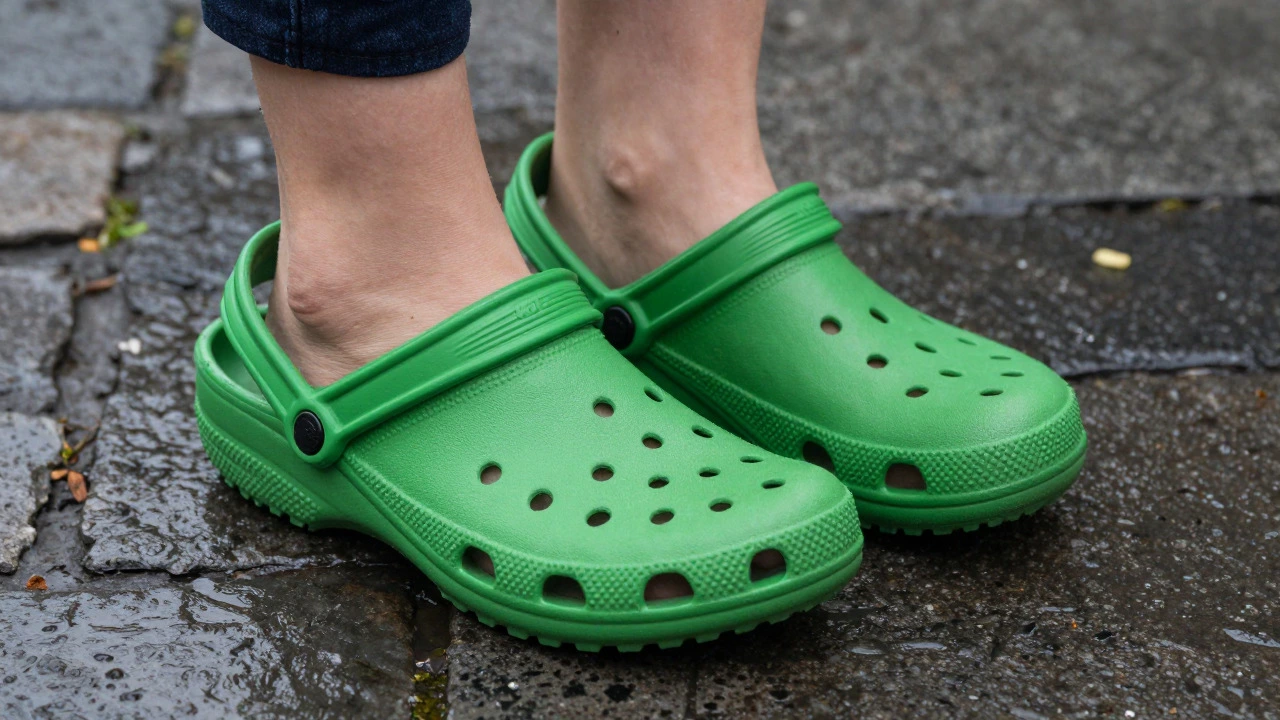
Walking the rugged cliffs of the Wild Atlantic Way or navigating the cobblestones of Galway’s Latin Quarter puts a serious strain on your feet. In Ireland, where rain is frequent and terrain varies from soft bogland to hard stone, choosing the right footwear isn't just about style-it's about survival. You might have noticed that Crocs are a brand of foam clogs made from Croslite™ material that has become ubiquitous in healthcare settings and casual wear. They are everywhere, from hospital corridors in Beaumont Hospital to garden centers in Dublin. But here is the real question: do podiatrists actually like them?
The short answer is yes, but with major caveats. It depends entirely on which model you choose and how you wear them. As someone who spends a lot of time walking these wet streets, I’ve looked into what the experts say about foot mechanics, arch support, and the specific needs of the Irish climate.
Why Podiatrists Approve of the Classic Clog
To understand why a medical professional would recommend a shoe that looks like a shower slipper, we need to look at the anatomy of the foot. When you walk, your heel strikes first, then your foot rolls inward slightly (pronation) to absorb shock, before pushing off from the toes. This natural motion requires space.
Classic Crocs feature a wide toe box design that allows toes to splay naturally without compression. Most fashion shoes, especially those popular in high-street stores across Ireland, squeeze your toes together. This can lead to bunions, hammertoes, and nerve pain over time. Podiatrists love the roominess because it mimics the natural state of a barefoot, reducing pressure points.
Furthermore, the material itself plays a huge role. The proprietary foam used by Crocs is lightweight and provides cushioning. For patients dealing with plantar fasciitis-a common condition causing sharp heel pain-this cushioning can offer immediate relief. If you work long shifts standing on hard floors, perhaps in a retail shop on Grafton Street or in a factory in Cork, this shock absorption is vital.
The "Sport Mode" Rule: Why Straps Matter
Here is where many people get it wrong. You cannot just slide your foot into a pair of Crocs and expect perfect stability. Podiatrists almost universally agree on one rule: you must use the heel strap.
When worn as a slip-on sandal, your toes have to grip the inside of the shoe to keep it from flying off when you walk uphill or run for a bus in Limerick. This constant gripping creates tension in the flexor tendons of the foot, leading to cramping and fatigue. By pulling the back strap up into the "sport mode," you lock your heel in place. This stabilizes the foot, allowing it to function more like a normal sneaker rather than a loose flip-flop.
If you ignore this step, you risk altering your gait. Over time, this can cause issues not just in your feet, but traveling up the kinetic chain to your knees, hips, and lower back. So, if you want the blessing of a foot specialist, buckle up.
Not All Crocs Are Created Equal
While the classic clog gets high marks, other styles in the lineup receive mixed reviews. Let’s break down the differences so you know what to buy and what to avoid.
| Shoe Model | Arch Support | Toe Box Width | Podiatrist Verdict |
|---|---|---|---|
| Classic Clog | Moderate (built-in contour) | Wide | Excellent (with strap up) |
| Platform/Sky High | Poor (unstable height) | Variable | Avoid for daily wear |
| Leather Loafers | Often Flat/Rigid | Narrow | Risk of bunions if tight |
| Running Sneakers | High (engineered) | Medium/Wide options | Good for active use |
Platform versions, which add significant height, change the angle of your ankle and shift your center of gravity forward. This increases pressure on the ball of your foot. While they look trendy, they lack the stability needed for all-day walking, especially on uneven surfaces like the rocky paths around Killarney National Park.
The Irish Weather Factor: Wet Feet and Cold Toes
We can’t talk about footwear in Ireland without addressing the weather. Our climate is damp, cool, and unpredictable. One minute it’s sunny in Galway, the next you’re wading through puddles.
Crocs are waterproof, which is a massive plus. Unlike leather shoes, which can rot or lose their shape when soaked, Crocs dry quickly and don’t harbor bacteria easily due to their antimicrobial properties. However, they offer zero insulation. Wearing open-vented clogs in January will leave your toes freezing. For winter months, podiatrists often suggest switching to closed-toe models or adding thick wool socks, though this might make the fit too tight.
If you are looking for something more suitable for the harsher seasons, consider brands that specialize in waterproof hiking boots or insulated leather shoes with removable insoles. Brands like Keen are an outdoor footwear company known for wide toe boxes and sturdy construction, which aligns well with podiatric recommendations while offering better protection against the elements.
Alternatives for Better Arch Support
While the classic clog is good, it lacks rigid arch support. If you have flat feet or high arches, you might find the built-in contour insufficient. In this case, you have two options:
- Insert Custom Orthotics: Many Crocs models have enough volume to accommodate aftermarket insoles. You can visit a local podiatry clinic in your area-there are excellent practices in cities like Cork, Dublin, and Belfast-to get custom molds. These provide personalized support that generic foam cannot match.
- Choose Alternative Brands: Look for shoes marketed specifically for orthopedic health. Brands like Vionic or Hoka One One offer sneakers with superior arch support and cushioning. They may cost more upfront, but they can prevent costly corrective surgeries later.
It is also worth noting that leather shoes, if chosen correctly, can be very healthy. Look for full-grain leather with a flexible sole and a wide toe box. Avoid stiff, unbroken-in shoes that force your foot into an unnatural position. Break them in slowly, wearing them for short periods indoors before taking them out for a stroll along the River Lee.
Who Should Avoid Crocs?
Despite their benefits, Crocs aren’t for everyone. If you have severe diabetes with neuropathy, the lack of structural rigidity might pose a risk of tripping or inadequate protection against punctures. Diabetic patients often require shoes with deep depth and protective toes to prevent ulcers.
Additionally, if you have chronic instability in your ankles, the soft foam might not provide enough lateral support. In these cases, a structured athletic shoe or a specialized orthopedic boot is safer. Always consult with a healthcare provider before making drastic changes to your footwear routine, especially if you have existing conditions.
Final Thoughts on Foot Comfort
In the end, the goal is to keep your feet happy and functional. Whether you are working a double shift in a hospital in Waterford or hiking the Wicklow Mountains, your foundation matters. Crocs, when worn correctly with the strap up, are a legitimate tool for foot health. They offer space, cushioning, and ease. But they are not a cure-all. Listen to your body. If your feet hurt, switch shoes. And remember, no matter how comfortable your shoes are, changing positions regularly and stretching your calves and Achilles tendons is just as important as the footwear itself.
Are Crocs good for standing all day in Ireland?
Yes, provided you wear the heel strap up. The cushioning helps reduce impact on joints, and the wide toe box prevents swelling during long shifts. However, ensure they are clean and dry to maintain hygiene in workplace environments.
Can I wear Crocs in the rain?
Absolutely. Crocs are waterproof and easy to clean. They are ideal for Ireland's rainy weather. Just be aware that they offer little warmth, so pair them with socks in colder months or opt for closed-toe models.
Do Crocs help with plantar fasciitis?
They can provide temporary relief due to their cushioning and roomy fit. However, they lack firm arch support. For chronic plantar fasciitis, consider adding a supportive insole or consulting a podiatrist for customized treatment.
What is the best alternative to Crocs for wide feet?
Brands like Keen, Altra, and New Balance offer wide-width options with better arch support and durability. These are great for outdoor activities and daily wear in varied terrains found across Ireland.
Should I size up in Crocs?
Generally, you should stick to your regular size. Sizing up can cause your foot to slide around, increasing friction and the risk of blisters. If you are between sizes, try both with the strap up to see which feels more secure.