Irish School Uniform Savings Calculator
Calculate how much you can save by utilizing second-hand markets and smart shopping strategies compared to buying everything new at retail prices.
Select Shopping Strategy per Item
Breakdown Per Child:
Select a strategy and click Calculate to see your potential savings.
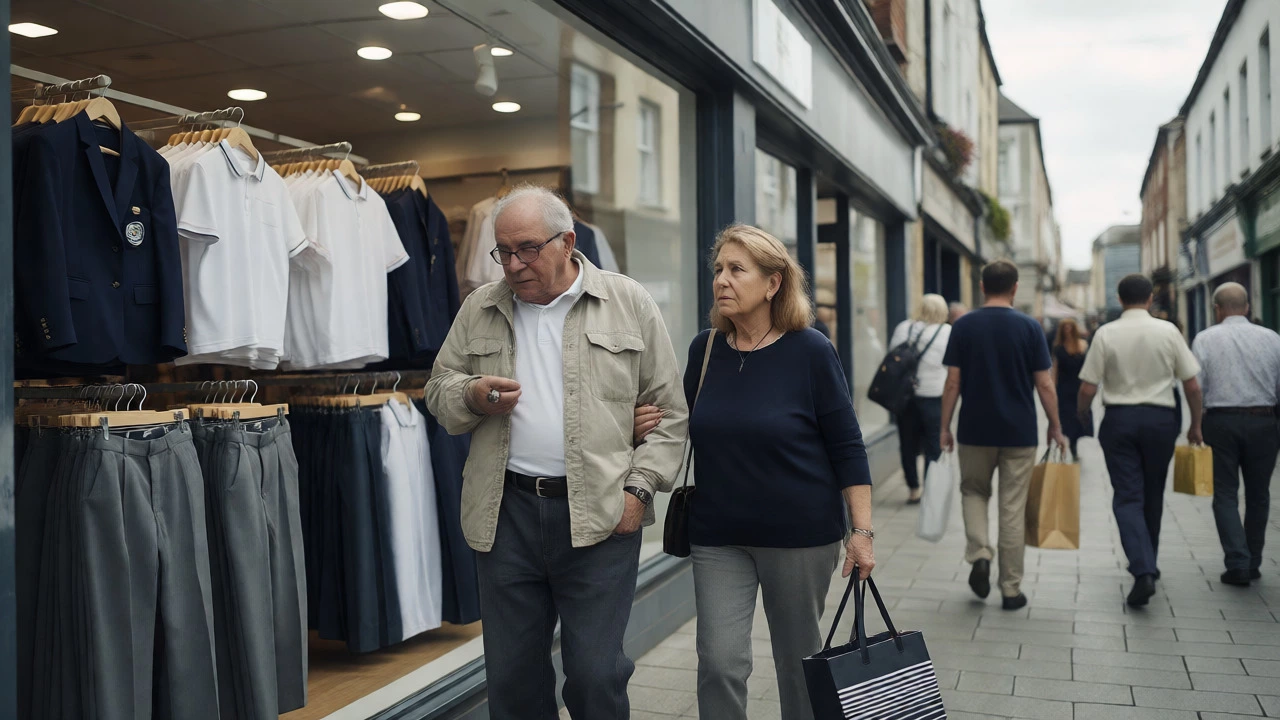
Walk down any high street in Dublin, Cork, or Galway in late August, and you will see the same scene: parents staring at price tags with a mix of dread and resignation. The back-to-school rush is real, and for many Irish families, school uniforms represent one of the biggest unexpected bills of the year. But here is the twist that often gets lost in the panic: uniforms are actually designed to be a cost-saving mechanism. If you play it right, they can shield your wallet from the relentless pressure of fast fashion and peer comparison that plagues everyday clothing.
The question isn't whether uniforms exist-they do, in over 90% of Irish secondary schools and a growing number of primaries. The question is how to make them work for your budget rather than against it. In Ireland, where the average family spends between €150 and €300 per child on uniform gear annually, small strategic shifts can save hundreds of euros over a child’s schooling years. Let’s break down exactly how this works, using local examples and practical tactics that fit the Irish market.
The Hidden Cost of "Everyday" Clothes
Think about what kids wear when they don’t have a uniform code. It’s not just clothes; it’s a status symbol. In a typical Irish suburban school, if one kid wears limited-edition Nike Air Jordans, suddenly every other child feels the need to match. This creates a financial arms race. Without a uniform, you are buying into the latest trends every season. A trendy hoodie might cost €40 in Penneys, but a branded equivalent in Brown Thomas could hit €80. And it goes out of style by Christmas.
Uniform policies standardize appearance, removing the visual markers of wealth or poverty among students. When everyone wears the same grey trousers and white polo shirt, no one cares whose trousers came from Dunnes Stores and whose came from a boutique. This standardization stops the constant replacement cycle driven by social pressure. You buy durable, neutral basics once, and they stay relevant for years. In contrast, non-uniform wardrobes require constant updating to keep up with peers, leading to higher long-term spending on items that hold little resale value.
Buying Smart: New vs. Second-Hand in Ireland
The single biggest way to cut costs is to avoid paying full retail price for new items. In Ireland, the second-hand uniform market is robust and surprisingly organized. Unlike general used clothing, school uniforms have specific identifiers-logos, crest colors, and tie patterns-that make them easy to find and verify.
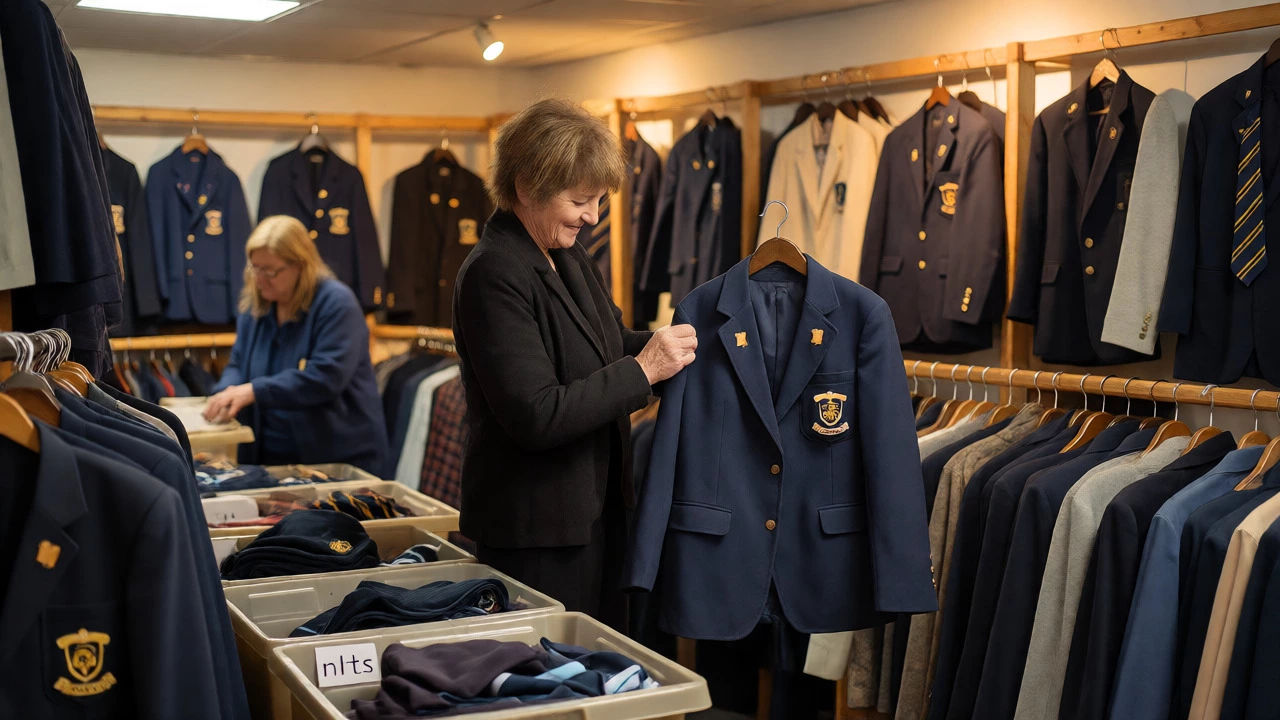
Start with local resources. Most Parent Teacher Associations (PTAs) run swap shops in September. These aren't charity bins; they are curated collections of gently worn items sold for €1-€5. A blazer that costs €60 new might sell for €5 here. If your PTA doesn’t have one, check Facebook groups like "Dublin School Uniform Swap" or regional equivalents in Limerick and Waterford. These groups move fast. Post what you need, including the exact school name and year level, and you’ll often get replies within hours.
| Item | New Retail Price (Avg) | Second-Hand Price (Avg) | Savings Potential |
|---|---|---|---|
| Blazer/Jacket | €50 - €70 | €5 - €15 | ~85% |
| Tie | €15 - €25 | €2 - €5 | ~80% |
| Polo Shirts (Pack of 3) | €20 - €30 | €5 - €10 | ~65% |
| Grey Trousers/Skirt | €25 - €35 | €3 - €8 | ~80% |
| Black Shoes | €40 - €60 | €10 - €20 | ~60% |
Note that shoes are trickier. While you can find second-hand blazers easily, hygiene concerns and fit issues make second-hand shoes less popular unless they are barely worn. For shoes, look for sales at stores like Clarks or SuperValu’s clothing section in January and June, rather than relying solely on second-hand markets.
Durability Over Style: The Buy Once, Wear Long Strategy
Irish weather is unpredictable. One day it’s sunny, the next it’s raining sideways. Cheap uniforms made from thin polyester blends fall apart quickly under these conditions. They pill, fade, and tear. A cheap €15 jumper might last six months, meaning you replace it twice a year. A quality wool-blend jumper costing €35 might last three years.
When shopping new, ignore the fashion element and focus on fabric content. Look for higher percentages of natural fibers like cotton and wool, even if the upfront cost is higher. Check labels for "reinforced knees" in trousers or "double-stitched seams." These features matter because Irish schools are active environments. Kids climb, sit on wet grass, and spill lunch. Investing in durability reduces the frequency of replacement. Over five years, buying two high-quality blazers (€120 total) is cheaper than buying four low-quality ones (€200+ total), especially when you factor in the time spent shopping.
Standardizing Basics to Reduce Laundry and Replacement
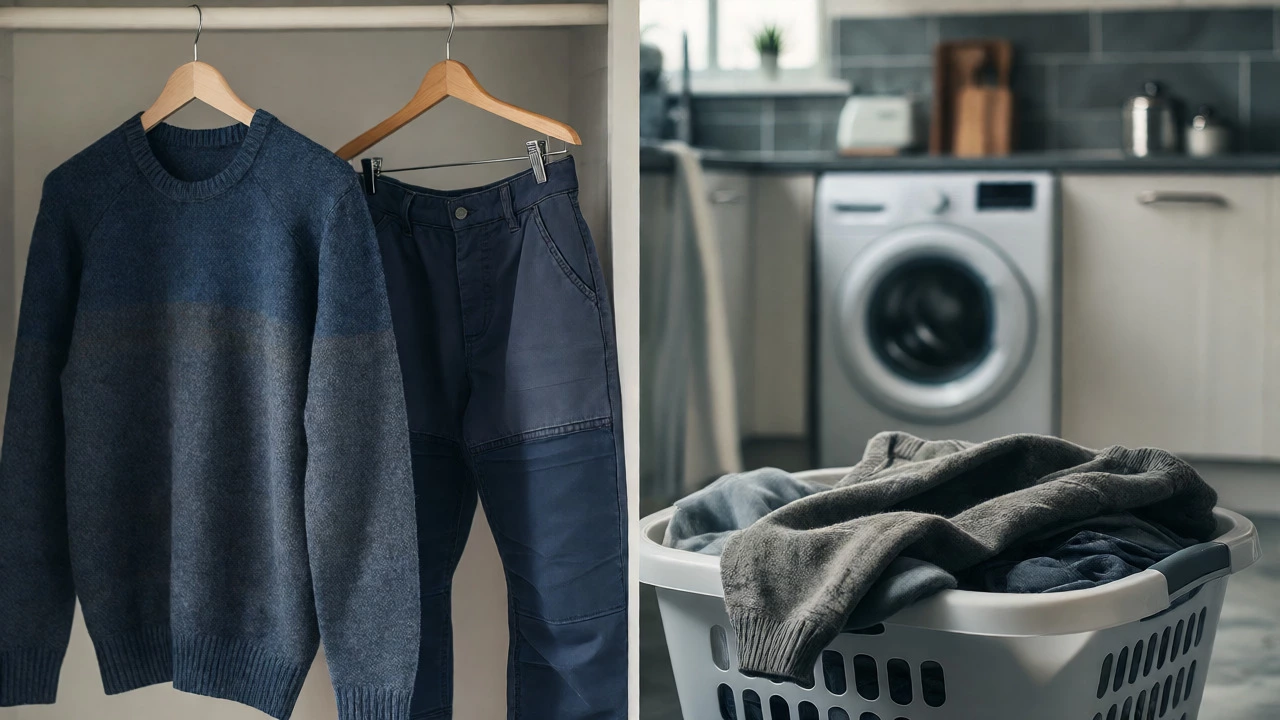
Another subtle saving comes from laundry efficiency. Uniforms are typically monochromatic or follow strict color codes (navy, black, grey, white). This means you can wash everything together at high temperatures without worrying about color bleeding. You don’t need special detergents or separate loads for darks and lights as strictly as you would with a varied wardrobe.
Furthermore, because the style is fixed, you can buy basics in bulk during sales. White polos and grey trousers are commodity items. You don’t need to worry if a specific brand changes its cut slightly next year because the school policy dictates the color and style, not the manufacturer. This allows you to stock up on plain white shirts from discount retailers like Dealz or Mr. Price when they are on clearance, storing them for future growth spurts. You’re essentially buying insurance against future inflation and rising prices.
Government Support and Local Initiatives
Ireland has introduced various supports to help families with education costs. The Department of Education provides grants to disadvantaged schools, which sometimes include uniform subsidies. Additionally, some local councils and community organizations run uniform banks. For example, in areas with high unemployment rates, such as parts of West Dublin or North Cork, community centers often collect and distribute free uniforms to families who cannot afford them.
If you are eligible for Medical Card benefits, check if your school participates in the Back to School Clothing and Footwear Allowance (BSCFA). This is a state payment intended to help families with the cost of clothing and footwear for children starting school. While it doesn’t cover all uniform costs, it offsets the initial outlay significantly. Ensure you apply early, as processing times can vary depending on your local Intreo office.
Common Pitfalls That Waste Money
Even with good intentions, parents often make costly mistakes. The first is buying too much too soon. Do not buy a size larger than needed hoping it will last two years. If the sleeves are rolled up and the trousers are cuffed, it looks sloppy and may violate school rules. Better to buy the correct fit now and plan for a mid-year purchase if necessary.
Second, avoid buying "special occasion" uniforms unless required. Some schools require a formal blazer for events, but many allow smart casual alternatives for daily wear. Clarify the actual dress code. Does the school require a branded blazer, or just a navy blue one? If it’s just a color requirement, you can buy a generic navy blazer from a high-street retailer for half the price of the school-branded version. Always ask the school administration for the precise specifications before purchasing branded items.
Long-Term Savings Beyond the Wallet
While the financial savings are tangible, there are indirect economic benefits. Uniforms reduce decision fatigue for both parents and children. Mornings become faster, reducing stress and potentially improving punctuality. Fewer arguments about what to wear mean fewer emotional outbursts that might lead to impulse buys to appease a frustrated child.
Additionally, uniforms extend the life of everyday clothes. Because school clothes are protected from playground mud and art spills by the uniform layer, your weekend clothes stay cleaner longer. You wash them less frequently, extending their lifespan. This ripple effect saves money on laundry detergent, electricity for drying, and eventually, replacement costs for non-uniform clothing.
Are school uniforms mandatory in all Irish schools?
No, not all schools in Ireland mandate uniforms. However, the vast majority of secondary schools and an increasing number of primary schools do. Policies vary by county and patron body (e.g., Educate Together schools may have different approaches compared to Catholic schools). Always check the specific school's charter or parent handbook for current requirements.
Where is the best place to buy affordable school uniforms in Ireland?
For new items, discount retailers like Dealz, Mr. Price, and the clothing sections of SuperValu and Tesco offer competitive prices on basic uniform components. For branded items, wait for end-of-season sales in January and July. For second-hand options, local PTA swap shops and Facebook groups dedicated to school uniforms in your specific town or city are usually the most cost-effective sources.
How much should I expect to spend on school uniforms per year?
Budgeting varies, but a reasonable estimate for a secondary school student in Ireland is between €150 and €300 annually if buying mostly new. This can drop to under €100 if you utilize second-hand markets and buy durable items strategically. Primary school costs are generally lower, often ranging from €50 to €150 per year.
Can I use generic brands instead of school-branded uniforms?
It depends on the school's policy. Many schools only require specific colors (e.g., navy blazer, white shirt) rather than branded items. Others require ties or jumpers with the school crest. Always confirm with the school before buying. If only colors are specified, generic brands from high-street stores are significantly cheaper and often better quality.
What happens if my child outgrows their uniform mid-year?
Most schools are understanding about growth spurts. You can often temporarily roll up sleeves or use waist adjusters. If replacements are needed, try to buy second-hand items immediately via local swaps or online groups to minimize cost. Planning purchases around seasonal sales can also help offset unexpected mid-year needs.