Irish Evening Dress Code & Color Guide
Your Recommendation
Optimal MatchRecommended Silhouette & Length
Fabric Advice
Color Palette
Walking into a wedding at the Shelbourne Hotel or a gala in Galway, you realize one thing quickly: the weather is unpredictable, but the dress code is not. Picking the right evening dress in Ireland isn't just about looking good; it’s about surviving the elements and fitting into a culture that values elegance with a touch of practicality. Whether you’re attending a corporate event in Dublin or a family celebration in Cork, your choice of attire signals respect for the host and the occasion.
Irish fashion sensibilities lean towards timeless pieces rather than fleeting trends. You don’t need to break the bank to look sophisticated. Instead, you need to understand the specific nuances of Irish social gatherings, from the damp chill of an autumn evening to the bright, early sunsets of a summer party. This guide breaks down exactly how to select a gown that works for both the venue and the vibe.
Understanding the Venue and Climate
In Ireland, the venue dictates more than just the length of your hemline; it dictates your fabric choice. If you are attending an outdoor ceremony in County Wicklow during May, the grass will be wet. A delicate chiffon dress might soak through, leaving you cold and uncomfortable. For these settings, opt for structured fabrics like crepe or satin that hold their shape and dry relatively quickly if they get splashed.
Conversely, if you are heading to a city center ballroom in Belfast or Limerick, the heating can be intense. Heavy velvet or thick brocade might make you sweat by the time dessert is served. Lightweight silk blends or high-quality polyester blends offer breathability without sacrificing the luxurious drape required for formal events. Always check the forecast, but remember that Irish weather changes fast. A backup plan, such as a stylish shawl or a tailored blazer, is often smarter than relying on a sleeveless design alone.
Decoding the Dress Code
Invitations in Ireland rarely specify "black tie" explicitly. Instead, you’ll see terms like "Formal," "Black Tie Optional," or "Semi-Formal." Here is how to translate those terms into actual garment choices:
- Black Tie / Formal: This is for galas, award ceremonies, and traditional weddings. Think floor-length gowns. Colors should be deep and rich-emerald green, navy blue, burgundy, or classic black. Avoid white unless you are the bride or specifically invited to wear it.
- Semi-Formal / Cocktail: Common for engagement parties and business dinners. Knee-length or midi dresses are appropriate here. You can be bolder with color or pattern, but keep the silhouette clean and polished.
- Cocktail Attire: Similar to semi-formal but allows for more creative freedom. A well-fitted jumpsuit or a shorter cocktail dress works perfectly here, especially in urban settings like Temple Bar in Dublin.
If the invitation is vague, err on the side of slightly more formal. In Irish culture, being underdressed is considered a bigger faux pas than overdressing. When in doubt, choose a longer hem and a darker shade.
Fabric and Fit for the Irish Body Type
Fit is everything. An expensive dress that doesn’t sit right looks worse than a modest one that fits perfectly. Irish tailors are known for their precision, so if you buy off-the-rack, budget for alterations. A local tailor in your area can adjust the waist and hem in a day or two, ensuring the dress moves with you rather than against you.
Consider your body shape when selecting the cut. Empire waists work well for many body types and provide comfort for long evenings. A-line silhouettes are forgiving and elegant, flowing away from the hips. If you prefer a fitted look, ensure the neckline balances the proportions. High necklines pair well with wider shoulders, while V-necks elongate the torso. Don’t forget the back. A well-designed back detail, like a keyhole or lace panel, adds sophistication without needing visible accessories.
Color Palettes That Work Year-Round
Ireland’s landscape offers some of the best color inspiration in the world. The lush greens of the countryside, the grey skies, and the vibrant reds of poppies in spring all influence what looks natural and flattering here.
| Season | Recommended Colors | Avoid |
|---|---|---|
| Spring (Mar-May) | Pastel pink, lavender, soft teal, light gold | Bright neon yellow, stark white |
| Summer (Jun-Aug) | Coral, turquoise, silver, champagne | Heavy black, dark brown |
| Autumn (Sep-Nov) | Burgundy, forest green, mustard, charcoal | Pale pastels, bright orange |
| Winter (Dec-Feb) | Navy, emerald, plum, metallic gold | Light beige, dusty pink |
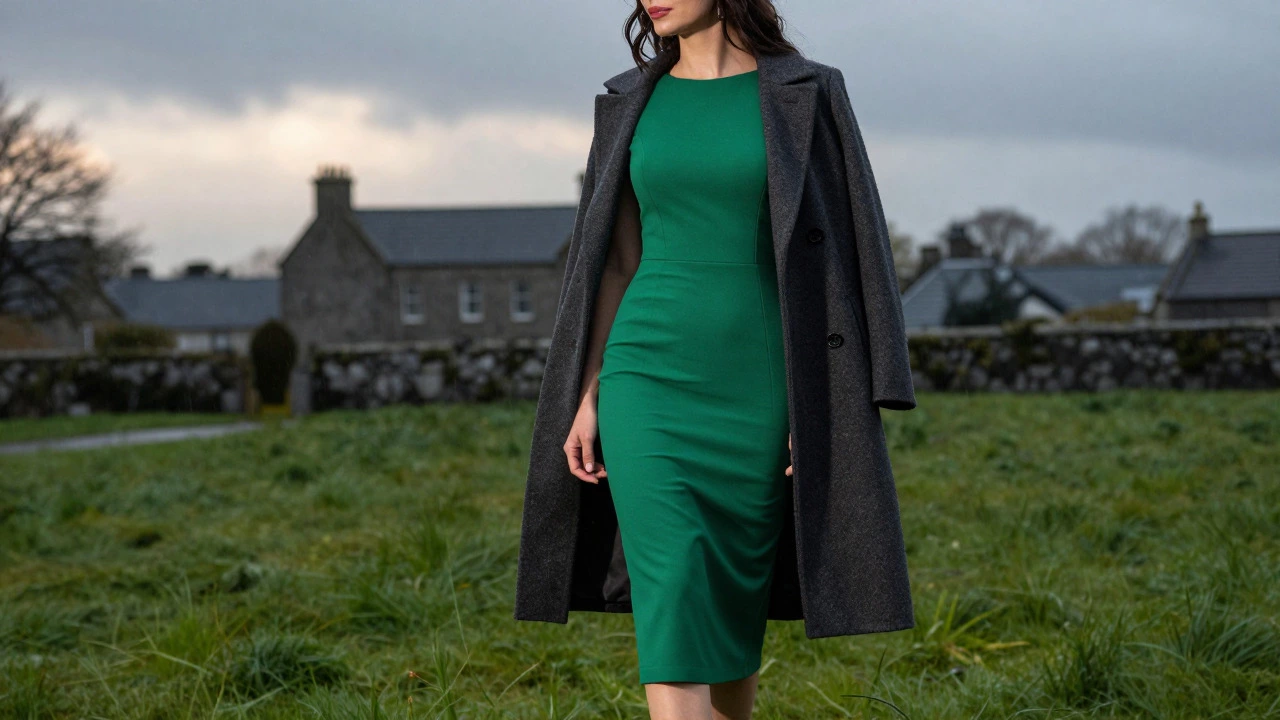
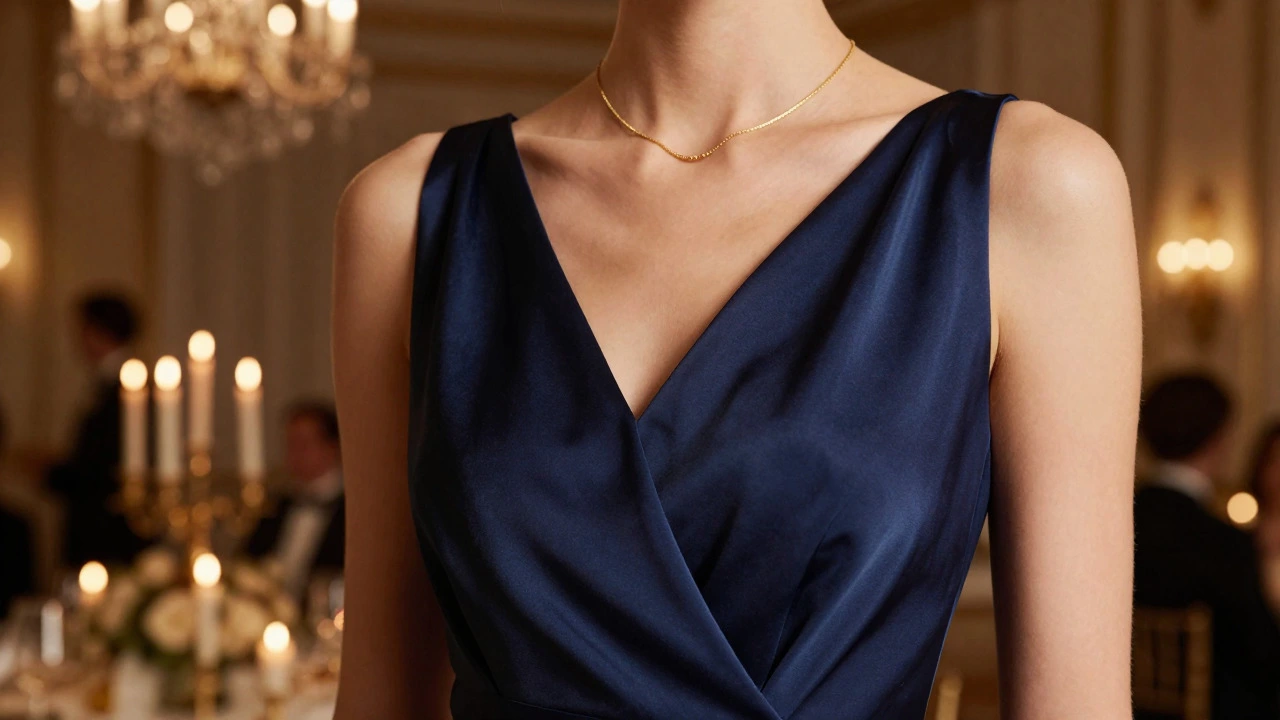
Emerald green is a particular favorite in Ireland, not just because of the nickname "Emerald Isle" but because it complements most skin tones and photographs beautifully against the natural backdrop. Navy blue is another safe bet, offering the formality of black without the severity. It pairs effortlessly with gold jewelry, which is widely available in Irish boutiques.
Accessories and Footwear Practicalities
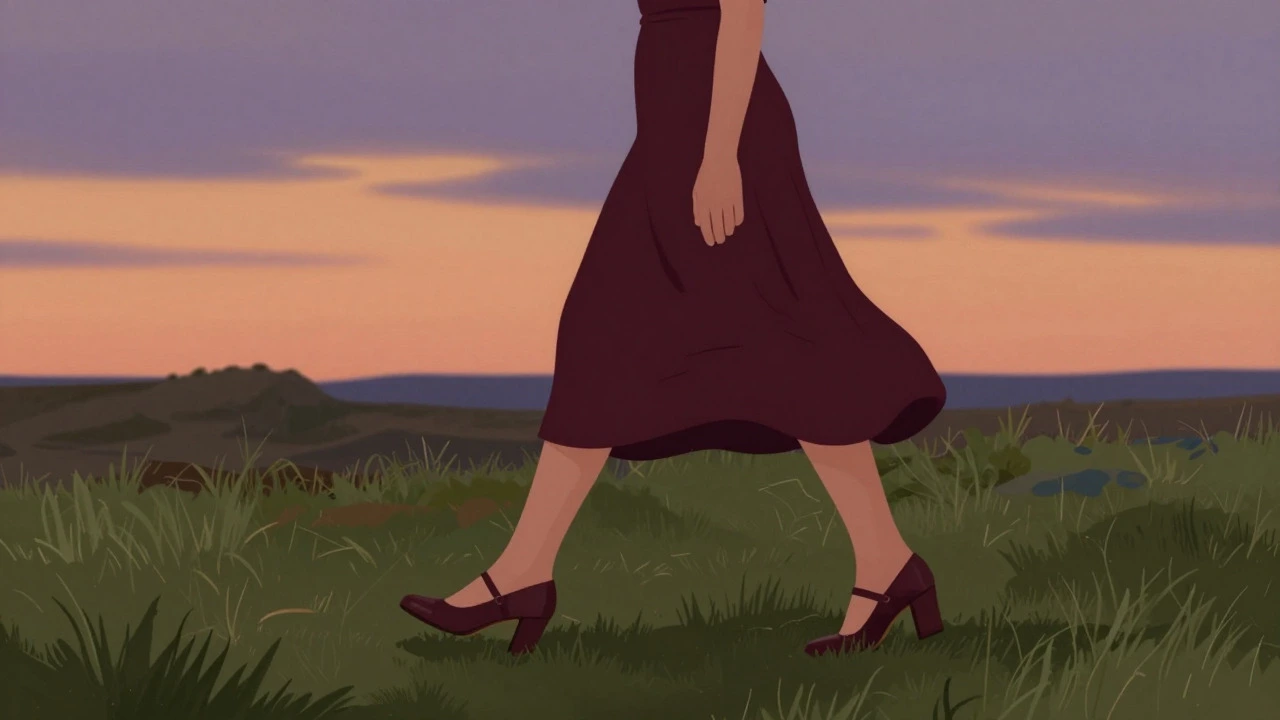
Your outfit isn’t complete without the right shoes. If the event involves dancing on grass or uneven terrain, skip the stiletto heels. Opt for block heels or elegant wedges that provide stability. Many women in Ireland carry a small pouch of heel grips or even tape to prevent blisters during long celebrations.
Jewelry should match the era of the dress. For vintage-inspired gowns, pearl earrings and a delicate necklace add charm. For modern, minimalist designs, statement earrings or a bold bracelet draw attention. Keep your handbag small-a clutch is standard for evening wear. It should fit your phone, lipstick, and card, nothing more. Large bags suggest you are prepared for a hike, not a dinner party.
Don’t forget the outerwear. A chic coat is essential for walking between cars and venues. Look for tailored wool coats in neutral colors that transition easily from day to night. In winter, a fur-trimmed collar adds warmth and luxury. In summer, a lightweight trench or a stylish pashmina wrapped around the shoulders works well.
Where to Shop in Ireland
You have plenty of options, from high-street retailers to independent boutiques. Major chains like Next and Debenhams offer affordable evening wear with frequent sales. For unique pieces, visit local boutiques in cities like Dublin, Cork, and Galway. These shops often carry European designers that align with Irish taste-clean lines, quality fabrics, and subtle detailing.
Online shopping is convenient, but sizing can vary. If buying online, measure yourself carefully and read reviews regarding fit. Many Irish customers prefer trying on clothes in person to ensure the fabric feels comfortable against the skin. If you live in a smaller town, consider visiting a nearby city for a dedicated shopping trip. It’s worth the travel time to find the perfect piece.
Common Mistakes to Avoid
One frequent error is ignoring the season. Wearing a heavy sequin dress in July can be uncomfortable, while a thin slip dress in November will leave you shivering. Match the weight of the fabric to the month.
Another mistake is choosing a dress that is too revealing for the crowd. While Irish society is generally open-minded, older generations may prefer more covered-up styles. If you know the guest list includes many elderly relatives, balance your style with modesty. A high slit is fine, but a plunging neckline might be too much for a conservative wedding.
Finally, don’t forget the movement. Sit down before you leave the house. Can you bend? Can you walk confidently? If the dress restricts your movement, it will feel awkward throughout the evening. Comfort leads to confidence, and confidence makes any outfit look better.
FAQ
What is the most versatile evening dress color in Ireland?
Navy blue is widely considered the most versatile color. It looks formal enough for black-tie events but is softer than black. It pairs well with various jewelry and suits most skin tones, making it a safe choice for uncertain occasions.
Should I wear heels to an outdoor Irish wedding?
It depends on the ground. If it’s a manicured lawn, standard heels are fine. If it’s grass or uneven terrain, choose block heels or wedges to avoid sinking into the mud. Bring a change of flats for dancing if possible.
How do I handle rain during an evening event in Ireland?
Plan ahead. Choose a waterproof or water-resistant bag. Wear a coat that covers your dress if possible. Have a compact umbrella ready. Most importantly, stay calm; rain is part of the Irish experience, and a little dampness won’t ruin the evening.
Is it acceptable to wear a midi dress to a formal gala?
Generally, no. Floor-length gowns are expected for formal galas. However, if the invitation says "Cocktail" or "Semi-Formal," a midi dress is perfectly acceptable. When in doubt, check with the host or look at photos from previous similar events.
Where can I find last-minute evening dresses in Dublin?
Grafton Street and O'Connell Street in Dublin have numerous department stores and boutiques with evening wear sections. Additionally, many local tailors offer quick alteration services if you buy a standard size that needs minor adjustments.