Irish Heatwave Outfit Checker
It's a rare day when Ireland hits 30°C+ (90°F). Don't let the humidity ruin your day. Select your planned outfit details below to get an instant comfort score and practical advice tailored to Irish conditions.
Make your selections and click "Check Comfort Score" to see how you'll handle the Irish heat.
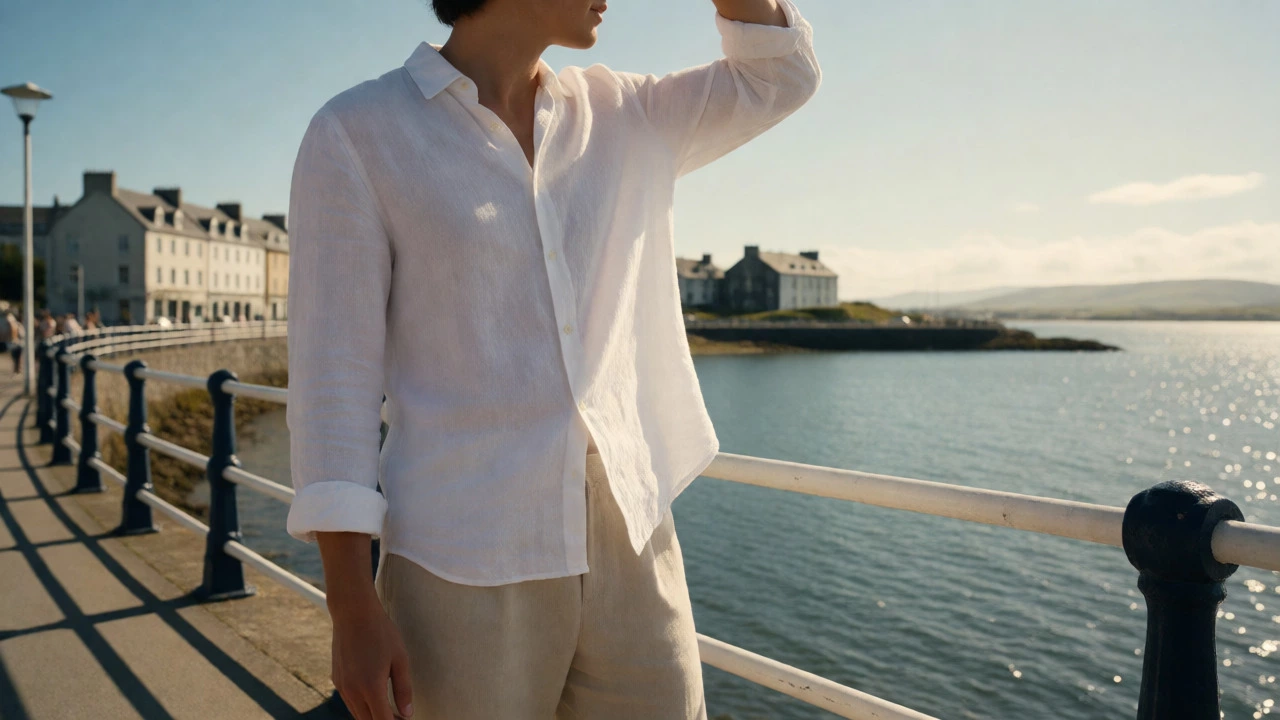
It’s a strange thing, isn’t it? You’re standing on Salthill Promenade in Galway, the sun is beating down, and the forecast says 32°C (which feels like 90°F). Your phone buzzes with alerts about heatwaves across the country. But here’s the kicker: you can’t just throw on your usual wool jumper or your heavy denim jeans. The air is thick, the humidity is rising, and if you wear the wrong thing, you’ll feel sticky within ten minutes of stepping out. Dressing for hot weather isn't just about looking good; it's about managing body temperature while staying stylish in unpredictable conditions. In Ireland, we don’t get many days that hit true 90-degree Fahrenheit levels, but when they do, our typical wardrobe-built for rain and wind-often fails us. So, how do you actually dress for this kind of heat without sacrificing comfort or style?
Understanding the Irish Heatwave Quirk
Before we talk fabrics, let’s talk context. Unlike Spain or Italy, where 90 degrees might be dry and predictable, Irish heat often comes with high humidity. This means sweat doesn’t evaporate quickly. It stays on your skin. That’s why cotton, while breathable, can sometimes become heavy and clingy when it gets damp. Linen is better because it dries fast, but it wrinkles instantly-which is fine if you embrace the look, but not so much if you’re heading into a meeting in Dublin city centre. Synthetic blends are usually a no-go unless they are specifically engineered as "moisture-wicking" technical fabrics. Regular polyester will make you feel like you’re wrapped in plastic wrap under a spotlight.
Fabric Choices That Actually Work
If you’re shopping at local boutiques along Shop Street or browsing online from home, check the care label first. Here is what works best when the mercury rises:
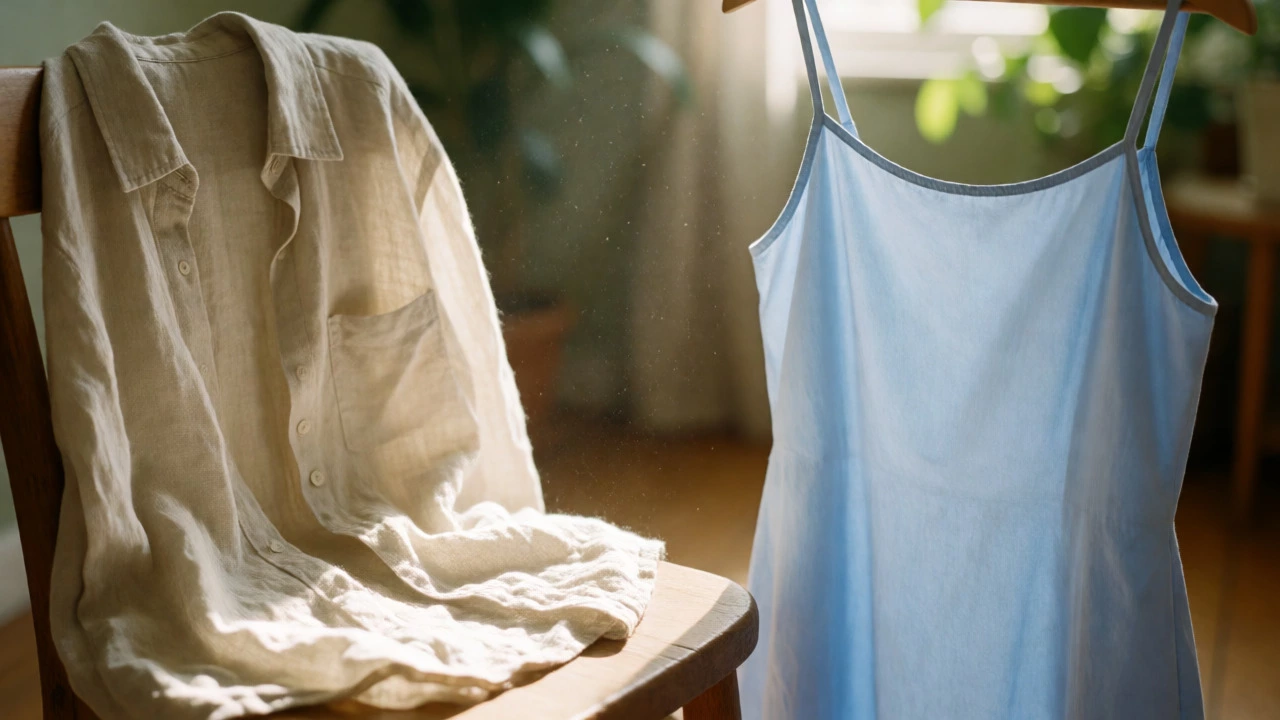
- Linen: The king of hot weather. It’s loose-weave, allowing air to circulate directly against your skin. Brands like H&M or local Irish designers often stock pure linen shirts and trousers. Yes, it wrinkles. Embrace it. It looks relaxed and chic.
- Cotton Poplin: Lightweight and crisp. Great for button-down shirts or simple sundresses. Look for 100% organic cotton if you have sensitive skin, as chemical finishes can trap heat.
- Rayon/Viscose: Made from wood pulp, it drapes beautifully and feels cool to the touch. Perfect for flowy maxi dresses. Just avoid cheap versions that shrink in the wash.
- Seersucker: That puckered fabric? It’s designed to keep fabric away from the skin, creating air pockets. It’s a classic choice for blazers or shorts in warmer climates and works surprisingly well in Irish summer heat.
Avoid heavy denim, velvet, suede, and anything labeled "polyester blend" unless it’s athletic wear. If you must wear jeans, opt for lightweight chambray or thin-stretch denim, and pair them with open-toed shoes to let some heat escape.
The Best Summer Dresses for Irish Conditions
Since summer dresses are the ultimate go-to for warm weather, choosing the right cut and length makes all the difference. In Ireland, even on hot days, evenings can cool down rapidly. A sleeveless mini dress might leave you shivering by 8 PM after a night out in Galway’s Latin Quarter. Instead, consider these options:
| Style | Best For | Pros | Cons |
|---|---|---|---|
| Maxi Dress (Linen/Cotton) | All-day wear, sightseeing | Full coverage protects from sun; airflow through wide legs | Can drag on wet ground if rain starts suddenly |
| Midi Shirt Dress | Work-casual transitions | Collar adds structure; sleeves can be rolled up | Buttons may gape if bust size varies |
| Sundress (Spaghetti Strap) | Beach days, casual lunches | Minimal fabric = maximum cooling | Requires layering for cooler evenings |
| Wrap Dress | Flattering fit, adjustable | Tie waist allows ventilation; fits various body types | Knots can come undone if fabric is slippery |
For men, or anyone preferring separates, tailored linen trousers paired with a short-sleeve polo or an unbuttoned linen shirt over a tank top offer a polished yet cool look. Avoid dark colors like black or navy, which absorb heat. Stick to whites, pastels, light blues, and earth tones. They reflect sunlight rather than trapping it.
Footwear: Keep Your Feet Cool
Your feet need to breathe too. Leather boots are out. Sneakers with thick foam soles can trap heat. Instead, look for:
- Canvas Slip-ons: Breathable and easy to take off if you’re walking barefoot on grass at a festival like Electric Picnic.
- Leather Sandals: Choose ones with natural leather footbeds that mold to your shape. Brands like Birkenstock or Clarks are popular in Ireland for their durability and breathability.
- Woven Espadrilles: A stylish option for women who want a bit of height without the suffocation of closed pumps.
Pro tip: Wear invisible socks or none at all if possible. Cotton ankle socks bunch up and create friction points where sweat accumulates, leading to blisters.
Accessories That Serve a Purpose
In Ireland, sun protection isn’t just vanity-it’s health necessity. Our ozone layer is thinner, and UV rays are stronger than people realize, especially near coastal areas like Clare or Kerry.
- Hats: A wide-brimmed straw hat shields your face and neck. Baseball caps only cover the forehead, leaving ears and neck exposed.
- Sunglasses: Ensure they have UV400 protection. Cheap sunglasses dilate pupils but don’t block harmful rays, potentially causing more damage.
- Tote Bags: Carry a lightweight tote with a spare light cardigan or pashmina. Evenings drop temperatures quickly, and indoor venues like cinemas or museums often blast air conditioning.
Don’t forget hydration. Carry a reusable water bottle. Many public parks in cities like Dublin and Cork now have drinking fountains. Staying hydrated helps regulate body temperature from the inside out.
Navigating Humidity and Sudden Rain
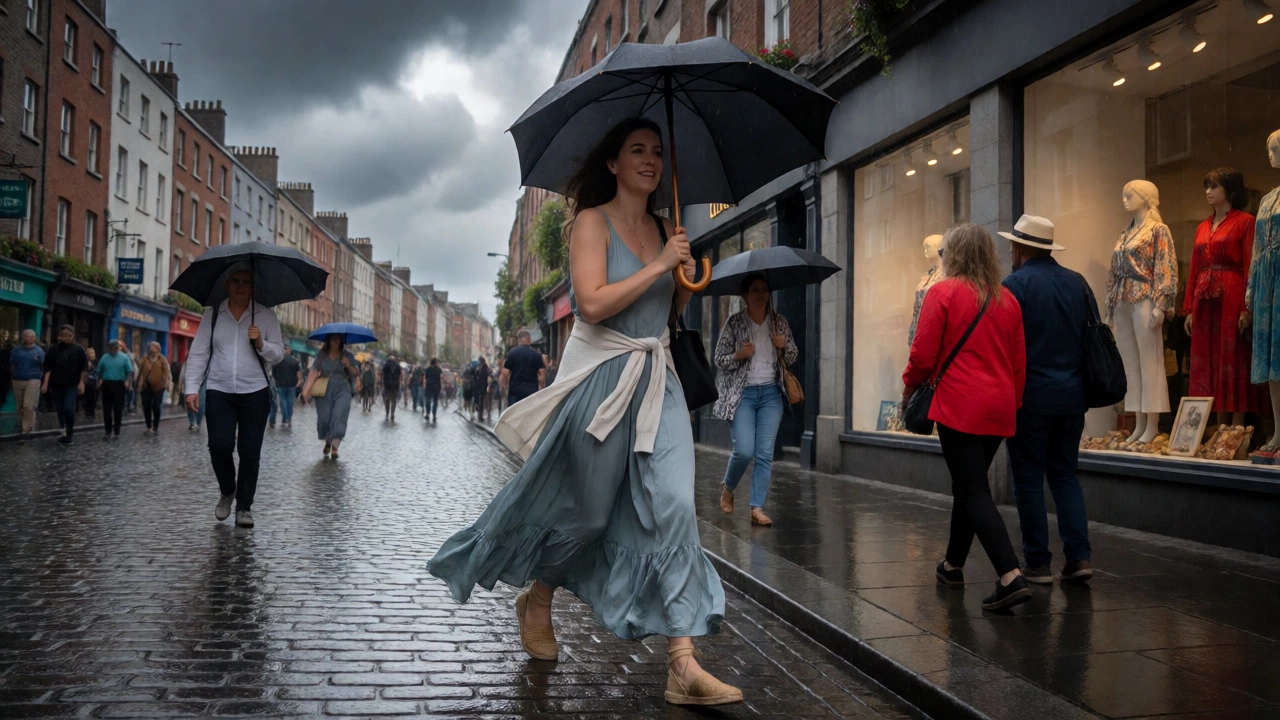
Here’s the Irish reality: 90-degree weather often precedes a thunderstorm. High pressure builds heat, then cold fronts sweep in, bringing rain. Always check the Met Éireann app before heading out. If there’s a chance of rain, avoid suede shoes or delicate silk dresses that stain easily. Pack a compact umbrella-not the flimsy drugstore kind, but a sturdy one that won’t invert in a gust. Some shops in Grafton Street sell branded umbrellas that double as fashion statements.
Layering is key. Start with a breathable base layer. Add a thin overshirt that can be tied around your waist if it gets too hot, or worn if the wind picks up. This adaptability is crucial in our changeable climate.
Local Shopping Tips in Ireland
Where do you find these pieces? You don’t need to fly to Barcelona. Local Irish brands understand our specific needs better than global giants.
- Priya: Known for vibrant prints and comfortable cuts suitable for diverse body types.
- Uisce: Offers minimalist, high-quality basics that withstand frequent washing.
- Decathlon: Surprisingly good for affordable technical fabrics if you’re active outdoors.
- Vintage Shops: Cities like Galway and Dublin have thriving vintage scenes. Thrifting linen clothes is sustainable and cost-effective.
Try before you buy. Fabric feels different on the hanger than it does on your skin. Move around in the fitting room. Sit down. Raise your arms. Does it restrict movement? Does it cling? If yes, put it back.
Final Thoughts on Comfort vs. Style
There’s no rule saying you must suffer to look good. In fact, discomfort shows on your face. Frowning because your collar is scratching or squinting because your glasses fog up detracts from any outfit. Prioritize function. Choose natural fibers. Opt for lighter colors. Keep layers minimal but accessible. And remember, in Ireland, confidence comes from being prepared for whatever the sky decides to do next.
Is linen really better than cotton for hot weather?
Yes, generally speaking. Linen has a looser weave, allowing more air circulation. It also wicks moisture away from the skin faster than cotton, which tends to hold onto dampness and become heavy. However, high-quality lightweight cotton poplin is also a great alternative if you dislike linen's wrinkling tendency.
What should I wear to work during a heatwave in Dublin?
Opt for a midi-length shirt dress in linen or a breathable viscose blend. Pair it with loafers or clean white sneakers. If your office requires jackets, choose an unlined linen blazer or carry a light cardigan instead. Avoid synthetic suits which trap heat significantly.
Are dark colors really hotter in the sun?
Yes. Dark colors absorb more solar radiation and convert it into heat, warming the fabric against your skin. Light colors reflect sunlight. While the effect is less pronounced in windy conditions, in still, humid air, wearing black or navy can raise your perceived temperature by several degrees compared to white or beige.
How do I prevent chafing in humid Irish summers?
Chafing happens when skin rubs against skin or fabric due to sweat. Use anti-chafe sticks (available at pharmacies like Boots) on inner thighs or underarms. Wearing seamless underwear and avoiding rough seams in shorts or dresses also helps. Moisture-wicking undershirts can act as a barrier between skin and outer clothes.
Can I wear jeans in 90-degree weather?
You can, but it’s not ideal. Standard denim is heavy and insulating. If you must wear jeans, choose a lightweight chambray fabric or a thin stretch denim with a relaxed fit to allow airflow. Pair them with sandals to mitigate the heat retention. Otherwise, swap them for linen trousers or skirts.