Global Shoe Etiquette Checker
Planning a trip or hosting international guests? Check the local norms for wearing shoes inside homes.
Advice
Reasoning
You walk into a friend’s flat in Dublin, and they’re barefoot. Or maybe you visit someone from Japan or Canada, and they immediately kick off their trainers at the door. It’s a small gesture, but it signals a huge cultural divide. The question isn't just about hygiene; it's about respect, comfort, and how we view our living spaces. If you've ever wondered which country never wear shoes in the house, you're digging into a fascinating map of global habits that shifts dramatically depending on where you are.
In Ireland, the norm is pretty straightforward: we keep our shoes on inside. We track in rain, mud from the Wicklow Mountains, and the occasional bit of city grime from Grafton Street. But if you’re hosting international guests, or planning to move abroad, understanding these rules saves you from awkward moments. Let’s break down who takes their shoes off, who keeps them on, and why the humble slipper plays such a big role in this story.
The Global Map of Shoe Etiquette
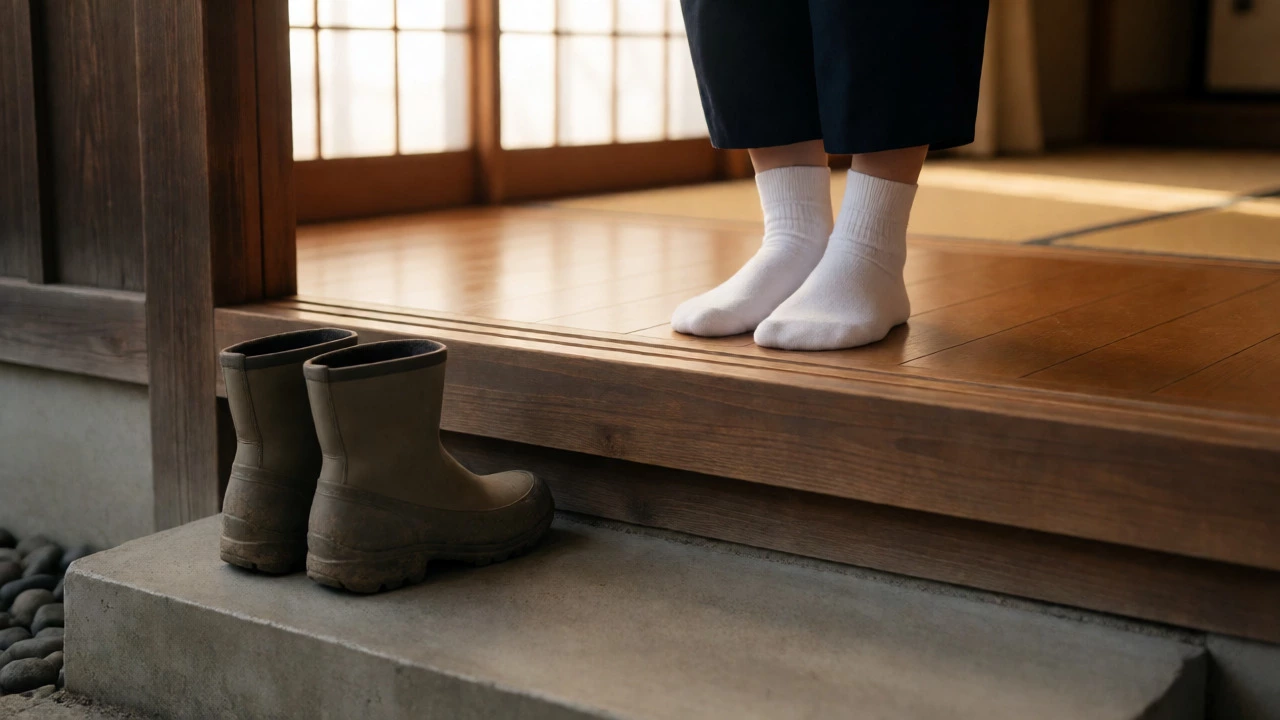
There is no single country that universally bans shoes indoors for every single citizen, but there are regions where it is the overwhelming social default. If you had to pick one place where wearing shoes inside is considered deeply rude, Japan is likely the top contender. In Japanese culture, the entrance area, known as the genkan, is a transitional space where you leave the outside world behind. Stepping onto tatami mats with outdoor footwear is a major faux pas. You swap your street shoes for slippers, and when you enter the toilet, you swap again for specific toilet slippers. Forget to switch back? That’s a classic travel mistake that locals notice instantly.
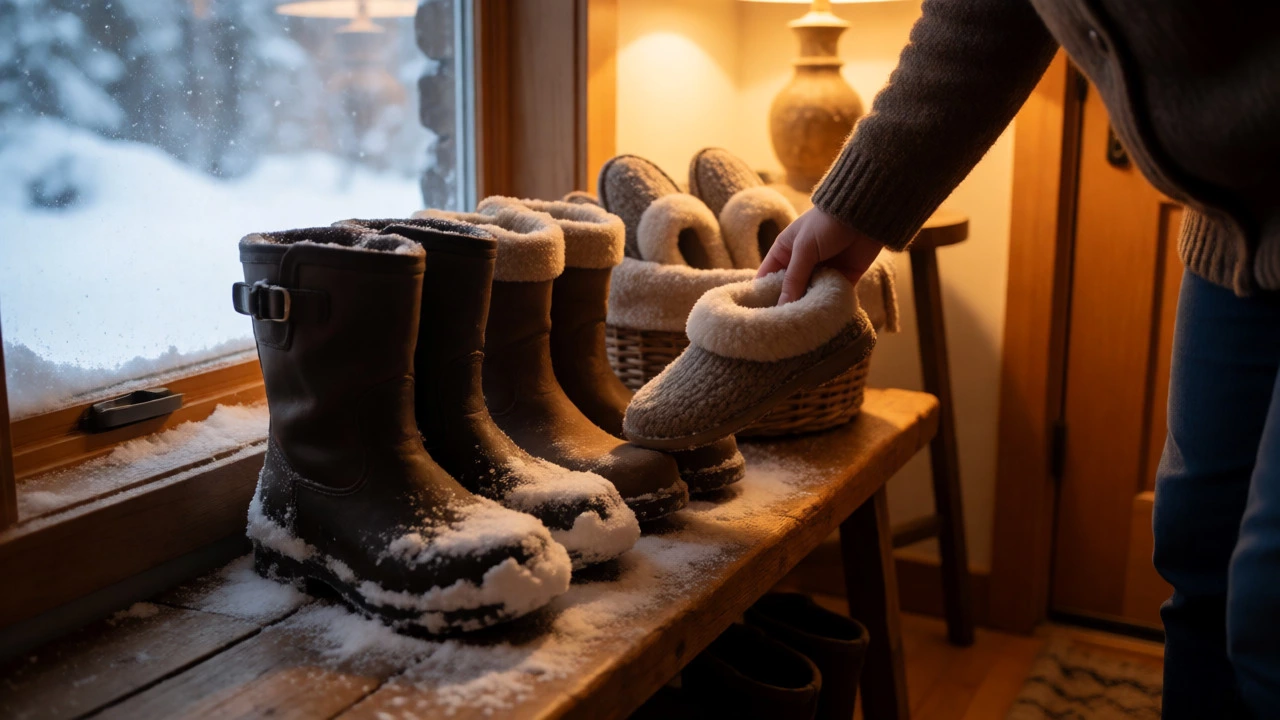
South Korea follows similar rules, often even more strictly. Many Korean households have underfloor heating (ondol), making bare feet comfortable year-round. Wearing shoes on heated floors would be like walking on a radiator in socks-unpleasant and damaging to the flooring. Then there’s Canada. While not legally mandated, the "no shoes" rule is incredibly common in Canadian homes, especially in provinces like Ontario and British Columbia. This stems largely from practicality: snow, slush, and road salt destroy carpets and hardwoods. A pair of warm wool slippers by the door is standard kit in Toronto or Vancouver winters.
Scandinavian countries like Sweden, Norway, and Denmark also lean heavily toward shoe-free zones. It’s partly about cleanliness and partly about preserving expensive wooden floors. In contrast, much of Southern Europe, including Italy and Spain, tends to be more relaxed. People might wipe their feet, but keeping shoes on is generally acceptable. And then there’s the United States, which is famously divided. Some states, particularly in the Pacific Northwest and the Midwest, strongly prefer no shoes, while others, especially in the South, don’t mind if you keep your sneakers on.
| Region/Country | General Habit | Primary Reason | Guest Expectation |
|---|---|---|---|
| Japan & South Korea | Always remove shoes | Cultural tradition, floor preservation | High - Remove at entry |
| Canada & Scandinavia | Usually remove shoes | Snow/mud prevention, hygiene | Medium-High - Check first |
| Ireland & UK | Often keep shoes on | Convenience, less severe weather | Low - Shoes usually stay on |
| USA (Variable) | Mixed | Regional climate, personal preference | Ask host - No universal rule |
| Southern Europe | Keep shoes on | Cultural norm, stone/tile floors | Low - Shoes usually stay on |
Why Do We Take Them Off?
It’s rarely just about dirt. Think about the bacteria. Studies suggest that shoe soles can carry pathogens like E. coli and staphylococcus. When you walk through a public bathroom or step in something unpleasant on the street, you bring that directly onto your carpet. For parents with crawling babies, this is a non-negotiable health issue. In cities like Cork or Galway, where dampness can lead to mold issues, keeping wet shoes out helps maintain air quality indoors.
Then there’s the psychological aspect. Removing shoes acts as a ritual boundary. It tells your brain, "Work mode is off; home mode is on." This is why many people invest in high-quality slippers. They aren’t just footwear; they are comfort tools. Brands like UGG or local Irish makers offer sheepskin-lined options that mimic the warmth of bare feet without the cold floor shock. In colder climates, this transition is vital for well-being. You wouldn’t want to walk around in heavy hiking boots after a long day; swapping into soft slippers signals relaxation.
The Irish Context: Why We Keep Our Shoes On
So, why doesn’t Ireland follow the Japanese or Canadian model? It comes down to infrastructure and habit. Most Irish homes have tiled kitchens or hallways designed to withstand wet weather. We have robust doormats and cleaning routines that handle the average amount of muck brought in from the outdoors. Plus, our social culture is informal. If you invite friends over for a pint after work, expecting them to stop, untie laces, find a spare pair of slippers, and store their boots might feel overly formal or inconvenient.
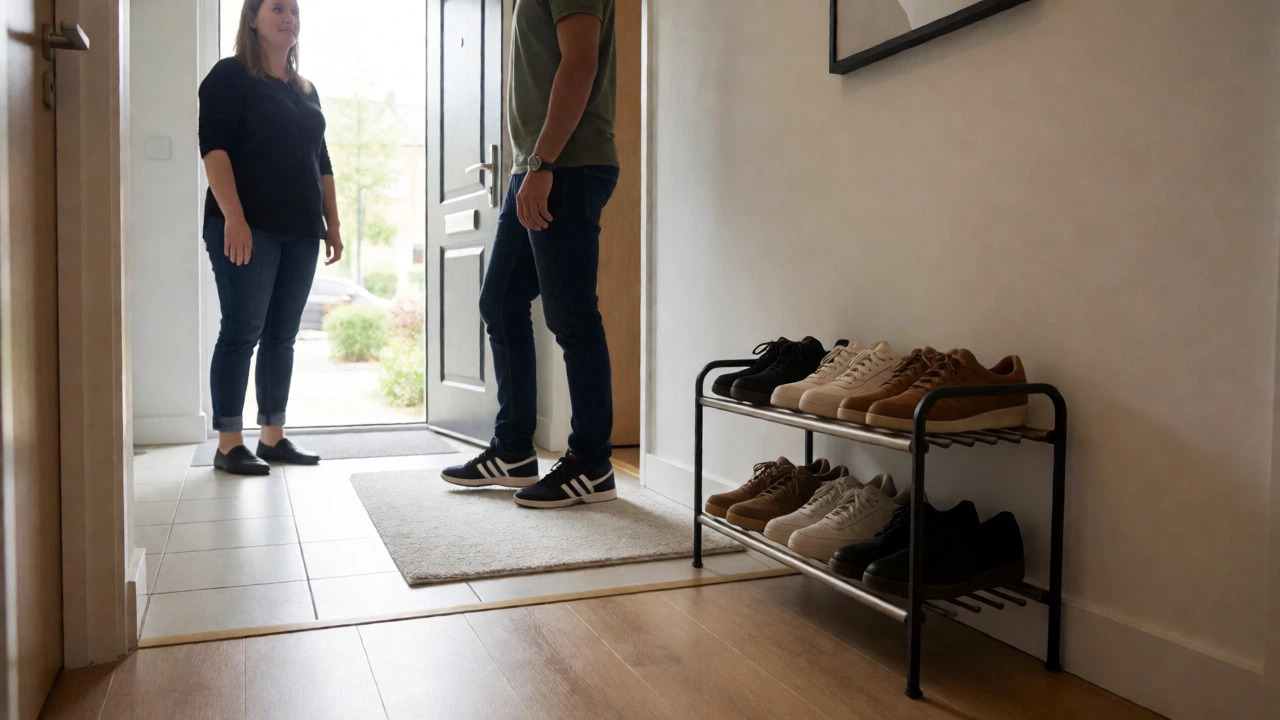
However, things are changing. As more Irish people travel and see how other cultures live, some are adopting the "shoes off" policy, especially in newer builds with open-plan living areas and light-colored rugs. If you’re renting in Dublin, landlords might appreciate tenants who protect the flooring. Using a designated shoe rack near the front door is a smart compromise. It keeps the hallway tidy and makes the option available without forcing it.
How to Navigate Guest Etiquette
If you’re hosting, clarity is key. Don’t make guests guess. Place a clear pile of guest slippers by the door or put up a friendly sign. If you’re visiting, watch the host. If they take theirs off, you should too. If they keep theirs on, you’re safe to do the same. When in doubt, ask. It’s better to say, "Should I take my shoes off?" than to walk across pristine white carpets in muddy boots.
For expats moving to Ireland, this can be a culture shock. Coming from a strict no-shoes culture, seeing Irish colleagues walk straight onto sofas with outdoor shoes can seem unhygienic. Conversely, Irish visitors to Japan might feel anxious about accidentally stepping on a tatami mat with dirty soles. Understanding the "why" behind the habit reduces judgment. It’s not that one way is cleaner; it’s that different environments demand different solutions.
Choosing the Right Indoor Footwear
If you decide to adopt a shoe-free policy, or simply want to be prepared for international hosts, investing in good indoor footwear matters. Cheap foam slippers wear out quickly and lack support. Look for materials that breathe, like cotton, wool, or leather. In Ireland, where dampness is a constant companion, moisture-wicking fabrics prevent feet from getting clammy.
- Wool Slippers: Ideal for winter. Brands like Minnetonka or locally sourced Irish wool products provide insulation without overheating.
- Leather Moccasins: Durable and stylish. They mold to your foot shape over time, offering custom comfort.
- Espadrilles: Breathable and lightweight, perfect for summer months when central heating is off.
- Orthopedic Sandals: Great for those with plantar fasciitis. Supportive straps help maintain foot health while keeping dirt out.
Remember, the goal is comfort and cleanliness. You don’t need to buy expensive designer labels, but avoid flimsy options that offer zero arch support. Your feet carry you all day; giving them a break at home is self-care.
Is it rude to wear shoes in someone’s house in Japan?
Yes, it is generally considered very rude. You are expected to remove your shoes at the genkan (entryway) before stepping up into the main living area. Failing to do so implies you are bringing the filth of the outside world into their private sanctuary.
Do most Canadians really take their shoes off indoors?
A significant majority do, though it varies by household. Due to harsh winters involving snow, ice, and road salt, removing shoes protects flooring and keeps homes warmer and cleaner. It is a widely accepted social norm in most Canadian homes.
What should I wear if I visit a country that requires taking shoes off?
Wear clean, hole-free socks. Bare feet can be seen as intimate or unhygienic in some contexts, while sandals might be too open. Clean socks show respect for the host’s cleanliness standards and ensure you are comfortable if slippers aren’t provided.
Are there any health benefits to going barefoot at home?
Yes. Going barefoot strengthens foot muscles, improves balance, and allows natural movement. However, if you have diabetes or poor circulation, consult a doctor first, as minor cuts can become serious infections. Always ensure the floor is clean and free of hazards.
How do I politely tell a guest to take their shoes off?
Be direct but friendly. Say, "We have a no-shoes rule here to keep the carpets clean, please help yourself to these slippers," or simply point to the shoe rack. Most guests will appreciate the clarity rather than feeling judged later.